Nana
Nana
The first-person shooter (FPS) genre has long been a cornerstone of the video game industry, offering players immersive experiences that range from tactical warfare to high-octane arcade action. From the groundbreaking innovations of early pioneers to the polished, blockbuster titles of today, the FPS landscape is vast and varied. However, for every critically acclaimed masterpiece, there exists a shadow – a collection of titles that failed to hit the mark, leaving players questioning their existence and lamenting their lost hours. This article delves into a curated selection of ten FPS games that, for various reasons, are best left unplayed, examining their shortcomings with a professional and critical lens.
While the allure of the FPS genre is undeniable, with titles like Mouse: P.I. for Hire, ARC Raiders, and perennial favorites like Fortnite, Apex Legends, and Counter-Strike 2 dominating player attention, it’s crucial to acknowledge the missteps that have occurred along the way. These aren’t merely mediocre games; they are examples of significant creative and technical failures that stand as cautionary tales within the industry. This analysis will explore the historical context, design flaws, technical issues, and overall player reception that condemn these titles to the digital graveyard of regrettable releases.
The Perilous Path of Progress: Identifying FPS Fumbles
The evolution of the first-person shooter genre has been a dynamic and often challenging journey. Developers constantly strive to innovate, pushing the boundaries of technology and gameplay mechanics. Yet, this pursuit of the next great experience inevitably leads to missteps. This list aims to shed light on some of the most egregious examples, offering a critical retrospective on games that, despite their potential or association with popular franchises, ultimately failed to deliver a satisfying or even tolerable experience.
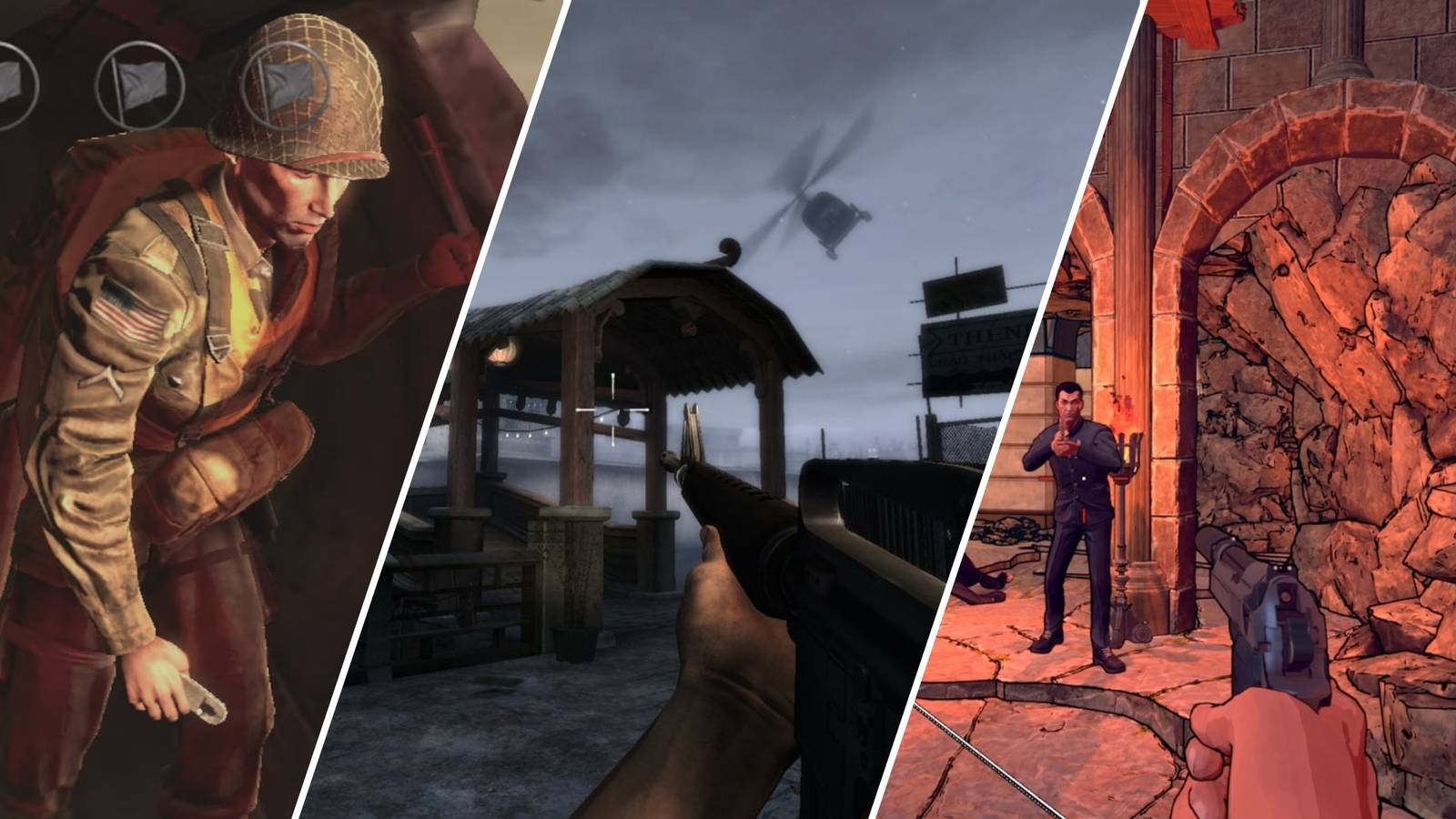
10. RoboCop (2003): A Bulky Bot’s Bumpy Ride
The original RoboCop film, a satirical masterpiece of dystopian science fiction, offered a rich thematic tapestry and iconic characters ripe for adaptation. However, the 2003 video game adaptation for the Xbox, PlayStation 2, and GameCube fell drastically short of this potential.
Combat Devolved: The core gameplay loop of RoboCop was marred by clunky controls and an unresponsive combat system. While the game aimed to capture the slow, methodical, and brutal nature of RoboCop’s encounters, it instead delivered a frustratingly imprecise experience. Enemies were often bullet sponges, and the titular cyborg’s arsenal felt underpowered and unsatisfying to wield. The artificial intelligence of both allies and enemies was rudimentary, leading to predictable and uninspired encounters.
Technical Woes: Beyond the gameplay, RoboCop was plagued by significant technical issues. Frequent graphical glitches, jarring frame rate drops, and an overall lack of polish detracted heavily from any immersion the game attempted to foster. The visual presentation, even for its era, was uninspired, failing to do justice to the distinct aesthetic of the film. The game’s infamous reception, with some critics comparing it unfavorably to the widely panned Superman 64, speaks volumes about its abysmal quality. It stands as a stark reminder that a beloved license alone cannot salvage a fundamentally flawed game.

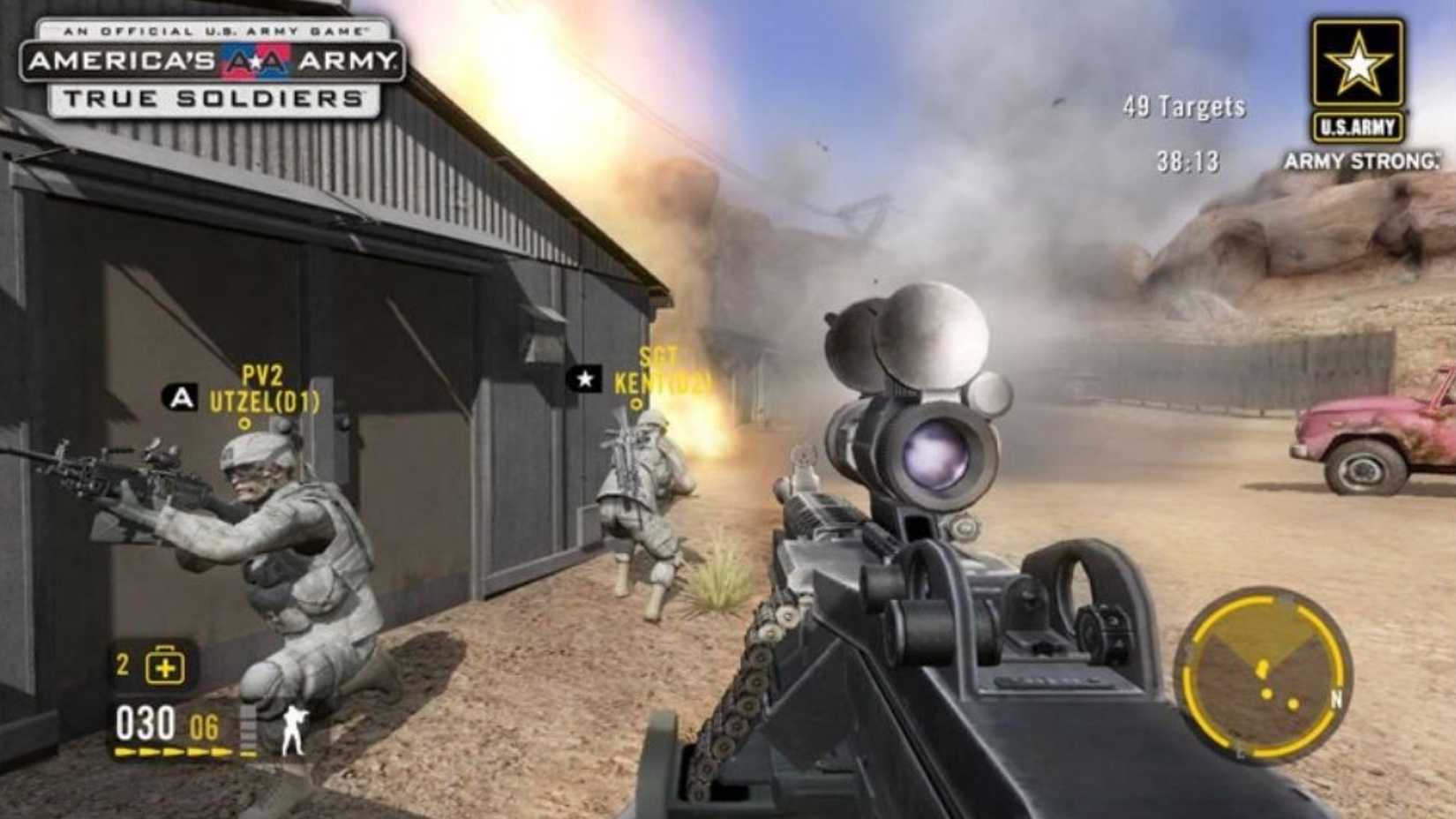
9. America’s Army: True Soldiers (2007): A Missed Opportunity on the 360
Developer Red Storm Entertainment had a respectable track record, particularly with the Tom Clancy series. Their debut on the Xbox 360, Tom Clancy’s Ghost Recon Advanced Warfighter, was a strong showing. However, this momentum did not carry over to their 2007 release, America’s Army: True Soldiers.
Genuine 360 Shovelware: True Soldiers is often cited as a prime example of "shovelware" – games that are churned out with minimal effort and intended for quick sale, often at budget prices. The game’s gameplay mechanics felt dated and uninspired, lacking the tactical depth and polish that had become synonymous with Red Storm’s previous work. The shooting mechanics were loose, the enemy AI was predictable, and the overall level design was uninspired.
Multiplayer Mayhem (of the Wrong Kind): While the game attempted to emphasize multiplayer, it failed to provide a compelling or enjoyable experience. The matchmaking was often frustrating, and the core gameplay loop simply wasn’t engaging enough to retain players. The stark contrast between the quality of Ghost Recon Advanced Warfighter and America’s Army: True Soldiers highlights a significant misstep for Red Storm Entertainment, leaving players questioning what had gone wrong. It was a title that quickly found itself relegated to bargain bins, a testament to its lack of appeal.
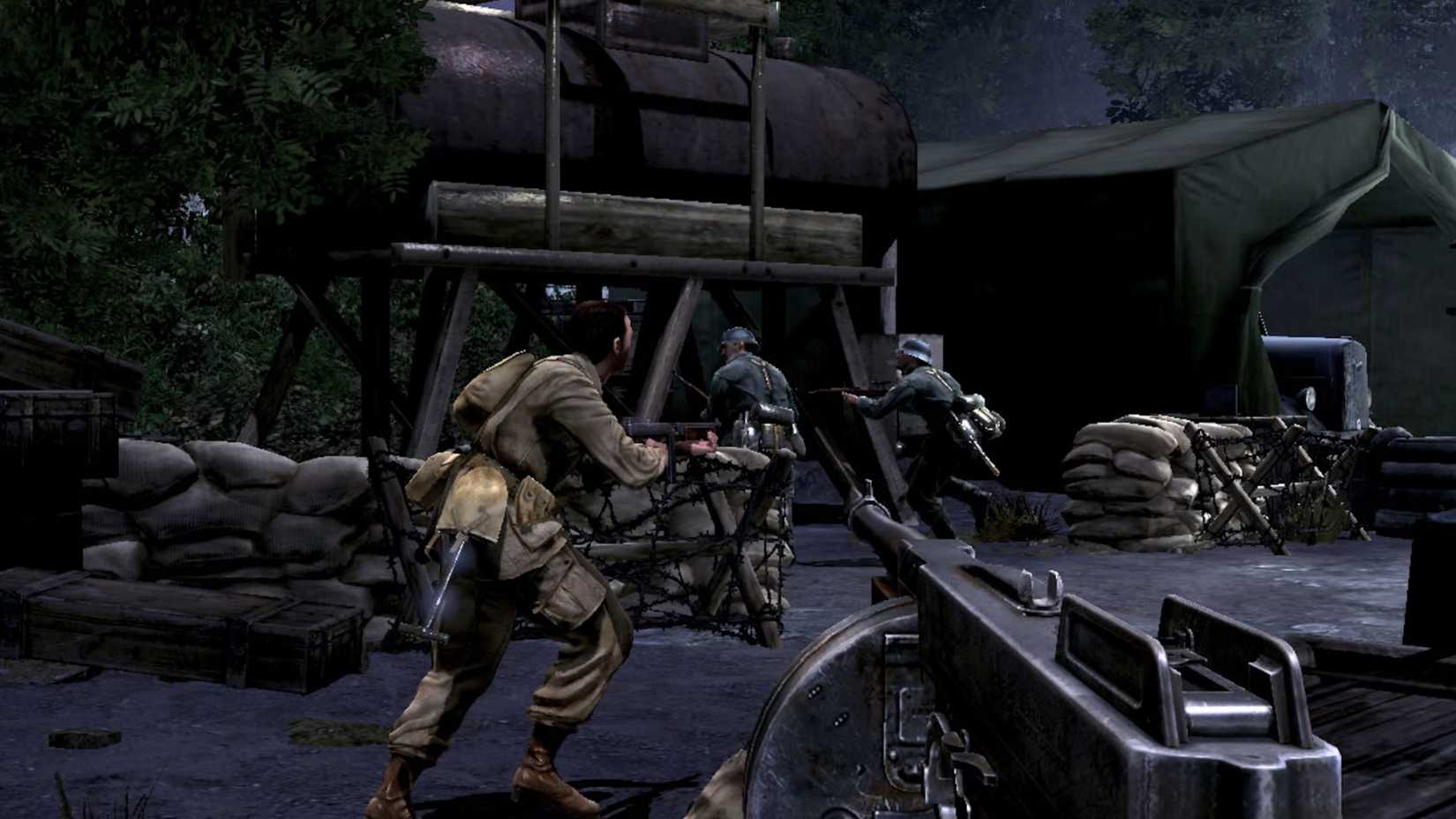
8. Medal of Honor: Airborne (2007): Dishonorable Discharge from World War II
The Medal of Honor franchise once stood as a titan in the World War II shooter genre, a formidable competitor to the emerging Call of Duty series. However, by 2007, the franchise was struggling to maintain its relevance. Medal of Honor: Airborne, released for PC, Xbox 360, and PlayStation 3, was intended to inject new life into the series but ultimately proved to be a significant disappointment.
Dishonorable Discharge: The game’s central premise, allowing players to choose their drop zone into battle, offered a glimmer of tactical choice. However, this illusion of freedom quickly dissolved into a repetitive and frustrating experience. The core gameplay was hampered by uninspired level design, a lack of meaningful enemy variety, and a gameplay loop that felt more like a chore than an adventure. The game’s notorious difficulty, often stemming from relentless enemy fire and unfair enemy placement, contributed to a sense of constant frustration.
Unfair Encounters and Shortcomings: Airborne suffered from a common ailment of its era: enemies that seemed to possess infinite ammunition and an uncanny ability to hit the player with pinpoint accuracy, regardless of cover. This created a cycle of dying and respawning that felt less like a challenge and more like a punishment. Despite its relatively short campaign, the game felt artificially prolonged by its unforgiving nature. The once-proud Medal of Honor franchise was clearly faltering, and Airborne represented a significant step backward in its attempt to recapture past glory.
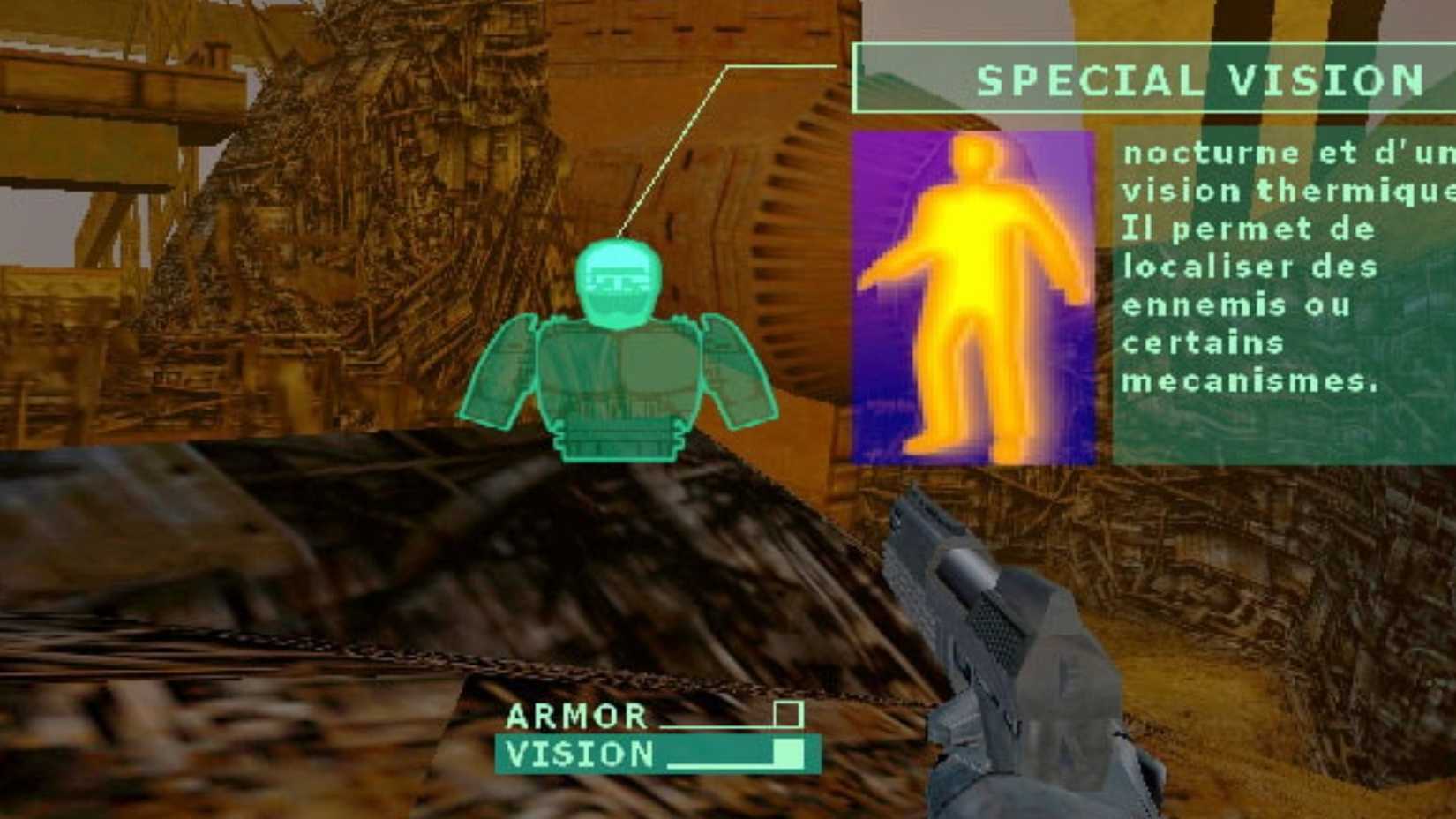
7. Chicago Enforcer (2004/2005): A Mobster’s Mismanaged Mayhem
The concept of a gritty FPS set within the world of the Chicago mafia during the original Xbox era held considerable promise. Chicago Enforcer, a console port of the PC game Mob Enforcer, aimed to deliver this experience. Unfortunately, the execution was severely lacking.
Cool Idea, Poor Execution: The primary issue with Chicago Enforcer was its origin as a port of an already mediocre PC title. This inherent weakness was exacerbated when brought to the Xbox. The game was plagued by exceptionally long load times, which significantly disrupted the flow of gameplay. The enemy AI was inconsistent and often unintelligent, leading to repetitive and unengaging firefights. Furthermore, the overall gameplay loop felt monotonous, failing to evolve or offer any significant depth.
Technical Stumbles: The transition to the Xbox console also introduced a host of technical problems. Visuals were underwhelming, and the overall presentation lacked the polish expected from a console release. The repetitive nature of the missions, coupled with the technical shortcomings, ensured that the game’s initial promise quickly dissolved into a forgettable and frustrating experience. Chicago Enforcer stands as a testament to how a flawed foundation can be further eroded by a poor porting process.
6. Shellshock 2: Blood Trails (2009): A Sequel’s Steep Slide
The original Shellshock: Nam ’67, developed by Guerrilla Games, was a serviceable if unremarkable entry in the Vietnam War shooter genre. It did well enough to warrant a sequel, but the reins were passed to Rebellion Derby for Shellshock 2: Blood Trails. This change in development proved to be a critical blow.
A Bad Sequel to an Average Game: The decision to move away from the original developer, combined with a lack of compelling gameplay advancements, sealed Shellshock 2‘s fate. The game was released in 2009, and a year later, Rebellion Derby closed its doors, a grim indicator of the game’s commercial and critical reception.
Infamy Through Controversy: Perhaps the most notable aspect of Shellshock 2 is its notoriety for being banned in Australia and Germany due to its excessive violence. While this might suggest a level of intensity or edginess, in reality, it often masked a shallow and uninspired gameplay experience. The game failed to build upon the foundation of its predecessor in any meaningful way, offering little in terms of innovation or engaging mechanics. It remains a cautionary tale of how a sequel can fail to capture the spirit of its predecessor, or even the appeal of an average game, resulting in a product that is best forgotten.
5. Painkiller: Resurrection (2009): A Hollow Echo of a Classic
The original Painkiller, released in 2004, is a beloved cult classic, a frantic and stylish "boomer shooter" that masterfully blended the high-octane action of Quake with the chaotic enemy encounters of Serious Sam. The success of the original made a sequel seem inevitable, but the departure of original developer People Can Fly cast a long shadow over any future installments.
This is (not) the Painkiller: Painkiller: Resurrection, released in 2009, was not developed by People Can Fly, and it showed. Instead of a true sequel, it felt more like an expansion pack that had been stretched into a full-priced game. The core gameplay loop, which was the hallmark of the original, felt uninspired and repetitive. The inventive weapon mechanics and the satisfying enemy-clearing action were dulled, replaced by a sense of déjà vu.
A Disappointment in Quality: The game failed to capture the chaotic energy and unique charm that made the original Painkiller so memorable. The level design was less inspired, the enemy encounters felt less impactful, and the overall experience lacked the polish and creativity that fans had come to expect. Resurrection stands as a prime example of how a change in development can fundamentally alter the identity and quality of a beloved franchise, leaving fans yearning for the original’s magic.
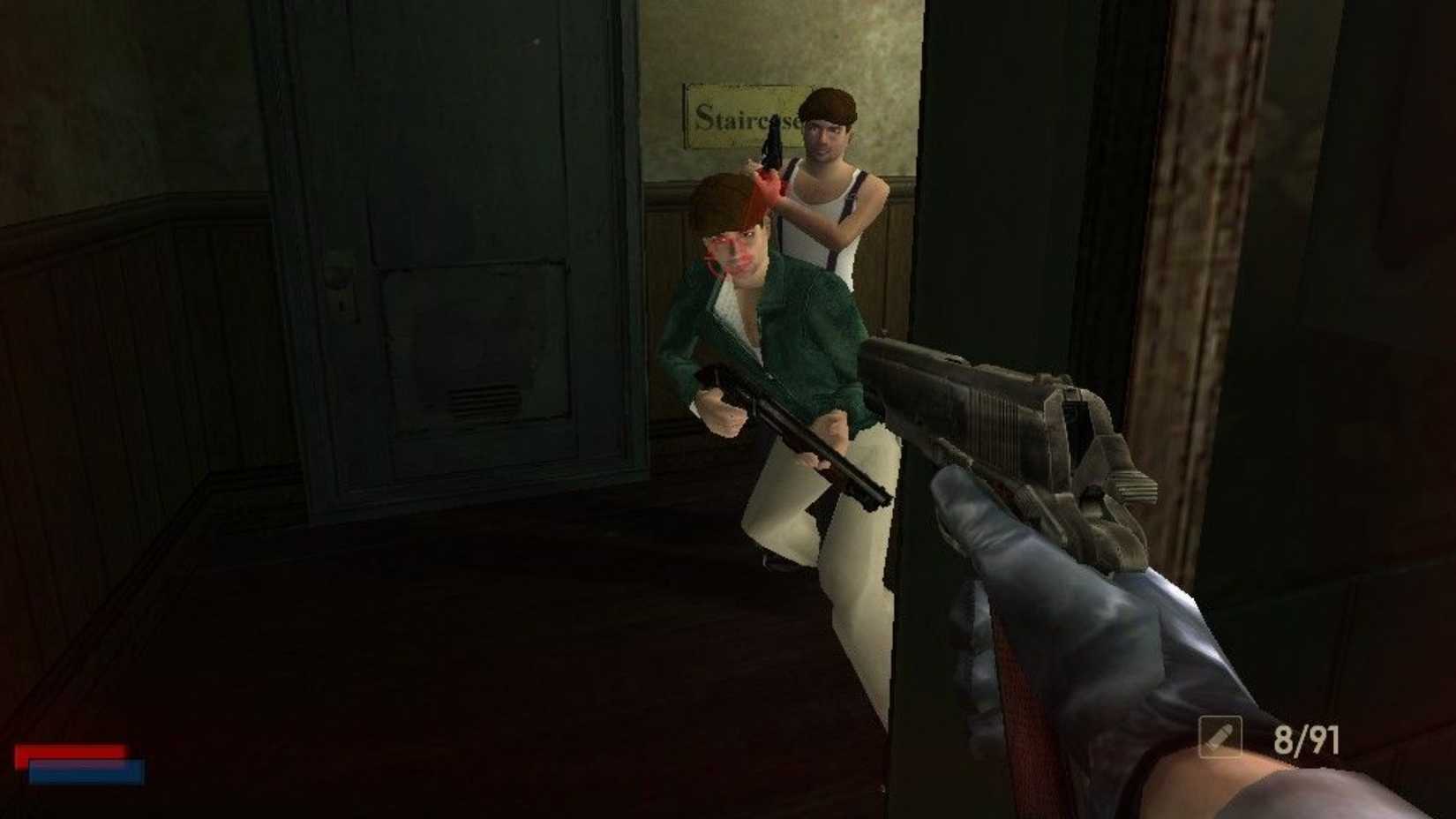
4. XIII (2020): A Stylish Remake’s Ruinous Reimagining
The 2003 cel-shaded FPS XIII was an unheralded gem, lauded for its distinctive art style and engaging narrative. It garnered a cult following over the years, with many hoping for a modern revival that would introduce its unique charm to a new generation of players. The 2020 remake, however, proved to be a catastrophic misinterpretation of what made the original special.
A Remake That Shouldn’t Have Existed: The announcement of a remake for XIII was met with excitement, promising a chance for the game to achieve the widespread recognition it deserved. However, early indications of a changed art style and gameplay direction were concerning. The final product revealed that this was not a faithful remake but a fundamentally altered game. The distinctive cel-shading was replaced with a less appealing aesthetic, and the core gameplay mechanics were significantly changed, often for the worse.
A Shadow of its Former Self: The 2020 XIII was a critical and commercial failure, widely criticized for its technical issues, uninspired gameplay, and betrayal of the original’s spirit. It felt less like a loving tribute and more like a cynical attempt to capitalize on nostalgia. The remake failed to understand what made the original XIII a cult classic, resulting in a product that was not only a disappointment but also a stark reminder of how remakes can go terribly wrong when the core essence of the original is lost in translation.
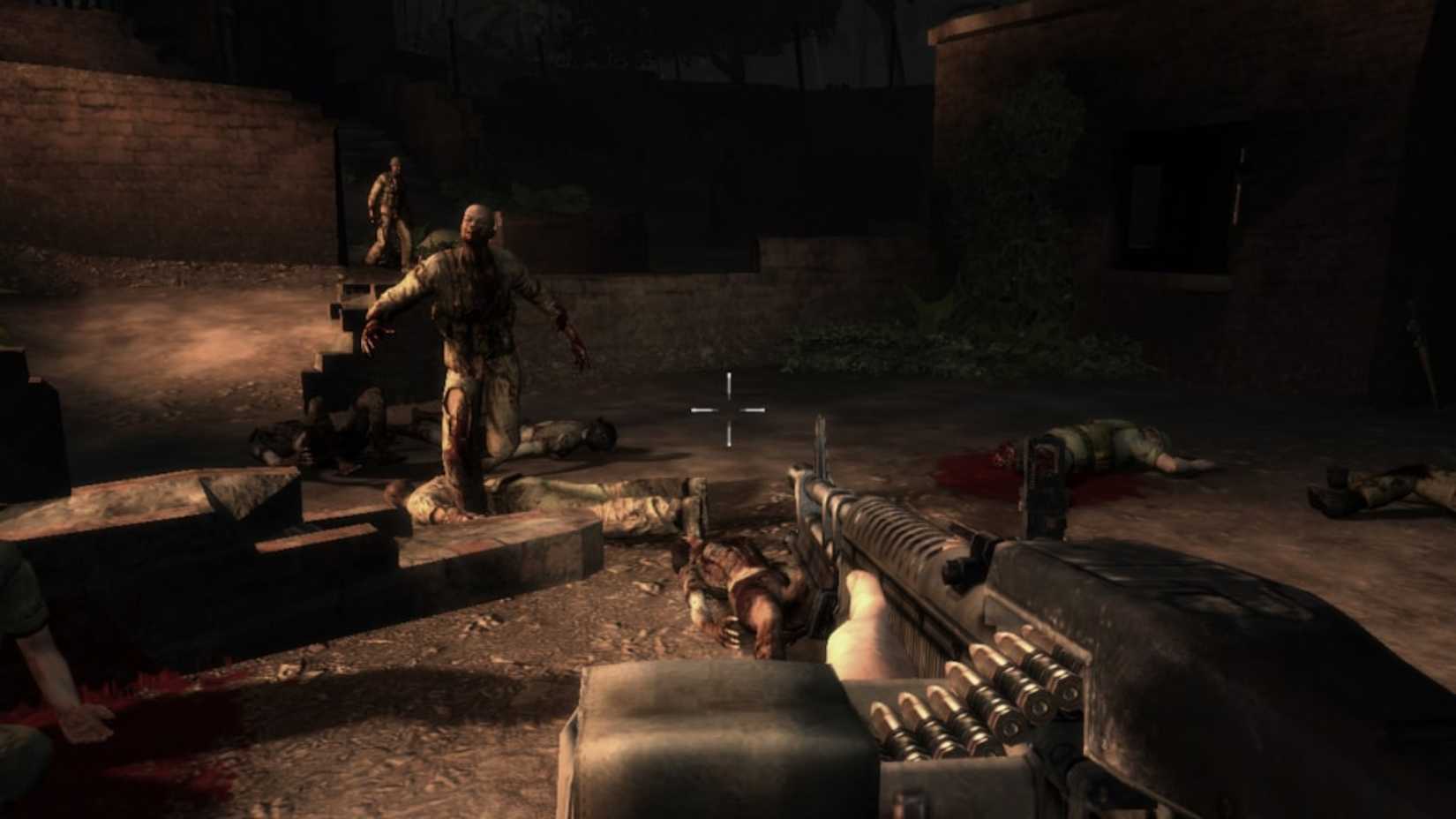
3. GoldenEye Reloaded: 007 (2011): A Bond Lost in Translation
The original GoldenEye 007 on the Nintendo 64 is a legendary title, a landmark achievement in console FPS gaming. The anticipation for a modern reimagining was immense. While a true revival arrived in 2023 with a well-received remake, the interim saw a release that fell far short of expectations: GoldenEye Reloaded: 007 in 2011.
Bond of Duty: Marketed as a modern take on the classic film and game, GoldenEye Reloaded instead bore a striking resemblance to the contemporary Call of Duty titles of its era. This shift in gameplay direction alienated fans of the original, who were seeking the unique blend of stealth, exploration, and satisfying gunplay that defined the N64 classic. The game lacked the innovative features and the distinctive atmosphere that made the original so beloved.
A Missed Opportunity: The gameplay felt generic and uninspired, failing to offer anything new or exciting. The story, while attempting to loosely follow the film, felt disjointed and lacked the narrative punch of its predecessor. The inclusion of a multiplayer mode, while a nod to the original’s famed split-screen battles, couldn’t salvage the overall experience. It’s worth noting that the 2004 title GoldenEye: Rogue Agent also failed to impress, but it at least didn’t attempt to masquerade as a direct successor to the N64 masterpiece, making Reloaded‘s misstep all the more egregious.

2. Rogue Warrior (2009): Bethesda’s Black Sheep of the Infantry
The decision to base an FPS on the life of U.S. Navy SEAL Richard Marcinko, a controversial but undeniably intriguing figure, seemed like a solid premise. However, the 2009 title Rogue Warrior, despite sharing the name of Marcinko’s autobiography, bore little resemblance to the source material and suffered from a host of critical flaws.
Bethesda’s Black Sheep: A significant factor contributing to the game’s downfall was its troubled development cycle, which included a change in studios. This instability often leads to a lack of cohesion and polish, a fate that Rogue Warrior did not escape. The resulting game was not only boring but also a technical disaster. The gameplay felt uninspired, with repetitive combat and a lack of engaging mechanics.
A Technical Mess: The game was marred by bugs, glitches, and a general lack of polish, making it a frustrating and often unplayable experience. The narrative failed to capitalize on the potential of its subject matter, delivering a shallow and uninspired story. While developer Rebellion would later find success with titles like Atomfall, Rogue Warrior remains a black mark on their history and a stark reminder of how a difficult development can lead to a disastrous final product.
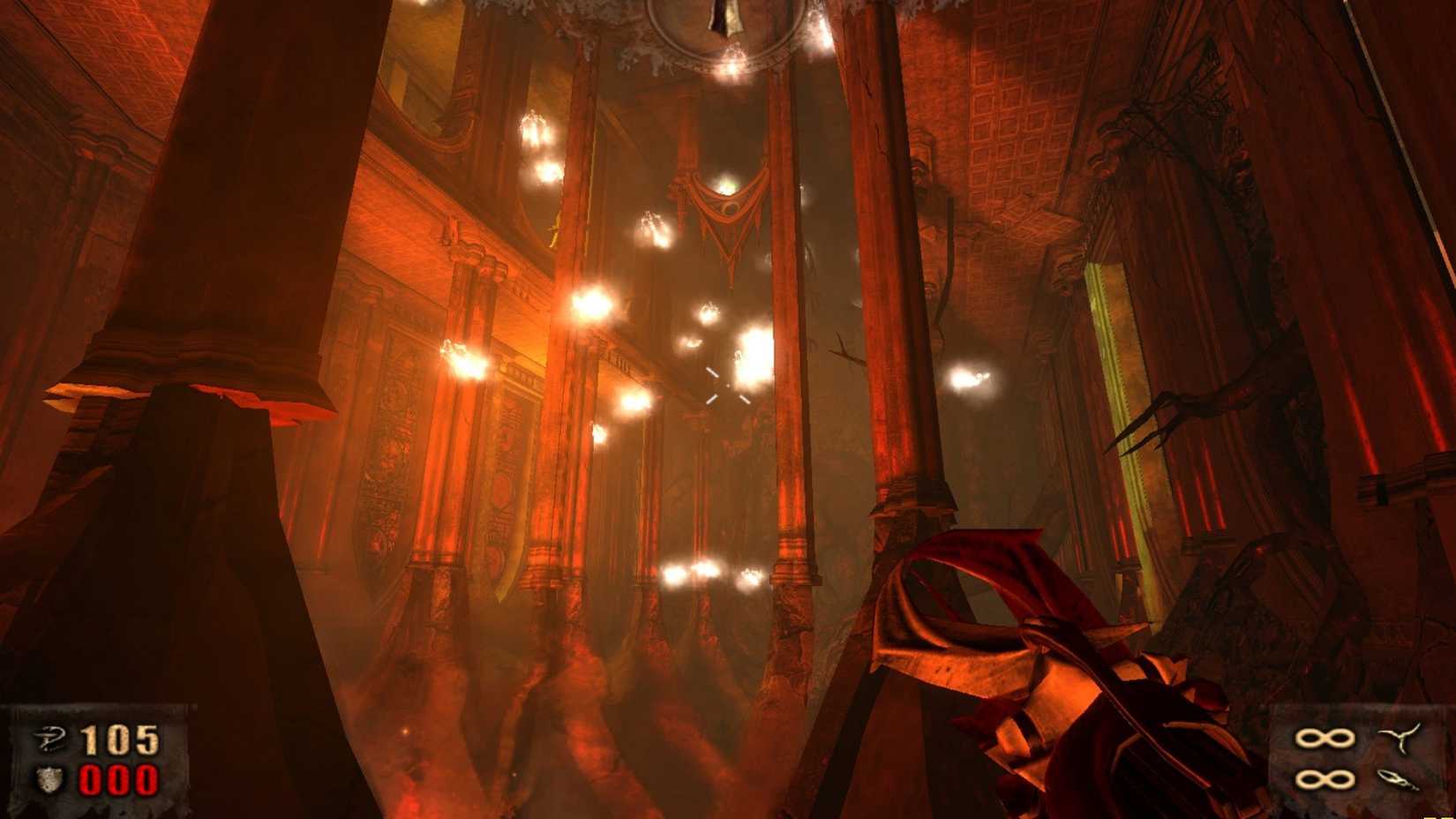
1. Blackwater (2011): A Controversial Contractor’s Calamity
The final entry on this list, Blackwater, released in 2011, is a prime example of a game that should have never left the drawing board. The very inclusion of "Kinect" on its box art should have been a warning sign, but the game’s issues ran far deeper than its peripheral compatibility.
What Were They Thinking?! Blackwater attempted to be an FPS that heavily relied on motion controls, a concept that, even in its heyday, proved difficult to implement effectively in the genre. The result was an incredibly awkward and imprecise control scheme that made even basic actions a struggle. The game was not only difficult to play but also deeply problematic due to its promotional nature for the controversial private military contractor, Blackwater.
A Promotional Pitfall: The game’s blatant attempt to serve as marketing for a highly criticized organization, coupled with its abysmal gameplay and technical shortcomings, made it a resounding failure. It was a product that seemed to prioritize its agenda over player enjoyment, resulting in a game that was both offensive and fundamentally broken. Blackwater stands as a cautionary tale about the dangers of conflating entertainment with propaganda and the perils of prioritizing controversial themes over sound game design.
Conclusion: Learning from the Low Points
The landscape of video games is littered with ambitious titles that, for one reason or another, failed to reach their potential. The first-person shooter genre, with its demanding technical requirements and diverse player expectations, is particularly susceptible to such missteps. While the games highlighted in this analysis represent some of the worst offenders, their existence serves a valuable purpose. They stand as lessons for developers, reminding them of the importance of solid gameplay mechanics, technical polish, respectful thematic treatment, and a genuine understanding of what makes a game enjoyable. For players, this retrospective serves as a guide to avoid the digital pitfalls and to appreciate the exceptional titles that have truly defined and advanced the FPS genre. The journey of the FPS is ongoing, and while we celebrate its triumphs, we must also acknowledge and learn from its failures.

 Lina Irawan
 Sagoh
Sagoh