

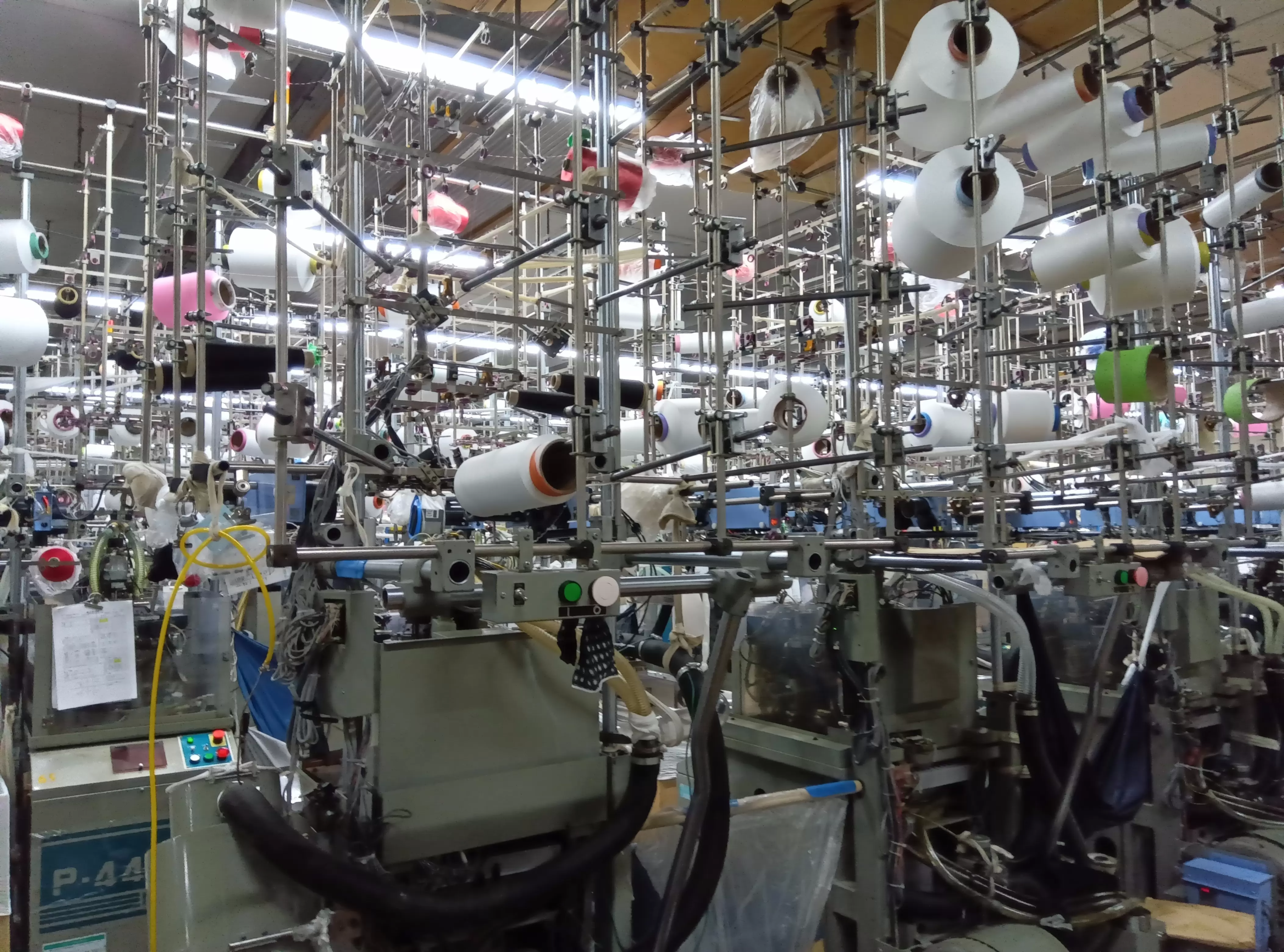
In the heart of Osaka’s Senshu region, a stone’s throw from the bustling international gateway of Kansai International Airport, stands a testament to Japanese industrial tenacity. A factory, founded in 1930, has spent nearly a century defying the conventional life cycle of corporate entities. While most businesses struggle to maintain relevance across decades, this enterprise has navigated the turbulent waters of the 20th and 21st centuries by adhering to a singular, radical philosophy: "No single business lasts more than 20 years."
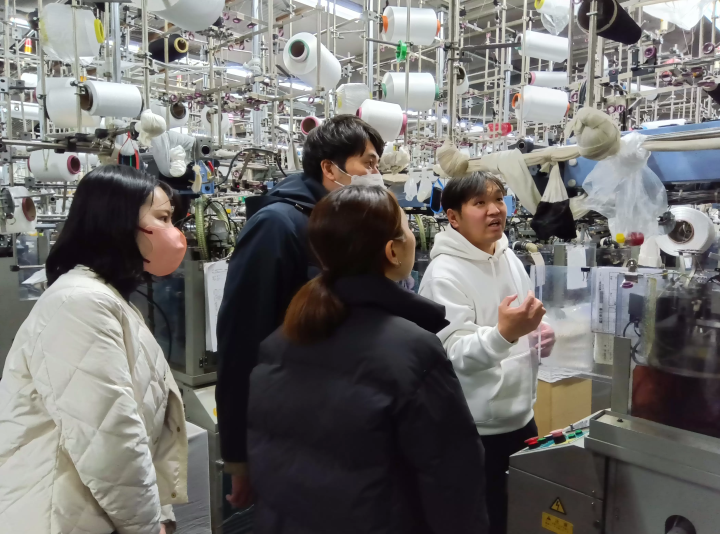
Today, this company opens its doors to a rare, behind-the-scenes factory tour, offering international travelers, corporate executives, and students an immersive look at how a century-old manufacturer remains at the cutting edge of innovation.
The Chronology of Evolution: From Ketchup to High-Tech Filtration
The longevity of this Osaka-based manufacturer is not the result of static perfection, but rather a deliberate, calculated cycle of transformation. The company’s history is a roadmap of Japanese economic shifts, reflecting the country’s broader transition from post-war survival to high-tech manufacturing dominance.
- 1930s: The Foundation. The business began with the production of ketchup, a necessity of the era’s shifting dietary habits.
- Mid-20th Century: Diversification. As consumer needs evolved, the firm expanded into canned goods manufacturing, a sector that provided stability during Japan’s rapid industrialization.
- The Shift to Textiles. Sensing a change in market demand, the company pivoted to blanket production and subsequently established a foothold in the competitive stocking industry.
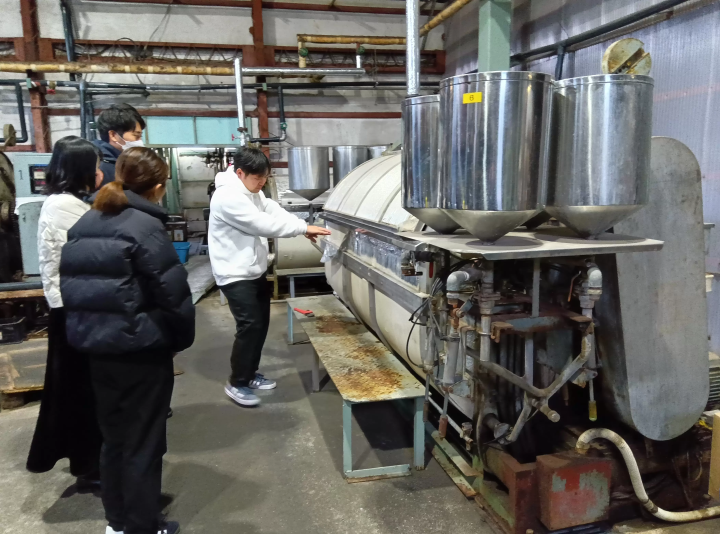
- Modern Era: Industrial Specialization. In recent years, the company successfully leveraged its mastery of fine-mesh knitting to enter the industrial filtration sector, while simultaneously managing a robust real estate portfolio.
This trajectory is not merely a list of products; it is a manifestation of the "20-year rule." By acknowledging that market demand shifts every 15 to 20 years, the company prevents stagnation, forcing itself to reinvent its core competencies long before the market demands it.
Supporting Data: Precision Engineering in Practice
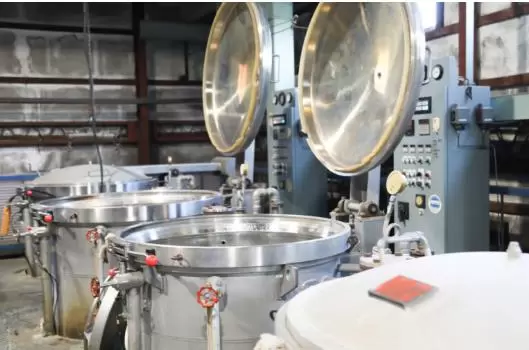
The factory floor serves as a living laboratory for this philosophy. The tour provides an exhaustive look at how traditional textile expertise has been upscaled into high-performance industrial applications.
The Knitting Process
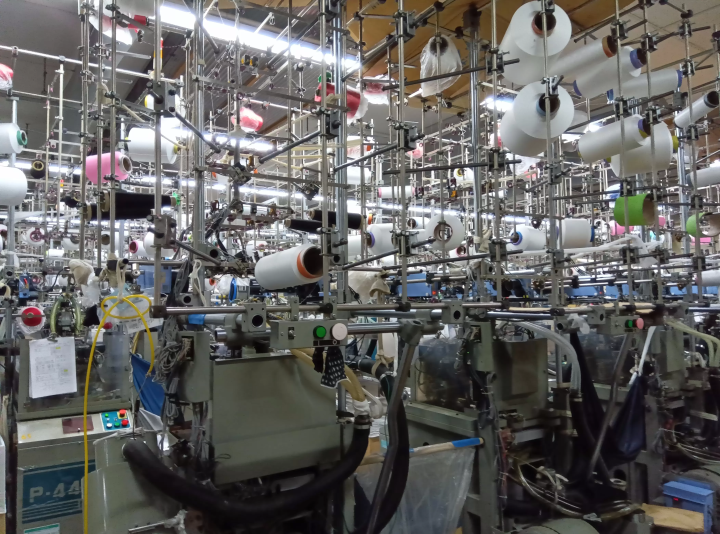
The production of stockings is a masterclass in controlled precision. Operating 24 hours a day, the facility maintains a constant climate—27°C in summer and 24°C in winter—with humidity stabilized at 63%. These precise conditions are critical for the handling of polyurethane and nylon, materials chosen for their specific elasticity and durability. Machines equipped with 320 to 474 needles weave the fabric, creating a seamless transition from the waist to the toe.
The Technological Leap: From Fashion to Filtration
The most compelling aspect of the tour is witnessing how the company applied its knitting technology to industrial filtration. Unlike firms that act merely as intermediaries, this company receives direct orders from major manufacturers. They manage the entire lifecycle of a product: from the initial prototype design to mass production. This agility is only possible because the company views technology as a portable asset, capable of being applied to any field where precision mesh is required.
Quality Control: A Dual-Layer Approach
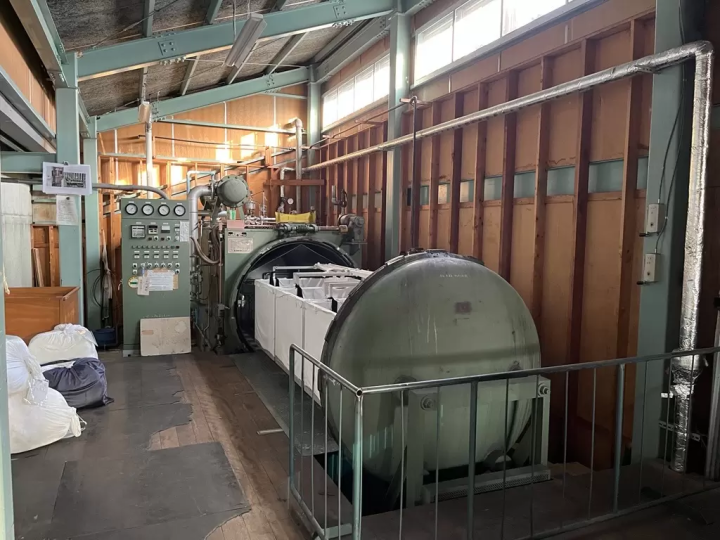
While most manufacturers perform quality inspections at the end of the line, this facility integrates a secondary inspection point midway through the production process. This "Double-Gate" protocol ensures that any defects in the knitting or dyeing stages are identified immediately, reducing waste and ensuring the reliability required by high-end industrial clients.
Official Insights: The Executive Briefing
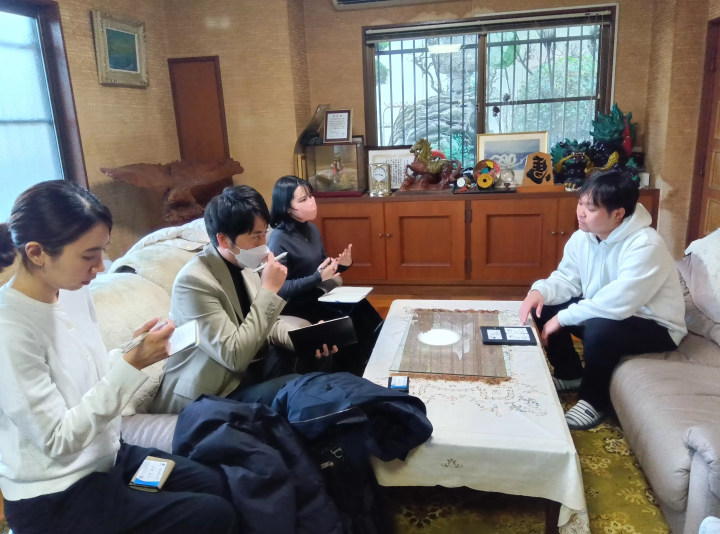
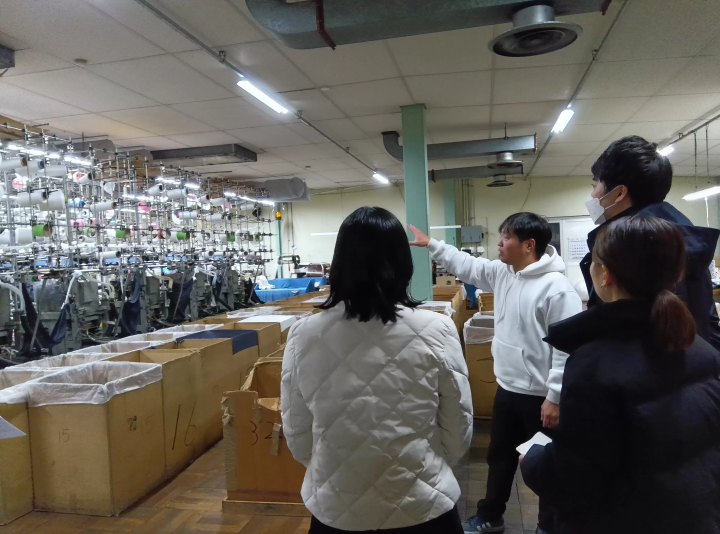
A standout feature of the tour is the executive briefing. Instead of a standard PR presentation, participants engage directly with company leadership. These sessions offer a candid look at the strategic decision-making and risk management processes that sustain a company for 100 years.
"Technology can be leveraged in new ways in entirely different fields," one executive explains. "What matters is identifying where it is needed. As demand changes, so must the applications and value of that technology."
This mindset—treating the company as a "transformation engine" rather than a product manufacturer—is the primary lesson for visiting corporate groups. It challenges the traditional business model of sticking to one’s knitting (metaphorically) and instead encourages a proactive exploration of new, high-growth markets.
Implications for Global Business and Education
The significance of this factory tour extends beyond the borders of Osaka. For the international traveler, it offers a glimpse into the "hidden Japan"—the robust, family-run, or mid-sized enterprises (often referred to as chushokigyo) that form the bedrock of the Japanese economy.
For Corporate Training
For businesses looking to foster a culture of innovation, the tour provides a practical case study in change management. It demonstrates that long-term success is not about defending a market share, but about the willingness to abandon outdated business models to pursue new opportunities.
For Academic Institutions
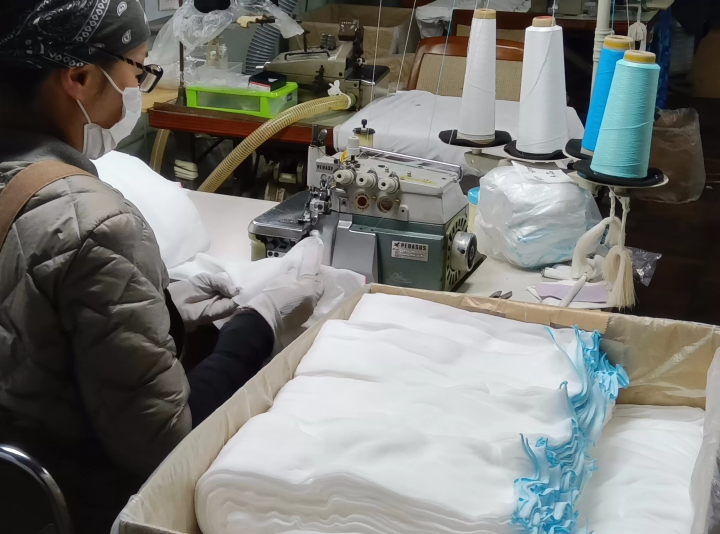
Students of engineering and business strategy can observe the intersection of robotics and traditional craftsmanship. The sewing stage, where automated systems work alongside skilled human operators, provides a perfect microcosm of Industry 4.0 in a real-world setting.
Planning Your Visit: Practical Information
Located in the Senshu region, the factory is easily accessible for those visiting via Kansai International Airport. As part of a larger initiative to promote industrial tourism in the South Osaka and Wakayama regions, this program is supported by the Nankai Group, which provides comprehensive MICE (Meetings, Incentives, Conferences, and Exhibitions) support for international visitors.
Tour Details
- Program Content: Executive briefing followed by a comprehensive factory floor tour covering both textile and industrial filtration processes.
- Price: ¥63,300 (tax included).
- Group Size: Small and exclusive, limited to 2–10 participants to ensure high-quality interaction.
- Duration: 60 to 90 minutes.
- Booking Requirement: Reservations must be made at least two weeks in advance.
How to Book
Interested parties should visit the official inquiry form to register their interest. Once submitted, a representative from the industrial tourism department will respond within three business days. Support is available in Japanese, English, and Chinese, reflecting the company’s commitment to engaging with the global market.
Conclusion: The Legacy of Transformation
As we look toward the future, the lessons provided by this 100-year-old factory remain more relevant than ever. In an age of rapid disruption, the ability to evolve is the only true competitive advantage. By visiting this facility, guests do not just see how a pair of stockings or an industrial filter is made; they witness the architecture of a resilient organization.
Whether you are a corporate leader seeking to pivot your strategy, a student of industrial design, or a curious traveler looking to understand the mechanics of Japanese excellence, this tour offers a rare, intellectual, and sensory experience. It is a reminder that while the world changes, those who possess the power of continuous transformation will always find a way to thrive.












No comments yet. Be the first to join the conversation!