

By Callum Mercer, Senior Editor
Updated: April 23, 2026
The landscape of the 2026 Esports Nations Cup (ENC) is shifting beneath the feet of the UK national team. As the tournament moves closer to its inaugural matches, the roster-building process for the UK squad has hit a significant, high-profile snag. Marc Robert "Caedrel" Lamont, the former professional League of Legends player turned global broadcast sensation, has formally declined an invitation to represent the United Kingdom in the mid-lane.
The revelation, confirmed by UK team manager Jeff Simpkins and first reported by Sheep Esports, highlights the complex reality of managing national-level esports rosters. In an era where the line between content creation and competitive play has blurred, the pursuit of "star power" often clashes with the pragmatic requirements of professional training, leaving national federations in a precarious position as they attempt to balance public appeal with on-server synergy.
The Core Facts: A Declined Offer and an Unresolved Roster
The news of Caedrel’s refusal is more than just a footnote in the lead-up to the ENC; it serves as a litmus test for the UK’s competitive strategy. According to reports, the approach made to the 29-year-old was direct and reflected a clear ambition from the team’s management to secure a centerpiece for their lineup.
"We offered Caedrel mid lane but he declined," stated Jeff Simpkins. This confirmation settles the speculation regarding whether there had been a formal overture. For the UK team, the refusal necessitates an immediate pivot. The mid-lane position is arguably the most critical role in the modern competitive meta, serving as the bridge between jungle pressure and side-lane influence.
With Caedrel, one of the most recognizable faces in the European League of Legends ecosystem, out of the running, the UK’s selection committee is now forced to look deeper into the regional pool. The urgency of this search is compounded by the fact that the ENC is not a tournament that allows for long-term roster development; the compressed nature of the event means that chemistry must be established almost instantaneously upon the announcement of the final squad.
A Chronology of the UK’s ENC Build-Up
The road to the 2026 Esports Nations Cup has been defined by a rapid, often frantic, mobilization of national talent.
- Early April 2026: The official game lineup for the Esports Nations Cup was announced, sparking immediate discourse within the UK esports community regarding player eligibility and the feasibility of a competitive national squad.
- Mid-April 2026: As the tournament structure began to solidify, the UK national team moved to identify "anchor" players—individuals who bring both mechanical skill and the leadership qualities necessary for a short-term project.
- April 20, 2026: Internal discussions within the UK management team reached a peak, with a formal offer extended to Caedrel.
- April 22, 2026: Following internal consideration and discussions regarding the time commitment required for bootcamps and intensive practice, the offer was declined.
- April 23, 2026: The news becomes public, coinciding with the scheduled announcement of the team’s head coach.
This timeline illustrates the high-stakes nature of the selection process. The UK team is attempting to build a program from the ground up while simultaneously navigating the personal schedules of players who have largely moved away from full-time professional play.

Supporting Data: Why Caedrel Was the Ideal Candidate
To understand the gravity of this refusal, one must look at what Caedrel represents. At 29, he occupies a unique space in the industry. As a former professional player with extensive experience in the LEC (League of Legends European Championship), he possesses a deep, nuanced understanding of macro-play, champion pools, and the mental fortitude required for high-stakes competition.
However, his value transcends his mechanical output. In a tournament setting like the ENC—which relies heavily on national identity and audience engagement—Caedrel provides an unparalleled platform. His current career as an elite broadcaster and co-streamer means he is constantly tapped into the evolving meta. He is not merely a "retired pro"; he is an active student of the game who understands exactly how the top-tier of Europe plays.
The "Content vs. Competition" Dilemma
A recurring theme in national esports is the tension between selecting a "superstar" for promotional purposes and selecting a "grinder" for structural consistency.
- The Case for the Star: Bringing in someone like Caedrel guarantees viewership, attracts sponsors, and bolsters the pride of the domestic fanbase.
- The Reality of the Schedule: The ENC requires rigorous bootcamps. For someone with a thriving broadcasting career, the opportunity cost of dedicating weeks to a national team—potentially at the expense of his own channels and contractual obligations—is immense.
Sources close to the situation suggest that it was exactly this conflict of time and focus that led to the decline. The commitment required to compete at a level that would satisfy a player of his caliber is vastly different from the casual participation some might expect from a national tournament.
Official Responses and Strategic Implications
Jeff Simpkins’ transparency regarding the offer has been welcomed by analysts, as it provides clarity in an otherwise opaque selection phase. However, the lack of an immediate "Plan B" suggests that the management team had high hopes for a successful negotiation with Caedrel.
The broader implication is that the UK team may be struggling to attract the "tier-one" talent that is currently engaged in full-time LEC or ERL (European Regional League) play. If the UK is forced to rely on a roster of retired professionals or high-ranked streamers, they must find a way to manufacture the synergy that comes naturally to full-time rosters.
Furthermore, this situation serves as a signal to other nations participating in the ENC. As the tournament continues to emphasize a "country-vs-country" narrative, the pressure on managers to secure high-profile names will only increase. The Morocco team’s recent acquisition of Memento for their ENC 2026 squad demonstrates that other regions are successfully navigating these waters by leveraging the appeal of veteran experience. The UK, by comparison, now finds itself playing catch-up.
The Road Ahead: The Mid-Lane Vacuum
As of April 23, 2026, the mid-lane remains the "missing piece" of the UK’s puzzle. With the head coach announcement imminent, the pressure is on the leadership to select a candidate who can satisfy both the tactical requirements of the coaching staff and the expectations of the public.
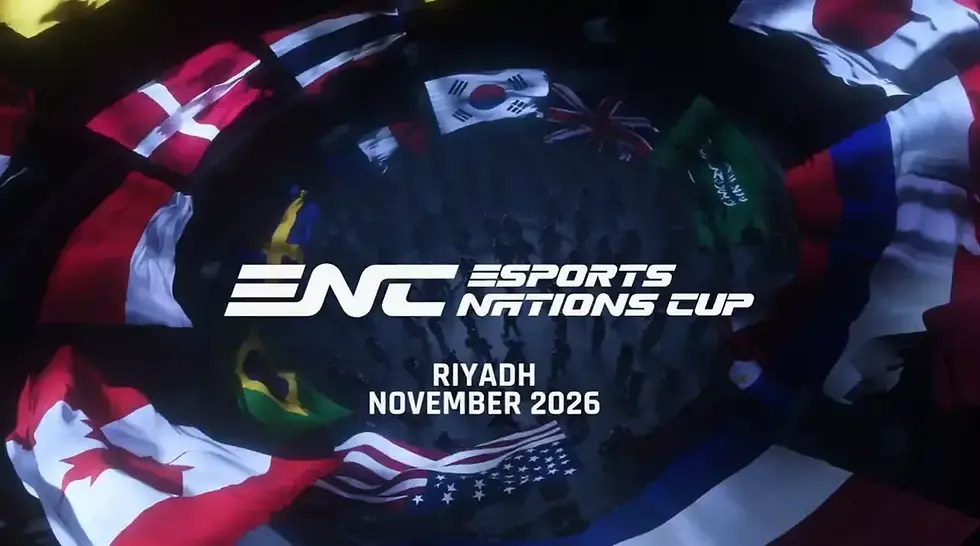
If the chosen mid-laner is a relative unknown or a player lacking in top-tier experience, the narrative will inevitably pivot to the "what if" of the Caedrel situation. Conversely, if the team manages to find a hidden gem—a player with the mechanical ceiling to compete with the likes of France, Spain, or Germany—the story of the "missed opportunity" will quickly be replaced by the excitement of a new underdog narrative.
The ENC 2026 is, at its heart, an experiment in whether national pride can drive a new wave of competitive interest in League of Legends. The UK’s journey so far has been messy, public, and high-stakes. But in the world of esports, these are the moments that define a team’s character. Whether the UK succeeds or falters, the search for their mid-laner has already become one of the defining stories of the tournament.
As we await the full roster reveal, one thing is certain: the eyes of the UK esports community are fixed firmly on the mid-lane, waiting to see who will step into the void and carry the weight of the national flag. The tournament is fast approaching, and in the unforgiving arena of competitive League, there is no time left for second-guessing.










No comments yet. Be the first to join the conversation!