

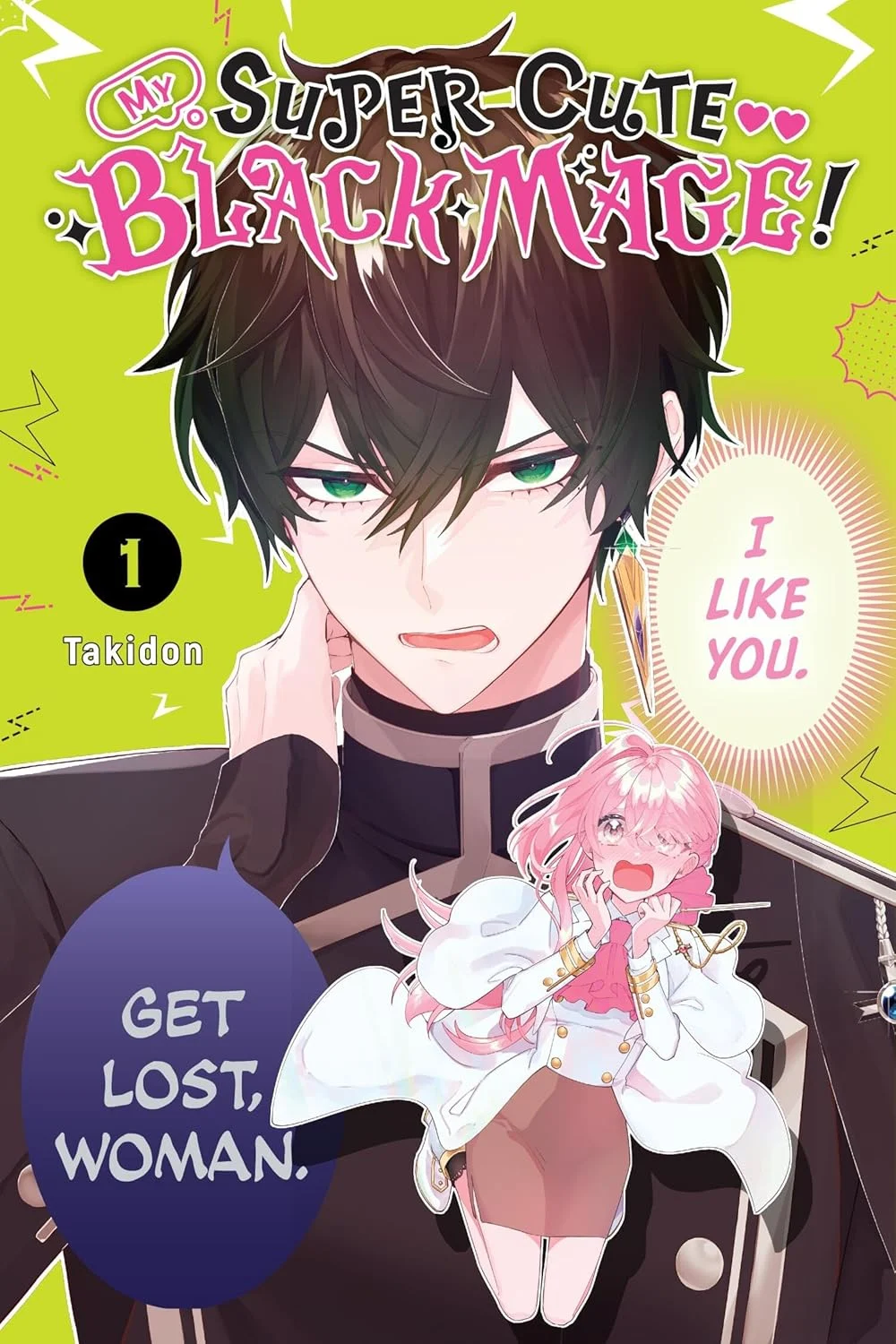
In the vast landscape of shojo manga, the "tsundere"—a character who is initially cold, hostile, or dismissive before eventually revealing a warm, affectionate interior—is a cornerstone trope. While it has fueled countless iconic romances, it can often lead to narrative fatigue. Readers frequently find themselves frustrated by the prolonged denial and the unnecessary emotional friction required to sustain the character’s prickly exterior. However, Takidon’s My Super-Cute Black Mage, a recent acquisition by Yen Press, introduces a ingenious mechanical twist that fundamentally alters the dynamic of the traditional romantic comedy. By granting the heroine the ability to read the male lead’s mind upon physical contact, the series bypasses the common pitfalls of the genre, replacing repetitive misunderstandings with immediate, comedic, and heartwarming transparency.
Main Facts: The Premise and the Players
At the heart of the narrative is the Hardi-Quartz Academy, a magical institution where students hone their supernatural abilities. The story follows Aria, a diligent third-year student prefect, and Jade, a first-year student descended from a lineage of infamous, villainous black mages.
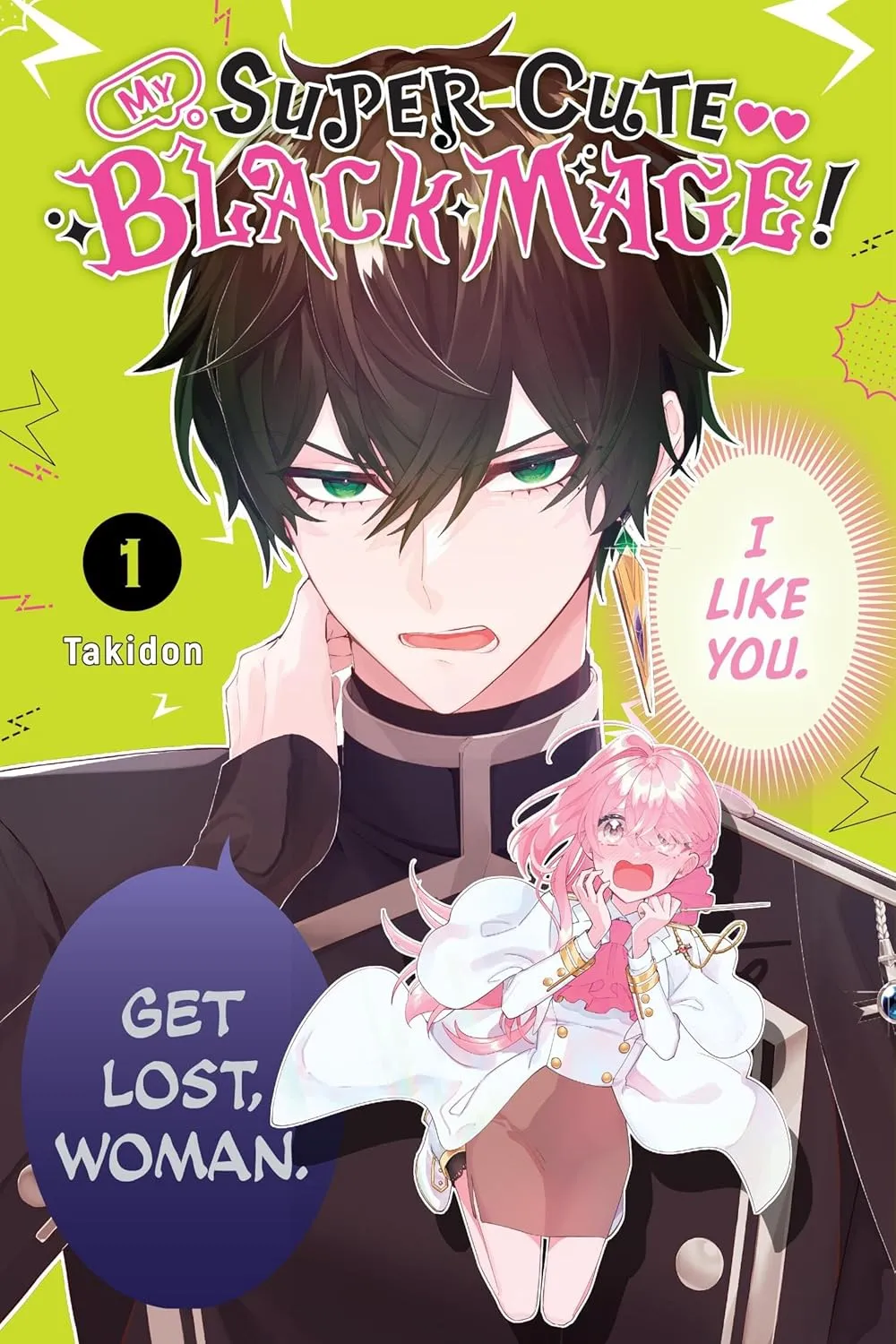
The primary conflict is established within the opening pages: Jade is openly, almost performatively, hostile toward Aria. He utilizes his reputation as a "black mage" to maintain distance, frequently insulting her and making overt threats. To an outside observer, Jade is a walking grievance. However, the narrative’s "gimmick"—Aria’s inherited psychic ability—reveals the truth. When Aria makes physical contact with Jade, she hears his inner monologue. The contrast is stark: while he berates her as a "stubborn hag," his internal thoughts betray his true feelings: "You’re so cute."
This revelation immediately reframes the reader’s engagement with the characters. We are not waiting for a "reveal" that happens in the final volume; we are invited into the irony of the situation from the very beginning.
Chronology of the Narrative Development
The progression of My Super-Cute Black Mage follows a deliberate pace that balances world-building with character growth.
The Awakening of the Gift
Early in the first volume, Aria’s connection to her lineage is clarified. Her mother had long hinted that their family possessed latent psychic abilities, a claim Aria had dismissed as maternal teasing. The realization that these powers are real coincides with her initial, forced interaction with Jade. By dragging him back to class, the physical contact triggers her ability, and the facade of the "villainous" student begins to crack in the eyes of the audience.

Establishing the Dynamic
The middle chapters of the first volume are dedicated to establishing the rhythm of their relationship. The reader observes the cycle of Jade’s outward antagonism followed by his inward affection. Takidon utilizes this to great comedic effect. For instance, when Jade bumps into Aria in the hallway, his verbal reaction is a biting remark intended to belittle her. Yet, the telepathic reveal shows that he was actually shielding her from a hazardous plant. This establishes that Jade’s "tsundere" behavior is not just a personality quirk, but a defensive mechanism against a world that fears his heritage.
The Escalation of Stakes
As the volume progresses, the stakes shift from simple school-life comedy to genuine concern. The stigma surrounding black mages creates a hostile environment for Jade. Other students, unaware of his inner kindness, view his hostility as confirmation of his dark nature. This social pressure, combined with the inherent dangers of their magical curriculum, forces a shift in the narrative. The climax of the first volume introduces a significant threat that tests both the strength of their bond and the limits of their magical capabilities.
Supporting Data: Why This Gimmick Works
The effectiveness of this manga lies in its subversion of traditional shojo mechanics. In standard narratives, the "tsundere" trope relies on the "misunderstanding" as a narrative engine. By removing the mystery of the male lead’s feelings, Takidon creates a new engine: "The Irony of Disclosure."
- Immediate Empathy: By revealing Jade’s thoughts early, the reader is prevented from disliking the character. Even when he is being rude, the reader knows he is acting out of insecurity or a desire to protect others from his own "cursed" lineage.
- Accelerated Character Development: Because Aria knows the truth, her reactions to Jade are more mature than a typical protagonist. She doesn’t spend time wondering if he hates her; she spends time trying to understand why he feels he must act that way.
- Humorous Juxtaposition: The comedy is derived from the gap between the character’s intent and his expression. This is a classic comedic device, but it is rarely applied to the romantic lead in a shojo setting with such consistency.
Official Responses and Industry Context
Yen Press, the publisher responsible for bringing My Super-Cute Black Mage to North American and European audiences, has positioned the series as a fresh take on the magical school subgenre. Industry critics have noted that the manga fits into a growing trend of "deconstructionist" shojo—series that acknowledge the tropes of the past while providing a modern, more satisfying delivery.
The series has been praised for its art style, which captures both the menacing "black mage" aesthetic and the softer, more vulnerable moments of the characters’ inner lives. Takidon’s ability to transition from high-tension magical sequences to lighthearted, character-driven comedy is cited as a major factor in the series’ early success.
Implications for the Future of the Genre
The success of My Super-Cute Black Mage raises interesting questions about the future of romantic manga. Does the "secret identity" or "hidden feelings" trope still hold weight in an era where readers prefer directness?
Shifting Reader Expectations
Modern audiences, particularly those consuming manga via digital platforms and social media, tend to prefer narratives that reward their investment quickly. The "slow burn" is still popular, but it must be earned through character chemistry rather than simple withholding of information. My Super-Cute Black Mage suggests that if a trope is going to be used, it should be used with a twist that adds, rather than detracts, from the story.
The Longevity of the Series
With the second volume scheduled for release on September 22, 2026, the industry is watching to see how the series handles the transition from "introduction" to "long-term conflict." The challenge for Takidon will be to maintain the "mind-reading" gimmick without it becoming repetitive. As the characters grow closer, the nature of their communication will naturally evolve. If the series can maintain the same level of emotional intelligence shown in its debut, it is likely to remain a staple of the genre.
A New Standard for Magical Romances
The integration of magical world-building with interpersonal dynamics is a delicate balancing act. Many series fail because the magic system overshadows the romance, or vice versa. My Super-Cute Black Mage manages to anchor the high-concept magic of the Hardi-Quartz Academy to the low-stakes, high-emotion reality of a developing crush. It proves that a "gimmick" is not a crutch, but a bridge to deeper character exploration.
Conclusion
My Super-Cute Black Mage serves as a poignant reminder that even the most well-worn narrative devices can be revitalized with a sharp, creative twist. By placing the reader—and the heroine—in the position of the omniscient observer, Takidon transforms a potentially irritating character type into one that is deeply sympathetic.
For fans of the genre, the series offers a satisfying blend of lighthearted humor, magical adventure, and genuine, heartfelt connection. As Jade and Aria navigate the prejudices of their academy and the complications of their own growing feelings, the readers are left with a compelling reason to keep turning the pages: the genuine desire to see a misunderstood character finally find the acceptance he has been silently, and quite clumsily, craving all along. As the release of the second volume approaches, the anticipation centers on whether the series can continue to balance its humor with the darker undertones of its world-building, setting a new benchmark for what modern shojo can achieve.












No comments yet. Be the first to join the conversation!