

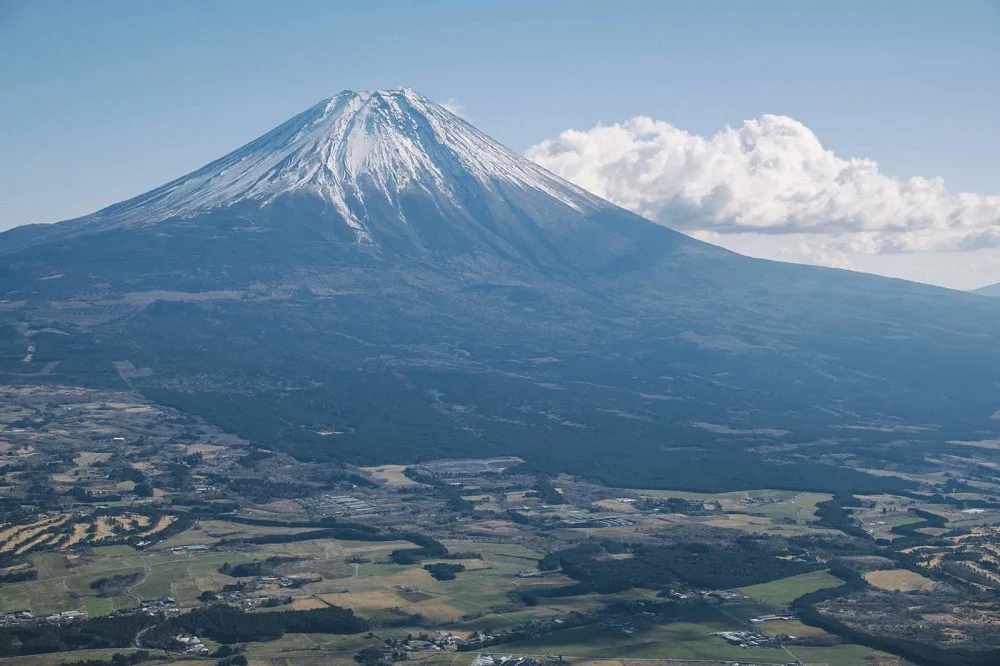
Introduction: A Mountain’s Forbidden Window
Mt. Fuji, Japan’s iconic symbol and a UNESCO World Heritage site, commands respect from all who gaze upon its snow-capped peak. Yet, for a significant number of adventurers, that respect is increasingly overshadowed by a reckless sense of entitlement. While the official climbing season—a carefully managed window designed for safety and environmental preservation—runs from early July to early September, a recurring crisis persists: hikers who refuse to wait.
These "off-season" trekkers, often ill-equipped and unprepared for the volatile conditions of the mountain’s higher altitudes, are turning a sacred pilgrimage into a logistical and humanitarian nightmare. Recently, the mayor of Fujinomiya, Hidetada Sudo, reached a breaking point, publicly condemning the selfish behavior of those who treat the mountain as an open playground, regardless of the lethal risks involved.
The Chronology of Recklessness
The problem of off-season climbing is not a new phenomenon, but it is one that has seen a distressing uptick in frequency and severity.
A Pattern of Disregard
The climbing season is established by local authorities based on snow melt, weather patterns, and the availability of emergency services. When these boundaries are ignored, the mountain—which can shift from clear skies to a life-threatening blizzard in minutes—becomes a death trap.
- March 2026: A harrowing rescue operation occurred during a nighttime snowstorm. Footage captured by local responders showed the extreme measures required to transport an injured hiker down the mountain via a rescue sled, through treacherous, icy terrain that put the lives of the rescuers themselves at extreme risk.
- May 2026: A Chinese tourist ignored trail closures and attempted to navigate the Fujinomiya Trail. He suffered a fall on an embankment, resulting in injuries to his hand and leg. The incident required an emergency ambulance dispatch, diverting vital city resources to rectify a situation that should never have occurred.
- May 2025: Mayor Sudo first went on the record with a blistering critique of off-season hikers, signaling that the city’s patience had evaporated. His comments in 2026 suggest that despite his previous warnings, the behavior of tourists and local enthusiasts has failed to improve.
The Weight of Responsibility: Mayor Sudo’s Stance
During a press conference held on May 11, 2026, Mayor Hidetada Sudo did not mince words. Addressing the media, he argued that the mentality of "If I need to be rescued, someone will come save me" is not just naive—it is inherently cruel.
"Unbearably Infuriating"
Mayor Sudo’s primary concern lies with the rescue workers—often volunteers or underpaid municipal staff—who are forced to risk their lives to save those who knowingly broke the law. "If rescue workers themselves are injured during these operations, it is unbearably infuriating for their families and supervisors," Sudo stated.
The Mayor’s argument is rooted in a fundamental shift of perspective. He is calling for hikers to recognize that their personal "adventure" has a ripple effect. When a hiker becomes immobilized on the slopes of Mt. Fuji, the entire regional infrastructure is strained. Ambulances are pulled from city duty, professional mountaineering rescue teams are deployed in sub-zero conditions, and the lives of those attempting the rescue are placed in direct jeopardy.
Supporting Data and The Reality of the Mountain
Mt. Fuji is not a beginner’s hiking path; it is an active volcano with high-altitude risks, including hypoxia, sudden temperature drops, and rockfalls.
The Environmental and Physical Hazards
- Meteorological Instability: During the off-season, temperatures at the summit often plummet far below freezing. Snow and ice cover the paths, turning a simple hike into a technical mountaineering task requiring crampons and ice axes—gear most casual tourists lack.
- Infrastructure Shutdown: The huts and emergency outposts that dot the official trails are closed during the off-season. There is no shelter, no first-aid support, and no communication hub for those who find themselves stranded.
- Rescue Logistics: A rescue on Mt. Fuji often requires a multi-agency approach involving police, local fire departments, and specialized mountain rescue squads. The cost of a single helicopter dispatch or a large-scale manual carry-out can run into the thousands of dollars, costs currently absorbed by taxpayers.
Public Sentiment and the Demand for Accountability
The Mayor’s frustration is mirrored by a growing segment of the Japanese public. Online discussions regarding these incidents have become increasingly polarized, with many citizens advocating for harsh penalties.
The "Cost of Rescue" Debate
A common refrain among online commenters is that the privilege of being rescued should be contingent upon financial accountability. Suggestions range from charging exorbitant rescue fees to making the act of trespassing on closed trails a criminal offense punishable by arrest.
- Financial Liability: Many argue that if a hiker chooses to ignore signage, they must sign a waiver or face a "rescue invoice" that covers the full cost of the operation, including the hourly wages of rescuers and equipment wear-and-tear.
- Legal Consequences: There is a growing call to elevate the status of these violations from a simple "warning" to an "arrestable offense," ensuring that repeat offenders face jail time or significant fines, rather than just a stern lecture.
The public sentiment is clear: the era of lenient tolerance is coming to an end. The Japanese public views the mountain not just as a natural resource, but as a cultural icon that demands respect—a respect that these off-season hikers are perceived to be violating.
Implications for Future Policy
As the 2026 climbing season approaches, the pressure on municipal governments surrounding Mt. Fuji is mounting. The current system of "warnings" is clearly insufficient to deter thrill-seekers.
Potential Policy Shifts
- Stricter Enforcement: We may soon see increased police patrols at the trailheads, with the authority to issue immediate citations or force hikers to turn back.
- Financial Bonding: Some policymakers have discussed the potential for "mountain insurance" or mandatory rescue bonds for anyone attempting to access the mountain near the shoulder seasons.
- Public Awareness Campaigns: While signage exists, the effectiveness of digital outreach and international education is being re-evaluated. Tourists arriving from abroad may not realize the severity of the mountain’s off-season conditions, and authorities are looking into mandatory briefings or digital registration systems.
Conclusion: A Call for Maturity
Mayor Sudo’s remarks serve as a sobering reminder that our individual actions are never truly isolated. In the vast, unforgiving landscape of Mt. Fuji, the decision to ignore a "Closed" sign is not merely a matter of personal risk. It is a decision that implicates the safety of first responders and the resources of the entire community.
As the calendar moves toward the official opening of the trails in early July, the hope is that visitors will finally heed the message. True mountaineering is not defined by the ability to climb a mountain, but by the wisdom to know when to stay home. Until that lesson is internalized, the mountain will remain a site of unnecessary tragedy, and the Mayor of Fujinomiya will continue to be the voice of a community that has had enough.
The mountain will always be there; for some, the tragedy is that they refuse to wait for it to welcome them safely.











No comments yet. Be the first to join the conversation!