

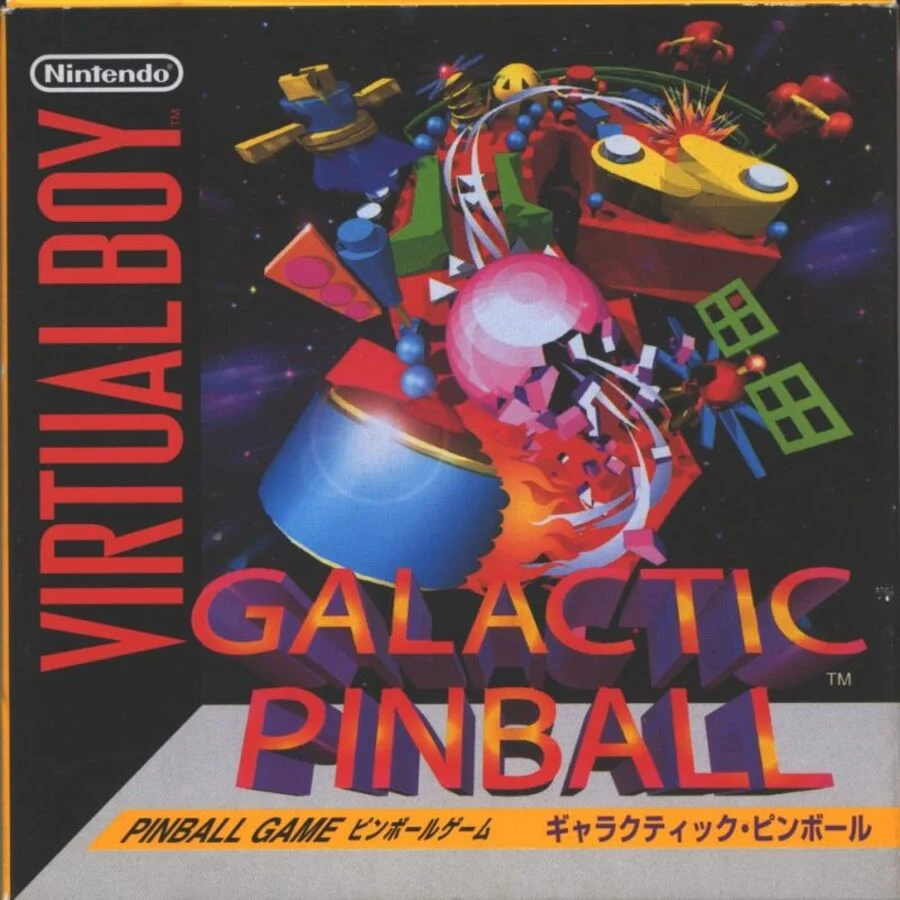
The Nintendo Switch Online Virtual Boy collection continues to expand, reigniting nostalgia for a console that defied convention. This week, "Box Art Brawl" ventures into the red-and-black abyss of the Virtual Boy, pitting two regional covers for the unique pinball simulation, Galactic Pinball, against each other in a bid for digital supremacy.
The landscape of video game box art is a fascinating microcosm of regional tastes, marketing strategies, and artistic interpretations. For decades, enthusiasts have debated the merits of different cover designs, and the advent of digital collections has provided a new platform for these timeless discussions. As Nintendo continues to bolster its Nintendo Switch Online service with offerings from its extensive back catalog, the Virtual Boy library, a polarizing yet undeniably distinctive chapter in Nintendo’s history, has seen a recent influx of new titles. This expansion provides the perfect opportunity to revisit iconic games and, as is tradition with "Box Art Brawl," scrutinize their visual presentation.
This week, our gaze is fixed on Galactic Pinball, a title that sought to bring the visceral thrill of a pinball arcade into the nascent era of stereoscopic 3D gaming. While the Virtual Boy itself garnered a reputation for its unique visual style and, for some, its tendency to induce headaches, its games often possessed a distinct charm. Galactic Pinball is no exception, offering a surprisingly deep and engaging pinball experience that transcended its hardware limitations. However, before we delve into the intricacies of its gameplay, or the curious phenomenon of its red-and-black aesthetic, we must first confront the visual battleground of its box art.
The Legacy of Virtual Boy and the Case of Galactic Pinball
The Virtual Boy, launched in 1995, was an ambitious, if ultimately commercially unsuccessful, experiment by Nintendo. Positioned as a "personal gaming system," it eschewed the traditional television display for a head-mounted unit that projected stereoscopic 3D images. This bold technological leap, coupled with its distinctive monochrome red-and-black color palette, made it a truly singular console. Despite its market struggles, the Virtual Boy has cultivated a dedicated cult following over the years, with players appreciating its unique games and the distinctive visual experience they offered. The recent addition of several Virtual Boy titles to the Nintendo Switch Online service has breathed new life into these retro gems, allowing a new generation of gamers to experience them, and providing a fresh lens through which to examine their original presentation.

Galactic Pinball stands as a testament to the Virtual Boy’s potential. It was not merely a digital facsimile of a pinball machine; it was a meticulously crafted simulation that leveraged the console’s stereoscopic capabilities to create a sense of depth and immersion. The game featured multiple tables, each with its own unique theme and mechanics, offering a surprisingly rich and replayable experience. However, like many Virtual Boy titles, its release was limited, and its box art was subject to regional variations, reflecting differing marketing approaches and aesthetic sensibilities across key territories.
A Look Back: Bubsy’s Triumph and the Shadow of the Furred Kind
Before we plunge headfirst into the cosmic chaos of Galactic Pinball, it’s customary to acknowledge the victor of our previous "Box Art Brawl." Last week’s contest saw the covers for Bubsy in Claws Encounters of the Furred Kind vie for dominance. The outcome was a clear endorsement of the North American design, which garnered an impressive 44% of the vote. This victory signifies a strong preference for the vibrant and dynamic presentation that characterized many Western game covers of the era. Japan’s entry, a respectable contender, secured a solid second place with 37% of the vote, demonstrating a distinct artistic approach that resonated with a significant portion of our audience. Europe’s offering, while appreciated, trailed behind with 18%, highlighting the diverse visual landscapes that games presented across different markets.
This historical context is crucial as we shift our focus to Galactic Pinball. The Virtual Boy’s limited global reach meant that its box art, much like the game itself, often existed in a more niche sphere. The absence of a European design for Galactic Pinball this week underscores the console’s more targeted release strategy. Therefore, our "Box Art Brawl" will focus on the two primary contenders: North America and Japan.
The Contenders: A Clash of Cosmic Aesthetics
As we prepare to launch our Virtual Boy pinball escapade, let’s introduce the two contenders vying for your approval. These regional variations of Galactic Pinball‘s box art offer distinct visual interpretations of the game’s core concept.

North America: A Colorful, Yet Subtle, Arcade Echo
The North American cover for Galactic Pinball presents a vibrant, if somewhat understated, visual narrative. It certainly leans into the "colorful" and "bright" aspects, aiming to capture attention on store shelves. We see elements that undeniably suggest pinball – a bumper, a rail – hinting at the gameplay within. However, the design faces a peculiar challenge: the most iconic and recognizable elements of pinball are somewhat obscured. The Virtual Boy’s distinctive logo looms large, a necessary but visually dominant element that can detract from the game’s specific imagery.
While the inclusion of pinball paraphernalia is evident, the cover doesn’t quite deliver the immediate, flipper-filled excitement one might anticipate from a game dedicated to the sport. It attempts to balance the inherent visual identity of the Virtual Boy with the thematic elements of pinball. The overall impression is one of pleasantness, a design that is "not too bad on the eye," but perhaps lacks the bold, immediate impact that might have truly set it apart. It’s a competent design, functional in its purpose, but does it truly capture the electrifying essence of virtual pinball?
Japan: The Avant-Garde of the Arcade
In stark contrast, the Japanese cover for Galactic Pinball opts for a far more abstract and visually adventurous approach. It boldly asks the question: "What if Picasso painted a pinball machine?" This is a design that eschews direct representation for a more conceptual and artistic interpretation. The artwork is undeniably "all over the place," a kaleidoscopic explosion of shapes and colors that, while potentially chaotic, is also undeniably captivating.
There is a certain "there’s no denying that it’s interesting to look at" quality to this design. It’s the kind of cover that demands a second glance, inviting viewers to decipher its meaning and appreciate its unique aesthetic. The mid-’90s 3D graphics, often a source of retrospective amusement or critique, are embraced here, lending a distinct charm to the composition. This Japanese cover doesn’t just suggest pinball; it evokes a feeling, an artistic impression of the game’s energetic and perhaps even otherworldly nature. It’s a daring choice, a departure from the more conventional approach, and it begs the question: does artistic ambition trump straightforward representation in the world of box art?

The Vote is Cast: Determining the Virtual Champion
As we have presented the two distinct visual narratives for Galactic Pinball, the power now shifts to you, the discerning audience. Which of these regional box art designs best encapsulates the spirit of this Virtual Boy classic? Does the more straightforward, albeit slightly obscured, North American cover resonate more strongly, or does the audacious, Picasso-esque abstraction of the Japanese design capture your imagination?
Your votes will determine which version of Galactic Pinball‘s box art emerges victorious in this week’s "Box Art Brawl." Consider the impact, the memorability, and the overall artistic merit of each design. Does it effectively communicate the game’s essence? Does it stand the test of time?
Implications and the Enduring Appeal of Retro Artistry
The outcome of this "Box Art Brawl" will not only crown a winner for Galactic Pinball but also contribute to the ongoing dialogue surrounding retro gaming aesthetics. In an era dominated by high-definition graphics and sophisticated art direction, the often-simpler, yet remarkably inventive, box art of past console generations continues to hold a unique appeal. These designs are more than just promotional material; they are historical artifacts that offer insights into the cultural and artistic trends of their time.
The Virtual Boy, with its peculiar visual language, presents a particularly interesting case study. Its red-and-black palette, while a limitation, also fostered a distinct artistic identity. Games released on the platform, and their accompanying box art, had to work within these constraints, often leading to creative solutions that were both functional and visually striking. The contrast between the North American and Japanese covers for Galactic Pinball highlights the diverse approaches taken by Nintendo and its regional partners to present these games to their respective markets.

The continued expansion of the Virtual Boy library on Nintendo Switch Online is a testament to the enduring legacy of this console and its games. As more players discover or rediscover these titles, the appreciation for their original presentation, including their box art, will undoubtedly grow. This "Box Art Brawl" serves as a celebration of that legacy, encouraging a deeper engagement with the visual history of gaming.
Thank you for participating in this week’s "Box Art Brawl." We eagerly await your votes and will return next week with another exciting showdown from the annals of video game history. Until then, keep those virtual pinball flippers ready!











No comments yet. Be the first to join the conversation!