Basiran
By Austin Manchester
Published May 17, 2026, 5:00 PM EDT
Main Facts: Dropout’s Flagship Prepares for Its Grandest Season Yet
Dropout.tv’s flagship improvisational comedy game show, Game Changer, is poised to unleash its eighth season on Monday, May 18, 2026. Billed by its creators as potentially "the biggest and most chaotic yet," the new season arrives amidst a wave of critical acclaim and a dedicated fanbase, eager to witness the latest permutations of host Sam Reich’s famously unpredictable format. What began as a deceptively simple premise – a game show where the rules change every episode – has evolved into a cultural phenomenon, lauded not just for its relentless humor and improvisational brilliance, but also for its surprising depth and profound sincerity.
At its core, Game Changer transcends typical comedic fare, blending high-stakes improv with genuine emotional resonance. This unique synthesis was powerfully exemplified in the Season 7 episode, "Who Wants to Be Jacob Wysocki?", a heartfelt tribute where the grieving comedian’s friends, including Reich himself, united to celebrate him. This capacity for both uproarious laughter and poignant connection has solidified Game Changer‘s position as a standout in the digital entertainment landscape. As the show prepares to embark on its latest chapter, Polygon offers a retrospective ranking of ten pivotal episodes that encapsulate the series’ remarkable journey, showcasing its evolution from nascent chaos to a masterclass in comedic innovation and human connection.
Chronology: The Evolution of Unpredictability – From Foundational Chaos to Narrative Depth
The journey of Game Changer from its humble beginnings to a multi-award-winning series is a testament to the creative genius of Sam Reich and the extraordinary talent of the Dropout ensemble. Its chronological development reveals a show constantly pushing its own boundaries, refining its formula while never losing its core spirit of playful subversion.
Early Foundations: Season 1 and the Birth of Core Concepts
The initial seasons of Game Changer laid the groundwork for the show’s enduring appeal, establishing key formats and introducing the dynamic cast members who would become synonymous with its success.
10. "Whodunnit" (Season 1, Episode 4)
Often overshadowed by the grandeur of later seasons, the inaugural six episodes of Game Changer were crucial in defining its identity. "Whodunnit" stands out as an early gem, a murder mystery game that brilliantly showcased the comedic prowess of its contestants. Rekha Shankar and Grant O’Brien, portraying a pair of bumbling detectives, delivered a flurry of gut-busting jokes, foreshadowing Shankar’s future success with her own show, Smartypants. The episode’s clever twists and engaging narrative demonstrated the show’s capacity for structural innovation even in its infancy.
The Middle Years: Expanding the Repertoire and Deepening the Humor
As Game Changer matured, it began to explore more elaborate concepts, experimenting with different forms of comedic challenges and leveraging the established rapport among its cast.
9. "Like My Coffee" (Season 4, Episode 2)
This episode tapped into a universal comedic vein: the innuendo. Featuring Grant O’Brien, Jess Ross, and former Um, Actually host Mike Trapp, "Like My Coffee" challenged contestants to craft the most suggestive phrases, revealing unexpected sides to Ross and Trapp. O’Brien, already known for his "promiscuous" comedic persona, found a natural home in this rapid-fire improv setup. The game’s success was such that it was resurrected as a "game samer" in Season 5, a testament to its immediate and lasting appeal.
8. "Second Place" (Season 6, Episode 1)
Many iconic Game Changer episodes are defined by the exquisite torture inflicted upon Dimension 20‘s Brennan Lee Mulligan. "Second Place" is a prime example, where contestants are awarded points for being the most "mid" – a concept anathema to Mulligan’s intensely competitive nature. The friction between his desire for excellence and Reich’s devious scheme to reward mediocrity provided some of the season’s most memorable comedic moments, echoing earlier "Mulligan-breaking" episodes like Season 2’s "Yes or No."
The Emergence of Sincerity: Beyond Pure Comedy
A significant turning point in Game Changer‘s evolution was its embrace of genuine emotional depth, proving that a show built on chaos could also deliver profound moments of human connection.
7. "Don’t Cry" (Season 4, Episode 7)
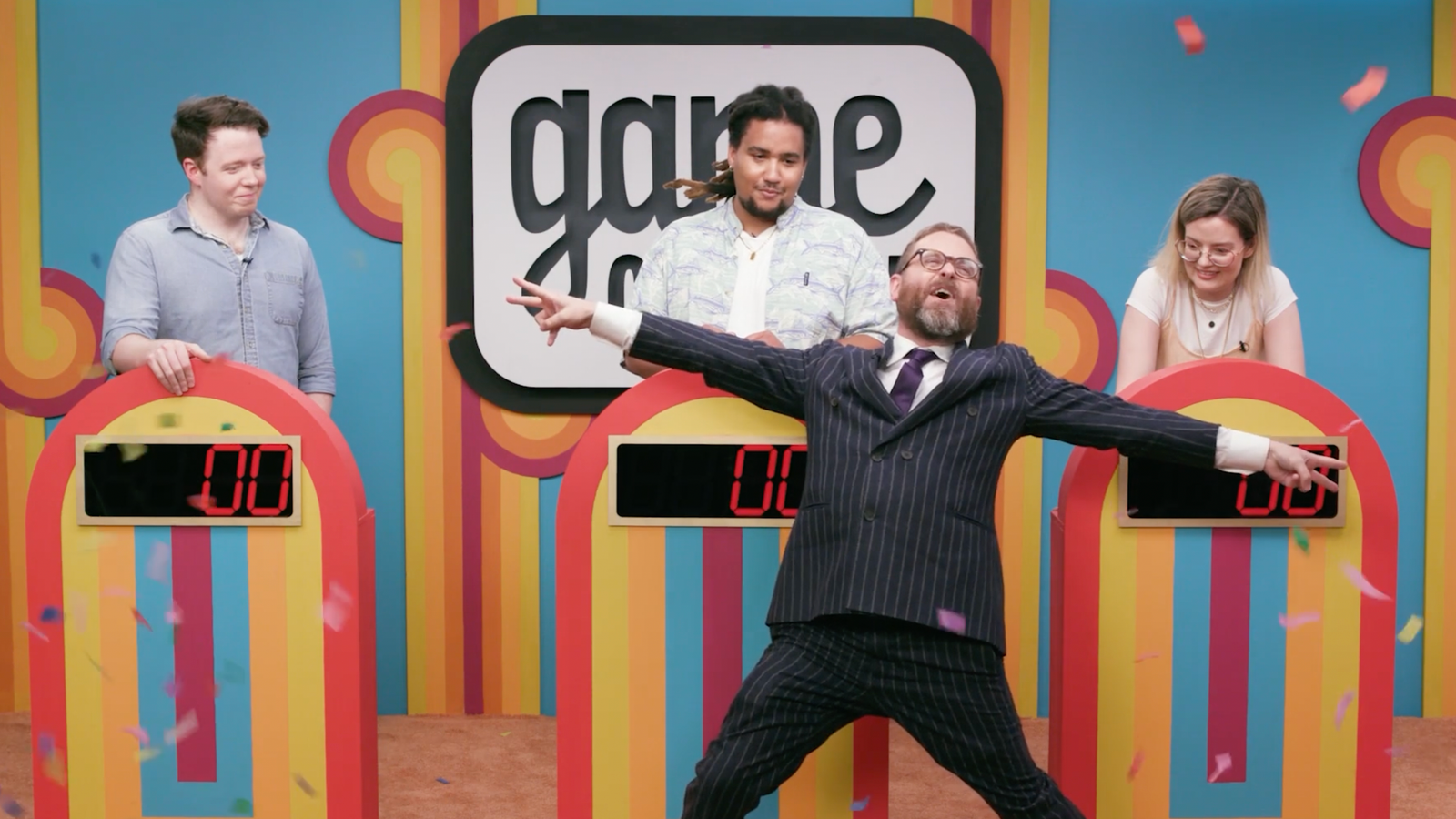
Devoid of a typical game design or improv setup, "Don’t Cry" marked a bold departure for Game Changer, cementing its reputation for unexpected sincerity. The episode was a heartfelt effort to uplift Dropout cast member Jess Ross, who had faced the postponement of her wedding and six months of bed rest post-surgery. Beginning with silly challenges like onion-cutting, the episode gradually transformed into a moving celebration of Ross, culminating in a mock wedding ceremony officiated by Bob the Drag Queen. It remains a powerful demonstration of the show’s capacity to transcend comedy and foster genuine warmth.
6. "One Year Later" (Season 7, Episode 1)
Building on the foundation of sincerity, "One Year Later" showcased the boundless creativity of the Dropout cast. Picking up a year after "Sam Says 3," the episode documented the interim activities of Vic Michaelis, Lou Wilson, and Jacob Wysocki, who had been given 15 assignments by Reich. Their responses ranged from hilarious to profoundly sincere, most notably Wysocki’s donation of nearly $3,000 (his winnings from one assignment) to Rainbow Services, a nonprofit supporting survivors of domestic violence. This episode solidified the notion that while Game Changer revels in its chaos, it also deeply values kindness.
Peak Chaos and Refined Concepts: The Show at Its Zenith
The later seasons have seen Game Changer push its conceptual boundaries, creating increasingly intricate and meta-narrative experiences that blend established formats with unprecedented twists.
5. "Noise Boys" (Season 4, Episode 3)
The "Noise Boys" – Brennan Lee Mulligan, Zac Oyama, and Josh Ruben – are an almost unfair advantage, their collective improvisational genius guaranteeing comedic gold. Their initial appearance in Season 1’s "Make Some Noise" was so successful it spawned multiple "game samers" and a spin-off series. Season 4’s "Noise Boys" episode stands as the pinnacle of their collaborations, primarily due to Zac Oyama’s impeccable timing and ability to deliver "comedy sniper" level jokes, solidifying their status as an all-time great Game Changer trio.
4. "Rulette" (Season 7, Episode 7)
Season 7 was brimming with exceptional episodes, but "Rulette" distilled Game Changer‘s chaos into its purest form. Contestants, adorned in velcro suits, were forced to obey rules physically stuck to them – from speaking in a sing-song voice to being "extra polite." The episode brilliantly showcased the unhinged energy of "chaos gremlin" Jeremy Culhane, culminating in a seminal moment where Culhane unexpectedly takes over as host from Reich. "Rulette" perfectly embodies the show’s unpredictable nature and its willingness to let the game spiral into delightful anarchy, explaining its immediate return as a game samer for Season 8.
3. "Sam Says 3" (Season 6, Episode 3)
The "Sam Says" concept, a chaotic twist on the classic "Simon Says," is one of Game Changer‘s most enduring formats. "Sam Says 3" is hailed as the best of the trio for its sheer deviousness. Reich, true to form, dupes Vic Michaelis, Lou Wilson, and Jacob Wysocki into believing the game is over, allowing them to revel in a party bus before dramatically bringing them back to deduct points for all the rules they unknowingly broke. This episode perfectly encapsulates Reich’s "devilish" charm and the show’s commitment to subverting expectations at every turn.
2. "Escape the Greenroom" (Season 5, Episode 9)
For many, including this writer, "Escape the Greenroom" served as an introduction to the brilliance of Game Changer. Reich, in a masterstroke of meta-narrative, traps Brennan Lee Mulligan, Siobhan Thompson, and Lou Wilson in the show’s actual greenroom, transforming it into an elaborate escape room. Watching the trio combine their wits, communication skills, and occasional destructive impulses to solve the puzzles is a pure delight. The episode not only showcases their problem-solving abilities but also their relatable frustrations with Reich’s elaborate schemes, solidifying its place as a series highlight.
1. "Bingo" (Season 6, Episode 5)
"Bingo" stands as the undisputed champion, representing Game Changer at its absolute zenith. It takes the innocuous premise of a children’s game and layers it with multiple, mind-bending twists. Contestants Raph Chestang, Katie Marovitch, and Brennan Lee Mulligan perform comedic prompts to earn bingo ball draws. However, the true genius lies behind the scenes: a second trio of players holds "behavior bingo" cards tailored to the main contestants’ predictable actions (e.g., Mulligan making a Dungeons & Dragons reference or saying "gang"). And then, a third trio with their own set of behavior bingo cards is revealed, balancing three distinct layers of gameplay. "Bingo" is glorious madness, a masterclass in layered game design and meta-commentary. It famously "absolutely breaks Mulligan’s brain" at the conclusion, showcasing the show’s ability to create genuine, unscripted astonishment. Its inclusion in the Game Changer board game further cements its legendary status.
Supporting Data: The Anatomy of a Phenomenon – Chaos, Sincerity, and Improvisational Mastery
Game Changer‘s enduring appeal lies in its unique blend of structural innovation, genuine human connection, and unparalleled improvisational talent. The show’s format, where "the only way to begin is by beginning," allows for a constant state of reinvention, preventing stagnation and ensuring every episode feels fresh and unpredictable.
The Host as Architect of Chaos: Sam Reich is more than just a host; he is the show’s benevolent puppet master, a "gleeful torturer" who masterfully balances playful malice with profound care. His ability to devise increasingly complex and often emotionally resonant challenges is central to the show’s identity. He embodies the paradox of Game Changer: a show designed to create chaos, yet meticulously crafted to achieve specific emotional and comedic beats.
Improvisation as Art Form: The ensemble cast, featuring luminaries like Brennan Lee Mulligan, Lou Wilson, Zac Oyama, Siobhan Thompson, Jess Ross, and Jacob Wysocki, are improvisational titans. Their quick wit, deep understanding of comedic timing, and established rapport allow them to navigate Reich’s ever-shifting rules with astonishing grace and humor. The "breaking" of Mulligan, a frequent highlight, is not merely schadenfreude but a testament to the immense pressure and comedic brilliance at play. These moments of genuine surprise and frustration are what make the improv feel so authentic and engaging.
The Power of Sincerity: While ostensibly a comedy show, Game Changer‘s willingness to delve into genuine human emotion sets it apart. Episodes like "Don’t Cry" and "Who Wants to Be Jacob Wysocki?" are not mere deviations but integral parts of the show’s emotional landscape. They demonstrate that comedy can be a vehicle for empathy, support, and profound connection, reinforcing the sense of community among the cast and, by extension, the audience. This sincerity grounds the chaos, providing emotional stakes amidst the unpredictable games.

Meta-Narrative and Self-Awareness: Game Changer is profoundly self-aware, often referencing its own history, cast dynamics, and even the production process. This meta-narrative layer adds depth and enjoyment for dedicated viewers, transforming passive observation into an active engagement with the show’s evolving lore. The spin-off Make Some Noise and the Game Changer board game are further evidence of its cultural footprint, demonstrating how the show’s concepts have extended beyond the screen into tangible experiences.
Official Responses: Voices from the Heart of Chaos
While specific quotes from Sam Reich or the cast regarding this particular ranking are not available, the sentiment surrounding Game Changer‘s unique blend of humor and heart is well-documented in various interviews and behind-the-scenes content.
Sam Reich, when discussing the show’s unpredictable nature, has often remarked on the delicate balance required. "It’s a game show where the rules change every episode, but the most important rule is that we genuinely care about each other," Reich is often quoted as saying in interviews about the show’s ethos. "The chaos is the playground, but the sincerity is the foundation." This encapsulates the show’s duality.
Brennan Lee Mulligan, frequently at the receiving end of Reich’s schemes, has reflected on the unique challenge and joy of Game Changer. "It’s unlike anything else I’ve ever done," Mulligan once stated in a Dropout Q&A. "You walk onto set and you truly have no idea what’s going to happen. It forces you to be present, to react authentically, and sometimes, to just completely lose your mind in the best possible way. The audience sees that raw, unscripted reaction, and I think that’s why it resonates so much."
Jess Ross, whose personal experiences were central to "Don’t Cry," highlighted the show’s supportive environment. "That episode was a profound act of friendship," Ross commented in a post-episode discussion. "It wasn’t just a game; it was a testament to the bond we all share. To have that level of care woven into a comedy show, it’s truly special."
These perspectives underline the core philosophies that have guided Game Changer‘s evolution: a commitment to genuine improvisation, a willingness to embrace emotional depth, and a deep-seated camaraderie among its creators and performers.
Implications: The Enduring Legacy and Future of a Genre-Bending Show
As Game Changer gears up for its eighth season, its implications for the future of digital comedy and streaming content are significant. The trailer for Season 8 hints at even grander scales of production and more intricate challenges, promising to maintain the show’s reputation for innovation.
Redefining the Game Show Format: Game Changer has fundamentally redefined what a game show can be. By eschewing rigid formats and embracing radical unpredictability, it has created a new template for interactive, unscripted entertainment. It proves that audiences crave authenticity and ingenuity over polished, predictable competition.
A Pillar of Dropout’s Success: The show is not merely a popular program but a cornerstone of Dropout’s identity. Its success has allowed the platform to cultivate a unique niche in the streaming landscape, known for its high-quality, creatively driven, and community-focused content. Game Changer‘s ability to attract and retain subscribers is a testament to its compelling format and the star power of its ensemble.
Fostering a Community: Beyond its entertainment value, Game Changer has fostered a vibrant and engaged online community. Fans eagerly dissect episodes, celebrate the cast, and participate in discussions that extend the show’s impact beyond its runtime. This community aspect is a crucial element of its legacy, turning viewers into active participants in the Game Changer phenomenon.
A Blueprint for Digital Innovation: In an increasingly crowded digital landscape, Game Changer offers a blueprint for how independent creators can innovate and thrive. It demonstrates that compelling content, driven by strong creative vision and genuine talent, can compete with larger, more traditional media productions. Its continued success encourages further experimentation in digital-first entertainment.
Looking ahead, the anticipation for Season 8 underscores Game Changer‘s sustained relevance and its capacity for continued evolution. The promise of more chaos, more laughter, and undoubtedly more moments of unexpected sincerity ensures that Sam Reich’s "game for babies" will continue to be a sophisticated, joyous, and profoundly impactful "game changer" for years to come.


 Lina Irawan
 Sagoh
Sagoh