

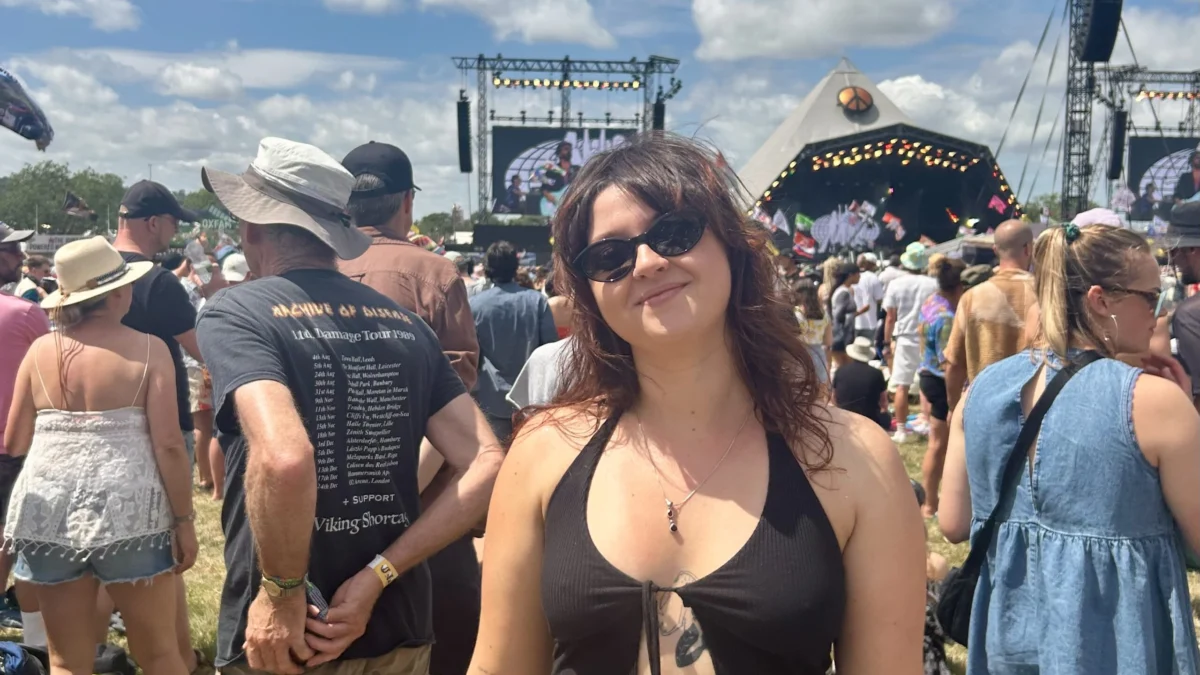
In the early years of my career, I found myself working in the trenches of the music industry, managing merchandise for touring bands. It was a chaotic, exhilarating life. Between sets, I would stand in the lobbies of venues from New York to London, watching fans clamor for t-shirts, buttons, and stickers. I spent my downtime in the company of industry titans—artists like John Legend, Amy Winehouse, Sia, and Justin Timberlake.
I remember a conversation with Citizen Cope, who once asked me if charging $50 for a hoodie was pushing the limits of his fans’ generosity. I laughed and pointed toward the merch table of an Aerosmith show nearby. The point was simple: in the world of human art, fans aren’t just paying for a garment; they are paying for a piece of the mythology.
Recently, while experimenting with Google’s Gemini Lyria 3, I found myself staring at an AI-generated jingle that was, objectively speaking, quite good. It was polished, catchy, and technically proficient enough to warrant a spot on a curated playlist. Yet, the thought of someone shelling out $50 for a hoodie featuring an AI-generated band made me pause. We are hurtling toward a future where the production of "art" is becoming frictionless, but we are simultaneously ignoring a fundamental truth: art is not merely the output—it is the connection.
The Mirage of Synthetic Creativity
The discourse surrounding artificial intelligence has become stagnant and routine. Every week brings a new wave of viral AI-generated imagery, synthetic pop songs that sound suspiciously like chart-toppers, and startups aggressively marketing themselves as the successors to human creative labor.
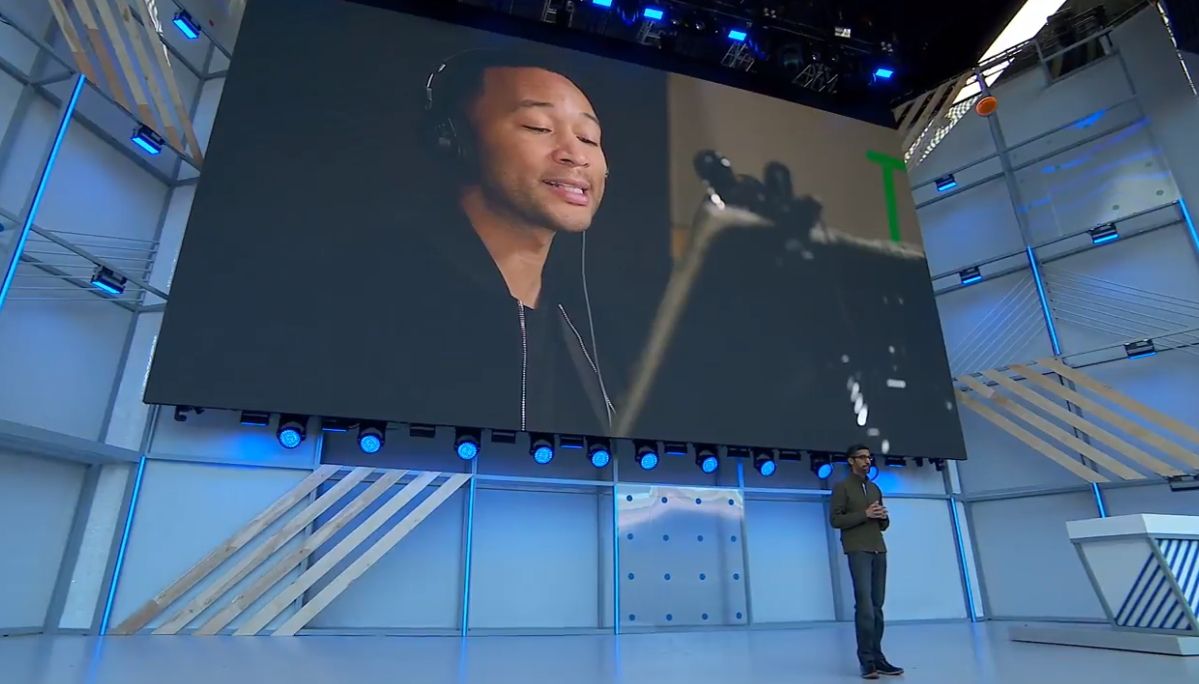
After spending hundreds of hours testing these tools and observing the tidal wave of "AI slop" flooding the internet, a darker, more complex problem has emerged. While these models are undoubtedly powerful assistants, they are fundamentally incapable of replicating the human element that breathes life into creative works. AI can mimic the syntax of a song or the brushstrokes of a painting, but it cannot simulate the lived experience that gives those works their emotional resonance.
A Chronology of the Synthetic Shift
- The Early Wave (2020–2022): The initial phase of generative AI focused on novelty. Models like DALL-E and early versions of Midjourney introduced the public to the "wow" factor of machine-generated images.
- The Proliferation Phase (2023): The rise of large language models (LLMs) and advanced audio synthesis allowed for the mass production of text and sound. We saw the first AI-generated "songs" mimic the voices of established stars, causing legal and ethical friction within the music industry.
- The Current Reality (2024–Present): We are now in the era of AI influencers—Aitana Lopez, Miquela, and others—who inhabit digital spaces, maintain social media followings, and secure brand deals without ever having drawn a breath.
The Anatomy of Fandom: Why We Care
To understand why AI struggles to capture the hearts of an audience, we must look at what actually drives human fandom. We do not become fans of a musician simply because their chord progressions are mathematically pleasing. We become fans because of the narrative arc surrounding the creator.
Consider the "Taylor Swift effect." Fans don’t just listen to her albums; they dissect the lyrics for clues about her personal heartbreak, they track her growth from a country teenager to a global pop icon, and they resonate with her flaws, her interviews, and her live-performance vulnerability. Fandom is a parasocial relationship built on the belief that there is a real, breathing human behind the music who has felt the same pain, joy, and existential dread as the listener.
AI-generated creators, by contrast, are fundamentally hollow. Even the most sophisticated digital influencer, like Aitana Lopez, is a composite of algorithms designed to maximize engagement. They lack the "mythology" that only a human life can provide. You cannot feel a connection to a language model because, at the end of the day, there is no one on the other side of the screen to connect with.
The "Fast Food" of Creativity
The implications of this shift are profound. As AI makes the creation of content cheaper and faster, the internet is rapidly filling with synthetic media designed for maximum algorithmic efficiency. This is the "fast food" of creativity: it is instantly accessible, optimized for retention, and highly scalable. Yet, like fast food, it leaves the consumer feeling nutritionally empty.
Data from recent engagement studies suggests that while AI-generated content can capture short-term attention—the "scroll and click"—it fails to cultivate long-term loyalty. When content is stripped of human intent, the audience’s willingness to invest time and money into that creator drops precipitously.
The Industry Perspective: Efficiency vs. Soul
Major studios and tech firms are currently betting billions that efficiency is the ultimate goal of the creative sector. Their internal metrics prioritize output, cost-reduction, and speed. However, industry insiders—those who have spent decades building brands around human personalities—argue that this is a dangerous miscalculation.
"If you remove the human, you remove the brand," says one industry analyst. "A brand is essentially a promise of human experience. You can automate the production of a song, but you cannot automate the ‘story’ of the artist."
The Role of AI as a Tool, Not a Replacement
It would be disingenuous to suggest that AI has no place in the creative process. In fact, many of the most successful creators today are using AI in ways that enhance, rather than replace, their humanity.
- Brainstorming: Writers use LLMs to break through writer’s block or to outline complex structures.
- Workflow Optimization: Filmmakers use AI tools to handle rote editing tasks, allowing them to focus more on the narrative "heart" of their projects.
- Concept Generation: Artists use generative tools to visualize ideas before executing them with traditional media.
The distinction lies in the intention. When AI is used as a tool, the human remains the architect, the curator, and the emotional core. When AI is used as a replacement, the work becomes a sterile reflection of data patterns, devoid of the very thing that makes art "art."
Implications for the Future of Art
We are currently in a state of flux. As AI tools become more democratized, we will likely see a market bifurcation. On one side, there will be a vast ocean of "AI-slop"—content produced for the sole purpose of filling space and generating ad revenue. This content will be disposable, cheap, and ultimately forgettable.
On the other side, there will be a premium on authentic, human-centric art. As synthetic media becomes ubiquitous, the rarity of a "human-made" experience will likely increase its value. We may see a return to live, unpolished, and raw creative expressions as a direct reaction to the perfection of AI.
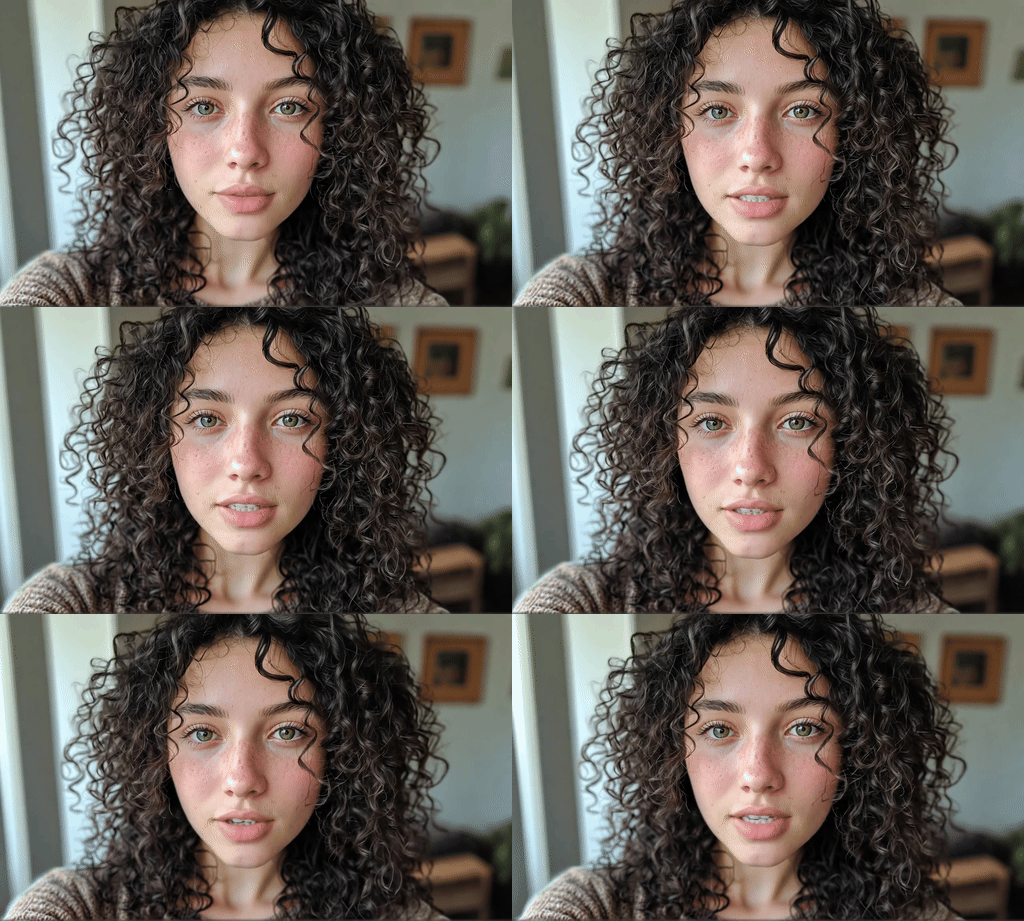
Conclusion: The Unfillable Gap
I spent years assisting legends like Carly Simon, and I saw firsthand how the smallest human details—a hesitant note in a recording, a candid moment in an interview, a personal struggle shared on stage—could change a fan’s life.
Can an AI-generated novel make you cry? Maybe. Can an AI-generated song help you through the hardest year of your life? Perhaps, if you project your own emotions onto it. But nobody waits outside a stadium for hours in the rain hoping to meet a Large Language Model. Nobody hangs posters of an algorithm on their bedroom wall.
AI is making content creation easier than it has ever been, but it is also highlighting the irreplaceable value of the human condition. As we move forward, we must ask ourselves: are we creating to connect, or are we just creating to produce? Because, in the end, it is the connection—not the output—that defines the history of art.
What do you think? Will you ever feel truly inspired by an AI-generated novel, painting, or song? Can a machine ever bridge the gap between "content" and "art"? Share your thoughts in the comments section below.












No comments yet. Be the first to join the conversation!