Muslim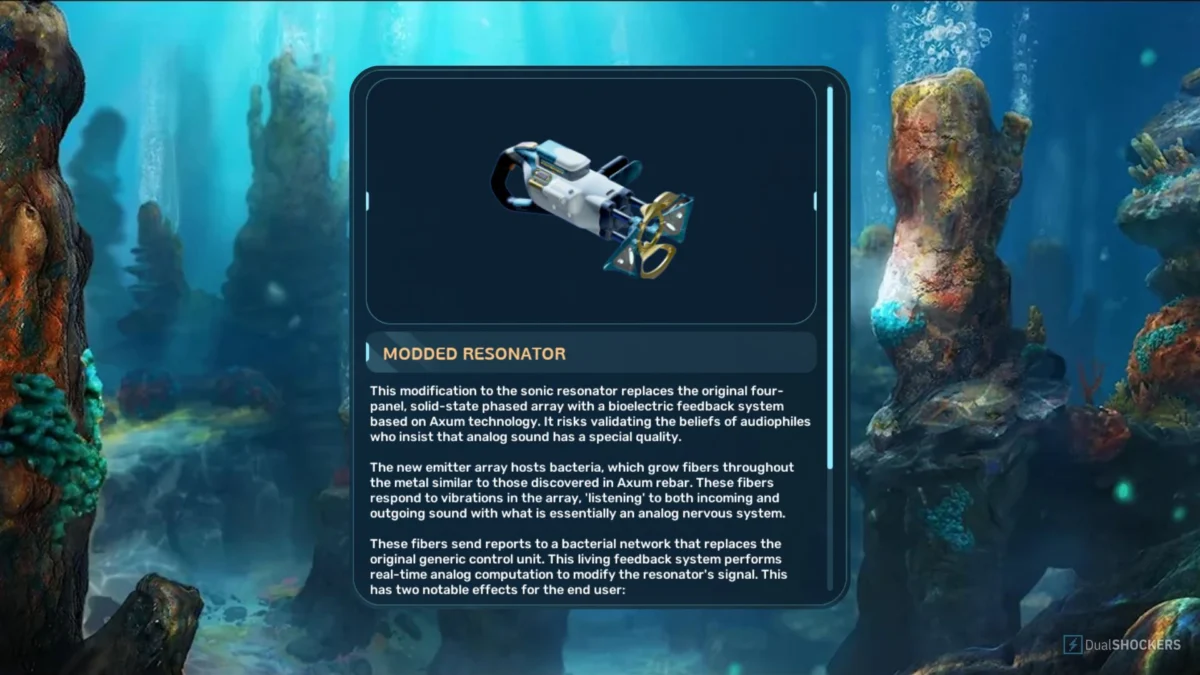
As players dive deeper into the harrowing, bioluminescent mysteries of Subnautica 2, the tools of the trade are constantly evolving. What began as a simple journey of scanning fish and harvesting raw ores has rapidly escalated into a high-stakes survival experience. As you push further east toward the towering Alien Base and the colossal Axum Turbine, the environment shifts, presenting hazards that your standard Sonic Resonator simply cannot overcome.
To progress in this treacherous landscape, players must upgrade their utility suite to the Feedback Resonator. This guide provides an in-depth look at locating the necessary blueprints, the logistics of crafting this advanced piece of equipment, and how to effectively deploy it against the game’s most stubborn environmental obstacles.
The Evolution of Utility: Why You Need the Feedback Resonator
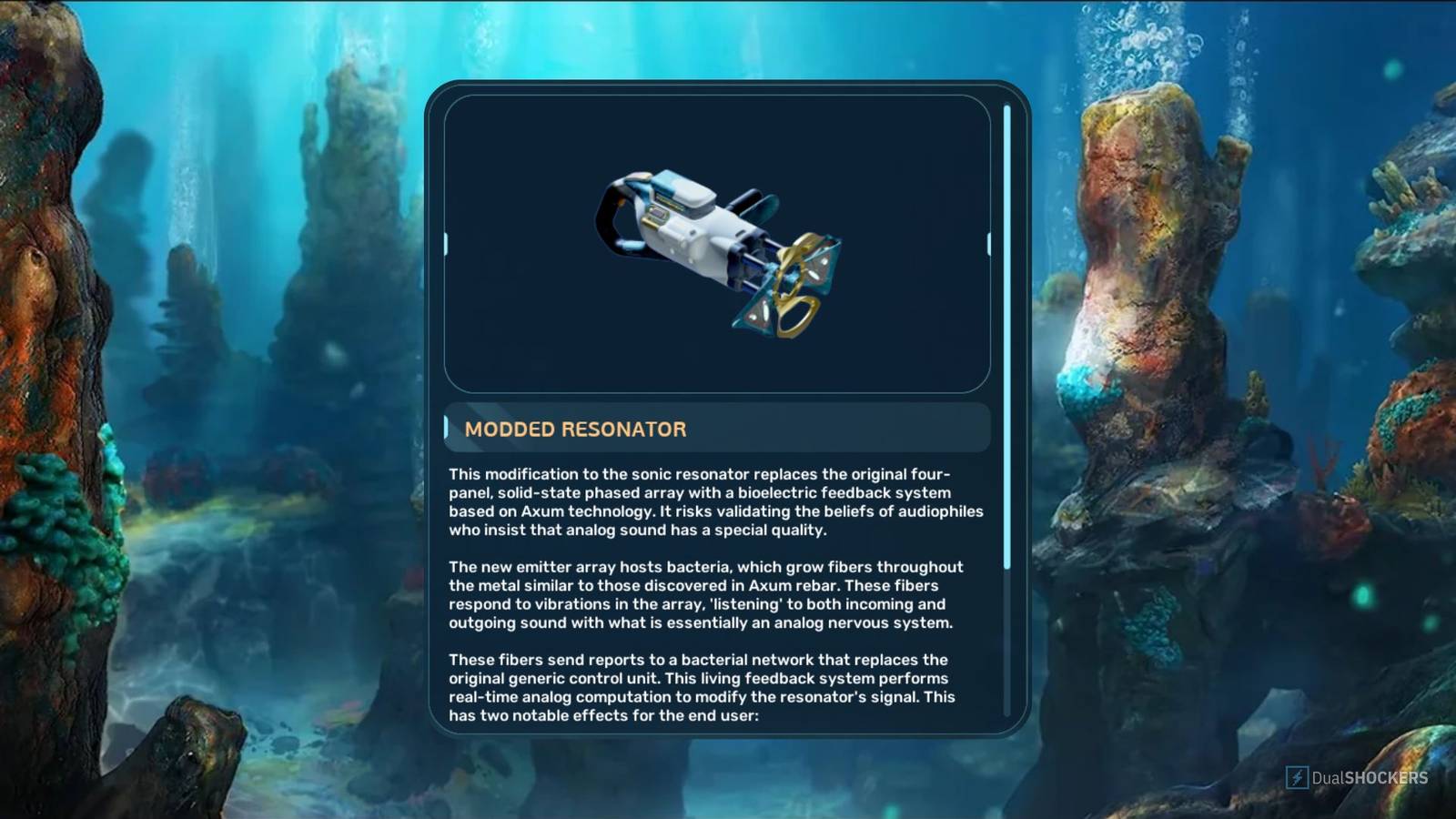
Throughout your early adventures in Subnautica 2, the Sonic Resonator has likely been your go-to tool for interacting with the environment—be it clearing away minor viral blooms or disrupting hostile flora. However, as you approach the mid-game transition near the Axum Turbine, you will encounter "armoured blooms." These viral entities are significantly more resilient, capable of retracting into protective shells the moment they detect the low-frequency output of your standard gear.
The Feedback Resonator is the definitive solution to this problem. Unlike its predecessor, which requires players to get dangerously close to the target, the Feedback Resonator emits a high-intensity, concentrated pulse capable of travelling significantly further through the dense, pressurized water of the eastern biomes. Understanding this tool is not merely a convenience—it is a requirement for unlocking the language of the Axums and accessing the final stages of the current Early Access build.

Chronology of the Search: Locating the Blueprints
Finding the components for the Feedback Resonator is an exercise in navigation and risk management. Because the device is considered high-tier technology, it cannot be found in the immediate vicinity of the starting areas or the shallow Turbine outposts. Players must venture into the more hostile, high-pressure environments of the map.
The North-eastern Root Canyon
The most reliable location for gathering the necessary fragments is the North-eastern Root Canyon. This biome is visually distinct, characterized by a harsh, pulsating yellow-green bioluminescence that warns of the dangerous life forms lurking within.
- The Threat: Be advised that this area is the hunting ground of a massive Collector Leviathan. Players should move with caution, utilizing silent propulsion or hiding within the deep crags of the canyon floor to avoid detection.
- Navigation: Accessing this region is significantly easier if you have already equipped your Tadpole vehicle with a Depth Module. Without this upgrade, you will hit the vehicle’s crush depth quickly. If you are struggling to reach the floor, construct a "Dive Elevator" on the upper ledges. This temporary structure allows for a controlled descent, providing you with ample time to scout the canyon floor for fragments without the pressure of managing your vehicle’s structural integrity.
The Cicada Wreck
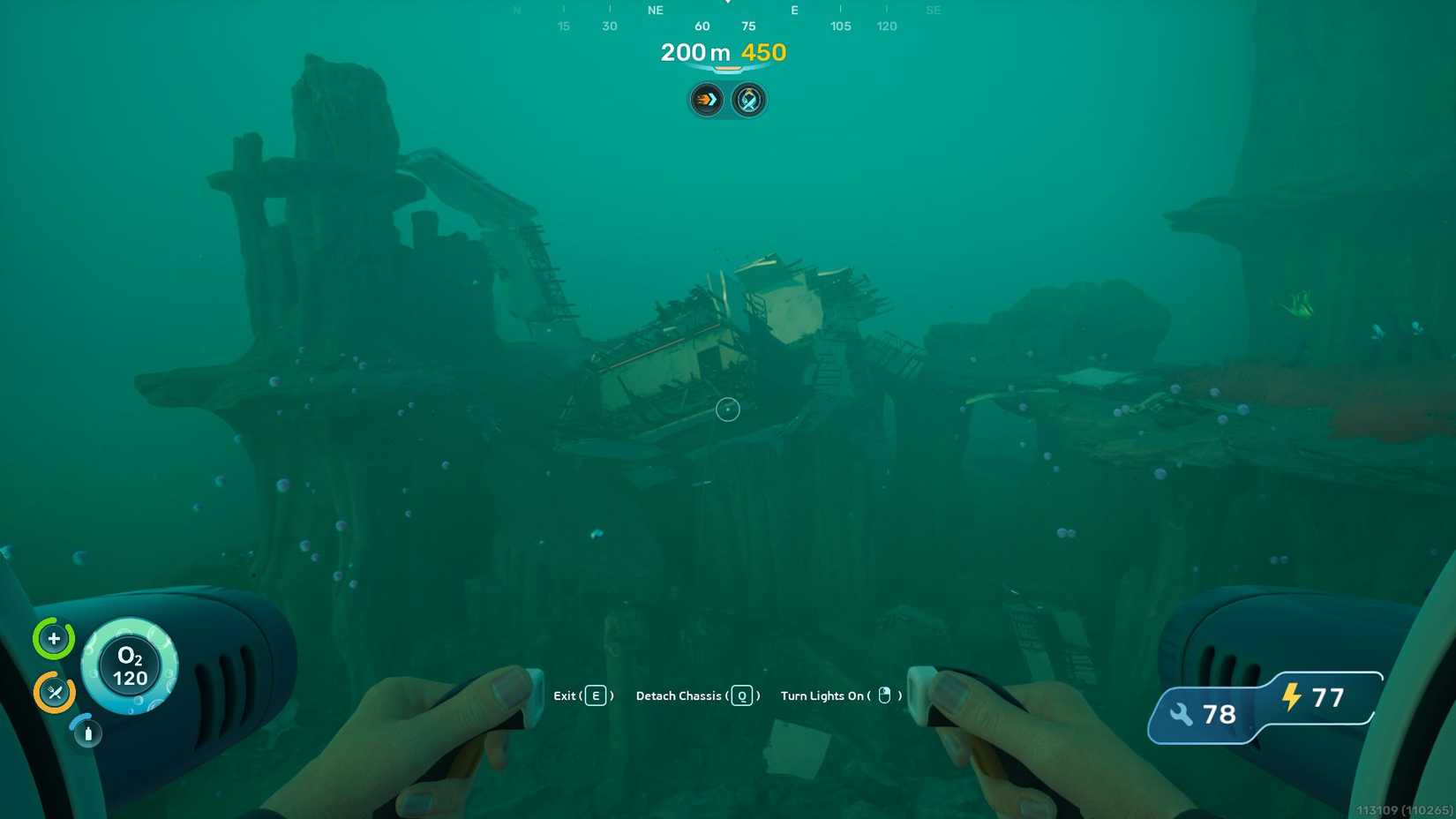
If you are unable to locate all the necessary pieces within the Root Canyon, or if the Collector Leviathan is proving too aggressive, there is a secondary location. The Cicada wreck, situated directly south of the main Power Plant Turbine, contains a vital fragment. The scrap is typically located on the floor of the initial entry chamber, making it a relatively quick, albeit tense, acquisition.
Supporting Data: Technical Specifications and Crafting Requirements
To function, the Feedback Resonator requires a stable power source. Like many advanced tools in Subnautica 2, it is compatible with both standard and Advanced Batteries.
| Feature | Specification |
|---|---|
| Primary Function | Long-range pulse emission |
| Compatibility | Standard Battery / Advanced Battery |
| Material Requirements | Scanned fragments (x3) |
| Effective Range | High (Armour-piercing capabilities) |
| Required Unlock | Mid-game progression |
Players are encouraged to keep a reserve of Advanced Batteries in their inventory when venturing toward the Axum Turbine, as the power consumption of the Feedback Resonator is noticeably higher than that of the standard Sonic Resonator.
Tactical Deployment: How to Use the Feedback Resonator
Once you have successfully scanned the fragments and crafted the device, the gameplay loop shifts from avoidance to tactical engagement.
The Pulse Mechanism
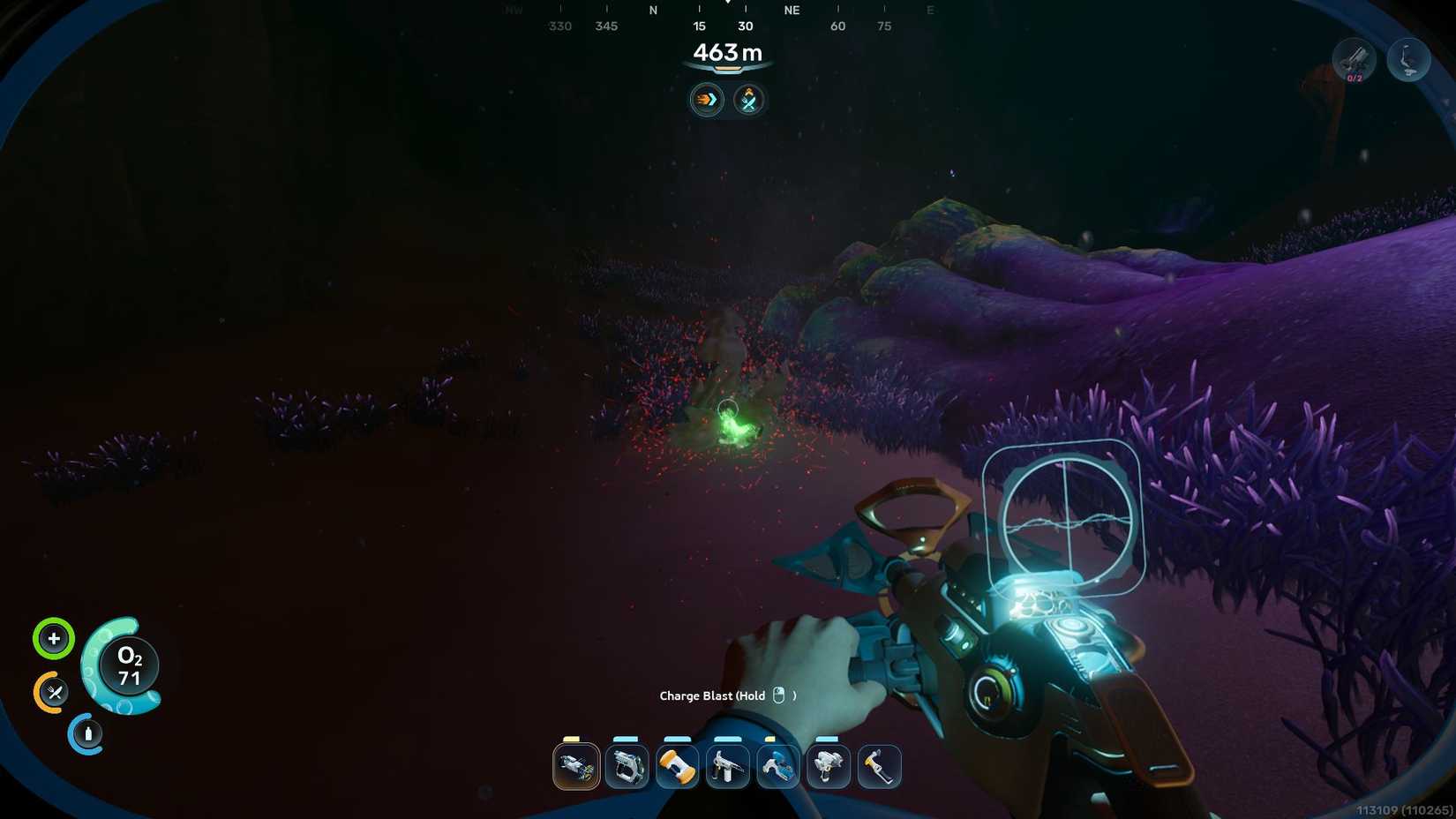
The Feedback Resonator functions by charging a capacitor before releasing a targeted, high-frequency blast. To use it, aim the device at the armoured blooms that are obstructing your path. Because the pulse travels further than the base model, you can safely trigger the device from a distance that prevents the blooms from retracting into their protective shells.
Overcoming Environmental Obstacles
Your primary goal with this tool is to clear the path to the east and west of the Turbine Angel Comb. By destroying these blooms, you trigger a environmental shift in the game’s narrative, allowing you to interface with the Axum structures. This is a critical milestone; failure to clear these blooms will effectively soft-lock your progression toward the endgame of the current version.
Official Responses and Developer Context
Unknown Worlds Entertainment, the developers behind Subnautica 2, have noted that the inclusion of tools like the Feedback Resonator is designed to create a "rhythmic progression" of danger. In their latest developer diary, the team highlighted that the transition from the Sonic Resonator to the Feedback Resonator is intended to teach players the importance of environmental scanning.
"We want players to feel the weight of their tools," the lead designer stated. "When you reach the Root Canyon, you shouldn’t just be looking for resources; you should be looking for solutions to the biological barriers we’ve placed in your way. The Feedback Resonator is the answer to the ‘what if’ scenarios that the early game tools were never meant to handle."
Implications for Future Gameplay
The introduction of the Feedback Resonator signals a shift in the Subnautica franchise’s approach to exploration. By requiring specific, tiered tools to bypass environmental hazards, the developers are moving toward a more structured "Metroidvania" style of survival.
As we look toward the full release of Subnautica 2, the implications are clear: the game will demand more than just survival instincts—it will require a deep understanding of the technology available to you. Players who master the Feedback Resonator now will be well-positioned to tackle the even more complex puzzles and hostile environments that await in the final build.
Whether you are a veteran of the first game or a newcomer navigating the alien waters for the first time, remember: in Subnautica 2, your survival is directly proportional to your willingness to upgrade. Pack your batteries, keep your eyes on the Collector Leviathan, and ensure you have your blueprints in hand before you make the final push toward the Axum Turbine. The secrets of the deep are waiting.
Quick Summary for Players:
- Upgrade Early: Do not attempt to bypass armoured blooms with the Sonic Resonator.
- Prioritize the North-east: The Root Canyon is your best source for fragments.
- Manage Your Power: Always carry a spare Advanced Battery; the Feedback Resonator drains energy quickly.
- Look for the Wreck: The Cicada wreck serves as a safety net if you miss fragments in the canyon.


 Asro
Asro