Azzam Bilal Chamdy
In the pantheon of television history, few sitcoms have left as indelible a mark as The Office. Over the course of nine seasons, the Dunder Mifflin Scranton branch became a second home for millions of viewers. While the series finale is technically the highest-rated installment according to IMDb, a deeper critical analysis suggests that popularity metrics—which often favor emotional closure—do not always align with the "perfect" episode. To truly understand the DNA of The Office, one must look past the sentimentality of the series finale and toward a two-part mid-season spectacle: "Stress Relief."
The Complexity of Ranking Perfection
Ranking television episodes is an inherently subjective endeavor, yet it serves as a cornerstone of modern pop culture discourse. When we examine the top-tier episodes of The Office, we see a divide between those that prioritize narrative arcs and those that prioritize the show’s comedic identity.
The series finale, while undeniably moving, serves a specific function: providing resolution. It ties up the loose ends of characters like Jim and Pam, provides a long-awaited return for Michael Scott, and cements the legacy of Dwight Schrute as the Scranton branch manager. However, a series finale is an outlier; it operates on high-stakes emotional payoffs that are not representative of the show’s day-to-day rhythm. True greatness in a workplace mockumentary is found in its ability to take a mundane office environment and infuse it with escalating absurdity—a feat perfectly achieved in "Stress Relief."
Chronology of a Masterpiece: The Anatomy of "Stress Relief"
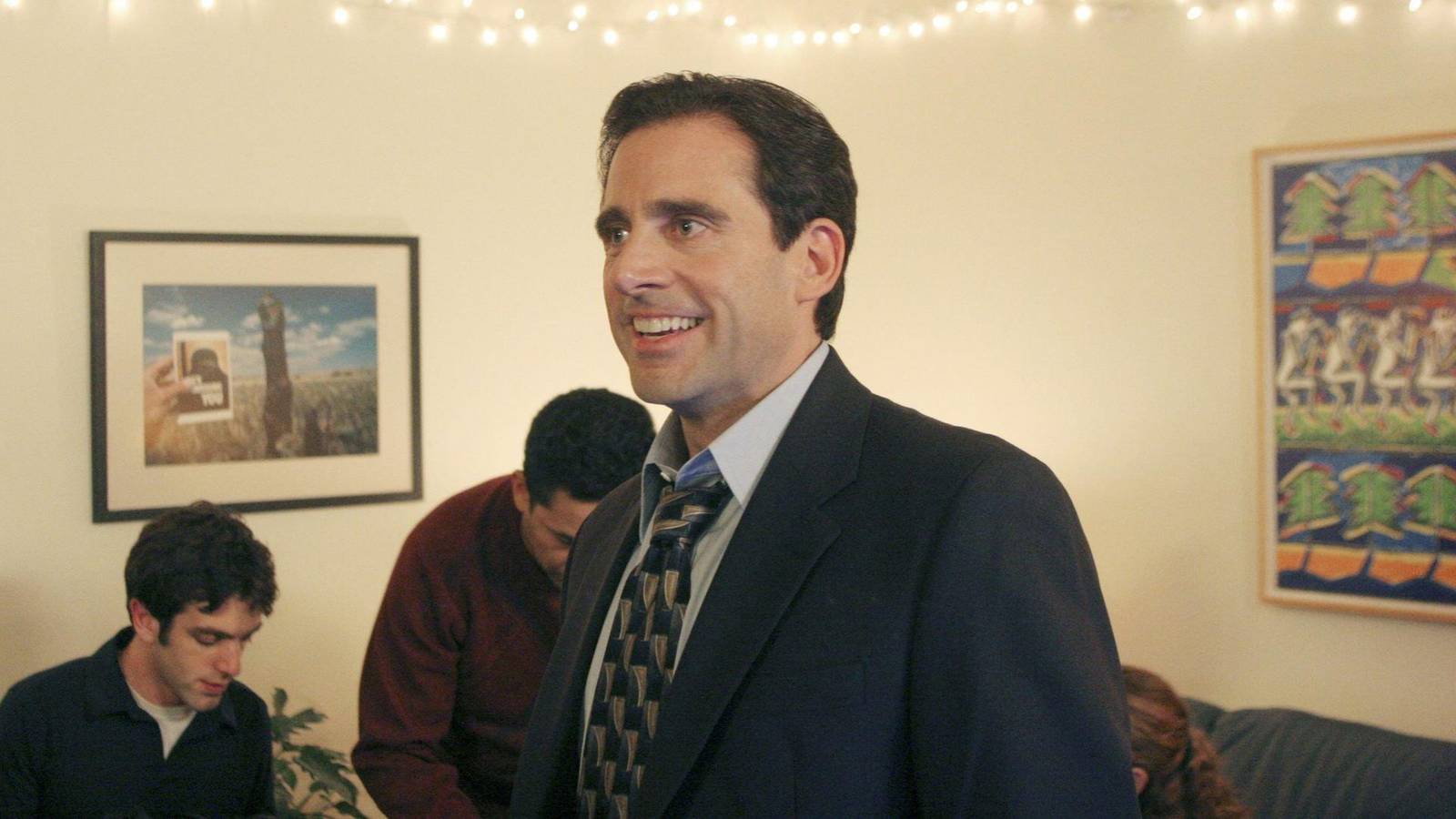
To understand why "Stress Relief" (Season 5, Episodes 14 and 15) stands above the rest, one must dissect its structure. The episode begins with perhaps the most iconic cold open in television history: Dwight’s unauthorized fire drill.
The Cold Open That Defined a Show
The scene is a masterclass in controlled chaos. Dwight Schrute, ever the self-appointed safety officer, decides the office is unprepared for a fire. He proceeds to block exits, disable the elevator, and start a small trash can fire, leading to a frantic, hilarious, and ultimately terrifying sequence of events. From Angela throwing her cat into the ceiling tiles to Oscar crawling into the ceiling and Stanley suffering a heart attack, the scene perfectly encapsulates the dynamic between the employees and their eccentric peer.
The A-Plot: The Office Roast
Following the traumatic fire drill, Michael Scott—seeking to mitigate the stress he caused—attempts to "roast" himself. This leads to a series of cringe-inducing comedic beats where the staff unloads their pent-up frustrations on their boss. The humor here is sharp, biting, and quintessentially Michael Scott. It forces the viewer to confront the reality that while Michael is a lovable buffoon, his lack of self-awareness is the catalyst for the office’s most chaotic moments.
The B-Plot: The Meta-Narrative of the "Jack Black" Movie
Simultaneously, the episode weaves in a subplot featuring a pirated movie starring Jack Black, Jessica Alba, and Cloris Leachman. This storyline is not merely filler; it highlights the mundane ways office workers distract themselves from their professional dissatisfaction. It is a brilliant, meta-commentary on the nature of pop culture consumption within the workplace.
Supporting Data: The IMDb Ratings Paradox
While the data suggests a near-tie between the finale and earlier classics, the "weight" of these ratings tells a different story.

| Episode Title | Season/Episode | IMDb Rating |
|---|---|---|
| "Finale" | 9.23 | 9.8/10 |
| "Goodbye, Michael" | 7.21 | 9.8/10 |
| "Stress Relief" | 5.14/15 | 9.7/10 |
| "Dinner Party" | 4.09 | 9.4/10 |
| "A.A.R.M." | 9.22 | 9.4/10 |
The 9.7 rating for "Stress Relief" is arguably more impressive than the 9.8 of the finale. The finale benefits from "end-of-series bias," where audiences are emotionally primed to rate the final episode highly due to nostalgia. "Stress Relief," conversely, stands on the merits of its script, pacing, and comedic delivery alone, without the benefit of a "goodbye" factor.
The Cast: Why They Make the Humor Work
It is the ensemble that elevates these scripts from mere comedy to legendary status. The brilliance of The Office lies in the specific, recognizable personality archetypes: the pragmatist (Jim), the dreamer (Pam), the rule-follower (Dwight), and the delusional leader (Michael).
In "Stress Relief," we see the cast operating at the peak of their synergy. Rainn Wilson’s portrayal of Dwight is at its most intense, while Steve Carell’s performance as Michael manages to be both deeply irritating and strangely empathetic. The supporting cast—particularly Stanley’s dry, unimpressed reactions and Phyllis’s simmering resentment—provides the necessary foil to Michael’s antics. It is this friction between the characters that makes the humor "stick."
Official Perspectives and Behind-the-Scenes Lore
Showrunner Greg Daniels and his team of writers often spoke about the difficulty of maintaining the "mockumentary" aesthetic. "Stress Relief" was a significant production challenge because it required a high level of physical coordination during the fire drill sequence.
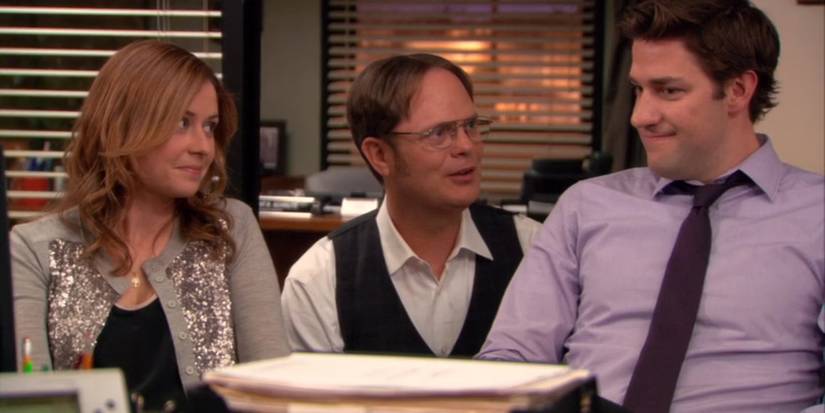
According to various cast interviews and production logs, the fire drill was not just a stunt; it was an exercise in character-driven comedy. The writers understood that if the stakes were too high, the show would lose its relatability. By keeping the drama rooted in the office—a fire drill gone wrong—they managed to maintain the illusion that these characters were real people stuck in a very strange, very funny version of reality.
The Implications: Why It Matters for New Viewers
If one were to introduce a newcomer to the world of Dunder Mifflin, "Stress Relief" is the quintessential entry point. It contains all the essential elements of the show:
- The Cringe Factor: Michael’s desperate need for validation.
- The Office Dynamics: The tension between the staff and their leadership.
- The Absurdity: The lengths to which Dwight will go to enforce his own version of order.
Unlike the series finale, which requires nine seasons of emotional investment to fully appreciate, "Stress Relief" is accessible. It shows the show at its absolute best, without requiring the viewer to know the intricate relationship history of every character.
Conclusion: The Gold Standard
While "Finale" provides the closure that fans craved, it is an epilogue. "Stress Relief" is the heart of the series. It is a testament to the fact that The Office was never really about where the characters ended up; it was about the daily grind, the small, petty conflicts, and the bizarre humor that emerges when you trap a group of distinct personalities in a small office space for forty hours a week.
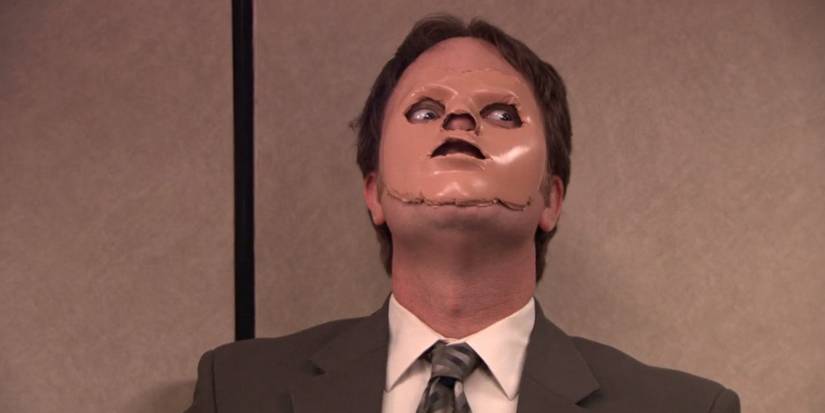
In the long run, as the series continues to find new audiences through streaming, "Stress Relief" will continue to be the benchmark by which all other episodes are measured. It captures the spirit of the show—the heart, the headache, and the hilarity—in a way that no other episode can replicate. It remains the true, undisputed champion of Dunder Mifflin.


 Nana
Nana
 Laily UPN