


Prime Video’s The Lord of the Rings: The Rings of Power stands as the most ambitious, high-stakes gamble in the history of streaming television. With a production budget that has shattered industry records, the series was designed to be the crown jewel of Amazon’s entertainment portfolio—a multi-season, billion-dollar investment meant to rival the cultural dominance of HBO’s Game of Thrones. Yet, as the show moves toward its third installment, the narrative surrounding the series has shifted from one of pure spectacle to one of strategic survival.
Following a tumultuous reception and a noted decline in viewership between its inaugural season and its 2024 follow-up, the show finds itself at a critical crossroads. In a surprising development this week, Amazon has signaled a course correction regarding the series’ production timeline. Moving away from the protracted gaps that have plagued many high-budget fantasy epics, The Rings of Power is now slated for a November 2026 return. This pivot is more than just a scheduling update; it is a calculated effort to recapture the fickle attention of a global audience and prove that the series can sustain its momentum in an increasingly crowded streaming landscape.
The Chronology of an Epic: From Premiere to Pivot
To understand the weight of the Season 3 announcement, one must look at the timeline of the series’ evolution. When The Rings of Power premiered on September 1, 2022, it was met with immense fanfare and record-breaking viewership numbers for Prime Video. However, the gap between the first season’s conclusion and the start of Season 2 was extensive. By the time the second season arrived in 2024, the initial cultural buzz had largely dissipated, and industry reports suggested that the show’s total audience had been halved.
Originally, industry analysts and leaked production schedules suggested that Season 3 would not grace screens until 2027. This two-to-three-year hiatus is becoming a problematic hallmark of prestige television. Shows like House of the Dragon and Stranger Things have forced audiences to wait years between installments, often leading to a dilution of the "watercooler effect"—the very phenomenon that streaming services rely on to drive subscriptions.
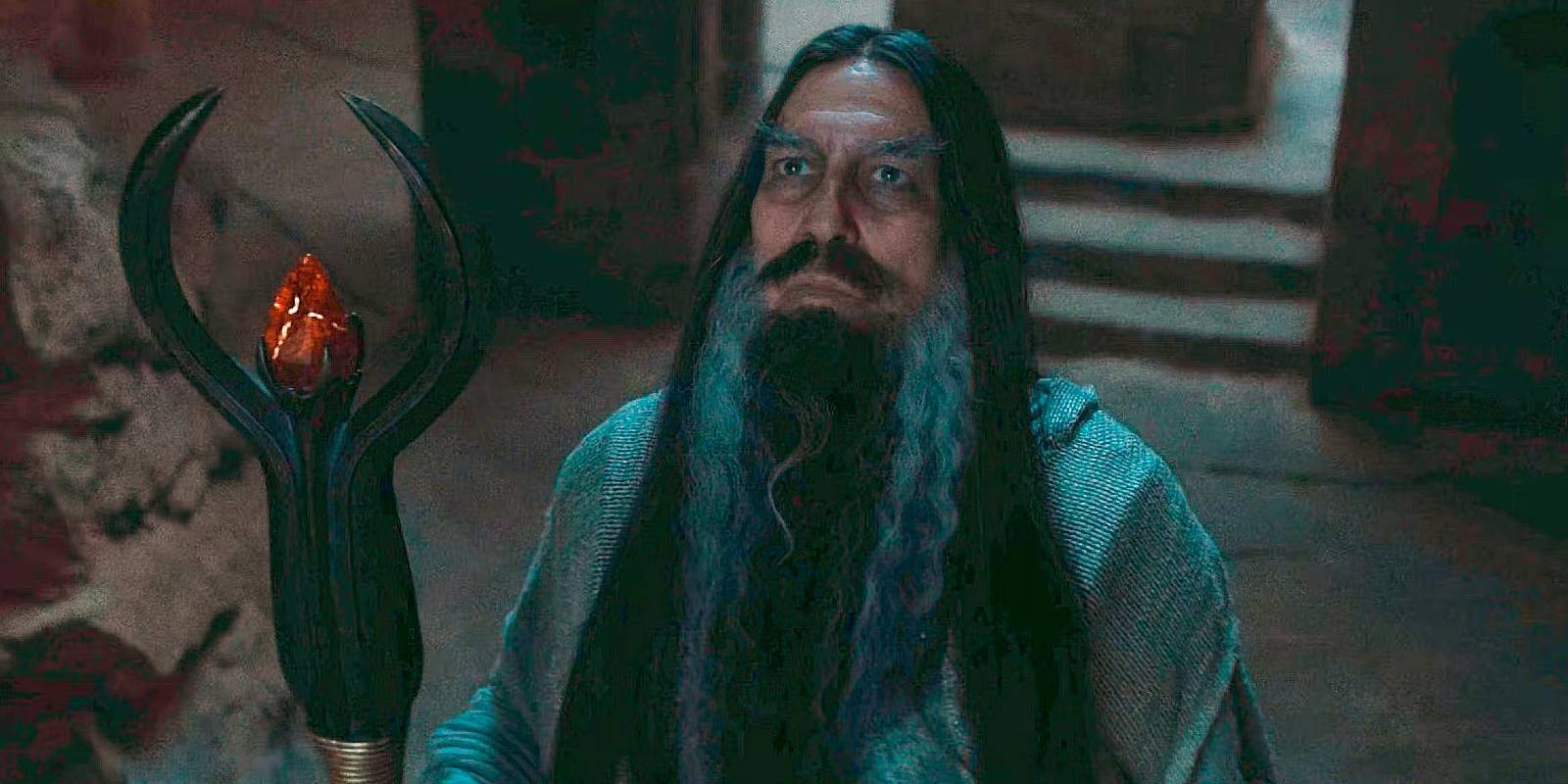
By announcing a November 2026 release, Amazon has effectively truncated the expected wait time. This acceleration is a departure from the "movie-quality" production model that requires exhaustive post-production for CGI-heavy sequences. The decision suggests that Amazon is prioritizing audience retention over the exhaustive, multi-year polish that previously defined the series’ rollout.
Supporting Data: The Fragility of Fantasy Viewership
The fantasy genre is currently in a state of flux. While it remains one of the most lucrative categories in entertainment, it is also one of the most volatile. Prime Video has learned this lesson the hard way, having recently shuttered several high-concept projects including The Wheel of Time (which faced its own production struggles), Carnival Row, and the critically adored but commercially soft My Lady Jane.
The data regarding The Rings of Power paints a complex picture. While the series maintains a dedicated core of viewers, the drop-off rate between Seasons 1 and 2—often cited by analytics firms as a significant dip—has placed pressure on showrunners John D. Payne and Patrick McKay. In the current streaming economy, where "churn" (the rate at which subscribers cancel after finishing a flagship series) is the primary enemy, long gaps between seasons are lethal.
When a series takes two years to return, it ceases to be a part of the audience’s daily habits. By returning in November 2026, roughly 14 months after the conclusion of Season 2’s cycle, the series is attempting to re-establish itself as a consistent presence. The math is simple: lower the interval, reduce the churn. Whether the quality of the narrative can remain at the "prestige" level with a faster production turnaround remains the primary point of contention for skeptical critics.

Official Responses and Strategic Shifts
While Amazon has kept the internal specifics of its production meetings under wraps, the shift in release strategy indicates a broader change in philosophy within the studio. Amazon Studios has been under pressure to justify the staggering investment in the Tolkien intellectual property. By moving the premiere date forward, the studio is signaling to investors and the creative team that the five-season roadmap—a plan confirmed by the show’s producers—is not just a goal, but a mandate.
The messaging from those close to the production suggests that the team has streamlined its workflow. Lessons learned from the logistical hurdles of Season 2—which involved filming across multiple international locations—have been applied to the production of Season 3. The objective is to maintain the high production value that fans expect while trimming the "fat" from the post-production cycle.
Implications for the Future: Longevity vs. Cancellation
The stakes for Season 3 are existential. If The Rings of Power is to reach its intended five-season conclusion, it must do more than just exist; it must thrive. The implications of this accelerated timeline are twofold.
1. The Test of Audience Loyalty
The primary risk is the "burnout" factor. If the show returns in 2026 and fails to reverse the downward trend in viewership, it will be difficult for Amazon to justify the continued expenditure. The fantasy genre requires a high level of buy-in, and viewers are historically unforgiving when they feel a show has lost its narrative thread. The success of the upcoming season will likely hinge on the pacing of the Sauron-centric arc, which serves as the backbone of the series’ second act.

2. A New Standard for Streaming?
Conversely, if The Rings of Power succeeds in this condensed timeframe, it could set a new industry standard. If a series as massive as this can return to screens in under 18 months without sacrificing its visual integrity, other streamers may be forced to follow suit. This would mark a shift away from the "event-miniseries" model toward a more traditional, consistent broadcast-style release schedule, which could ultimately prove healthier for the ecosystem of streaming television.
The Road Ahead for Middle-earth
As the world prepares for the return of Middle-earth in late 2026, the series faces a tall order. The narrative is currently in a state of rapid escalation: the fall of Númenor is looming, the influence of Sauron (portrayed by Charlie Vickers) is spreading, and the disparate storylines of the Harfoots, the Dwarves, and the Elves must begin to coalesce into a singular, cohesive force.
The showrunners have often spoken of their long-term vision, treating the series as one massive, overarching story rather than a collection of disconnected seasons. However, that vision is only as strong as the audience’s willingness to wait for the next chapter. By choosing to return sooner, Amazon is making a bold bet that the story of the Rings is strong enough to command attention, provided it doesn’t leave its audience in the dark for too long.
Ultimately, The Rings of Power is entering its most critical phase. The spectacle that defined its debut is no longer enough to carry it; the show must now deliver on the emotional and narrative promises it made in the early hours of the story. If Season 3 can marry the visual splendor of the Second Age with a tighter, more urgent pace, it may well prove that it is not just the most expensive show on television, but one of the most enduring.

For now, the countdown to November 2026 has begun. The fans are watching, the critics are waiting, and the legacy of J.R.R. Tolkien’s world hangs in the balance of a streaming algorithm. The return to Middle-earth will be, if nothing else, the most defining test of the current era of television.











No comments yet. Be the first to join the conversation!