

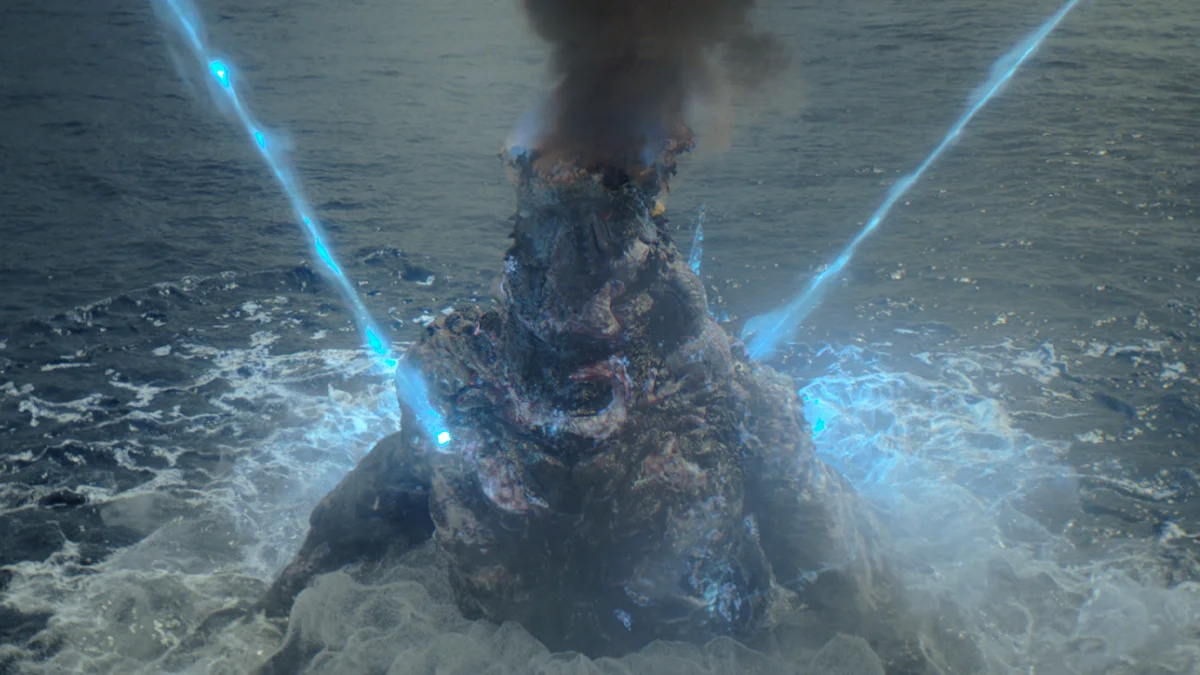
In a profound dialogue regarding the trajectory of Japan’s global cultural influence, two of the nation’s most prominent cinematic visionaries have issued a stark warning: the Japanese entertainment industry is cannibalizing its future by neglecting its youngest audiences. Hideaki Anno, the legendary creator of Neon Genesis Evangelion, and Takashi Yamazaki, the Academy Award-winning director of Godzilla Minus One, recently sat down with Forbes Japan to dissect the structural and cultural failings of the modern domestic media landscape.
While the Japanese government pushes for an aggressive expansion of its "Cool Japan" initiative, Anno argues that the foundation of this cultural export—content designed specifically for children—is crumbling. This neglect, he contends, creates a generational vacuum that threatens not only the domestic market but Japan’s standing as a global superpower of soft power.
Main Facts: The Warning from the Vanguard
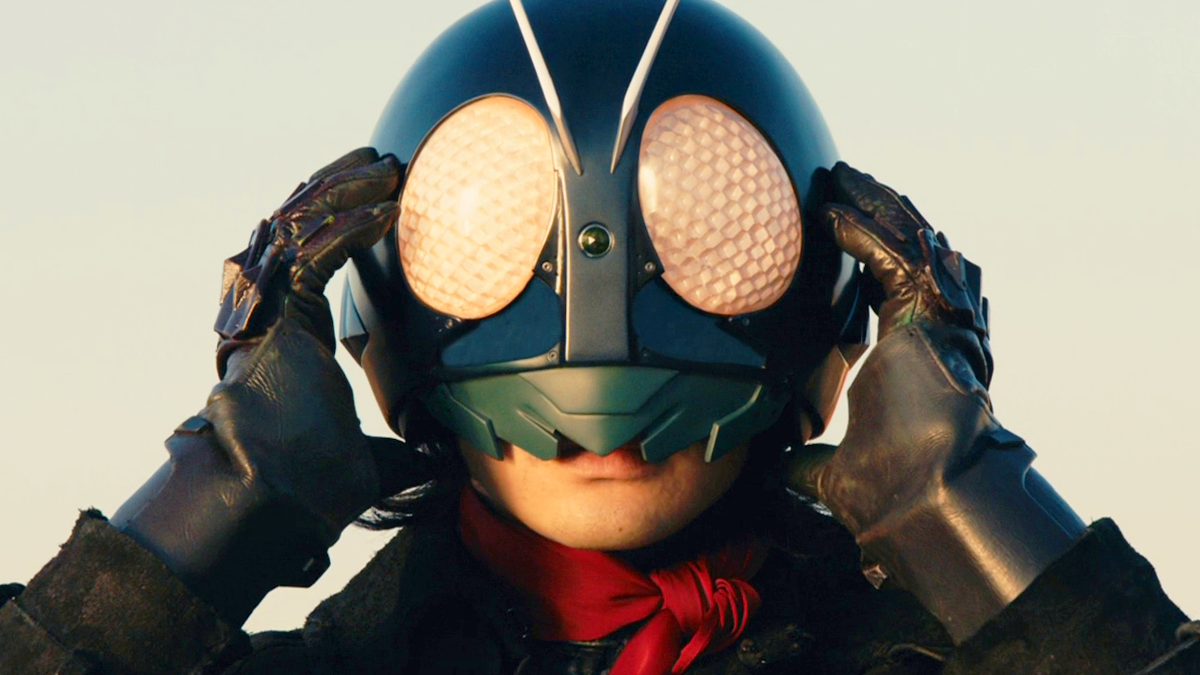
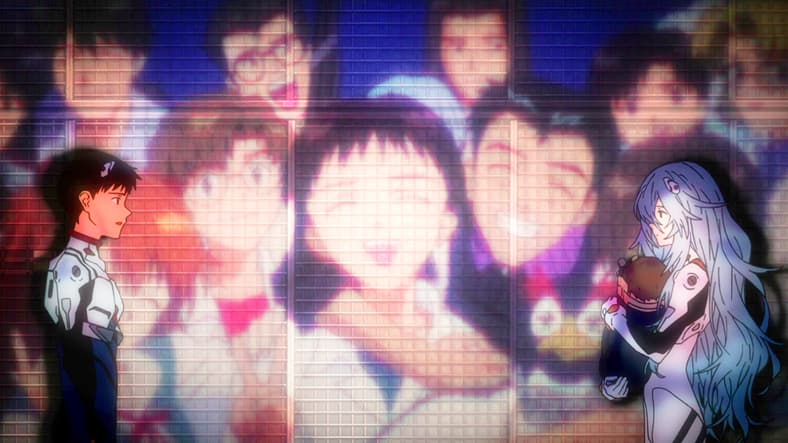
The core of Hideaki Anno’s critique lies in the disappearing genre of "kid-specific" works. Anno, who recently completed his "Shin" tetralogy (Shin Godzilla, Shin Ultraman, Shin Kamen Rider, and Evangelion: 3.0+1.0 Thrice Upon a Time), noted that the very programs that shaped his generation’s sensibilities—prime-time anime, tokusatsu (live-action special effects), and educational science shows—have largely vanished from the airwaves.
Key points raised during the discussion include:
- The Content Void: A significant decline in high-quality animation and live-action programming aimed at children, replaced by low-cost "variety shows" and adult-oriented content.
- The Economic Paradox: Despite record-breaking overseas sales, the internal production environment is "extremely tight," relying on a "tent pole" gambling model where a few hits subsidize a sea of deficits.
- Institutional Failure: A lack of state-level archiving and historical stewardship for the anime and tokusatsu industries, which Anno believes is vital for inspiring the next generation of creators.
- Labor Crisis: The collapse of the traditional apprentice system due to high taxes and thin profit margins, preventing the transfer of skills to young animators and filmmakers.
Chronology: From the Golden Age to the "Variety Show" Era
To understand the gravity of Anno’s concerns, one must look at the evolution of Japanese broadcasting over the last half-century. During the 1960s and 70s—the era in which Anno and Yamazaki came of age—Japanese television was defined by a robust schedule of children’s programming.

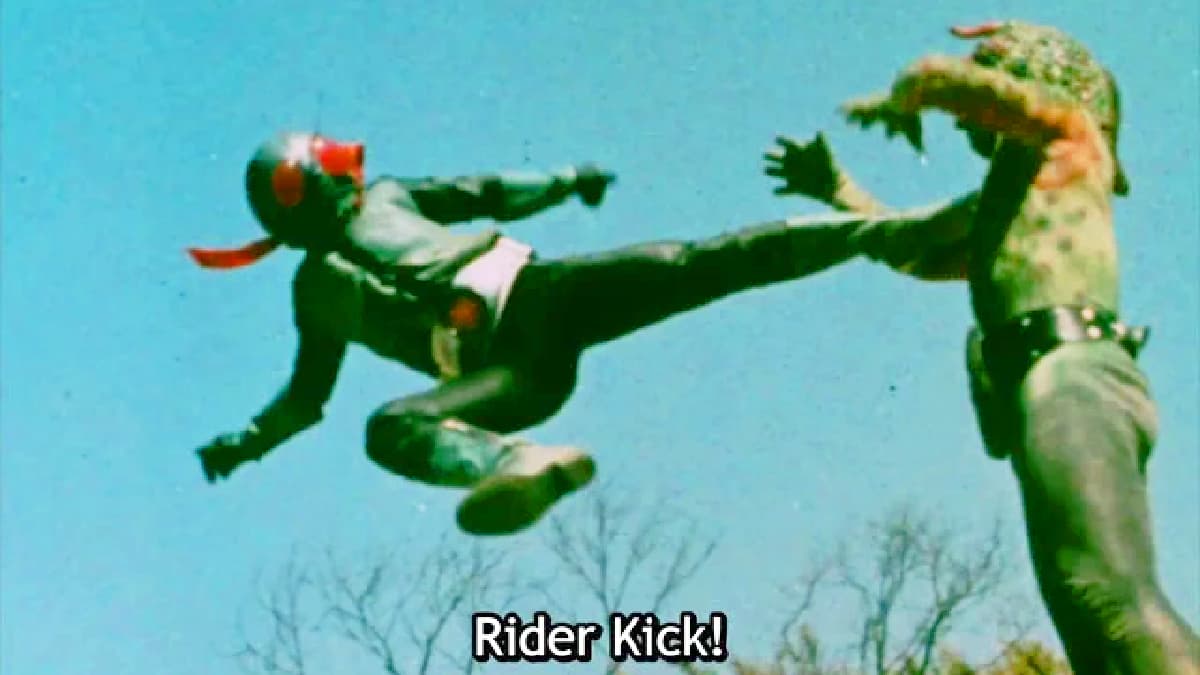
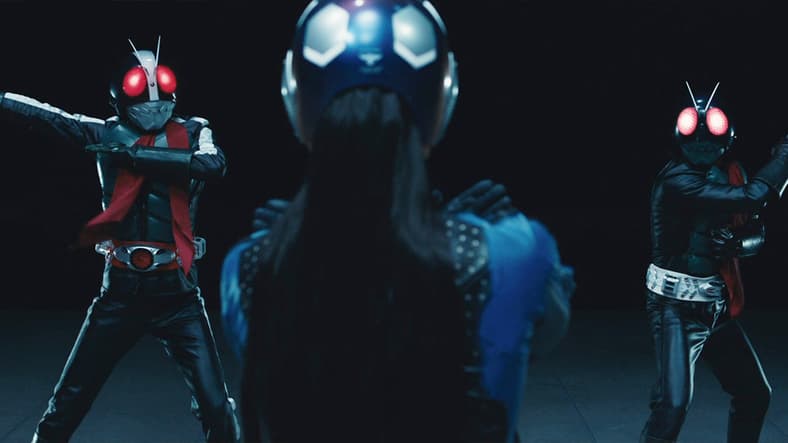
In 1971, the original Kamen Rider premiered, sparking a "Henshin" (transformation) boom that influenced everything from playground games to the toy industry. Simultaneously, anime was transitioning from experimental shorts into a dominant prime-time force. These works were not merely distractions; they were the primary vehicles for transmitting Japanese values, scientific curiosity, and artistic inspiration to the youth.
However, the late 1990s and early 2000s saw a shift. As Japan’s birthrate began its long-term decline, television networks moved away from the increasingly expensive production of scripted children’s content. In its place came "Variety Shows"—unscripted panel programs featuring celebrities—which are significantly cheaper to produce and appeal to a broader, aging demographic.
Anno points to this shift as a "compound problem." The declining birthrate provided the economic excuse to cut children’s programming, but the resulting lack of content has accelerated the decline of interest in the medium among the youth. By the time Anno launched the Shin project in 2016, he was essentially attempting to revitalize genres that had become nostalgic relics for adults rather than living traditions for children.
Supporting Data: The "Cool Japan" Ambition vs. Reality
The Japanese government’s "Cool Japan" strategy, refreshed in 2024, sets an ambitious target: tripling the country’s overseas media sales to ¥20 trillion JPY ($131.4 billion USD) by 2033. Currently, the sector sits at approximately $38 billion USD, a figure that famously exceeds the export value of Japan’s steel industry.
The Fiscal Disconnect
While the macro-economic data looks promising, Anno and Yamazaki highlight a micro-economic nightmare on the production floor.
- Taxation: Anno specifically cited high taxes as a barrier to reinvesting in "human resources."
- The Deficit Model: Yamazaki explained the "tent pole" concept, where the majority of films and series run at a loss. The industry survives on "gambling" for a massive hit like Godzilla Minus One or Demon Slayer to cover the failures of dozens of other projects.
- Low-Cost Transmission: Anno argued that the government focuses too much on the "money" and not enough on the fact that Japanese culture can be transmitted to the world at a "low cost" compared to Hollywood, provided the creative engine is maintained.
Official Responses and Stewardship
The discussion also touched upon the role of the state in cultural preservation. Anno expressed frustration with the current lack of a comprehensive national archive for the creative arts. While universities have recently begun to treat anime and tokusatsu as serious academic subjects, the physical materials—cels, scripts, props, and design documents—are often lost or destroyed.

"There are few critics with real insight," Anno lamented, calling for the government to step in where local governments and individual companies have reached their limits. He believes that preserving "intermediate production outputs" is essential for the "emotion and inspiration" of future creators. If a child cannot see how a masterpiece was constructed, they are less likely to believe they can create one themselves.
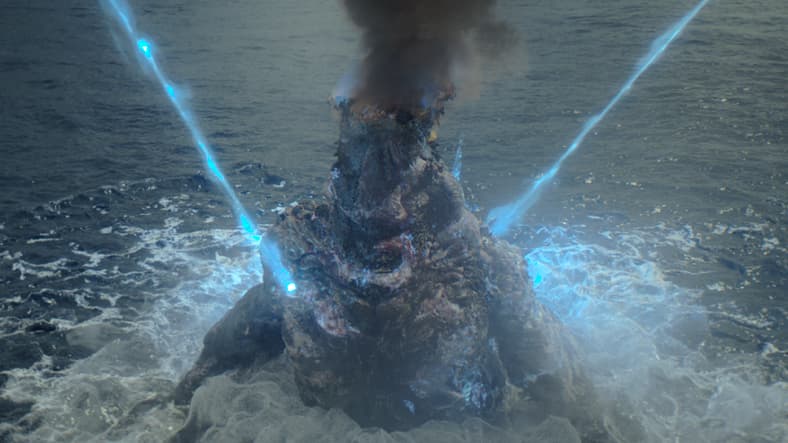
Takashi Yamazaki echoed these sentiments regarding the power of content as a diplomatic tool. He noted that after World War II, Japanese perceptions of the United States were transformed not by political rhetoric, but by domestic dramas like Father Knows Best. "Having people watch Japanese works and come to like Japanese people equals having them come to like Japanese products," Yamazaki stated. He credits Korea’s recent rise in "national power" to a similar, state-supported focus on cultural content.
Implications: A Future Without a Foundation
The implications of Anno’s warning are two-fold: one domestic and one international.
1. The Death of the Creative Pipeline
The most immediate threat is the collapse of the "apprentice system." In the past, young artists learned the craft of animation and filmmaking by working under masters on long-running children’s series. Without a steady stream of "simpler" children’s works to serve as a training ground, the barrier to entry for the industry becomes insurmountable. If the production floor remains "extremely tight," there is no room for error, and thus no room for learning.
2. The Loss of Global Soft Power
Internationally, Japan risks losing its "cool" factor if it stops producing content that captures the imagination of the world’s youth. While adult-oriented anime like Cyberpunk: Edgerunners or Attack on Titan are globally successful, they do not cultivate the lifelong brand loyalty that begins in childhood.
Yamazaki’s observation regarding Korea is particularly poignant. While Japan has historically relied on the "accidental" global success of its domestic products, South Korea has intentionally engineered its media for global youth consumption. If Japan continues to ignore the younger demographic in favor of "variety shows" and aging nostalgia, it may find itself sidelined in the very global market it seeks to dominate.

Conclusion
Hideaki Anno’s critique serves as a call to action for both the industry and the Japanese government. The "Cool Japan" initiative cannot be purely about export figures; it must be about the sustainable cultivation of the creative spirit. To ensure the next thirty years of Japanese media are as influential as the last thirty, the industry must return to its roots: creating high-quality, imaginative, and inspiring works for the next generation. As Yamazaki concluded, the current model is "close to gambling." And in gambling, eventually, the house always loses if the players stop coming to the table.










No comments yet. Be the first to join the conversation!