Ali Ikhwan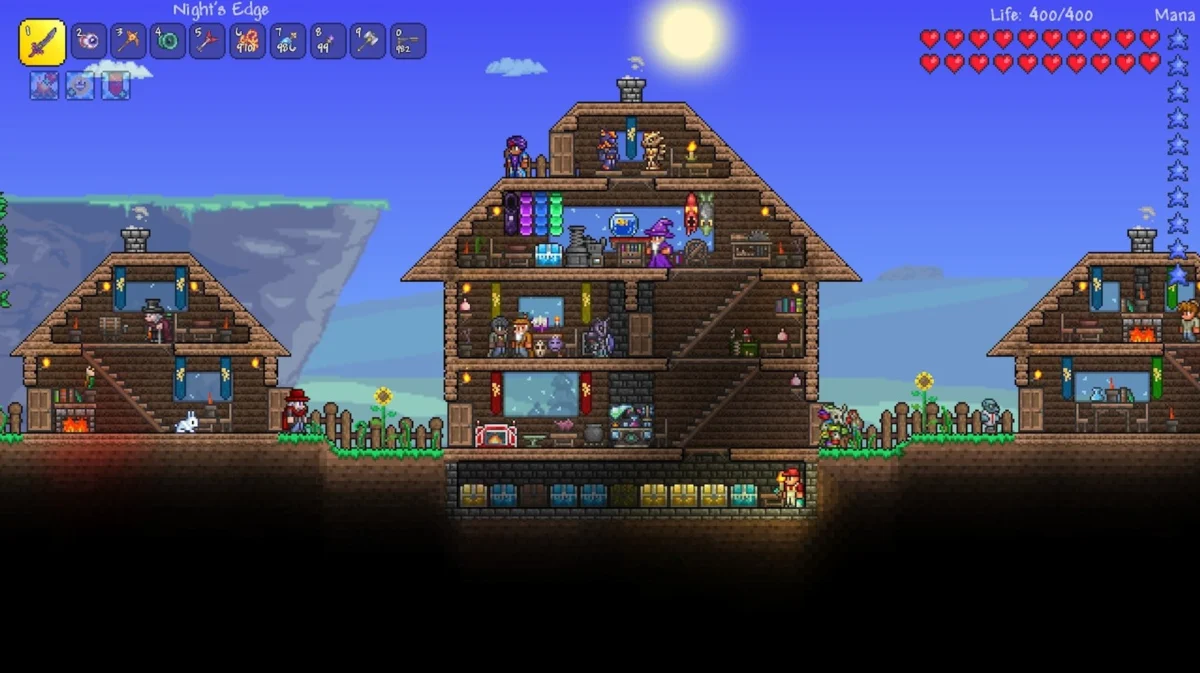
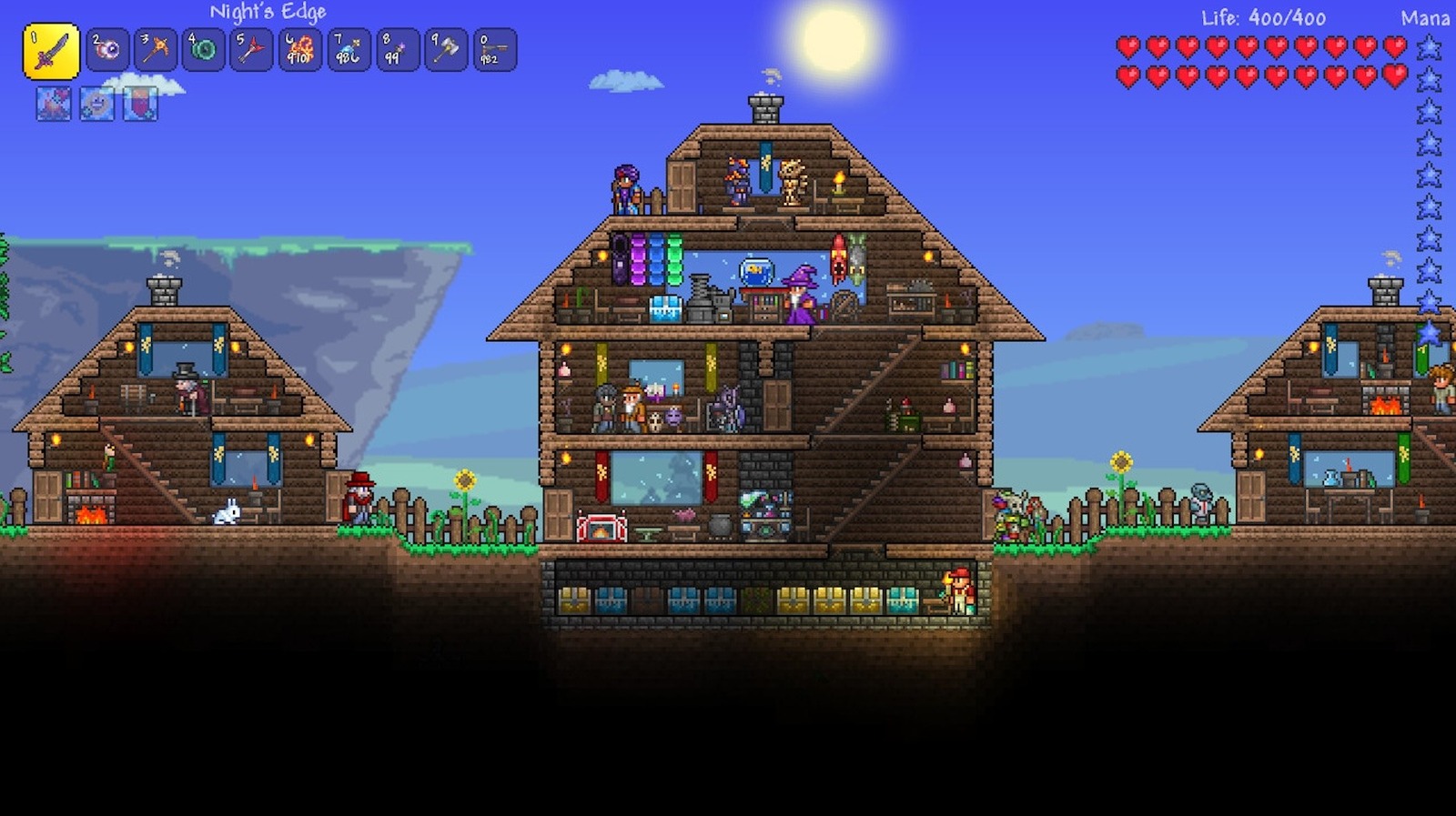
Fifteen years after its initial release, Terraria remains an anomaly in the gaming industry. While many titles fade into obscurity within months of launch, this sandbox phenomenon continues to grow, attracting millions of players and maintaining a cultural relevance that few indie games ever achieve. Over this past weekend, developer Re-Logic celebrated the game’s 15th anniversary with a significant roadmap update, confirming long-awaited features and announcing exclusive collector’s items that aim to cement the title’s legacy.
Main Facts: A New Era for Terraria
The headline announcement from Re-Logic is undoubtedly the confirmation of cross-play support. For years, the Terraria community has lobbied for the ability to play across disparate hardware, and the developer has officially confirmed that the feature is "on deck soon." This inclusion is expected to arrive alongside the upcoming 1.4.6 update, signaling that the game’s technical infrastructure is being overhauled to support a unified ecosystem.
In addition to technical improvements, Re-Logic is pivoting toward physical preservation. The developer announced a forthcoming 15th Anniversary Collector’s Edition box set, designed to serve as a definitive physical memento for long-time fans. While specific contents remain shrouded in mystery, the developer has teased that pre-orders for this limited release will commence in early June.
Complementing the physical set, Re-Logic has partnered with the boutique publisher Lost In Cult to produce Terraria: Design Works. This retrospective book is set to offer a deep dive into the development cycle, featuring never-before-seen concept art, developer anecdotes, and a chronicle of the game’s evolution from a modest project to a global phenomenon. Pre-orders for this volume open on May 28, with the book available both as a standalone purchase and as part of a premium "Deluxe Edition."
The Chronology of a Sandbox Giant
To understand the weight of these announcements, one must look back at the trajectory of Terraria. Released on May 16, 2011, for Microsoft Windows, the game was initially dismissed by some as a mere "2D Minecraft clone." However, it quickly carved out a distinct identity defined by its combat-heavy progression, complex boss fights, and a staggering array of tiered equipment.
- 2011–2012: The initial launch year saw rapid updates that expanded the game from a simple digging simulator into an action-RPG. The introduction of Hardmode during this window fundamentally altered the gameplay loop, transforming the world into a dangerous, endgame-focused landscape.
- 2013–2015: The "1.2" update represented the first massive content explosion, doubling the number of items and NPCs. This era saw Terraria expand to consoles and mobile, establishing the fragmented ecosystem that Re-Logic is only now beginning to bridge with cross-play.
- 2016–2020: During this period, the game entered a "final update" phase multiple times, only for the developers to continually find more features to add. The Journey’s End update (1.4) was marketed as the definitive conclusion to the game’s development, yet the developer’s commitment to the community proved stronger than their planned deadlines.
- 2021–Present: The post-1.4 era has been defined by polish, stability, and community-driven content. The announcement of 1.4.6 and cross-play confirms that the "final" update was merely a transition into a long-term maintenance and expansion phase that shows no signs of slowing down.
Supporting Data: By the Numbers
The sheer scale of Terraria’s success is evidenced by the staggering statistics released by Re-Logic during this anniversary celebration. With over 70 million copies sold across PC, console, and mobile platforms, Terraria has firmly planted itself in the pantheon of the best-selling video games of all time.
Perhaps more impressive than the sales figures is the engagement data. Re-Logic reported that the average playtime for PC users sits at approximately 101 hours and 18 minutes. In an era of short-lived "live service" games, an average session length of over 100 hours is a testament to the game’s depth and replayability. These numbers suggest that the game has transcended the typical "buy-and-play" cycle, becoming a staple utility in many players’ libraries—a title they return to whenever a new update drops or when they simply crave the familiar satisfaction of the game’s loop.
Official Responses and Developer Philosophy
The spirit of Re-Logic’s announcement is encapsulated in a poignant promise: "The world of Terraria remains and will remain vibrant and alive for as long as we have anything to say about it."
This sentiment highlights a unique relationship between the developer and the player base. Unlike larger publishers that often treat games as disposable assets, Re-Logic has consistently prioritized the longevity of their flagship title over the immediate development of a sequel. The partnership with Lost In Cult for the Design Works book is particularly telling. By commissioning a retrospective that highlights "fun stories from dev-land," Re-Logic is signaling a transition toward legacy-building. They aren’t just updating code; they are curating a history.
In their official communications, the team acknowledged that the upcoming book is a "glimpse behind the curtain," intended to honor the journey of both the game and the team. By documenting the "phenomenon that is Terraria," the studio is validating the time and passion invested by their millions of fans over the last decade and a half.
Implications: The Future of the Sandbox Genre
The confirmation of cross-play is the most significant technical development in the game’s recent history. For a title that has been fragmented across different versions for years—often with console and mobile players lagging behind the PC version in terms of features—the promise of cross-play implies a massive architectural unification. This suggests that future content updates will likely roll out simultaneously across all platforms, ensuring that the community remains synchronized regardless of their preferred hardware.
Furthermore, the focus on high-end physical collectibles suggests that Terraria is entering a "prestige" phase. By targeting the collector market, Re-Logic is acknowledging that their player base has matured alongside the game. Many of the people who played Terraria as children in 2011 are now adults with the disposable income to invest in high-quality, physical artifacts of the game they grew up with.
The long-term implication is clear: Terraria is no longer just a piece of software; it is a permanent fixture in the gaming canon. As we look toward the 1.4.6 update and beyond, the message from Re-Logic is one of continuity. There is no urgency to retire the game, no move toward a "Terraria 2" that would cannibalize the existing player base, and no sign of the developer abandoning their creation.
Instead, the next chapter of Terraria is about consolidation—bringing the community together through cross-play, documenting the past through professional retrospective literature, and continuing to refine a formula that has already proven its timelessness. In an industry defined by relentless cycles of release and abandonment, Terraria stands as a rare beacon of sustained, iterative excellence. As the game enters its 16th year, it remains not only "vibrant and alive" but more unified than it has ever been.

 Sagoh
Sagoh
 Raul Delapena Setiawan