Asro
Asro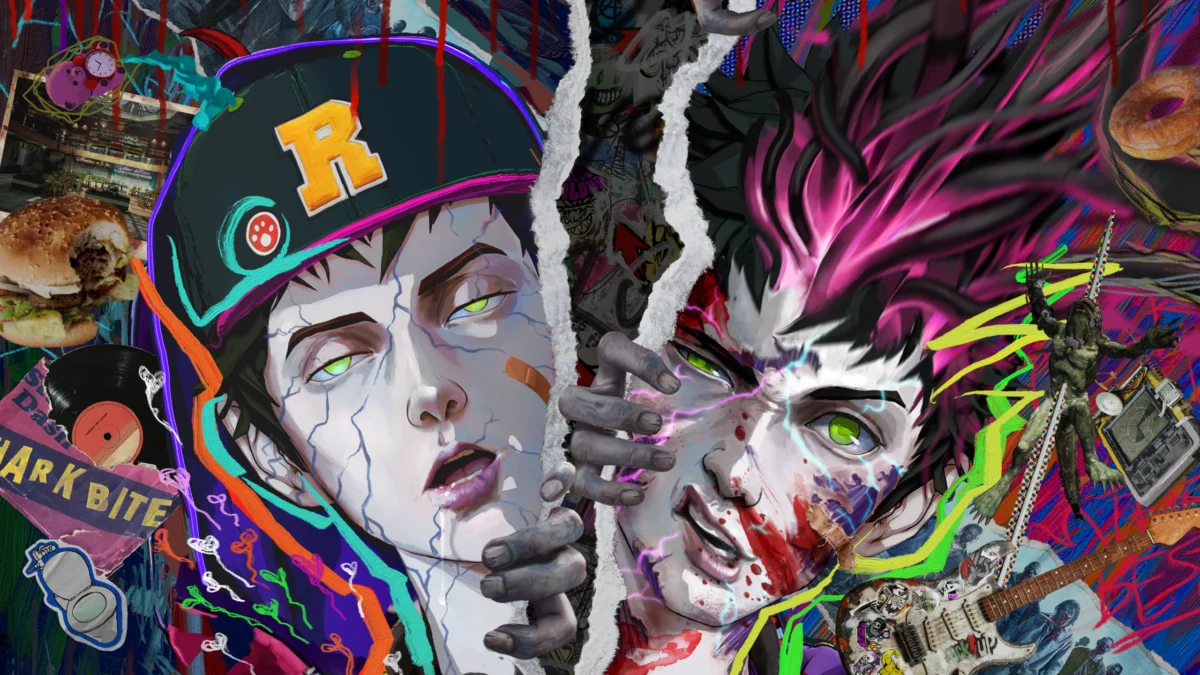
In the landscape of modern gaming, where the industry often pivots between the punishing, methodical difficulty of "Soulslike" titles and the sprawling, endless nature of open-world live-service games, a new contender has emerged to bridge the gap. Stupid Never Dies, the debut title from GPTRACK50—a fresh studio headed by legendary producer Hiroyuki Kobayashi—is promising to redefine the action genre. By blending the frantic, high-octane DNA of classic Capcom hits with a design philosophy centered on accessibility and "blazing fast" progression, the studio is aiming to capture the hearts of both veteran combo-masters and casual players alike.
The Architect: Hiroyuki Kobayashi and the Birth of GPTRACK50
To understand the ambition behind Stupid Never Dies, one must first look at the man steering the ship. Hiroyuki Kobayashi is a name synonymous with the golden age of Capcom action games. Having served as a producer on pillars of the industry such as Resident Evil, Devil May Cry, and Dragon’s Dogma, Kobayashi carries with him a pedigree of mechanical precision and atmospheric storytelling.
After departing Capcom, Kobayashi founded GPTRACK50, a subsidiary of NetEase Games. The studio is not merely a vanity project; it is a specialized assembly of industry veterans. By pooling talent with deep roots in the aforementioned franchises, GPTRACK50 is essentially operating as a "supergroup" of developers tasked with creating a new paradigm for action-RPGs. Stupid Never Dies represents the culmination of this collective experience, serving as a statement of intent for the studio’s future.
Chronology and The Narrative Hook: Davy’s Descent
The story of Stupid Never Dies is as unorthodox as its title. Players assume the role of Davy, a protagonist who—by his own admission—is a "freshly risen zombie." This isn’t a tragic, brooding undead tale; it is a mission of love and frantic survival. Davy must descend into the labyrinthine, nightmarish dungeons of Hell. His objective? To recover "Over-Technology"—a mysterious, powerful resource essential for saving the human race, but more importantly, for rescuing the love of his life.
The game’s narrative structure is intrinsically tied to its core gameplay loop. As a zombie, Davy is not bound by the limitations of a living body. This allows for a level of narrative and mechanical flexibility that would be impossible with a standard human protagonist. The tone is self-aware, described by the developers as "fun with a slightly spooky edge," ensuring that while the setting is morbid, the experience remains vibrant, humorous, and exhilarating.

The "Blazing Fast" Gameplay Loop
If the title Stupid Never Dies sounds chaotic, it is intentional. The gameplay is built on the concept of "Blazing Fast" action—a design ethos that prioritizes rapid progression and momentum. Unlike traditional action games that might require hours of practice to master a single combo, Stupid Never Dies encourages players to experiment, adapt, and grow at an accelerated pace.
Combat Styles and Over-Technology
At the heart of the combat system is a deep, modular approach to character building. Davy can warp his body to equip massive, "Over-Technology" weapons on his arms, legs, and head. Players have access to 11 distinct combat styles, each inspired by classic monster archetypes but reimagined through a twisted, mechanical lens.
The list of styles is extensive and varied:
- The Golem: Providing a tank-like, heavy-hitting presence.
- The Lich: Offering magical prowess to control the battlefield.
- The Harpy: Facilitating aerial combat and vertical movement.
- The Werewolf: Focusing on raw, ravaging speed and physical aggression.
- The Demon: A tactical powerhouse that utilizes whips and gravity manipulation to zone enemies.
- The Vampire: Allowing for health-leeching capabilities during the heat of battle.
The true genius of the system lies in the ability to swap these styles on the fly. A player might launch an enemy into the air as the Creature from the Black Lagoon, swap to the Vampire to drain the foe’s health mid-air, and then finish with a bone-crunching slam as the Skeleton. This juggle-heavy, combo-centric flow is clearly inherited from the Devil May Cry lineage, but it is stripped of the "punishing" technical barrier to entry.
Strategic Growth vs. Mechanical Mastery
One of the most significant takeaways from our discussion with Hiroyuki Kobayashi is the studio’s deliberate departure from the "high-difficulty" trend that has dominated the industry for the last decade.

"There have been many ‘high-difficulty’ games in recent years," Kobayashi noted. "We wanted to differentiate ourselves from that trend. Rather than creating an action game where players overcome difficulty purely through technical skill, we felt it would be more accessible as a new title if players could tackle challenging situations through strategy and character progression."
This shift in philosophy is what defines the "roguelike" elements of the title. Players are faced with time limits as they descend through the dungeon floors. This artificial pressure forces quick decision-making. However, because the game emphasizes character growth, the player’s power level increases so drastically throughout a run that a challenge which felt insurmountable minutes prior can be trivialized by the time the player reaches the next floor. It is a feedback loop designed to reward the player’s strategic choices in gear and style-selection rather than demanding perfect frame-data execution.
The Technological and Platform Outlook
As development progresses toward a targeted 2026 release, GPTRACK50 has been transparent about its platform strategy. Due to the resource-intensive nature of the game’s high-fidelity, high-speed combat, the studio is focusing its initial development on PlayStation and PC.
The inclusion of the Steam Deck in the studio’s considerations is a promising sign for the title’s portability. While Xbox and Nintendo Switch versions have not been ruled out, they remain on the periphery of the current development roadmap. The decision reflects a pragmatic approach: ensure the core, "blazing fast" experience is perfectly optimized for the most powerful hardware first, before expanding to other ecosystems.
Implications for the Industry
The announcement of Stupid Never Dies is a signal that the "Action-RPG" genre is entering a new phase of evolution. By taking the high-octane, combo-heavy aesthetics of the early 2000s and wrapping them in a modern, accessible, and time-conscious framework, GPTRACK50 is positioning itself to capture an audience that feels left behind by the recent shift toward hyper-difficulty.

Furthermore, the involvement of NetEase Games provides the financial and technical backing necessary to ensure this isn’t just a nostalgic callback, but a cutting-edge experience. If Stupid Never Dies succeeds, it could trigger a trend toward "faster" games—titles that respect the player’s time while still providing the deep, satisfying combat systems that fans of the genre crave.
Conclusion: A Future of Endless Possibilities
As we look toward 2026, the industry has much to watch for in Stupid Never Dies. It is a game that refuses to take itself too seriously while taking its game design incredibly seriously. From the "spooky-fun" aesthetic to the deep, modular combat system that rewards experimentation over memorization, Hiroyuki Kobayashi’s latest venture feels like a breath of fresh air.
Whether you are a veteran of Resident Evil looking for your next fix or a newcomer looking for a fast-paced, rewarding action experience, Stupid Never Dies is shaping up to be one of the most anticipated titles of the coming years. In an industry that often celebrates the "difficulty" of its games, it is refreshing to see a studio celebrate the pure, unadulterated joy of play. As the studio continues its work, one thing is certain: the legacy of the developers behind Devil May Cry is in safe, and very fast, hands.



 Muslim