Reynand Wu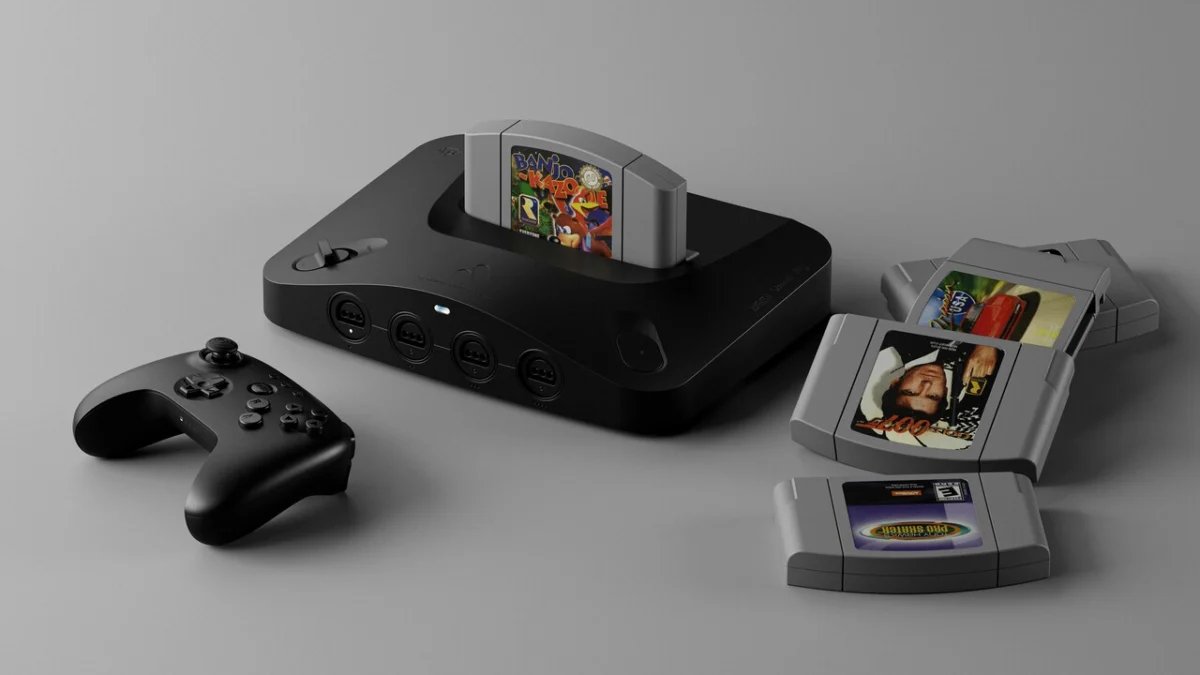
In a significant move for the retro-gaming community, Analogue has released a comprehensive firmware update for the Analogue 3D, its highly anticipated hardware-emulation console designed to play original Nintendo 64 cartridges. The update, version 1.3.0, addresses one of the most requested features by the N64 fan base: the implementation of a robust Save-State system. By introducing "Memories," Analogue is not only modernizing the experience of playing 25-year-old hardware but also refining the technical reliability of its console.
This update represents a critical juncture for the Analogue 3D, positioning it as both a purist’s tool for FPGA-based hardware accuracy and a modern device capable of convenience features that original N64 hardware lacked.
The Evolution of the Analogue 3D: A Chronology
To understand the significance of this update, one must look at the trajectory of Analogue as a company. Since its inception, the brand has focused on FPGA (Field Programmable Gate Array) technology, which allows for hardware-level recreation of vintage consoles rather than software emulation.
- Initial Launch: The Analogue 3D was released with the promise of "100% compatibility" with the N64 library, supporting original controllers, cartridges, and accessories.
- Early Reception: While praised for its visual output and hardware accuracy, users noted a lack of modern convenience features, particularly the ability to create save states, which had become a staple of the Analogue Pocket handheld since 2022.
- Feedback Loop: Following the console’s launch, the developer community and vocal user base pushed for a way to save progress without relying on battery-backed cartridges or the aging Controller Pak hardware.
- The 1.3.0 Milestone: Released in early 2025, version 1.3.0 is the culmination of months of engineering, bringing the 3D console closer to the feature-parity of its sibling devices.
The "Memories" System: A Paradigm Shift in N64 Gaming
The centerpiece of the 1.3.0 update is undoubtedly the "Memories" feature. Historically, the Nintendo 64 relied on two primary methods for saving data: internal battery-backed SRAM within specific game cartridges, and the external "Controller Pak" (a memory card inserted into the back of the N64 controller).
How Memories Functions
"Memories" provides an elegant, system-level solution. By capturing the state of the console’s memory, users can effectively "freeze" a game at any given moment and return to it instantly. This is a game-changer for titles that lack modern save points, or for players who have limited time for longer gaming sessions.
Key technical aspects of the Memories system include:
- System Integration: The feature is integrated directly into the 3DOS library and the in-game menu, ensuring that the save state does not interfere with the FPGA’s hardware-level accuracy.
- Capacity: Each individual game supports up to 20 unique "Memories" points. To ensure system stability, the console implements a "First-In, First-Out" logic: when a player creates a 21st save, the oldest entry is automatically purged.
- Hardware Agnostic: The system allows for the consolidation of save data. It bridges the gap between the volatile nature of physical Controller Paks and digital storage, effectively allowing users to manage their game progression without worrying about the failure of proprietary hardware components.
Technical Refinements and Hardware Compatibility
Beyond the headlining features, the 1.3.0 update introduces a suite of stability patches and quality-of-life improvements aimed at optimizing the user experience.
Enhanced Controller Management
One of the most complex aspects of the N64 ecosystem is the variety of peripherals. The update specifically addresses several pain points:
- Wireless Controller Stability: Problems regarding save management for users of 8BitDo 64-BT controllers have been mitigated. Specific titles like Doom 64 and Cruis’n USA, which previously exhibited erratic behavior with these controllers, are now reported to be fully stable.
- The "No Pak" Feature: This new option is a clever software-level adjustment. It restricts access to the physical cartridge save memory when wireless controllers are used, preventing potential data corruption. It automatically toggles based on whether a physical cartridge is detected, showing a high level of intelligent automation in the firmware design.
- Automatic Rumble Handling: In games like Chameleon Twist, the console now defaults to a virtual Rumble Pak instead of a Controller Pak. This small but vital change prevents the boot-up conflicts that often plagued users attempting to use modern wireless controllers with titles that expected specific original hardware configurations.
Performance Improvements
Analogue has optimized the responsiveness of the system menus. Users will notice a snappier interface when navigating between Optical Disc Modules (ODMs) and virtual Paks. The reduction in input lag within the menu system is a direct response to user feedback requesting a more seamless transition from game-playing to file-management tasks.
Official Responses and Developer Intent
While Analogue is famously tight-lipped regarding future roadmaps, the documentation accompanying the 1.3.0 update emphasizes the company’s commitment to "Preservation through Accuracy."
A spokesperson for the company noted: "Our goal with the Analogue 3D is to provide a platform that honors the history of the Nintendo 64 while acknowledging the realities of modern play. The Memories feature is not meant to replace the original hardware experience, but to supplement it in a way that allows a broader audience to enjoy the library of over 900 titles without the friction of 1990s-era storage limitations."
The update requires that users verify their controller firmware is at version 2.05 or higher. This requirement highlights the interconnected nature of Analogue’s ecosystem—where the console firmware, the controller firmware, and the FPGA core must all be in sync to ensure optimal performance.
Implications for the Retro-Gaming Market
The release of version 1.3.0 carries significant implications for the broader retro-gaming industry.
- Standardization of Convenience: By normalizing save-state features on a high-end, hardware-accurate console, Analogue is setting a new benchmark. It effectively forces competitors and software-emulation developers to match this level of integration.
- Increased Value of Physical Media: By providing a modern way to manage save files, the Analogue 3D makes original N64 cartridges more "playable." Collectors who were previously hesitant to play expensive or rare games for fear of degrading the internal battery can now rely on the console’s persistent memory.
- The "Hardware Accuracy" Debate: Critics of save states have historically argued that they ruin the "intended challenge" of older games. However, the success of the Analogue Pocket and now the Analogue 3D suggests that the vast majority of the community values accessibility. By making these features optional, Analogue has managed to satisfy both the hardcore purist and the modern gamer.
Conclusion: A Console Rejuvenated
The 1.3.0 firmware update for the Analogue 3D is more than just a collection of bug fixes; it is a declaration of the platform’s maturity. By successfully integrating the "Memories" system without compromising the FPGA-based hardware accuracy that defines the brand, Analogue has ensured that the Analogue 3D remains the definitive way to experience the N64 library in the modern era.
As the community continues to test the limits of the new save-state system, the focus will likely shift toward further optimization of wireless controller protocols and perhaps even broader support for third-party N64 peripherals. For now, owners of the console have been given a robust set of tools that breathe new life into their classic collections, making the Nintendo 64 experience more reliable, accessible, and enjoyable than ever before.
With this update, Analogue has proven that even after the initial launch of a premium product, the iterative process of software refinement is where the true value of a high-end console lies. Users are encouraged to visit the official Analogue support page to download the latest firmware and consult the updated documentation to ensure their setup is fully compatible with the new feature set.


 Basiran