

In an era defined by an unrelenting barrage of information, the modern marketing leader faces a paradox: never before has so much data been available, yet never has it been more difficult to discern what actually matters. The inbox is a battlefield of "must-read" reports, LinkedIn think pieces, and endless podcasts. For the C-suite and marketing strategists, the challenge is no longer about accessing information—it is about finding the right filters.
Convince & Convert (C&C), a prominent voice in the digital marketing consultancy landscape, has officially recognized this shift in consumer behavior. After analyzing annual audience research, the firm has announced a significant pivot in its own communication strategy: the retirement of its long-standing newsletter, ON, and the launch of a new, strategically curated resource titled The Trendline. This evolution serves as a case study for brands everywhere, suggesting that the future of email marketing lies not in volume, but in the delivery of high-density, actionable intelligence.
The Data: Why Newsletters Still Rule the Roost
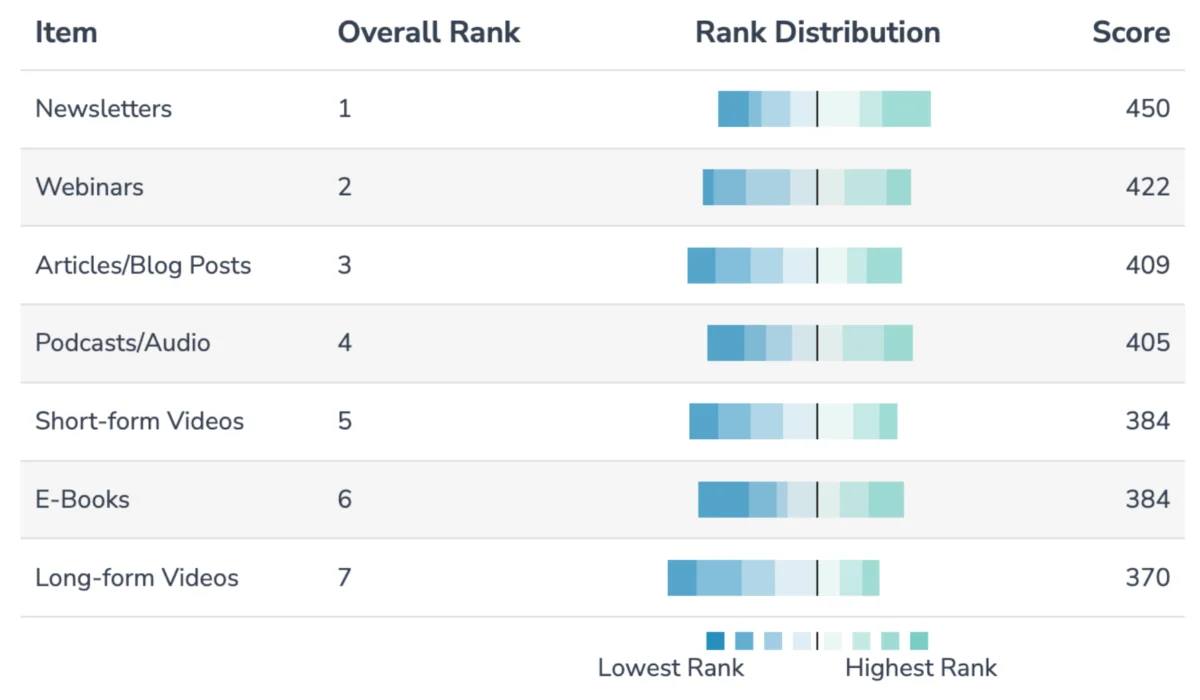
Despite the rise of short-form video, high-production webinars, and algorithmic social media feeds, data from Convince & Convert’s most recent annual survey of marketing leaders reveals a surprising truth: the newsletter remains the preferred format for professional development.
When asked to rank seven distinct content formats by preference, respondents consistently placed newsletters at the top. The disparity was not marginal; newsletters were nearly twice as likely to be ranked first as any other medium. This preference highlights a critical shift in how decision-makers value their time. They are moving away from "passive consumption"—scrolling through feeds—toward "active, curated learning."
The data suggests that marketing leaders are suffering from content fatigue. When information is presented as a firehose, it becomes a burden. When it is presented as a "debrief"—a synthesis of what happened and, more importantly, why it matters—it becomes an asset.
A Chronology of a Content Pivot
The transition from ON to The Trendline was not a reactionary decision; it was the result of a deliberate, multi-year observation of audience behavior.

For years, Convince & Convert followed the industry-standard playbook: a diverse mix of blog posts, podcast highlights, and research snippets. While this served to distribute the firm’s vast library of content, feedback loops indicated that it was beginning to fall short of the evolving needs of its readership.
- Phase 1: Diagnosis. Through annual surveys, C&C identified that their audience was increasingly frustrated by the need to click through multiple links to extract value. The "listicle" approach was losing its effectiveness as the quality bar for digital content continued to rise.
- Phase 2: Rethinking the Architecture. The team recognized that a newsletter’s value is derived from its ability to function as a consultant rather than a content aggregator. They began asking: How can we provide strategic value without forcing the user to leave their inbox?
- Phase 3: The Rebrand and Structural Shift. The decision was made to move away from ON—a name that lacked distinct brand identity—to The Trendline, a title designed to signal a shift toward topical, forward-looking insights.
- Phase 4: Launch and Iteration. The new format debuted with a focus on "value-upfront" content. Every section was redesigned with specific guidelines to ensure brevity, clarity, and, most importantly, the "so what?" factor—the analysis of why a particular story matters to a marketer’s bottom line.
Rethinking the "Click-Through" Metric
For over a decade, the primary KPI for email marketing has been the click-through rate (CTR). However, C&C’s leadership argues that this metric is increasingly deceptive.
"Marketing leaders don’t need more content in their inboxes," says the team at C&C. "We want to be entertained, inspired, and feel smarter." By prioritizing a format that provides the full insight within the body of the email, C&C is fundamentally challenging the traditional "tease and click" model.
This is a high-stakes bet. By choosing to prioritize the reader’s time over their own traffic metrics, the firm is banking on the idea that authority and trust—built through providing actual value inside the email—are more valuable than a high click count. This creates a "long-game" strategy: if the reader learns to trust the newsletter as a primary source of truth, the relationship between brand and audience deepens, leading to higher engagement and long-term brand loyalty.
Official Strategy: The Pillars of The Trendline
The restructuring of The Trendline is anchored in four primary improvements, each designed to address the pain points of the modern CMO:
- Strategic Debriefing: Rather than just news, the newsletter provides a team-led analysis of topical resources. It answers: Why does this story matter? What questions should you be asking your team?
- Curated Hierarchy: Information is no longer organized by the medium (e.g., "our latest blog," "our latest podcast"). Instead, it is organized by importance, ensuring the most impactful insights appear first.
- Compact Formatting: Recognizing that leaders are often reading on mobile devices between meetings, the content is condensed. The focus is on dense, high-impact language.
- Interactive Engagement: Through the "Sound Off" poll feature, the firm introduces a new, meaningful engagement metric that tracks reader sentiment, moving beyond the "muddier" data of open and click rates.
Implications for the Broader Industry
The shift at Convince & Convert acts as a canary in the coal mine for the wider marketing industry. As AI-generated content continues to flood the internet, the value of human curation—the ability to interpret, synthesize, and predict—is skyrocketing.

1. The Death of the "Link Dump"
Brands that continue to view their newsletter as a mere RSS feed of their website content will likely see their engagement rates continue to slide. The audience of 2025 is sophisticated; they are looking for a filter, not a repository.
2. The Rise of the "Consultant-Newsletter"
The most successful newsletters of the future will function like outsourced consultants. They will do the "thinking" for the reader. Brands that can successfully synthesize market shifts and present them with a clear strategic lens will earn the most valuable commodity in the digital age: attention.
3. Audience Research as a Competitive Moat
The decision to pivot was based on hard data, not intuition. The implication is clear: if a brand does not know how their audience prefers to consume information—whether they want long-form, short-form, video, or text—they are essentially shooting in the dark. Regular, rigorous audience research is no longer a luxury; it is a fundamental requirement for content survival.
Conclusion: Lessons for the Marketing Leader
As we move further into an era where trust and attention are increasingly scarce, the lesson from The Trendline is clear: prioritize the reader’s time.
Marketing leaders must go through the same rigorous thought process that C&C applied to their own transformation. Before sending the next newsletter, they should ask:
- Does this content provide value before the reader clicks?
- Does it help the reader make a better decision, or is it just noise?
- Does the format reflect how my audience actually lives and works today?
Ultimately, the goal of modern email marketing is not to keep the audience informed; it is to help them learn, think, and solve problems. By moving away from the "content treadmill" and toward a model of curated intelligence, brands can re-establish their authority and build the kind of trust that survives even the most volatile market shifts. The future belongs to those who provide the signal, not the noise.












No comments yet. Be the first to join the conversation!