Nana Wu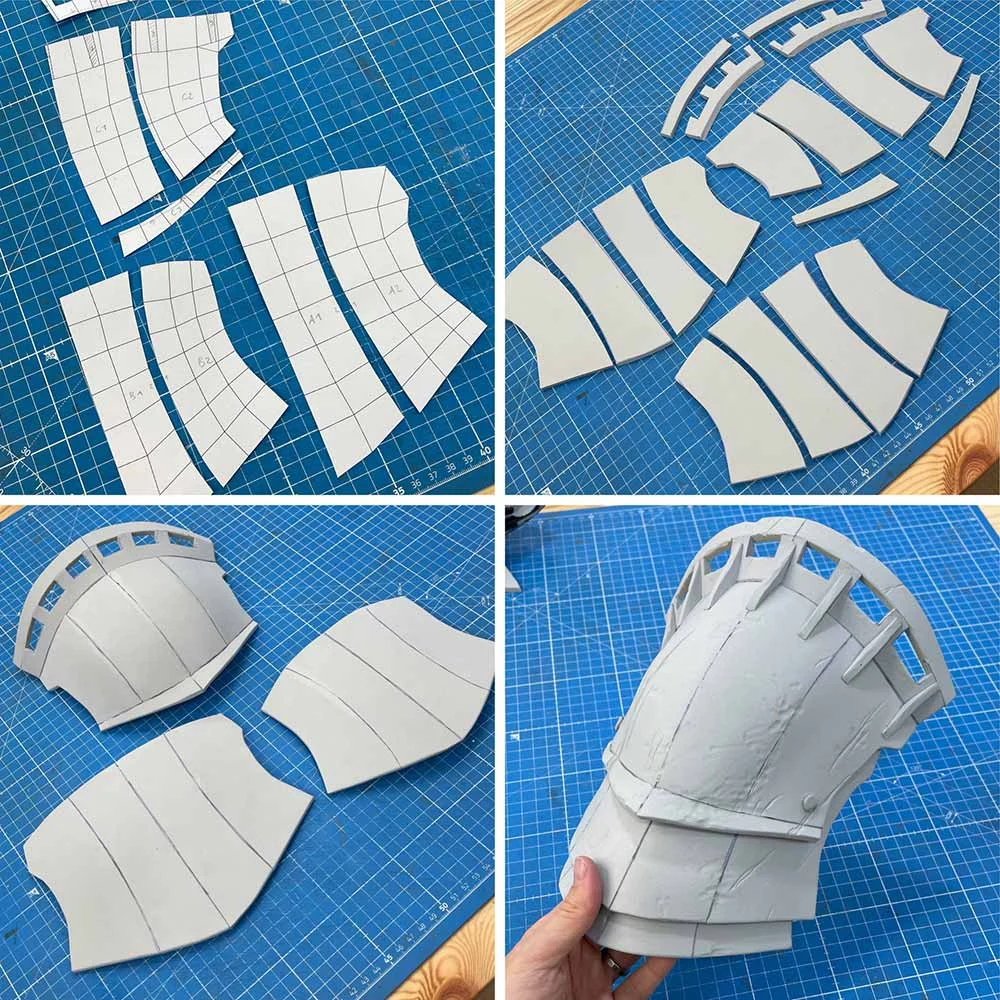
When Gearbox and Gunfire Games approached the renowned cosplay duo Kamui Cosplay to celebrate the release of Remnant II, the challenge was clear: bring the gritty, high-stakes aesthetic of the game’s post-apocalyptic world into reality. Known for their intricate armor builds and mastery of EVA foam, the team turned their attention to the "Gunslinger"—a DPS-heavy archetype that perfectly captures the game’s brutal, scavenged charm. This project was not merely a costume commission; it was an exploration of how modern 3D modeling, traditional crafting, and resourceful repurposing can blur the line between a digital asset and a physical prop.
The Merciless Blaster: Engineering a Digital Icon
The centerpiece of the build was the "Merciless Blaster," a weapon defined by its organic, nightmarish design. Featuring a pulsing core, swirling vine-like structures, and ten glowing red "demon eyes," the weapon presented a unique engineering challenge.

Chronology of the Blaster Build
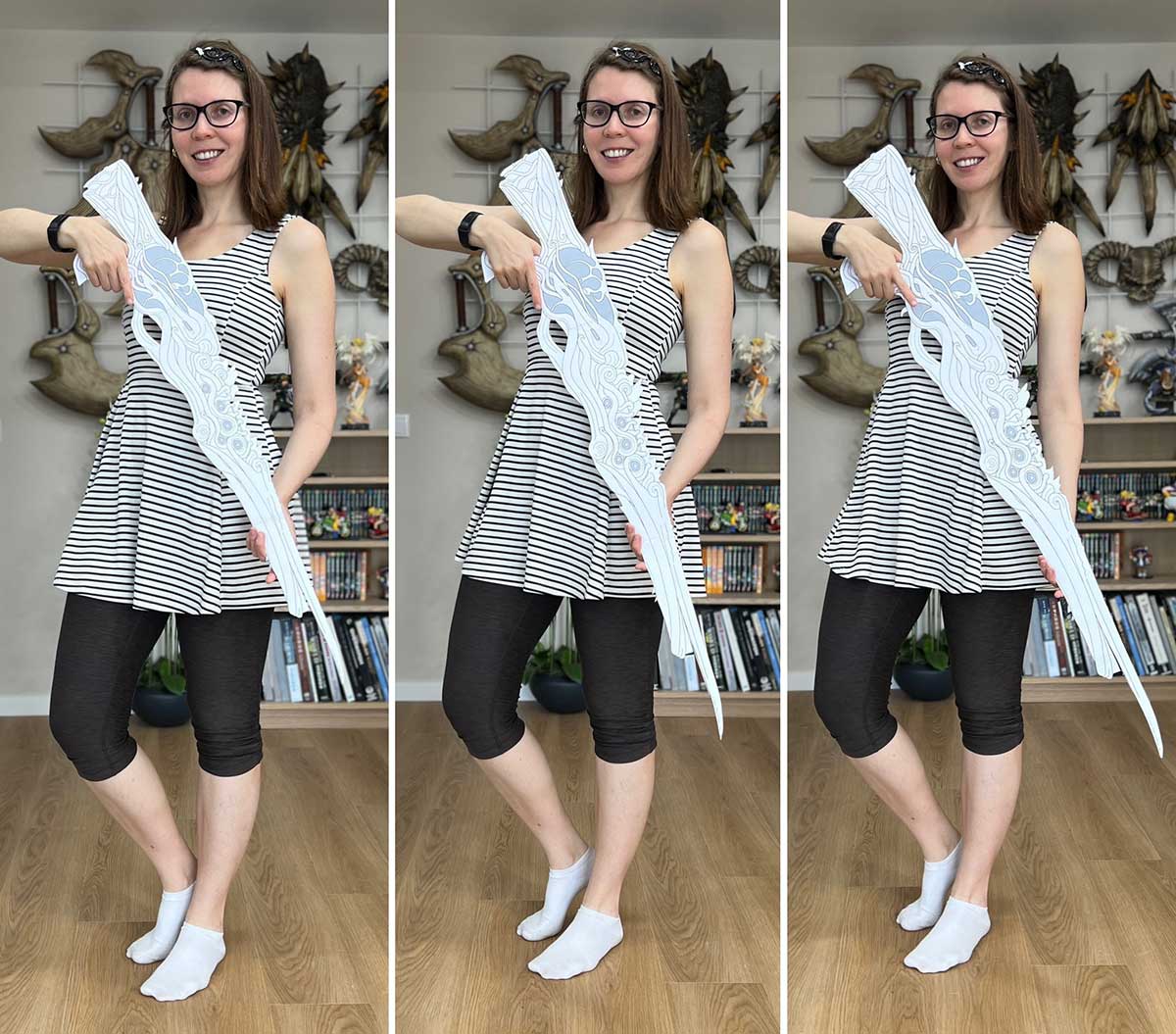
The development began with rigorous prototyping. To ensure the prop felt substantial yet balanced, Benni, the project’s technical lead, produced detailed blueprints and three distinct paper dummies scaled to size. This step is critical in cosplay engineering, as viewing a 3D model on a screen often misrepresents how the prop will sit against the human frame.
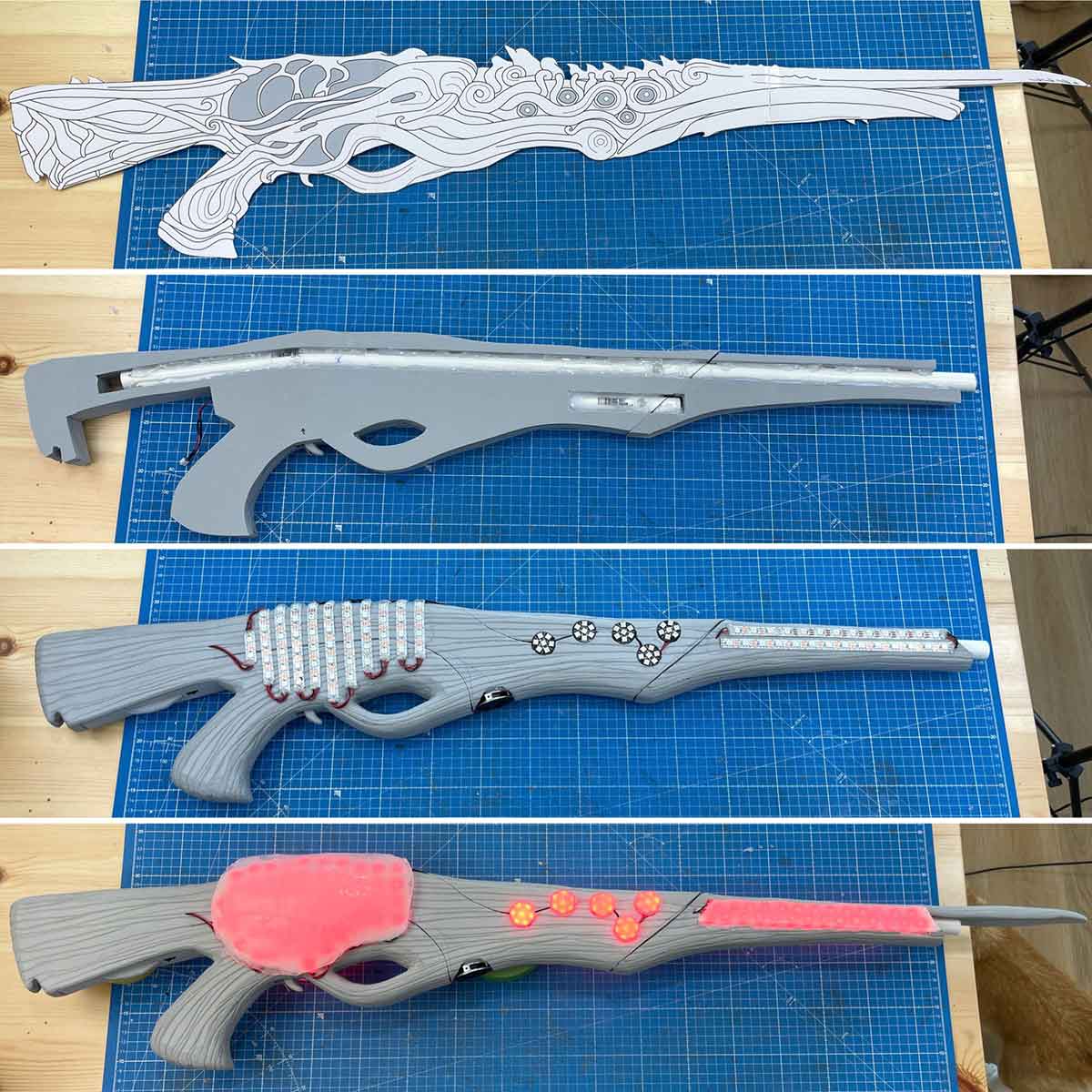
Once the proportions were locked in, the team moved to construction. The base of the blaster was formed from a non-plasticized PVC pipe, which was heat-shaped and reinforced with high-density EVA foam. This hybrid structure provided the necessary rigidity for a long-form prop while maintaining a weight suitable for a convention floor.
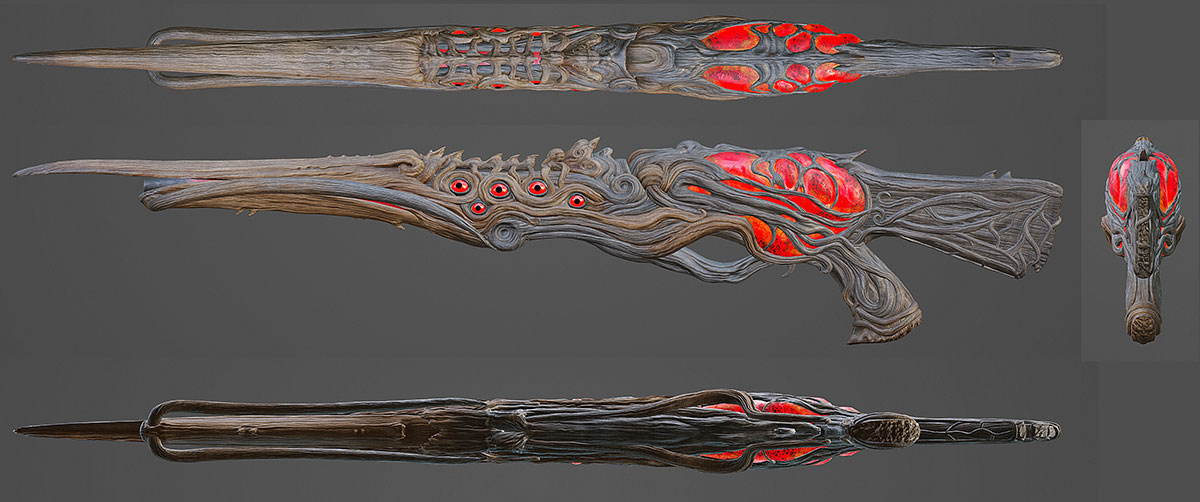
The most complex phase involved integrating the electronics. The team utilized addressable RGB LED strips—specifically targeting a density of 60 LEDs per meter, which the team identifies as the "sweet spot" for brightness and power efficiency. By embedding these strips within the blaster’s internal cavities and diffusing the light through translucent thermoplastic pellets, they were able to animate the "demon eyes" and the core of the weapon, creating a dynamic, living prop that mirrors the game’s visual effects.
Sculpting the Organic
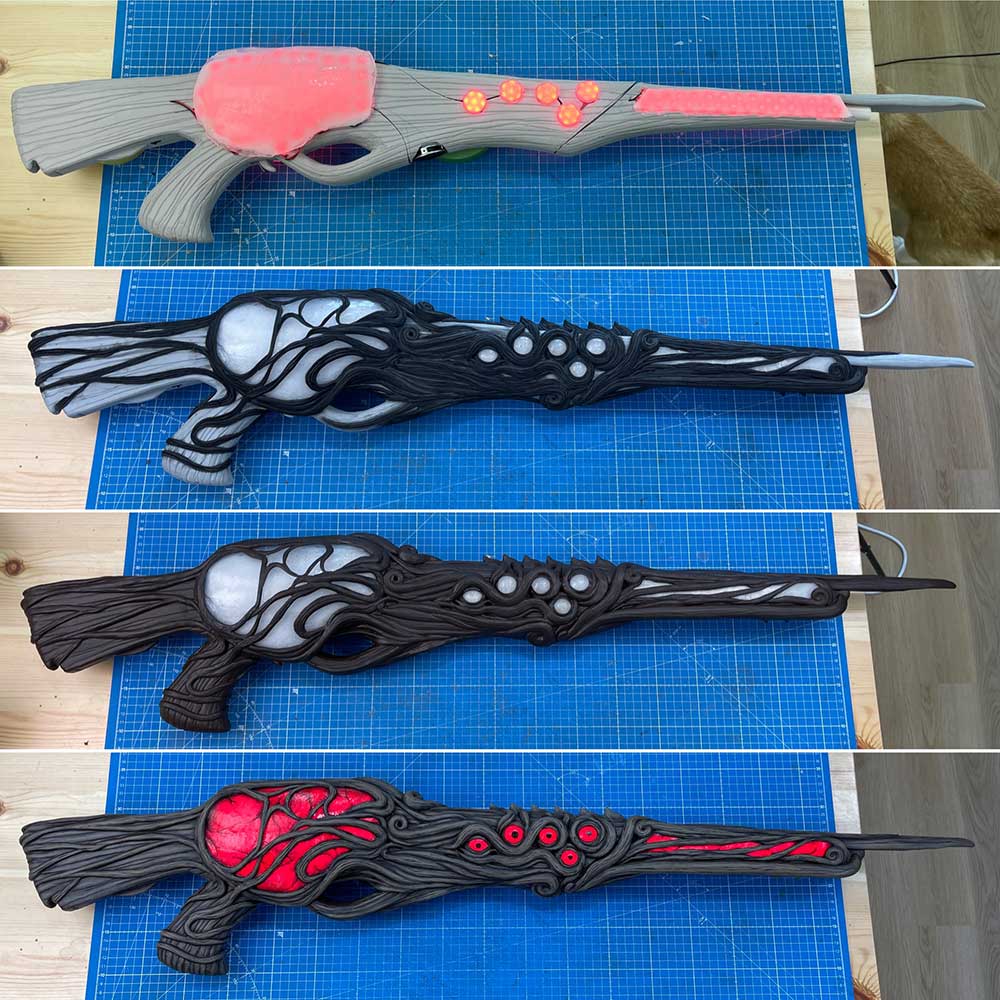
After the base was reinforced, the team applied layers of foam clay. This material is essential for replicating organic, flowing shapes that are otherwise impossible to carve from standard rigid foam sheets. By sculpting "sausages" of foam clay and layering them meticulously, the team achieved the weapon’s characteristic twisted-vine texture. The process concluded with multiple coats of Flexbond primer, followed by a professional-grade acrylic paint job that brought the blaster’s terrifying design to life.
The Fabric of the Wasteland: Repurposing for Realism
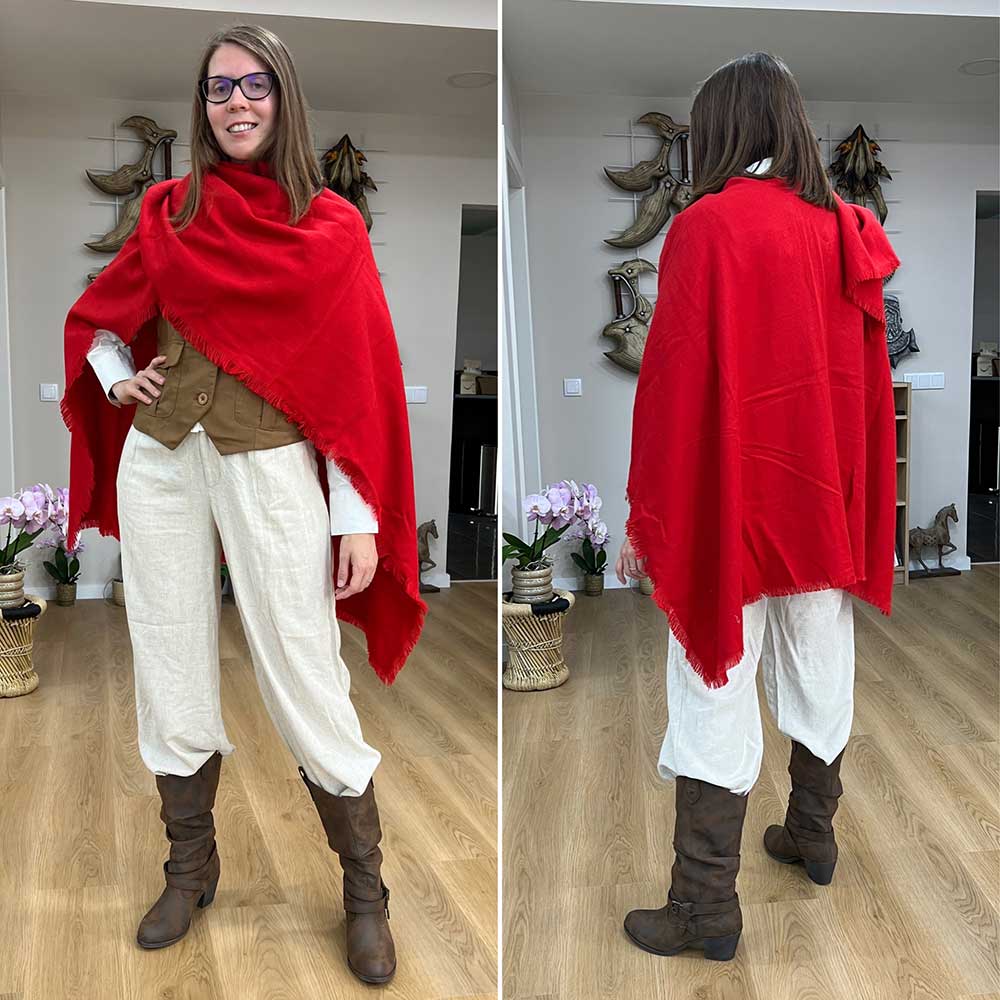
While the weapon was a technical marvel, the Gunslinger’s costume required a different philosophy. Recognizing that the Remnant II aesthetic is built on scavenged survival, the team chose to move away from pure sewing, opting instead to heavily modify and "weather" existing civilian clothing.
By sourcing a red poncho, a brown vest, a white blouse, and wide linen trousers from local retailers, the team created a foundational look that felt grounded in reality. The transformation happened in the details: through intensive dyeing, distressing, and strategic application of acrylic paint "smears," the clothing transitioned from store-bought garments to authentic, battle-worn wasteland attire. The final touch—a handmade faux leather revolver holster—solidified the Gunslinger’s silhouette.
Supporting Data: 3D Modeling and Foam Armor Techniques
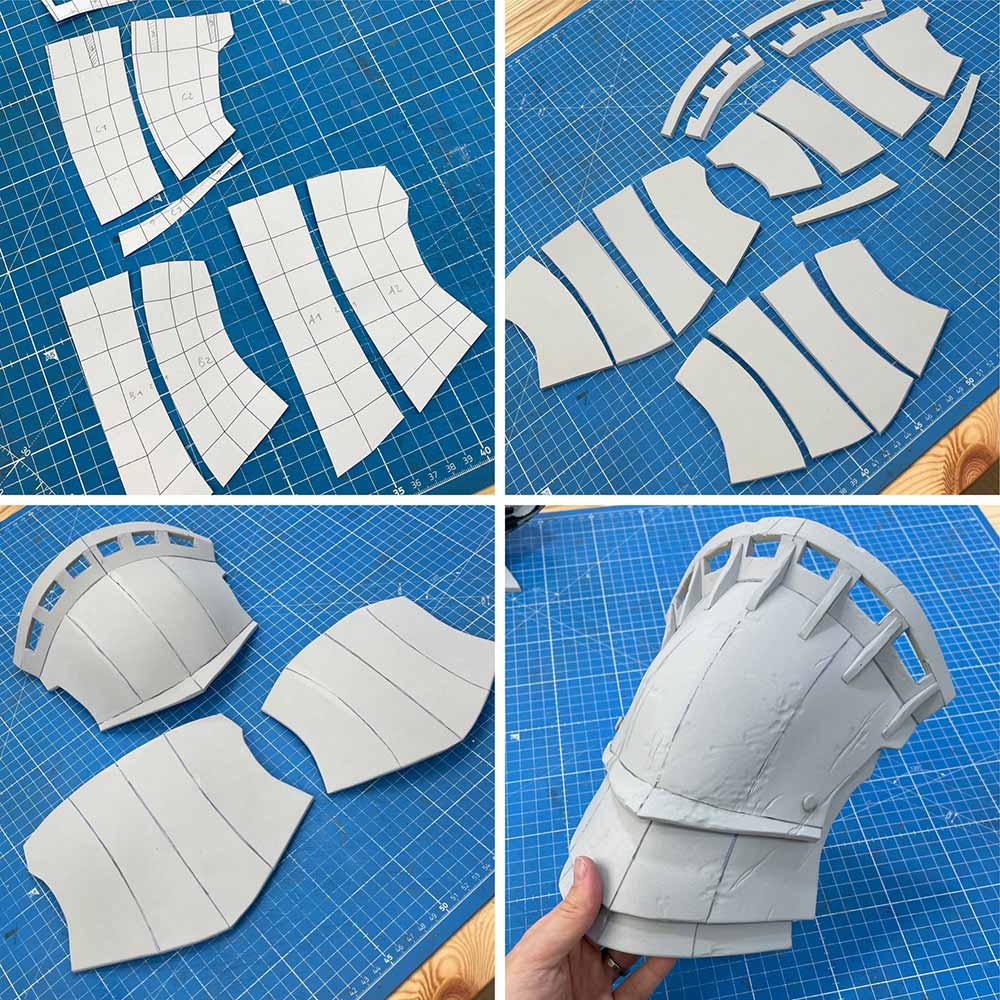
The armor pieces represented the intersection of high-tech design and traditional craft. The workflow for the armor relied heavily on 3D modeling software, specifically Blender. By taking screenshots of the character model from the game, Benni was able to reconstruct the armor pieces in a 3D space.
Using a process akin to Pepakura, these 3D models were flattened into 2D patterns. This allowed the team to trace the armor onto high-density EVA foam with mathematical precision, ensuring a perfect fit that would have been impossible with traditional paper-patterning methods.
The Science of "Battle Damage"
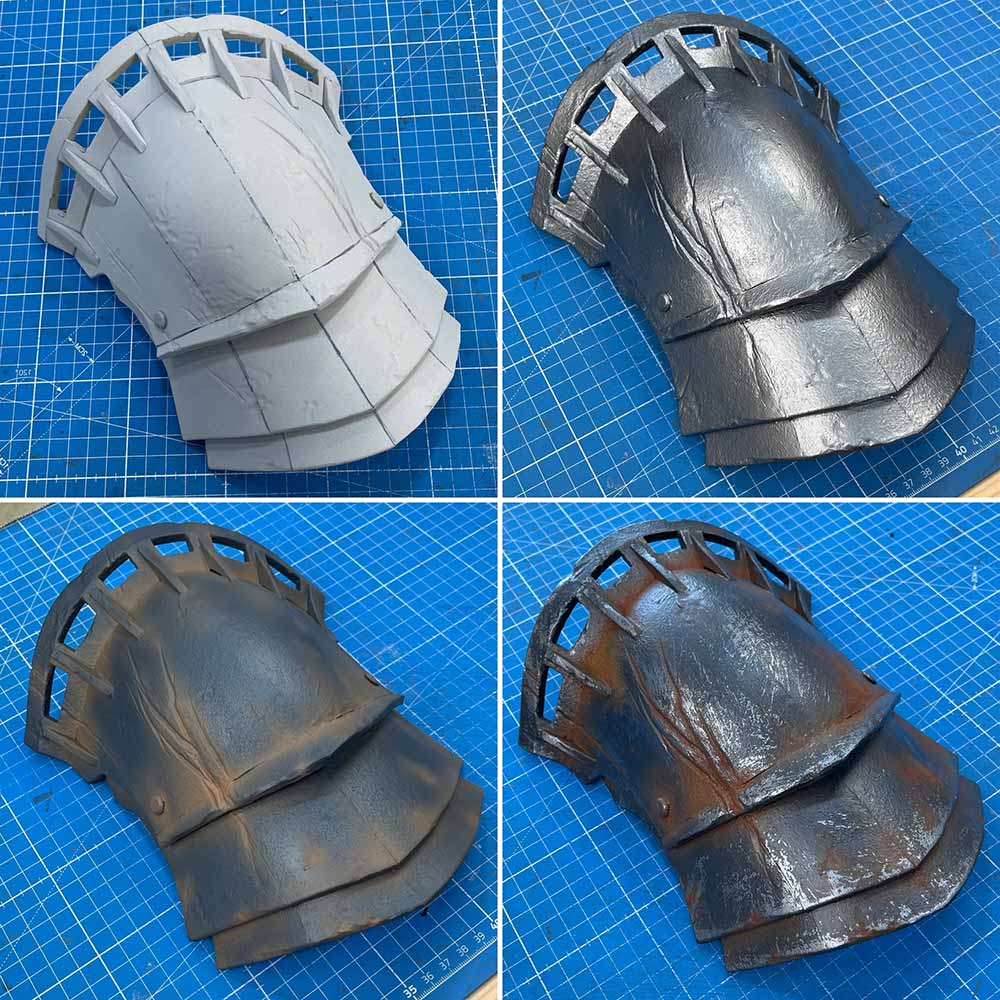
To achieve the "rusty metal" aesthetic, the team employed a multi-stage painting technique:
- Base Layer: A solid coat of metallic silver.
- The Hairspray Method: Applying a layer of hairspray over the silver to act as a masking agent.
- Overcoat: Applying dark silver and brown paint over the hairspray.
- The Reveal: Using warm water and a metal sponge, the team carefully scrubbed away the top layer. The water dissolves the hairspray, causing the top paint to chip away naturally, revealing the "fresh" metal underneath.
- Texture: To finalize the look, the team mixed acrylics with texture paste, dabbing it onto the armor to simulate deep, flaking rust.
Official Responses and Creative Direction
The collaboration between Gunfire Games and the community serves as a testament to the importance of "fan-led" marketing in the gaming industry. When developers engage with creators who possess deep knowledge of prop fabrication, it validates the game’s visual design. By providing access to references and supporting the project, Gunfire Games allowed the community to see the "Merciless Blaster" outside of the digital void, proving that the design holds up under the scrutiny of physical construction.
Implications for the Cosplay Industry
This project highlights a shifting trend in the cosplay community: the transition from "scratch-built everything" to a hybrid approach of digital design, 3D printing, and creative repurposing.
The Shift toward Blender and 3D Modeling
The reliance on Blender to create flat patterns for foam signifies a professionalization of the hobby. It minimizes material waste and increases the accuracy of costumes, which is particularly beneficial for characters with complex, non-humanoid armor sets.
The Value of "Lost Places"
The final photoshoot on Madeira, specifically at an abandoned fish farm, serves as a masterclass in environmental storytelling. By placing the completed costume against a backdrop of authentic, rusted, and derelict machinery, the team bridged the gap between the game’s virtual world and our own. It serves as a reminder that the quality of a cosplay is as much about the presentation and photography as it is about the build itself.
Final Thoughts
The Remnant II Gunslinger project is more than just a costume; it is a blueprint for future creators. Through the use of high-density foam, advanced LED integration, and the "chipped paint" weathering technique, the team has provided a framework that any enthusiast can adapt. For those looking to replicate this work, the key takeaways remain consistent: start with a digital blueprint, embrace the versatility of foam clay, and never underestimate the power of a good weathering session.
As the gaming industry continues to produce increasingly complex character designs, the techniques used by the team—blending traditional textile modification with high-tech 3D engineering—will undoubtedly become the standard for professional-grade cosplay. Whether you are an aspiring builder or a veteran of the craft, the Remnant II project stands as a shining example of how passion and technical rigor can turn a digital fantasy into a tangible, wearable reality.

 Siti Muinah
 Azzam Bilal Chamdy