

In the high-stakes world of semiconductor manufacturing, perfection is the goal, but imperfection is the reality. For Apple, however, what might be considered a failure by a less efficient manufacturer is simply an opportunity for optimization. Through a sophisticated industrial process known as "chip binning," Apple has spent over a decade turning silicon chips that fail initial quality control tests into the backbone of its most popular and profitable products.
Recent reports have shed new light on the depth of this strategy, revealing that the practice is not merely a modern-day necessity but a foundational pillar of Apple’s hardware ecosystem—dating back to the earliest iterations of the iPad and iPhone. By reallocating "sub-optimal" chips to different product categories, Apple maximizes its yields, slashes production costs, and creates a unique tiered product architecture that has become a masterclass in supply chain management.
The Mechanics of Chip Binning: Turning Failure into Profit
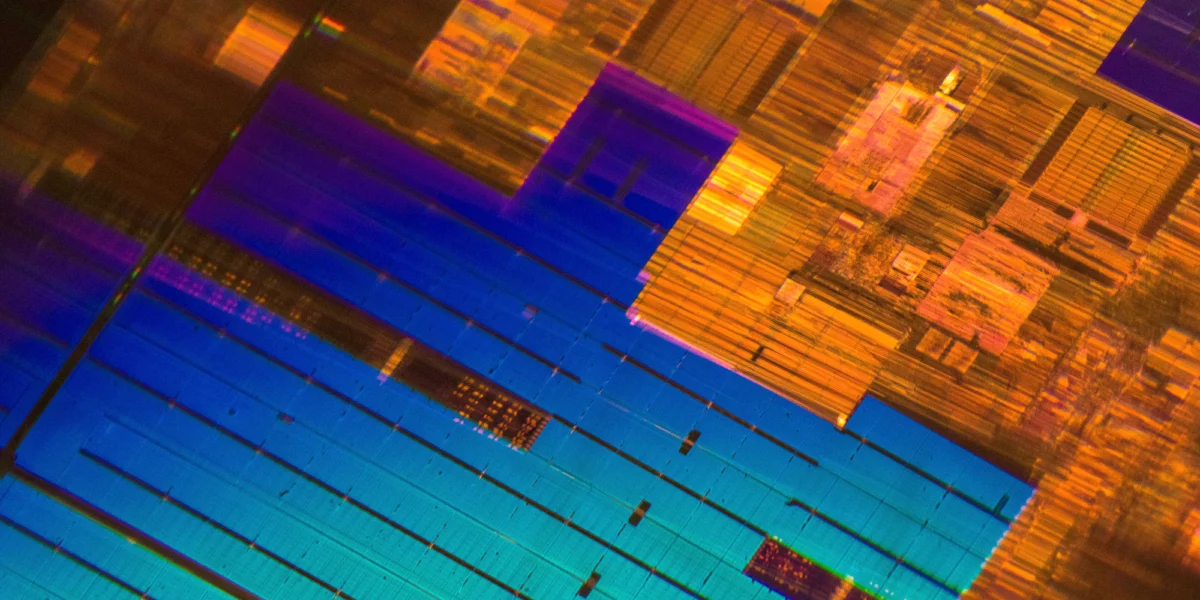
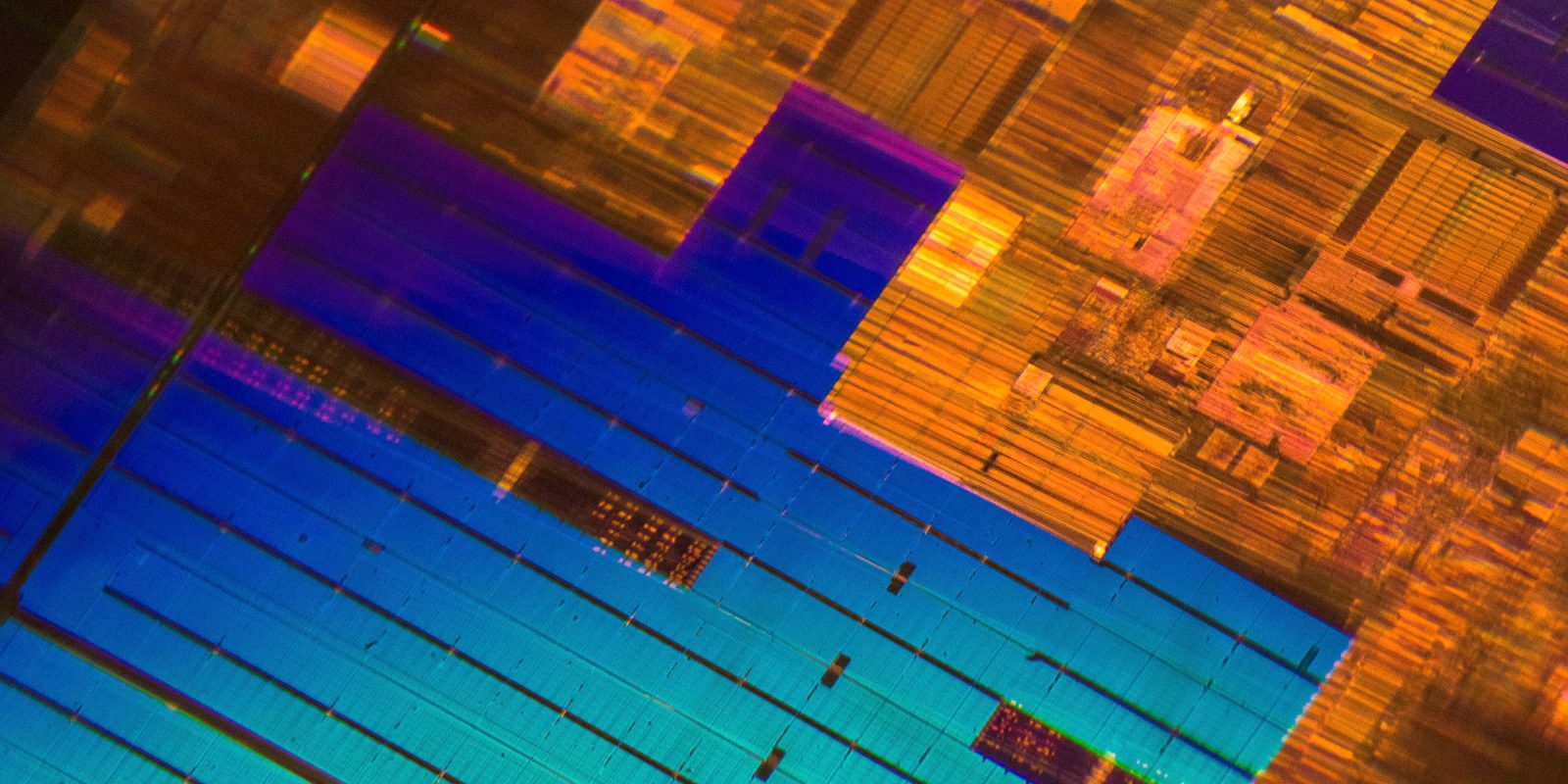
At the heart of the modern computing industry lies the silicon wafer—a circular slice of material on which hundreds of microprocessors are printed simultaneously. During the manufacturing process, it is statistically impossible for every single chip to be perfect. Minor physical defects or variations in the crystalline structure can cause certain cores, graphics processors, or power management units to underperform.
Historically, companies would simply discard these "faulty" units. Apple, however, adopted a different philosophy: binning.
Binning involves testing every chip after production. If a chip is designed to have eight high-performance graphics cores but one core fails to function correctly, it is not scrapped. Instead, Apple disables the faulty core entirely, reclassifies the chip as a seven-core variant, and installs it into a lower-tier product model. The consumer receives a fully functional, albeit slightly less powerful, device, while Apple avoids the massive financial waste of discarding expensive silicon.

A Historical Chronology: From A4 to MacBook Neo
The practice of binning is deeply embedded in Apple’s corporate DNA. While it has become more visible in recent years with the transition to Apple Silicon, the company’s internal records suggest this methodology was refined as early as 2010.
The Foundation: The A4 Era
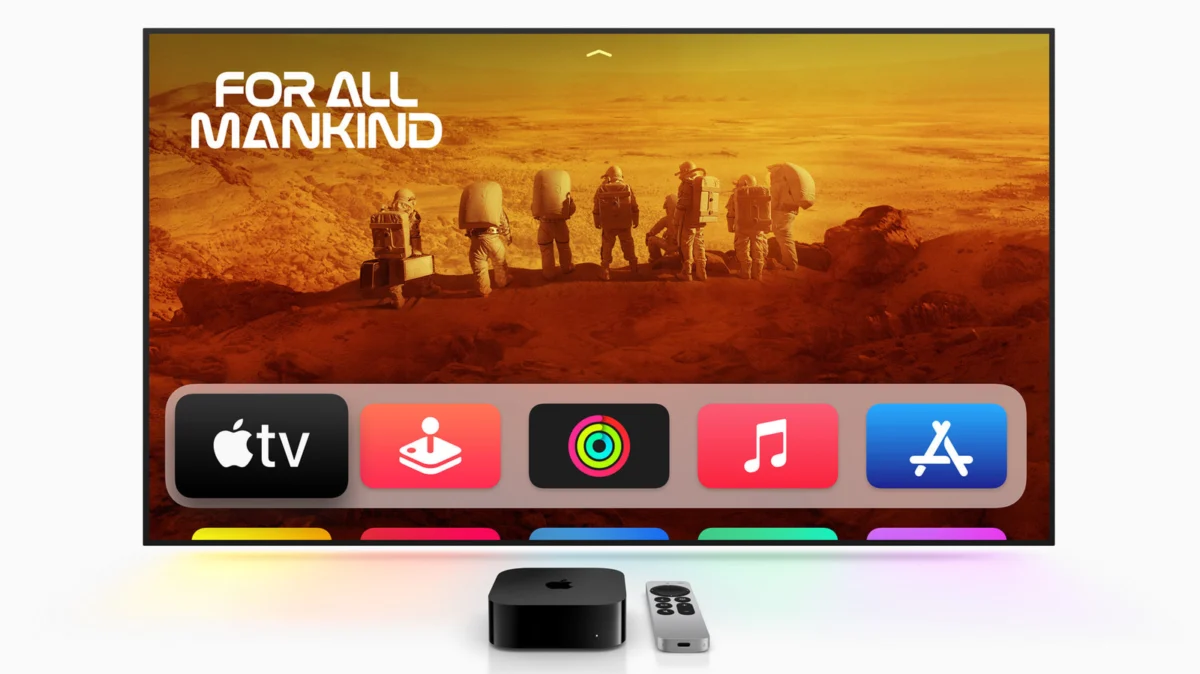
The original iPad and iPhone 4, powered by the A4 chip, marked the genesis of this strategy. According to industry insiders, Apple discovered early on that chips failing to meet the strict thermal and power efficiency requirements for mobile phones could still be utilized in devices that had more stable power supplies or different cooling profiles. The Apple TV, for instance, became a repository for chips that drew too much power to be viable in an iPhone, yet operated perfectly when plugged into a wall outlet.
The M1 Evolution
In 2020, Apple’s transition to its own M1 silicon brought binning into the public eye. Consumers noted a discrepancy between the $999 base model MacBook Air and its more expensive counterparts. The base model shipped with a 7-core GPU, while the higher-end variants featured the full 8-core configuration. Apple was not manufacturing a "budget" chip; it was simply utilizing the inventory that failed to hit the full 8-core performance benchmark, thereby increasing production yields and maintaining an aggressive entry-level price point.
The MacBook Neo and the Modern Surge
The most recent iteration of this strategy involves the MacBook Neo. Apple leveraged binned A18 Pro chips—those rejected from the iPhone 16 Pro production line due to minor graphics core defects—to power the new MacBook lineup. This allowed Apple to maintain the "Pro" branding and performance characteristics of the A18 architecture while offering the laptop at a price point that disrupted the market.
The strategy was so effective that it proved to be a victim of its own success. Demand for the MacBook Neo outpaced the supply of binned A18 chips, forcing Apple to adjust its production schedule to manufacture more specifically for this secondary demand—a testament to how central these "rejected" chips have become to the company’s business model.
Supporting Data: The Ripple Effect of Efficiency
The financial implications of chip binning are staggering. By salvaging what would otherwise be electronic waste, Apple effectively creates a "circular economy" within its own production lines.
- Increased Yields: Manufacturing silicon is expensive. By ensuring that a higher percentage of every wafer becomes a saleable product, Apple significantly lowers its "Cost of Goods Sold" (COGS).
- Tiered Market Positioning: Binning allows Apple to create clear product tiers (e.g., base model vs. pro model) without necessarily needing to design entirely new hardware for each tier. This simplifies inventory management and logistics.
- The S7 Example: The second-generation HomePod serves as a prime example of cross-product optimization. The S7 chip, originally designed for the high-efficiency, space-constrained environment of the Apple Watch, was found to be less efficient than anticipated for that specific wearable. Rather than discarding them, Apple repurposed them for the HomePod, where the power constraints were less rigid, ensuring that the R&D costs of the S7 chip were amortized across a larger volume of products.
Estimates suggest that this practice has saved Apple hundreds of millions of dollars annually, providing the company with a massive buffer to invest in further R&D or to offer more competitive pricing during periods of inflation or market volatility.
Official Responses and Industry Context
Apple has historically remained tight-lipped regarding the specific details of its silicon manufacturing and binning processes. In standard corporate fashion, the company characterizes these practices as "quality optimization" and "yield management."
Industry analysts, however, view this as a standard—albeit highly polished—practice among top-tier silicon designers like AMD, Intel, and NVIDIA. The difference lies in Apple’s vertical integration. Because Apple controls the hardware, the software, and the silicon, it can optimize the operating system (macOS/iOS) to run perfectly on these binned chips. When a user buys a 7-core M1 MacBook Air, the software is specifically tuned to extract the maximum possible performance from that hardware, making the "binning" transparent to the user experience.
Implications for the Future of Tech
The long-term implications of Apple’s binning strategy are significant for the broader technology industry.

1. Sustainability and E-Waste
In an era where sustainability is at the forefront of consumer consciousness, Apple’s ability to use "faulty" chips is a major win for the environment. By reducing the number of silicon wafers that end up in the scrap pile, the company reduces the total energy and water usage required for semiconductor production.
2. Market Dominance
The competitive edge provided by binning is difficult for rivals to replicate. Most laptop manufacturers rely on third-party silicon suppliers like Intel or Qualcomm. While those suppliers also bin their chips, the manufacturer (e.g., Dell or HP) has no control over the chip’s design. Apple’s end-to-end control allows it to "design for binning," essentially planning for a certain percentage of defects and mapping them to different products during the architectural phase.
3. Pricing Resilience
As chip manufacturing nodes shrink to 3nm, 2nm, and beyond, the cost of production is skyrocketing. Binning allows Apple to keep its product pricing relatively stable. If the company were forced to throw away every chip that didn’t meet the "Pro" standard, the price of an iPhone or MacBook would likely increase significantly to cover the losses.
Conclusion
Apple’s reliance on chip binning is a masterclass in efficiency. It transforms the inherent unpredictability of semiconductor manufacturing into a controlled, profitable, and sustainable process. From the early days of the A4 chip in the iPad to the modern, high-demand MacBook Neo, Apple has proven that in the world of high technology, there is no such thing as a "bad" chip—only a chip that hasn’t found its proper home yet.
As we move toward an era of even more complex silicon, the ability to effectively manage "faulty" hardware will likely become the single most important factor in determining which tech giants survive and which ones succumb to the rising costs of innovation. Apple has not only mastered this art; it has built a global business empire upon it.










No comments yet. Be the first to join the conversation!