Rifan Muazin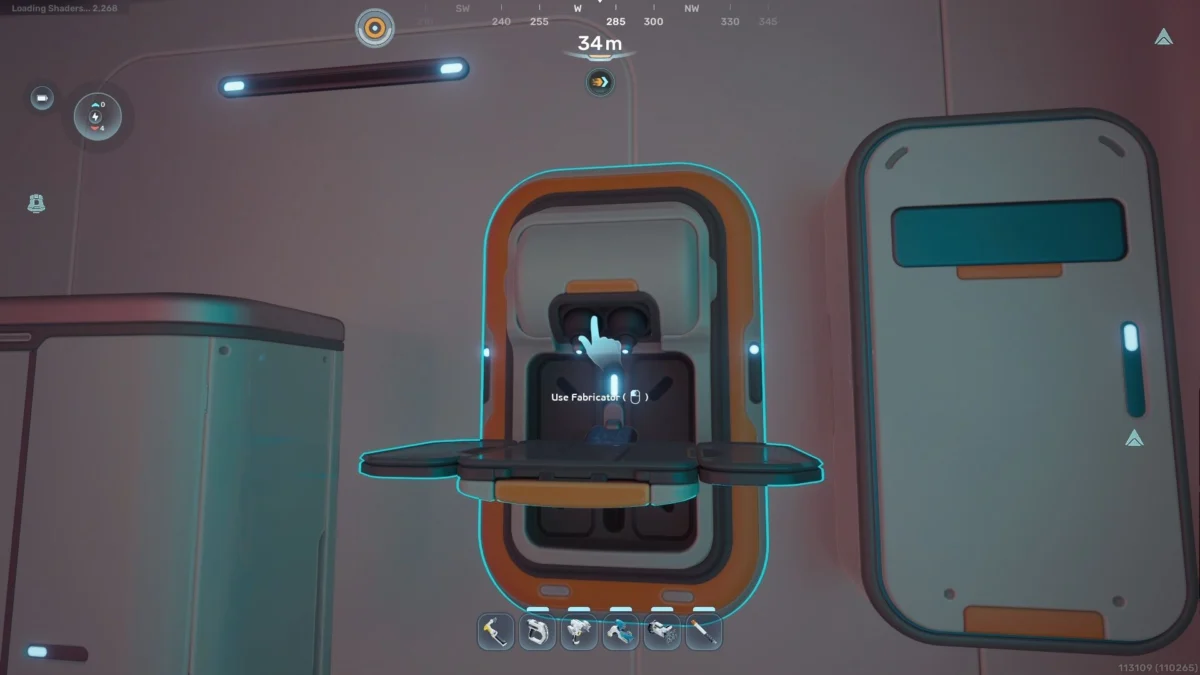
Navigating the treacherous, alien oceans of Subnautica 2 is a test of survival, resourcefulness, and patience. As players begin their journey in the mysterious waters of this long-awaited sequel, they are greeted by the familiar sight of a Lifepod. It is here that you take your first breaths, gather your initial bearings, and interact with the game’s primary hub for early-game progression: the Fabricator. However, many players are quickly hitting a frustrating wall.
While the Lifepod Fabricator is essential for basic survival—allowing for the creation of simple tools and life-sustaining gear—it is ultimately a crippled device. Attempting to craft more advanced equipment often results in a cryptic notification: the item requires a "fully functioning Fabricator." For newcomers and veterans alike, the game offers little guidance on how to bypass this limitation. In this guide, we break down the progression requirements, the mechanics of base building, and how you can transition from a stranded survivor to a master of the deep.
The Limitations of the Lifepod
In the early hours of Subnautica 2, the Lifepod serves as your only sanctuary. It provides essential shelter and oxygen, and its onboard computer offers a rudimentary Fabricator. While this station is perfect for churning out basic necessities, its internal architecture is restricted.
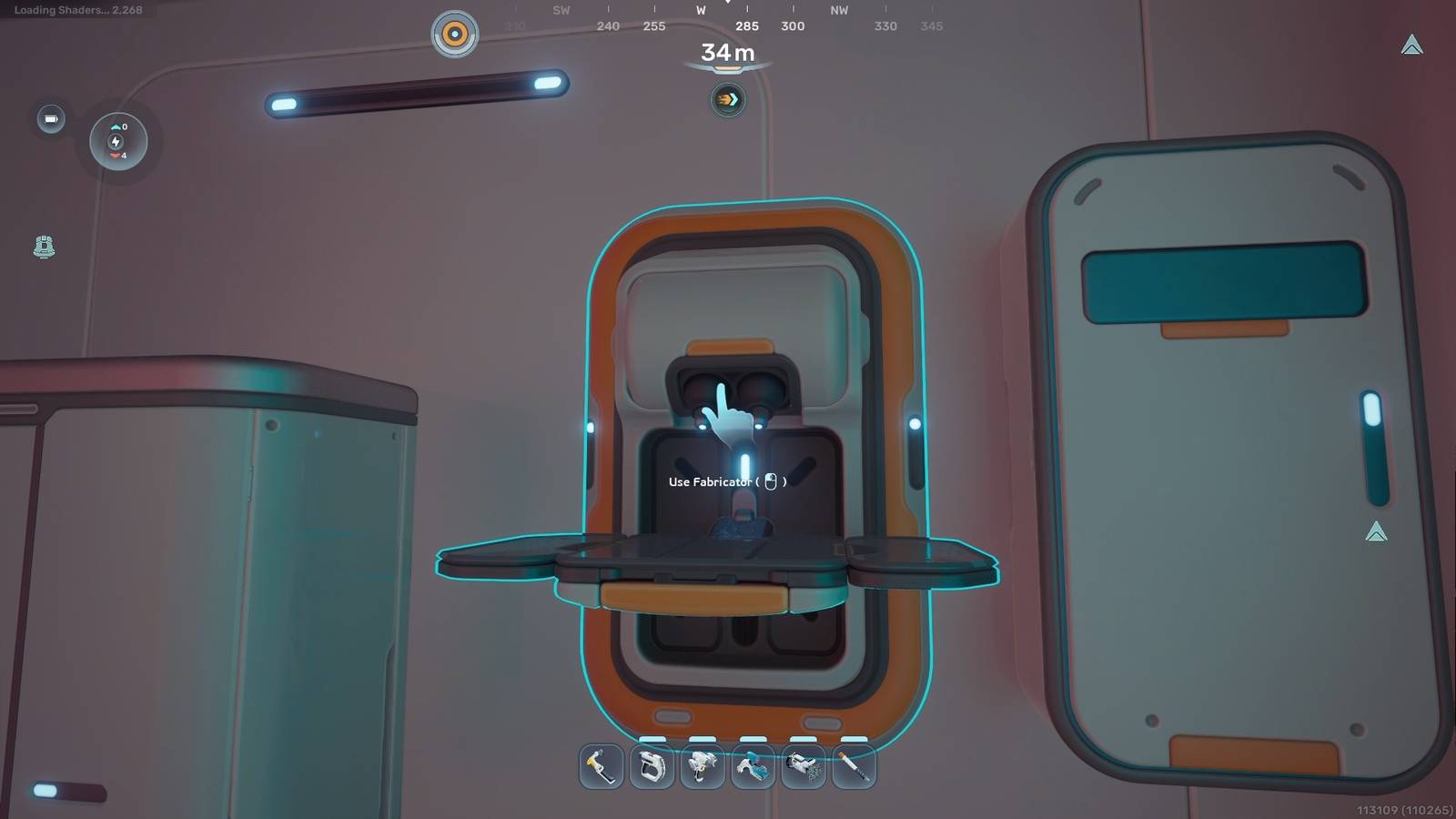
The game’s design intentionally limits this device to prevent players from rushing through the technological tiers. If you are currently seeing "recipe unavailable" or "requires a fully functioning Fabricator" prompts, rest assured: your game is not bugged. Instead, you have hit a deliberate progression gate. Unlike some survival games that allow for modular upgrades of existing stations, Subnautica 2 requires a shift in strategy. You cannot "repair" the Lifepod Fabricator to increase its capability. To unlock advanced schematics, you must expand your reach beyond the confines of your starting pod and establish a permanent, custom-built habitat.
Chronology: From Lifepod to Habitat
Understanding the flow of the early game is critical to efficient play. Following the intended progression path will save you hours of aimless swimming.
Phase 1: Resource Scavenging
Before you can even dream of a secondary base, you must secure the building blocks of survival. Your immediate surroundings are rich in raw materials. Focus your efforts on gathering:

- Titanium: Found in abundance near the seabed. You will need a significant stockpile of this, as it is the backbone of all structural construction.
- Quartz: Essential for crafting Glass, which is necessary for hatches and reinforced viewports.
- Copper: Often overlooked in the first hour, copper is vital for the electronics that allow a "fully functioning" Fabricator to operate. Search the cavern walls and tunnels near your spawn for limestone outcrops.
Phase 2: Deploying the Habitat Builder
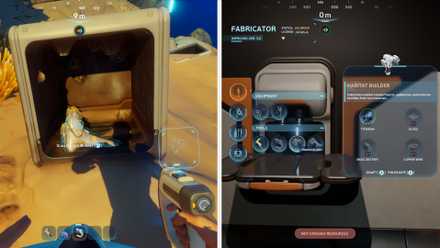
Once your inventory is brimming with raw materials, your next milestone is the construction of a Habitat Builder tool. If you have not yet found the blueprint for this tool, prioritize searching nearby wreckage or following the distress signals provided by your PDA. Without the Habitat Builder, you are effectively tethered to the surface.
Phase 3: Establishing the Primary Base
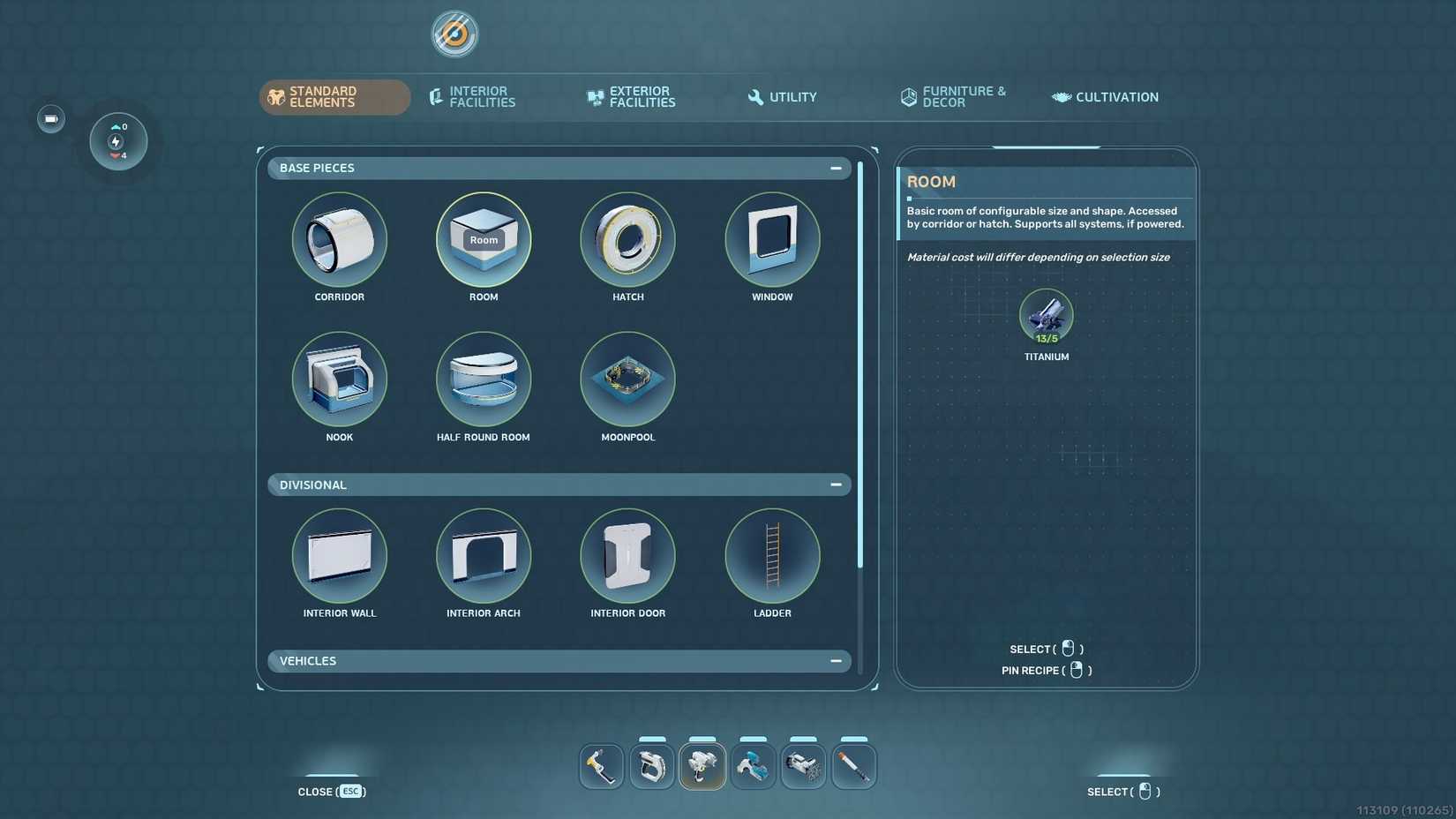
With your materials gathered, head to a location that offers a balance of safety and resource proximity. Deploy your first structural room—a multi-purpose room or a corridor—using the Habitat Builder. Once the structure is sealed, you can begin placing interior modules.
Supporting Data: Crafting the Future
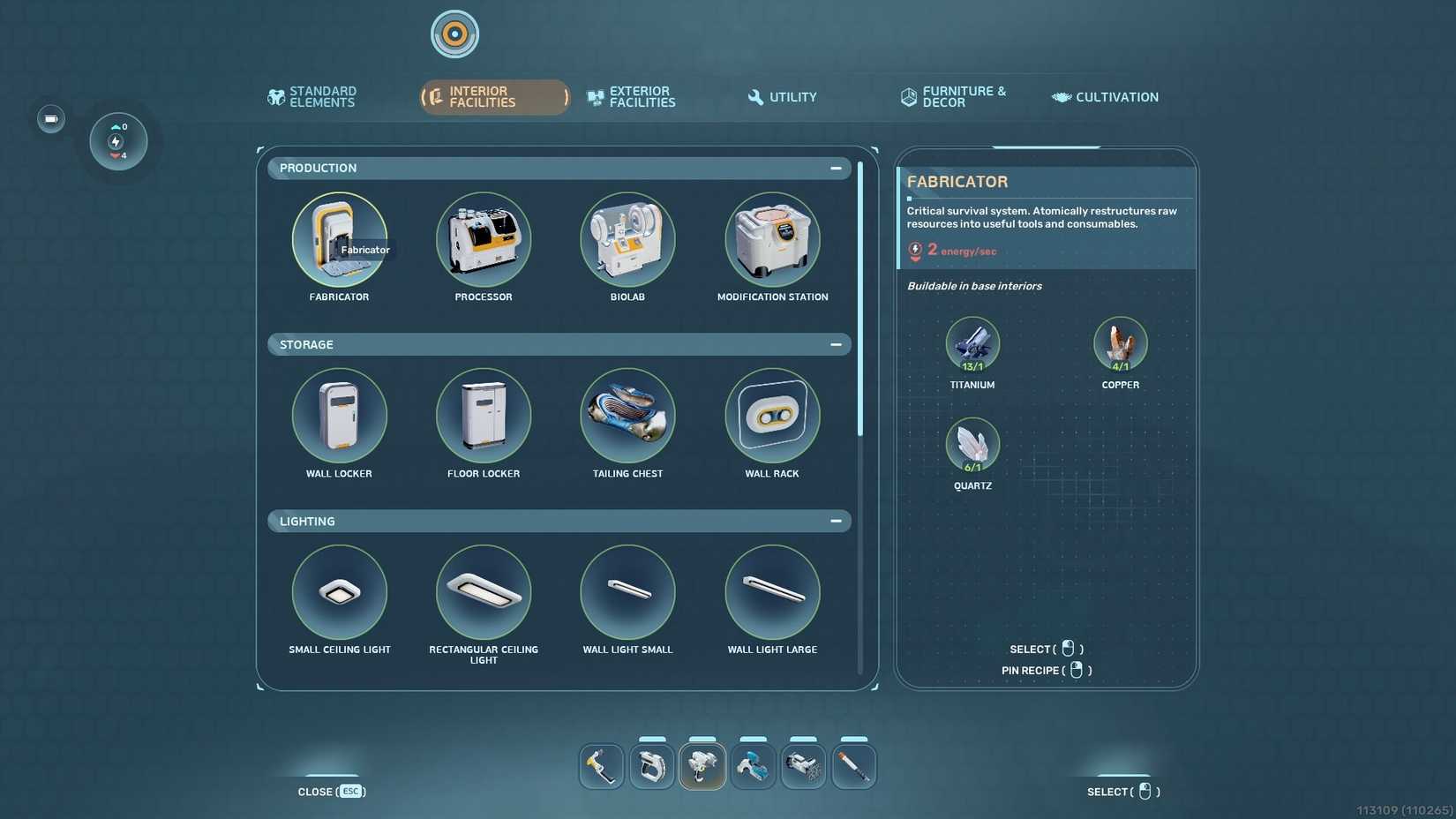
Building a custom Fabricator is a straightforward process once the habitat is ready. Unlike the static device in your Lifepod, the Fabricator you build yourself is a modular piece of equipment that attaches directly to the wall of your base.
The Recipe for Progression
To craft your new, fully functional Fabricator, you will need:
- Computer Chip: Requires Gold, Table Coral, and Copper Wire.
- Titanium: Used for the housing of the unit.
Once placed, this device will immediately recognize the blueprints you have scanned throughout your journey. Because this version of the Fabricator is tied to your base’s power grid, it is no longer restricted by the limitations of the Lifepod’s emergency power settings. You will now be able to craft advanced gear, including the Repair Tool, the Sonic Resonator, and various vehicle components.
Official Developer Context: Unknown Worlds and the Sequel
Subnautica 2, developed by Unknown Worlds Entertainment and published by Krafton, officially entered Early Access on May 14, 2026. Built on the power of Unreal Engine 5, the game represents a massive leap in fidelity and mechanical depth compared to its predecessors.
In various developer logs, the team at Unknown Worlds has emphasized that the "gated" nature of the early game is designed to encourage exploration. By forcing players to move out of the Lifepod and into the world to find better technology, the developers ensure that the player becomes intimately familiar with the biomes, the dangers of the deep, and the necessity of verticality.
The inclusion of Online Co-Op (supporting 1-4 players) further complicates this progression. In a multiplayer setting, coordinating who gathers resources while others focus on base construction is key to overcoming the "Fabricator Wall" much faster than in single-player modes.
Implications for Gameplay Progression
The move to a custom base is more than just a logistical upgrade; it is the fundamental pivot point of the entire Subnautica 2 experience.
The Scan-Everything Mentality
The most important takeaway for any player reaching this stage is the critical nature of scanning. While the Fabricator provides the means to create items, your PDA provides the knowledge. As you venture further from your base into deeper, more dangerous biomes, you will encounter abandoned facilities and wreckage. Many of these contain "Black Boxes" or damaged technology.
Scanning every piece of debris is not just a side activity; it is your primary method of technological advancement. If you find yourself with a fully functioning Fabricator but no new recipes, your issue is not the machine—it is your library of known schematics. Follow the guidance of the in-game instructors (such as the NOA personnel), keep your oxygen levels in check, and prioritize scanning over looting in the early game.
Power Management
It is important to note that once you upgrade to a full base, you must manage your power. A fully functioning Fabricator draws significantly more energy than the Lifepod’s internal battery. Ensure your base is equipped with solar panels or thermal reactors early on. If your base goes dark, your Fabricator becomes useless regardless of how "fully functioning" it might be.
Future-Proofing Your Base
As you progress, you will realize that your first base is rarely your last. The modular nature of the building system means that you should build with expansion in mind. Leave room for additional modules, storage racks, and, eventually, moonpools for vehicle docking. The transition from the Lifepod is not just about unlocking a specific recipe; it is about establishing a footprint in a world that is inherently hostile to human life.
Conclusion
The "fully functioning Fabricator" message is one of the first major lessons Subnautica 2 teaches its players: survival is not a passive experience. The game challenges you to stop relying on the remnants of your initial crash and start building an infrastructure capable of sustaining life in the abyss. By gathering the necessary titanium, copper, and quartz, and by investing in the Habitat Builder, you can overcome this initial hurdle and unlock the true depth of the game’s crafting system.
As you venture further into the unknown—from the shallow, sun-drenched reefs to the crushing depths of the midnight zone—remember that your base is your lifeline. Stay alert, keep your scanner ready, and never stop building. The secrets of the planet are waiting, and they are only accessible to those who have the tools to survive them.


 Ammar Sabilarrohman
 Basiran