Evan Lee Salim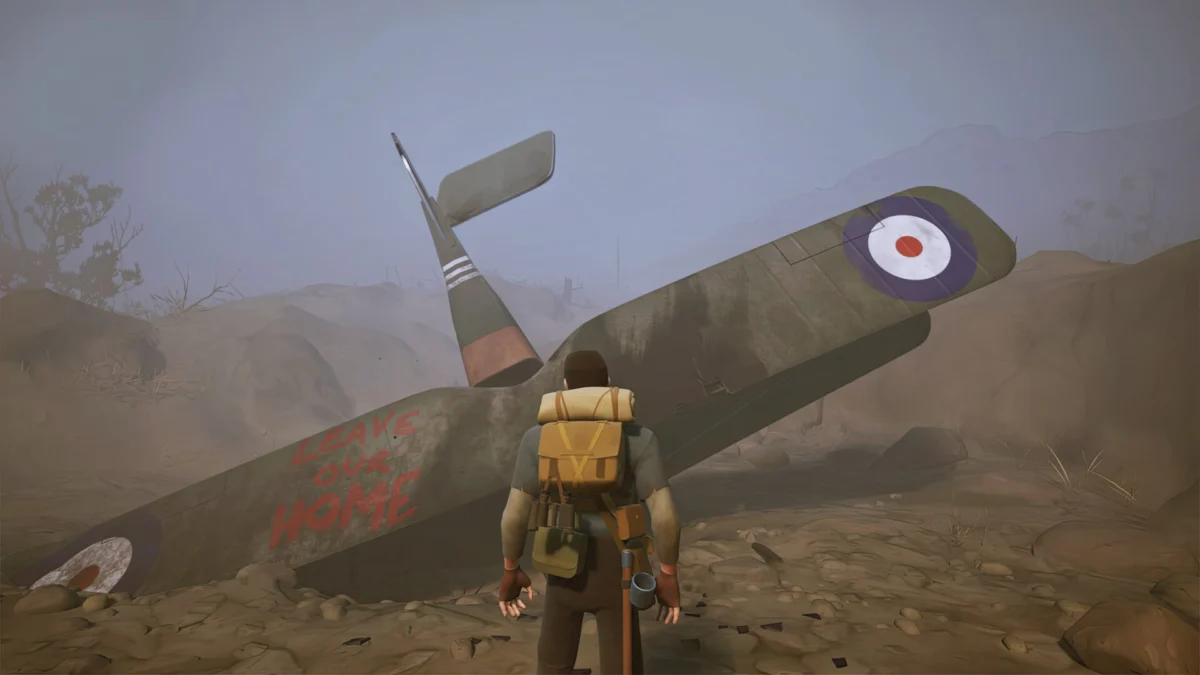
London, UK – [Insert Current Date, e.g., April 14, 2026] – Unreliable Narrators, the independent studio behind the highly anticipated World War I first-person narrative adventure game The Caribou Trail, has announced a delay for its PlayStation 5 release. Originally slated for launch today, the console version will now arrive on July 7, 2026. The delay stems from the discovery of a critical issue within the current build that the development team deemed insurmountable for the planned release window.
In contrast to the console setback, the PC version of The Caribou Trail has successfully launched as scheduled. Players can now embark on the harrowing journey through the trenches of Gallipoli via Steam and the Epic Games Store, priced at $12.99. The simultaneous, yet bifurcated, release underscores the complex challenges inherent in modern multi-platform game development, especially for studios prioritizing a flawless player experience.
Main Facts: A Split Launch for a Unique WWI Narrative
The core of today’s news revolves around the staggered release of The Caribou Trail. While PC gamers can immediately immerse themselves in the game’s unique blend of historical narrative and psychological horror, PlayStation 5 owners will need to exercise patience for an additional two and a half months. This decision, communicated by developer Unreliable Narrators, highlights a commitment to quality over an arbitrary adherence to a launch date, particularly for a title that promises a deeply atmospheric and emotionally resonant experience.
The Caribou Trail is not a conventional war game. Set against the brutal backdrop of the Gallipoli campaign in 1915, it eschews traditional combat mechanics and score-keeping in favor of a visceral, first-person narrative focusing on the human cost of conflict. Players assume the role of Fisher, a young man from Newfoundland who, along with his friends, joins the British war effort expecting adventure, only to confront the grim realities of trench warfare, loss, and the insidious touch of madness. The game promises a journey defined by resilience, fleeting friendships, and the fragile hope of returning home, inspired by real testimonies and blending history with fiction. Its emphasis on survival, psychological horror, and the bonds forged in desperation positions it as a distinct entry in the historical adventure genre.
The PC version’s immediate availability ensures that a segment of the eager player base can begin their exploration of this rarely explored front of WWI. Priced affordably at $12.99, it offers an accessible entry point into what promises to be a poignant and thought-provoking experience, even as console players await their turn.
Chronology: From Anticipation to Adjustment
The journey to The Caribou Trail‘s release has been marked by growing anticipation, particularly given its distinctive approach to the World War I setting.
Initial Announcement and Anticipation
The Caribou Trail first garnered significant attention through its early reveals, promising a fresh perspective on a conflict often depicted through the lens of large-scale battles and heroics. Unreliable Narrators, a studio whose very name hints at a nuanced approach to storytelling, piqued interest with their commitment to a narrative-driven experience devoid of conventional combat scores or kill counts. Instead, the focus on the Gallipoli campaign—a notoriously brutal and strategically complex front—and the specific narrative of Newfoundland soldiers offered a compelling hook. Early trailers and developer interviews hinted at a game where emotional depth, historical authenticity blended with folklore, and the psychological toll of war would take precedence over arcade-style action. This unique selling proposition quickly carved out a niche for The Caribou Trail among players seeking more introspective and impactful gaming experiences.
Pre-Launch Hype and Developer Insights
Leading up to the initial release date, Unreliable Narrators actively engaged with their burgeoning community. Developer diaries, gameplay snippets, and thematic discussions further illuminated the game’s core tenets: the importance of camaraderie, the stark reality of survival, and the exploration of psychological states under duress. The studio emphasized the painstaking research that went into depicting the Gallipoli environment and the experiences of soldiers, particularly those from Newfoundland whose stories are often less highlighted in mainstream media. The promise of a game where players might choose to "pull the trigger… or not," where shared stories around a campfire are as crucial as navigating barbed wire, resonated deeply with those tired of conventional war narratives. The launch trailer, now available, served as a final tantalizing glimpse into this world, showcasing the game’s atmospheric visuals and evocative sound design, further building anticipation for its multi-platform debut.
The Delay Announcement
The announcement of the PlayStation 5 delay, arriving precisely on what was meant to be the console launch day, came as a disappointment to many eager fans. The timing, while frustrating for those who had cleared their schedules for the game, also underscores the gravity of the "critical issue" discovered. Such last-minute delays are rarely undertaken lightly, especially after significant marketing efforts and player expectations have been built. It suggests that the bug was either particularly elusive, complex to fix, or its impact on the player experience was deemed severe enough to warrant a complete halt, rather than pushing out a potentially compromised product. The transparency in citing a "critical issue" rather than a vague "need for more polish" offered a measure of reassurance, signaling that the studio prioritizes the integrity of their game.
Supporting Data: A Deep Dive into The Caribou Trail
The Caribou Trail represents a significant departure from traditional war games, aiming for a profound narrative impact rather than visceral combat. Its unique blend of historical accuracy, psychological exploration, and narrative-first design positions it as a noteworthy title within the independent gaming landscape.
Narrative and Setting: Gallipoli’s Unsung Heroes
The choice of Gallipoli, 1915, as the primary setting is immediately compelling. This campaign, often overshadowed by the Western Front in popular culture, was a brutal and ultimately unsuccessful Allied attempt to secure a sea route to Russia and knock the Ottoman Empire out of the war. It was characterized by savage trench warfare, extreme environmental conditions, and staggering casualties, particularly among the ANZAC (Australian and New Zealand Army Corps) forces, but also British, French, and lesser-known contingents like the Royal Newfoundland Regiment.
The Caribou Trail specifically focuses on a band of friends from Newfoundland, drawing on the real history of this regiment, which suffered catastrophic losses at Gallipoli and later on the Somme. By centering on Fisher and his comrades, the game personalizes the grand, often abstract, tragedy of war. It delves into the daily grind of trench life, the constant threat of enemy fire, the scarcity of resources, and the psychological toll of witnessing unimaginable horror. The narrative promises to explore themes of innocence lost, the weight of command (or lack thereof), and the desperate measures taken for survival in a hostile landscape. It’s a powerful choice that allows the game to highlight stories and perspectives often marginalized in broader historical narratives.
Gameplay Mechanics and Philosophy: Enduring, Not Winning
Unreliable Narrators has made a deliberate design choice to eschew conventional gameplay loops found in most first-person shooters. The Caribou Trail is explicitly "not about winning the war, it’s about enduring it." This philosophy translates into mechanics focused on exploration, interaction, and narrative progression rather than combat prowess. Players will navigate the treacherous terrain of no man’s land, perhaps cutting through barbed wire on a reconnaissance mission, or attempting to silence a sniper. However, these actions are framed within a larger narrative of survival and observation.
The game encourages players to "explore the back lines," "feel the weight of anticipation," and "stumble through the trenches." Tasks like reclaiming dog tags of fallen comrades or simply sharing stories around a campfire become central to the experience. The "impossible choices" mentioned by the developer suggest moral dilemmas that will weigh heavily on Fisher, reflecting the ethical quandaries faced by real soldiers. The absence of a score or kill count is a radical statement, forcing players to confront the narrative on its own terms, focusing on the human element and the emotional journey rather than performance metrics. This approach aligns with a growing trend in gaming towards more introspective and emotionally driven experiences.
Unique Thematic Elements: Folklore and Ghost Stories
One of the most intriguing aspects of The Caribou Trail is its integration of "folklore and psychological horror." The brutal realities of trench warfare, coupled with extreme isolation, sensory deprivation, and the constant presence of death, often led soldiers to experience profound psychological distress, hallucinations, and a blurring of reality. The game aims to capture this through the lens of local folklore and ghost stories, common coping mechanisms in times of unimaginable stress.
"When night falls, the line between reality and imagination blurs," the developer states. This suggests that players will encounter elements that challenge their perception, perhaps through auditory hallucinations, unsettling visions, or mysterious occurrences that may or may not be supernatural. This thematic choice serves multiple purposes: it grounds the game in the cultural heritage of the Newfoundland soldiers, offers a unique layer of psychological tension, and provides a compelling way to represent the mental toll of war without resorting to overt horror clichés. It’s an exploration of how the human mind grapples with the inexplicable and the traumatic, creating a deeply unsettling atmosphere that transcends mere jump scares.
Friendship Forged in Dirt: The Heart of the Narrative
At its core, The Caribou Trail is a story about companionship. The developers emphasize that Fisher and his companions are "not hardened soldiers, but ordinary men: fishermen, dreamers, storytellers." This focus on the everyman perspective makes their struggle all the more relatable and tragic. The game highlights the small, everyday rituals that become lifelines in the chaos of war: "cooking fish ‘n’ brews in battered pots, laughing at bad jokes, and clinging to one another when silence grows too heavy."
These moments of shared humanity and camaraderie are presented as essential for survival, offering fleeting respite from the horrors surrounding them. What begins as a necessity for survival evolves into a profound brotherhood, etched into memory long after the guns fall silent. This theme resonates deeply, reminding players that even in the most dehumanizing circumstances, human connection remains a powerful force. It promises an emotional core that will make the inevitable losses and struggles all the more impactful, focusing on the "faces you will remember long after Gallipoli."
Developer’s Vision: Unreliable Narrators
The name of the studio itself, "Unreliable Narrators," offers significant insight into their artistic philosophy. It implies a game experience where truth is subjective, memory is fragmented, and perception is often distorted by trauma or personal bias. This aligns perfectly with the game’s psychological horror elements and its exploration of how soldiers made sense of a world that "no longer did." For The Caribou Trail, this could mean an narrative that subtly shifts, challenges player assumptions, or presents events through a filter of fear and exhaustion. This approach promises a deeper, more nuanced storytelling experience, inviting players to actively interpret the events unfolding around them, rather than passively observing a fixed reality.
Market Context: WWI Games and Narrative Adventures
The Caribou Trail enters a gaming landscape where World War I titles are less common than their World War II counterparts but have seen a resurgence in recent years. Games like Battlefield 1 offered large-scale, cinematic portrayals of the conflict, while indie titles such as Valiant Hearts: The Great War (a puzzle-adventure game) and hardcore simulations like Verdun and Tannenberg provided different perspectives. The Caribou Trail distinguishes itself from all these by prioritizing a deeply personal, psychological narrative over historical recreation or tactical combat.
It aligns more closely with the narrative adventure genre, which emphasizes story, character development, and exploration over traditional action. Titles like What Remains of Edith Finch, Firewatch, and Gone Home have demonstrated the power of this genre to deliver impactful stories. By transplanting this style into a historical war setting and infusing it with psychological horror and survival elements, Unreliable Narrators is creating a unique hybrid that could appeal to a wide audience seeking both historical immersion and emotional depth. As an indie studio, their ability to execute such a specific vision without the constraints of a major publisher is often where some of the most innovative game design emerges.
Official Responses: Prioritizing Quality
The official statement from Unreliable Narrators regarding the PlayStation 5 delay was succinct but clear: "The PlayStation 5 version was delayed following the discovery of a critical issue in the current build that could not be resolved in time for launch." This directness, while potentially frustrating for waiting players, is generally well-received within the gaming community as it signals transparency and a commitment to quality.
Developer’s Statement and Quality Assurance
A "critical issue" in a game build can encompass a wide range of problems. These might include game-breaking bugs like persistent crashes, corrupted save files, severe performance degradation unique to the PS5 hardware, or fundamental rendering issues that prevent the game from being played as intended. For a narrative-driven game like The Caribou Trail, where immersion is paramount, such issues could completely undermine the player’s experience. A single major bug could pull players out of the story, compromise their progress, or make the game unplayable, leading to negative reviews and a damaged reputation.
Unreliable Narrators’ decision to delay, rather than release a flawed product, suggests a strong dedication to their artistic vision and to their audience. For an independent studio, every launch is critical, and releasing a broken game can be far more detrimental than a delay. This additional development time will undoubtedly be spent rigorously debugging, optimizing, and ensuring that the PS5 version lives up to the same quality standards as its PC counterpart.
Community Reaction and Industry Standards
The reaction from the gaming community to such delays is often mixed. While there is inevitable disappointment from players eagerly awaiting the PS5 version, there is also a widespread understanding and often appreciation for developers who choose to delay for quality reasons. The industry has seen numerous examples of games launched prematurely with significant bugs, leading to player backlash and long-term reputational damage. The mantra "a delayed game is eventually good, but a rushed game is forever bad" often rings true.
For PC players, the immediate availability is a boon, offering them an early look at the game. Their initial feedback and bug reports from the PC version could even indirectly benefit the PS5 version, allowing the developers to address broader issues or refine elements before the console launch. This staggered release, while not ideal, sometimes serves as an extended beta period for the console version, leading to a more polished product in the long run.
Implications: Navigating a Split Launch
The delay of The Caribou Trail‘s PlayStation 5 release carries various implications for players, the developer, and the broader gaming market.
Impact on PS5 Players
For PlayStation 5 owners, the primary implication is an extended wait. While July 7 is not an excessively long delay, it means managing expectations and patience. In a fast-paced gaming market with constant new releases, a two-and-a-half-month wait can feel significant. However, the promise of a stable and polished experience upon release will likely outweigh the initial disappointment for most dedicated fans. It allows them to anticipate a version of the game that fully realizes the developer’s vision, free from critical technical hitches.
Impact on PC Players
PC players, on the other hand, benefit from immediate access. This early launch gives them the opportunity to experience The Caribou Trail first, contribute to the initial discourse around the game, and potentially influence future updates or even the final polish of the PS5 version through their feedback. Their early engagement can help build momentum and critical buzz for the game ahead of its console debut, acting as early adopters and ambassadors for the title.
Developer’s Perspective
For Unreliable Narrators, the delay presents both challenges and opportunities. Financially, a split launch can complicate marketing efforts and potentially impact initial sales forecasts, as console sales are often a significant portion of a game’s revenue. There’s also the pressure of managing two separate launch windows and potentially parallel development tracks for patches and updates. However, the additional time is invaluable for resolving the critical issue, ensuring a stable PS5 build, and protecting the studio’s reputation for quality. It demonstrates integrity, a crucial asset for an indie developer building its brand. The PC launch also provides a vital revenue stream and early feedback loop that can inform the final touches on the console version.
Broader Industry Implications
This delay is reflective of an ongoing trend in the video game industry, where complex, multi-platform releases often face setbacks. The increasing graphical fidelity, intricate systems, and diverse hardware architectures of modern consoles make development and quality assurance more challenging than ever. Studios, both large and small, are increasingly prioritizing game quality and developer well-being over strict adherence to deadlines, learning from past controversies surrounding rushed releases. The Caribou Trail‘s delay is another reminder that patience often yields a superior product, reinforcing the evolving standards of game development and consumer expectations.
Anticipation for July 7
As the new release date approaches, anticipation for The Caribou Trail on PlayStation 5 will likely rebuild. Players can look forward to a thoroughly vetted and optimized experience, allowing them to fully immerse themselves in the game’s unique narrative, haunting atmosphere, and powerful themes. The promise of a game that delves into the seldom-told stories of the Gallipoli campaign, explores the psychological impact of war through folklore and horror, and celebrates the enduring power of human connection, makes The Caribou Trail a title well worth the wait. When July 7 arrives, PS5 players can expect to embark on a memorable and deeply moving journey, ready to confront the dirt, loss, and touch of madness that awaits Fisher and his friends.


 Lina Irawan
 Sagoh
Sagoh