

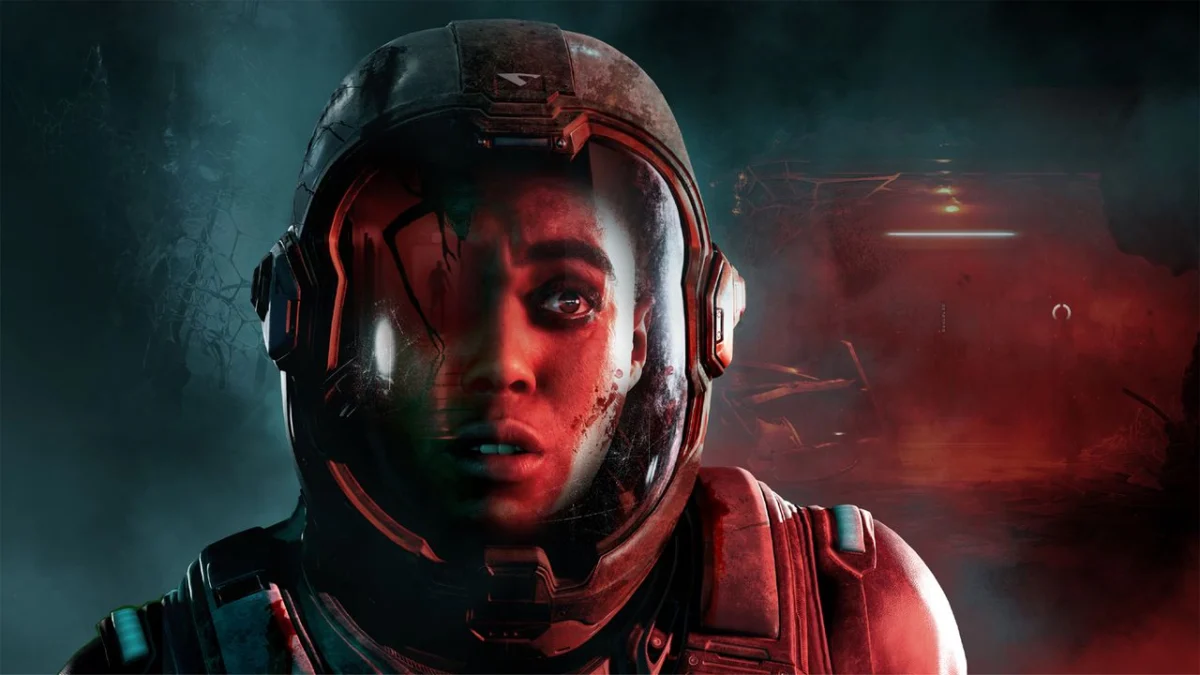
Supermassive Games has spent the last decade perfecting a singular art form: the "interactive horror movie." Since the 2014 release of Until Dawn, the studio has successfully blurred the lines between gaming and cinema, creating a niche where player choices act as the director’s chair, determining the fates of a cast of characters. With their latest title, Directive 8020, the studio sets its sights on the stars, attempting to fuse high-concept sci-fi horror with their signature choice-driven formula. However, as the dust settles on the Cassiopeia, it becomes clear that while the production values are stellar, the shift toward traditional survival-horror mechanics creates a friction that threatens to derail the very tension the game seeks to build.
The Premise: Desperation in Deep Space
Directive 8020 arrives with a heavy burden of expectation. Released on May 12, 2026, for PlayStation 5, Xbox Series X/S, and PC, the game is built upon Unreal Engine 5, promising a visual fidelity that approaches photorealism.
The story follows a diverse crew of astronauts aboard the Cassiopeia, a colony ship launched as a final, desperate gamble for a dying Earth. Their destination is Tau Ceti f, a distant planet believed to be humanity’s last hope. Unlike the gritty, "cassette futurism" aesthetic popularized by the Alien franchise—where everything feels tactile, dirty, and decaying—Directive 8020 opts for a cleaner, more optimistic veneer.
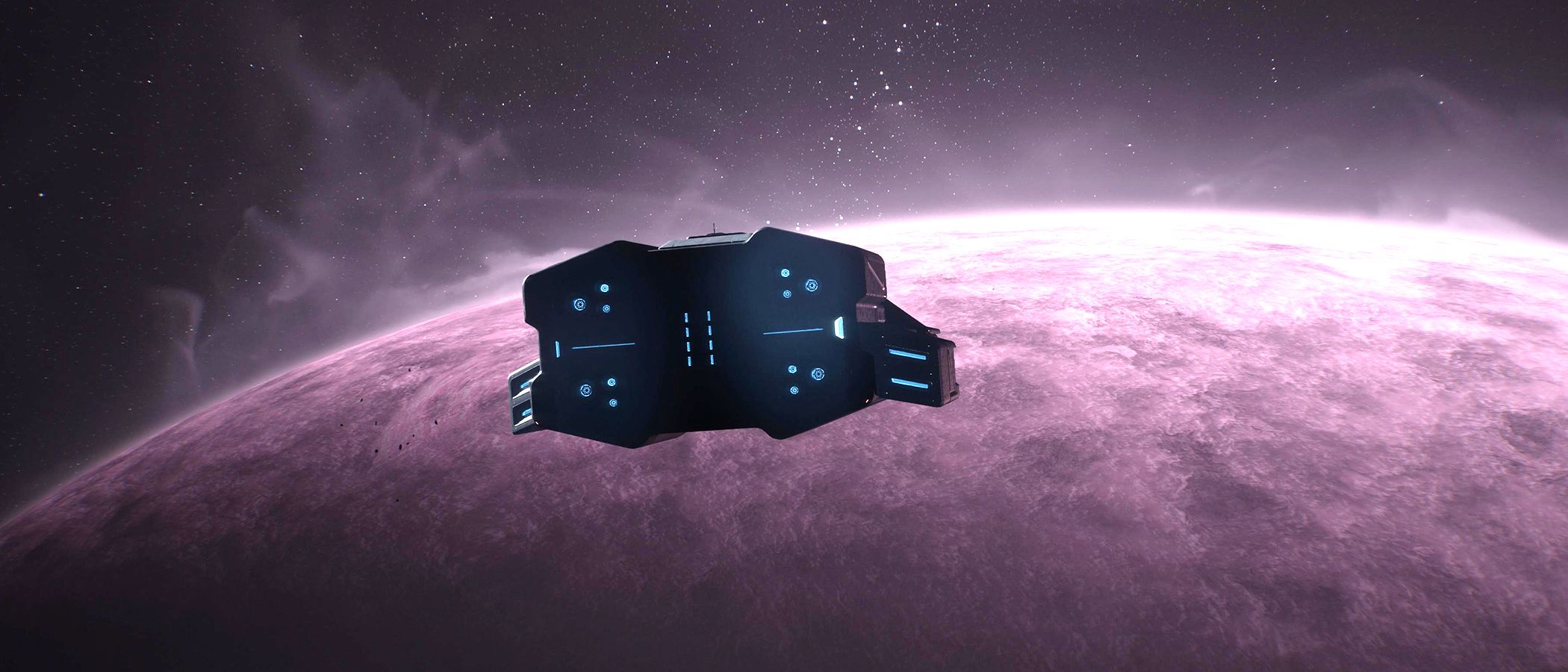
The mission is bankrolled by the Corinth Corporation, an entity that, while clearly hiding secrets, presents itself as a benevolent savior. The inclusion of the CEO as an active member of the crew adds a layer of corporate intrigue that distinguishes it from the standard "evil conglomerate" tropes of the genre. Yet, as the title suggests, this is a horror game, and it does not take long for the mission to descend into chaos.
Chronology of a Failed Mission
The narrative structure of Directive 8020 is divided into eight distinct episodes, each designed to mirror the pacing of a prestige television series. Early in the journey, the Cassiopeia suffers a catastrophic impact, bringing an extraterrestrial organism on board. This entity possesses the terrifying ability to mimic and replace human crew members—a narrative device reminiscent of John Carpenter’s The Thing.
The game’s early acts focus on establishing the crew. While Lashana Lynch’s character, Brianna Young, serves as the emotional anchor and primary protagonist, the game functions as an ensemble piece. Players are introduced to characters like the medical officer, Samantha Cooper, whose past as the sole survivor of a failed Mars mission adds significant psychological baggage to the group dynamic.
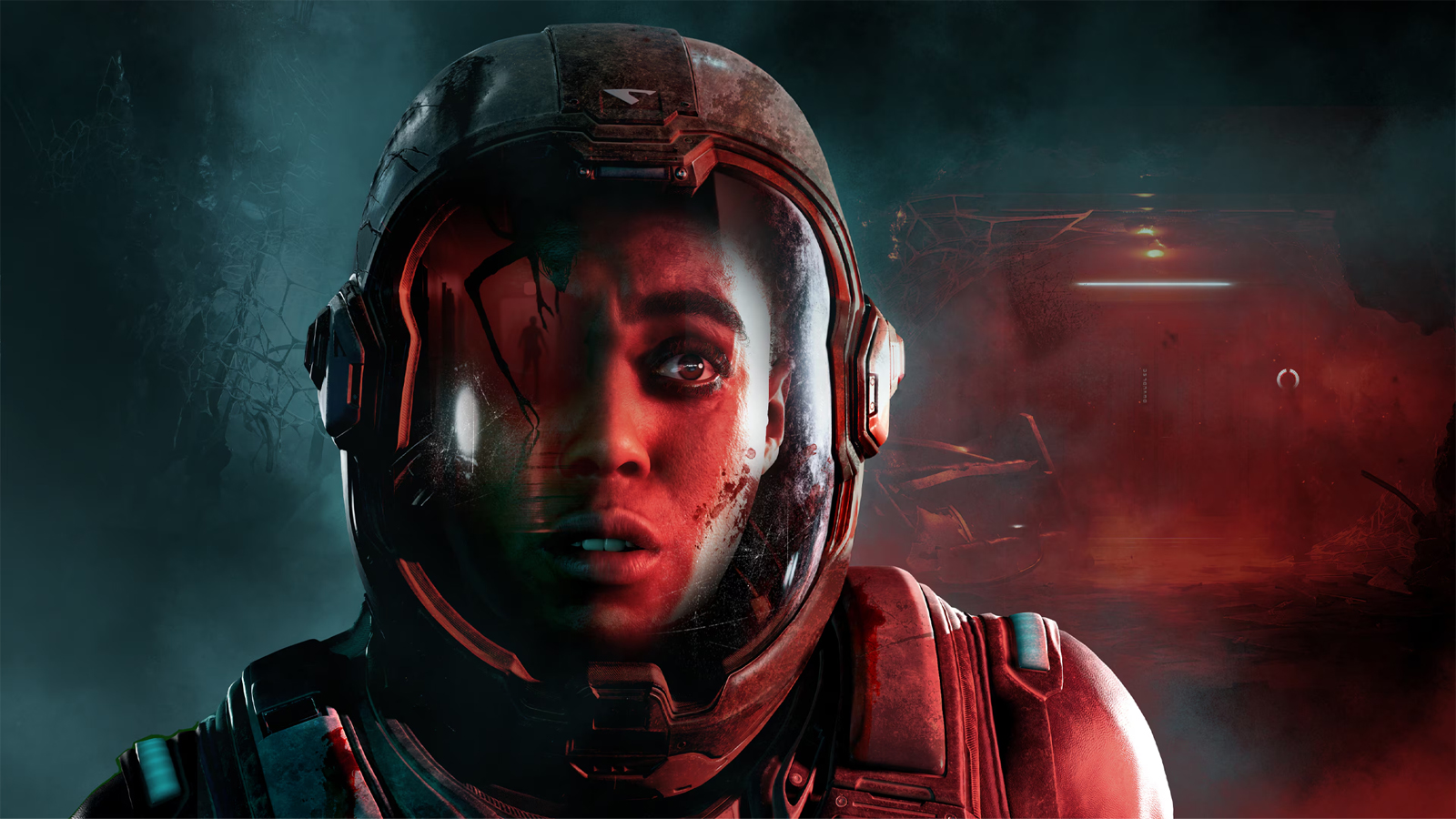
As the story progresses, the "paranoia" element—where the player must discern friend from foe—is central to the tension. However, the execution is inconsistent. While there are moments of genuine doubt, the narrative frequently shifts into overt survival sequences where the threat is clearly identified, stripping away the psychological ambiguity that could have elevated the horror.
The Technical Marvel: Unreal Engine 5 in Action
From a visual and technical standpoint, Directive 8020 is a triumph of modern game development. The character models are hauntingly believable, with motion capture performances that carry the weight of the story’s more dramatic beats.
For players utilizing high-end hardware—specifically the PS5 Pro paired with a 120Hz-compatible display—the experience is exceptionally fluid. The game manages to push high-quality textures and lighting effects while maintaining a stable 40FPS, a commendable feat for a title of this graphical intensity. The lighting, in particular, plays a vital role in the game’s atmosphere, using the cold, clinical glow of the ship’s interior to emphasize the isolation of deep space.
Gameplay Overreach: When Mechanics Diminish Atmosphere
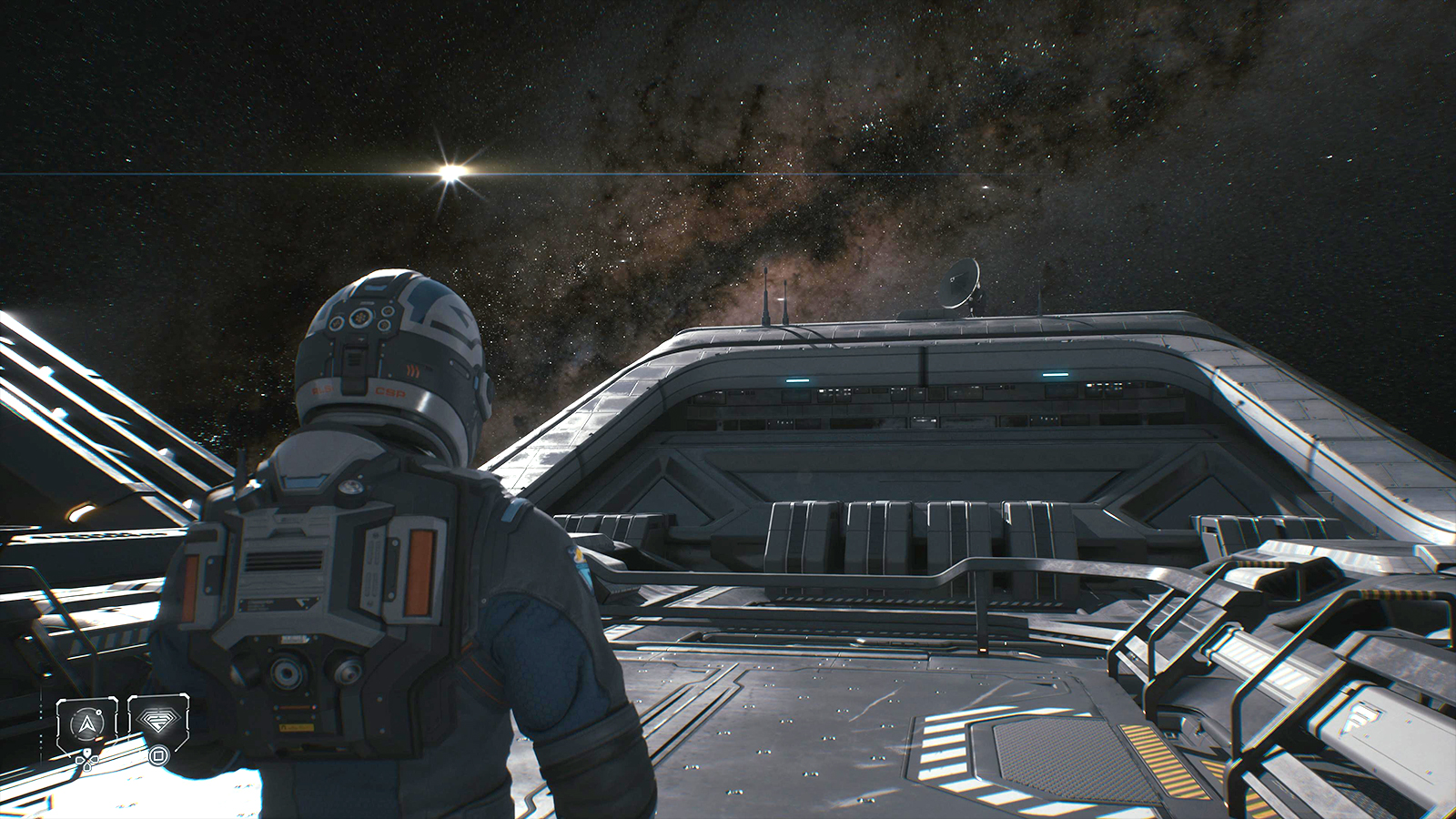
Despite the visual splendor, Directive 8020 stumbles in its gameplay philosophy. Supermassive Games has attempted to integrate more "game-y" elements—walking simulators, puzzle-solving, and stealth mechanics—into what has historically been a cinematic experience.
In previous titles, the interaction was limited and impactful, keeping the focus on the narrative. Here, the inclusion of extensive UI elements, menu management, and stealth sections feels like an attempt to validate the game’s identity as a "survival-horror" title. Unfortunately, these elements often clash with the pacing. Crouching behind knee-high cover to avoid an enemy that follows a predictable, scripted patrol path does little to induce fear; instead, it exposes the artificiality of the system. The tension dissipates the moment a player realizes the "threat" is merely a clockwork obstacle in a maze.
The "Turning Point" Controversy
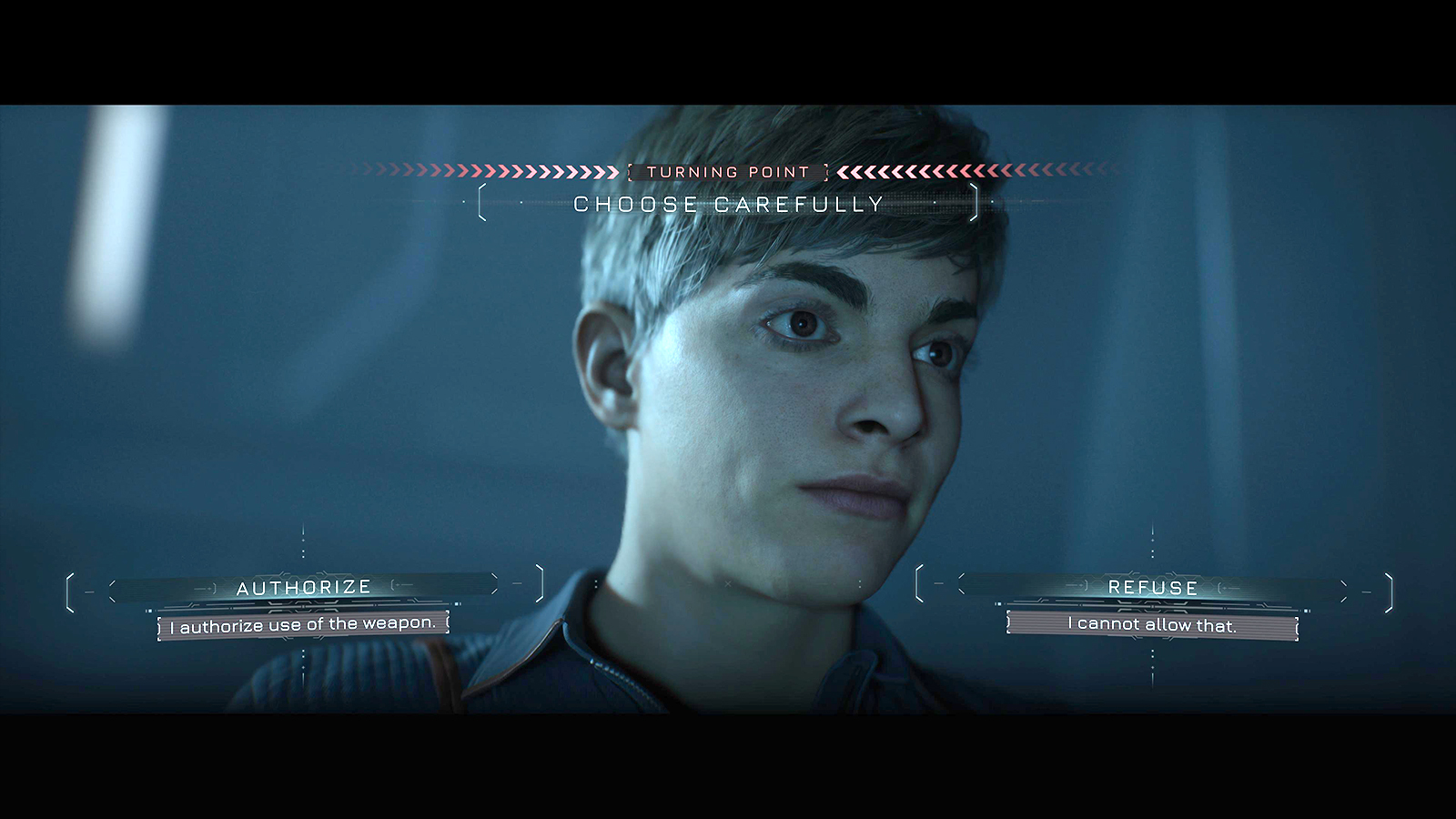
Perhaps the most divisive addition to Directive 8020 is the "Turning Point" mechanic. This system allows players to rewind and revisit branching narrative paths, effectively undoing fatal mistakes or exploring alternate outcomes without restarting the game.
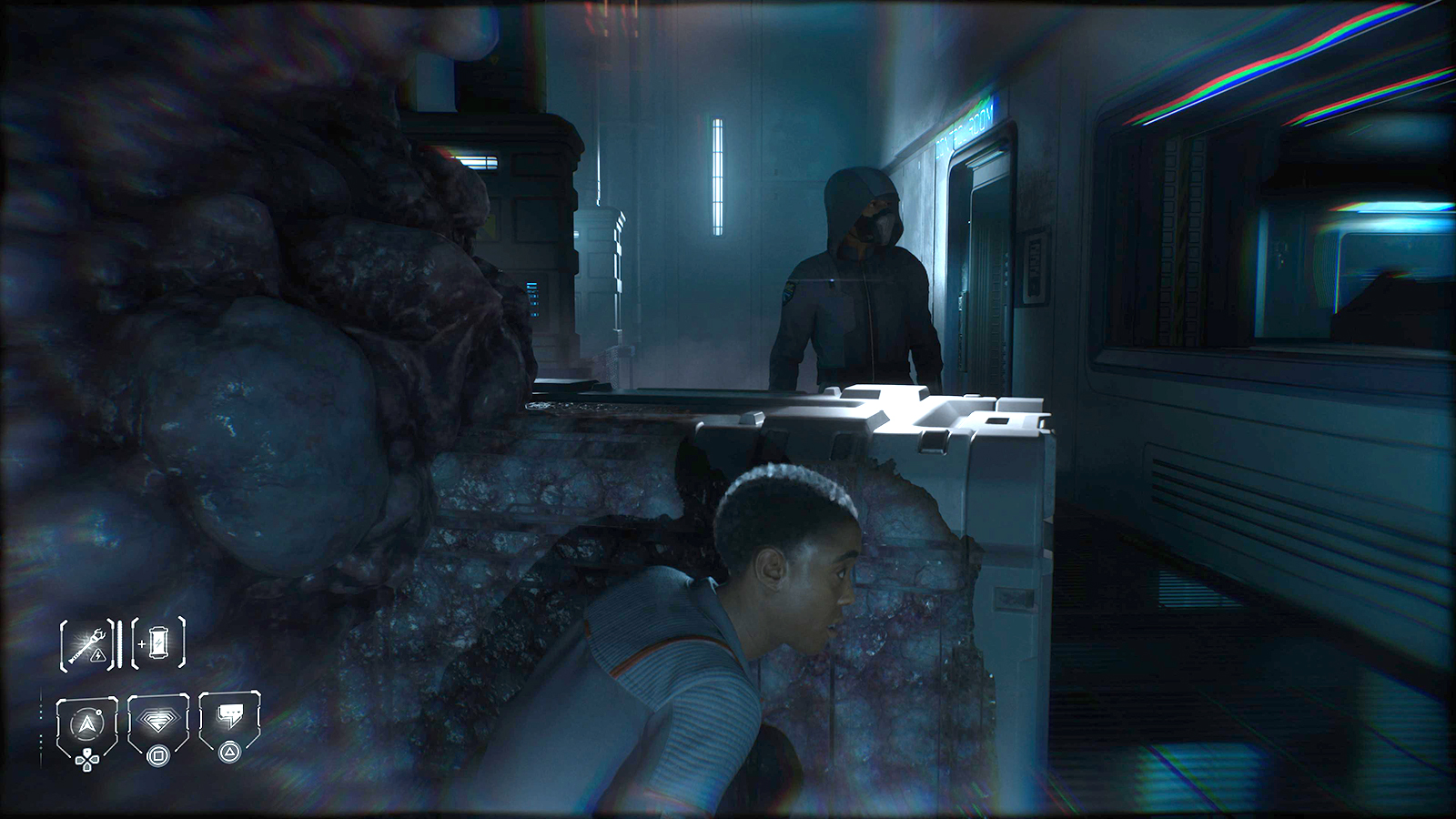
From a design perspective, this is a double-edged sword. While it offers accessibility and allows players to see the "perfect" ending without enduring multiple playthroughs, it fundamentally alters the stakes of the experience. The defining characteristic of Supermassive’s brand has always been the permanence of choice. When a character dies, it is supposed to be the result of a failure in judgment or reflexes. By providing a "rewind" button, the game effectively removes the existential dread that made Until Dawn and The Quarry so compelling. The weight of consequence is replaced by the convenience of a save-state.
Implications: The Future of Cinematic Horror
As the story reaches its conclusion, Directive 8020 takes a narrative turn that is likely to split its audience. Without revealing spoilers, the finale adopts a meta-commentary on the nature of these stories and the player’s role within them. This "left turn" forces the player to question whether their choices ever really mattered, a thematic choice that feels both ambitious and potentially frustrating for those looking for a traditional, character-focused resolution.
The implications for the genre are significant. Supermassive Games is at a crossroads. By leaning into traditional gameplay loops, they risk alienating the audience that fell in love with their "playable movie" format. Conversely, by trying to appease the demand for "more game," they have diluted the cinematic purity that originally set them apart from the crowd.
Conclusion
Directive 8020 is a game of high highs and frustrating lows. It offers a masterclass in virtual acting and atmospheric set design, powered by the incredible capabilities of Unreal Engine 5. The ensemble cast is compelling, and the setting provides a fresh, if slightly polished, take on space-based horror.
However, the game’s identity crisis is palpable. By attempting to force survival-horror tropes into a format that thrives on narrative flow and high-stakes consequence, the developers have inadvertently softened the impact of their own story. The "Turning Point" mechanic further serves to undermine the very tension the game works so hard to build.
For fans of the genre, Directive 8020 remains a must-play for its visual achievements and strong performances, but it stands as a cautionary tale: sometimes, in the pursuit of adding more, developers lose sight of what made their vision unique in the first place. Whether this signals a permanent shift for Supermassive or a temporary detour remains to be seen, but Directive 8020 will be remembered as a technically impressive, albeit narratively conflicted, addition to the studio’s portfolio.










No comments yet. Be the first to join the conversation!