Ali Ikhwan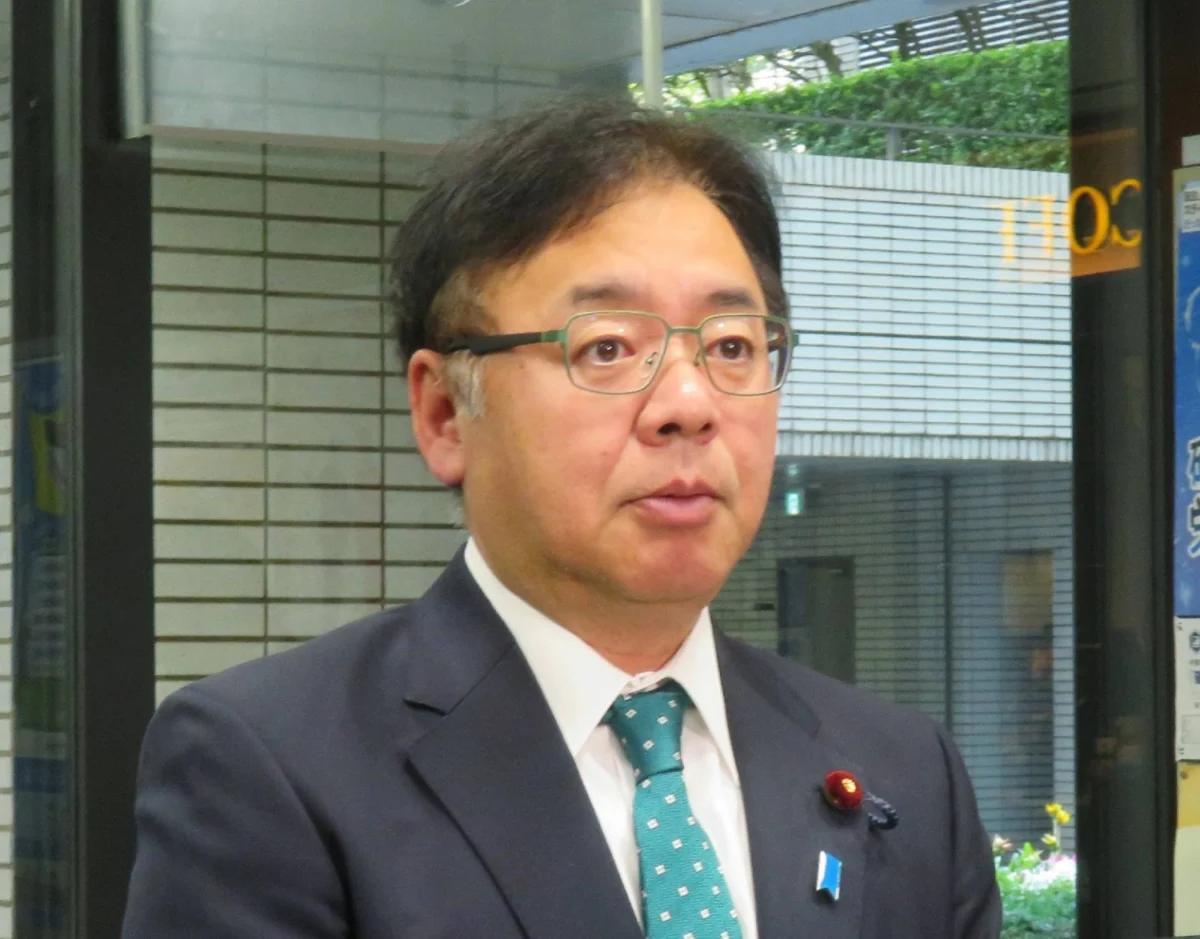
Main Facts: A Strategic Medical Intervention
In a significant display of international medical cooperation, the Japanese government announced on Monday that it has dispatched shipments of the antiviral medication Avigan to the United Kingdom. Health Minister Kenichiro Ueno confirmed that the supply was drawn from Japan’s national stockpiles to assist British health authorities in managing a burgeoning hantavirus outbreak originating aboard a cruise vessel navigating the Atlantic Ocean.
The decision to export the drug follows an urgent request from the British government, facilitated by an existing bilateral memorandum of understanding (MOU) concerning health security and emergency response. The incident highlights the growing necessity for rapid, transnational medical logistics in an era of global travel, where localized outbreaks on maritime vessels can quickly escalate into multi-national public health challenges.
While hantavirus is primarily known for its transmission through rodent excreta—leading to Hantavirus Pulmonary Syndrome (HPS) or Hemorrhagic Fever with Renal Syndrome (HFRS)—the circumstances surrounding this specific cruise ship outbreak have necessitated immediate therapeutic intervention. Avigan, also known as Favipiravir, has historically been researched for its broad-spectrum antiviral properties, and while it is not a universally established cure for hantavirus, preliminary data from animal models suggests it may enhance survival rates in infected patients.
Chronology: From Atlantic Voyage to Diplomatic Response
The timeline of the crisis began when reports emerged of passengers falling ill during a cruise in the Atlantic. As the vessel neared its port of call, it became clear that the outbreak required more than standard maritime medical isolation protocols.
- Initial Outbreak: Reports of respiratory and systemic distress among passengers began to surface while the ship was in transit. Diagnostic testing subsequently confirmed the presence of hantavirus, triggering an international alert.
- The Request: Upon receiving the diagnosis, British health authorities initiated contact with the Japanese Ministry of Health, Labor, and Welfare. Given Japan’s significant stockpile of Avigan and its established protocols for managing emerging infectious diseases, the British government formally requested support.
- Logistical Deployment: By Friday, the Japanese government had processed the request and mobilized the transport of the antiviral drug. The supply was moved from secure national reserves to the United Kingdom under strict medical oversight.
- The Japanese National: Among the passengers aboard the cruise ship was a Japanese citizen. In a gesture of reciprocal goodwill, the British government utilized a chartered plane to extract the national, subsequently placing them under rigorous health observation within the U.K.
- Ministerial Briefing: On the following Monday, Minister Kenichiro Ueno held a press conference to clarify the situation, confirming the delivery of the drugs and providing updates on the status of the Japanese national involved.
Supporting Data: The Science of Avigan and Hantavirus
The use of Avigan in this context underscores the search for medical solutions in the face of rare but lethal viral threats. Hantaviruses are negative-sense RNA viruses that typically cause severe disease in humans. Because there is currently no specific vaccine or standard antiviral treatment for hantavirus infections, clinical management is largely supportive, focusing on oxygen therapy and stabilization.
Understanding Favipiravir (Avigan)
Favipiravir works by selectively inhibiting the RNA-dependent RNA polymerase of influenza viruses. However, its mechanism of action—targeting the viral replication process—has led researchers to explore its efficacy against other RNA viruses.
- Animal Studies: Peer-reviewed data from laboratory models have indicated that Favipiravir can reduce viral titers and improve survival outcomes when administered shortly after exposure to hantavirus strains.
- Safety Profile: The Japanese Ministry of Health emphasized that this shipment to the U.K. was executed without compromising Japan’s own domestic stockpiles. The government maintains a robust inventory, ensuring that should a domestic crisis arise, the nation remains adequately prepared.
- Strategic Stockpiling: Japan’s decision to maintain high levels of antiviral reserves is a cornerstone of its "Health Security" policy, established following lessons learned from previous viral outbreaks.
Official Responses and Diplomatic Relations
The collaboration between Japan and the United Kingdom serves as a case study for effective international health diplomacy. Minister Ueno was careful to balance the announcement of the shipment with a public expression of gratitude toward the British authorities.
Minister Ueno’s Statement
"We are deeply appreciative of the British government’s commitment to the safety of our citizen," Ueno stated during his Monday briefing. "The rapid accommodation of the Japanese national on a chartered flight and the provision of high-quality health monitoring demonstrates the strength of our bilateral health ties."
Ueno further emphasized the importance of transparency and cooperation. "We will continue to work closely with the international community to prevent the spread of infections. Viruses do not respect borders, and our response must be equally borderless."
Addressing Global Concerns: The WHO and Ebola
The press conference also touched upon the broader context of global health, specifically the World Health Organization’s (WHO) recent declaration of a Public Health Emergency of International Concern (PHEIC) regarding Ebola outbreaks in the Democratic Republic of Congo and Uganda.
Ueno took the opportunity to calm public anxiety in Japan. "While we acknowledge the severity of the Ebola situation in Africa, the current risk of a domestic outbreak in Japan is considered very low," he noted. He urged the public to rely on verified health information and to remain vigilant but not panicked, reiterating the government’s commitment to monitoring international travel and health data.
Implications: A New Era of Health Security
The events surrounding the cruise ship outbreak hold several implications for the future of international public health management.
The Vulnerability of Maritime Travel
Cruise ships remain uniquely vulnerable to infectious outbreaks due to the confined environment, high density of passengers, and the complexities of international maritime law. This incident highlights the need for standardized, real-time medical data sharing between cruise operators, flag states, and the nations where ships dock.
The "Stockpile Diplomacy" Model
Japan’s ability to act as a "medical first responder" by deploying its own stockpiles to a global partner suggests a potential new model for international crisis management. By maintaining surplus medical supplies and an infrastructure for rapid distribution, nations can provide critical support that fills the gap between the onset of an outbreak and the development of localized treatment strategies.
Future Preparedness
The reliance on experimental or "off-label" use of drugs like Avigan for rare viral outbreaks like hantavirus indicates a shift toward adaptive medical responses. While clinical trials remain the gold standard for drug approval, the reality of emergency situations often requires a nuanced approach that weighs the potential for patient benefit against the limitations of current data.
Moving forward, the Japanese government intends to continue its collaboration with the WHO and international health partners to refine these protocols. As climate change and increased human mobility continue to shift the geographic footprint of viral diseases, the ability to mobilize assets across oceans will become an increasingly vital component of national defense.
Conclusion
The successful delivery of Avigan to the United Kingdom is more than a logistical achievement; it is a testament to the necessity of international cooperation in the face of biological threats. As the Japanese citizen remains under observation and the international community monitors the hantavirus situation, the actions taken by Tokyo and London serve as a reminder that in the fight against infectious diseases, scientific collaboration and diplomatic transparency remain our most effective tools. The Japanese government remains committed to its role as a stable partner in global health, ensuring that both its citizens and its allies are supported in times of crisis.


 Neng Nana
 Asro
Asro