Pevita Pearce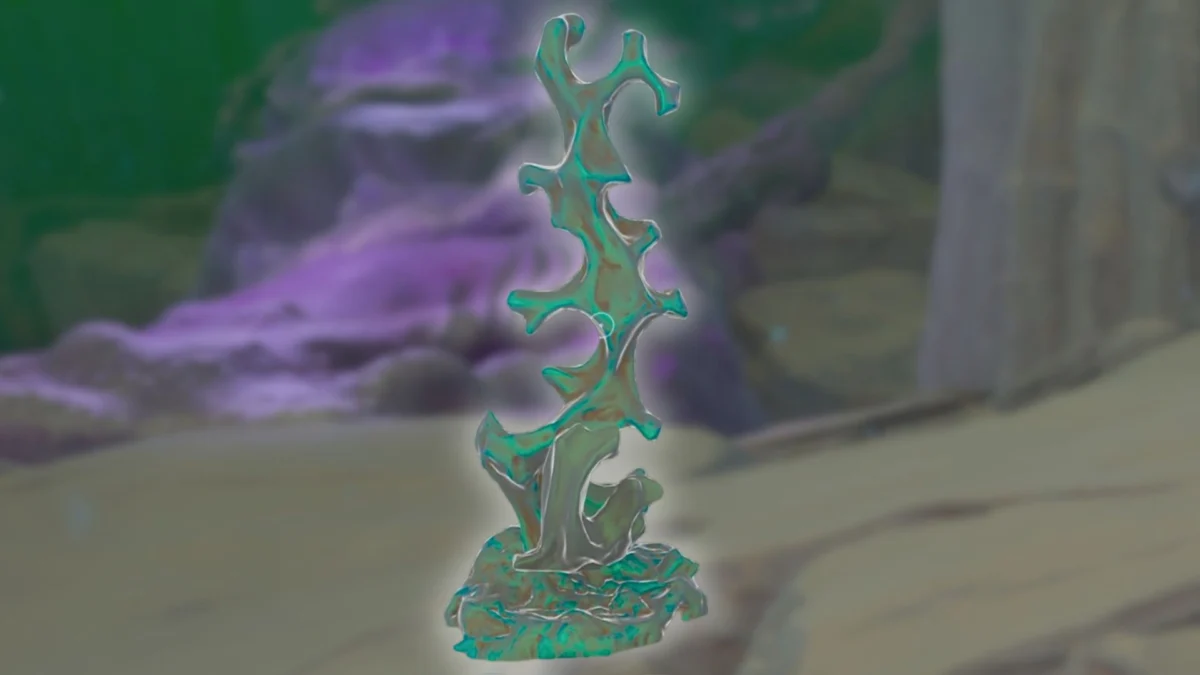
The survival experience in Subnautica 2 is defined by a singular, persistent tension: the struggle between the player’s insatiable need for technological advancement and the crushing, unforgiving depths of an alien ocean. While the game provides an abundance of resources near the surface, the true materials required to master the environment are sequestered in the "Forbidden Zones"—areas where pressure, predatory behavior, and geography converge to create a hostile gauntlet. Among these vital resources, Conduit Crystals stand as the most critical bottleneck for mid-game progression.
As players push deeper into the planet’s crust, the ability to manufacture advanced survival gear becomes non-negotiable. Conduit Crystals, known for their unique piezoelectric properties and structural integrity, are the bedrock of the most essential upgrades available in the current build.
The Core Necessity: Why Conduit Crystals Matter
In Subnautica 2, resource acquisition is not merely about crafting for convenience; it is about survival. Conduit Crystals are primary components for two game-changing upgrades: the Resonator and the Scanner.
The Resonator is indispensable for navigating the low-visibility, high-risk environments of the deeper biomes. Without it, players are effectively blind, relying on guesswork rather than data. Conversely, the Scanner upgrade significantly increases the range and fidelity of material detection. For players looking to optimize their efficiency, the Scanner is the difference between aimlessly wandering into the maw of a predator and surgically striking at the exact location of a rare ore vein.
Chronology of Exploration: The Path to the Power Plant
The journey to secure Conduit Crystals is rarely a straightforward affair. Based on community testing and early-access data, the path to the primary cache follows a specific progression of exploration.
Phase 1: Preparation and Scouting (0–200m)
Before attempting to secure these crystals, players must establish a localized supply chain. The initial stages of the game revolve around gathering basic titanium and copper. It is highly recommended that players do not attempt to farm Conduit Crystals until they have secured at least a basic depth module for their primary submersible—specifically, the Tadpole.
Phase 2: The Navigation to the Arch (200–300m)
The most reliable source of Conduit Crystals is situated in the vicinity of the alien power plant. Navigators should depart from the Alien Observatory or Research Base on a heading of approximately 110 degrees. The landmark to look for is a gargantuan, naturally occurring rock arch that spans a deep-sea trench. This arch serves as the gateway to the lower depths.
Phase 3: The Descent and Extraction (300m+)
Once under the arch, the terrain drops off significantly. Conduit Crystals are found on the seabed, embedded in the lower rockfaces of the power plant structure, and scattered along the precarious ledges surrounding the trench. This is the "Point of No Return" for poorly equipped divers.
The Perils of the Deep: Supporting Data on Environmental Risks
The environmental data surrounding the power plant is alarming. Sub-300m operations are inherently dangerous due to the concentration of aggressive fauna that patrol the area. Unlike the surface-level predators, which can often be outmaneuvered, the species near the power plant are territorial and exhibit pack-hunting behaviors that can shred an unshielded vessel in seconds.
Technical Limitations of the Tadpole
The Tadpole submersible is a marvel of engineering, yet it comes with a factory-standard depth limit of 250m. Pushing beyond this limit without a depth module upgrade causes immediate hull stress, resulting in structural degradation.
If a player is desperate for early-game access to Conduit Crystals and lacks the depth module, they are forced to perform "suicide dives"—leaving their vehicle at 250m and descending the remaining distance on foot (or fin). In such scenarios, the survival rate is statistically low. Players attempting this must carry an Air Bladder, a critical piece of gear that allows for rapid, pressurized ascension to the safety of their craft.

Expert Analysis and Official Development Insights
While the developers at Unknown Worlds Entertainment have remained tight-lipped regarding the specific spawn mechanics of these crystals, community managers have hinted that the placement of Conduit Crystals is intended to gate the game’s "power fantasy."
"We want the player to feel the weight of their decisions," noted a representative in recent developer logs. "When you see a Conduit Crystal at 320 meters, you aren’t just looking at an item; you’re looking at a choice. Do you risk your current vessel? Do you invest the time to build a better one? Or do you gamble with your own oxygen supply?"
This design philosophy ensures that the progression curve of Subnautica 2 remains steep. By placing such a necessary component in a high-danger zone, the developers effectively force the player to engage with the game’s upgrade systems. There is no shortcut to the late game; the ocean demands that you evolve alongside it.
The Broader Implications: Beyond the Crystal
The acquisition of Conduit Crystals is, in many ways, the "key that unlocks the lock." Once a player successfully establishes a steady supply of these crystals, the entire map opens up.
Synergy with Troilite
The most significant implication of mastering the Conduit Crystal harvest is the ability to eventually reach and process Troilite. As one of the rarest materials currently available in the game, Troilite is sequestered in the most dangerous, radiation-heavy sectors of the map. Without the upgraded Scanner and the robust hull integrity provided by materials derived from Conduit Crystals, mining Troilite is effectively impossible.
The Power Plant Connection
The ultimate goal for many players is the reactivation of the alien power plant. This facility is the heart of the region’s infrastructure. The lore fragments found in the vicinity suggest that this plant is not merely a source of electricity for the player, but a critical piece of the planetary puzzle that may hold the key to escaping the watery world.
Conclusion: Mastering the Abyss
Surviving in Subnautica 2 is a process of constant adaptation. Conduit Crystals represent the intersection of risk and reward. They are the threshold between a fragile survivor clinging to the surface and a seasoned explorer capable of plumbing the darkest, most mysterious depths of the alien ocean.
For those planning their first descent to the 300m mark:
- Calibrate your compass: 110 degrees from the Observatory.
- Prioritize the Depth Module: Do not underestimate the hull stress at 300m.
- Bring Backup: If you are diving outside your vessel, ensure your Air Bladder is fully charged.
- Scan, Don’t Stare: With the Scanner upgrade, you can locate veins of crystal before the local wildlife locates you.
As the game continues to evolve through updates, the strategies for mining these resources may change, but the core lesson remains: in the depths of Subnautica 2, knowledge is as vital as oxygen. Whether you are searching for the elusive Conduit Crystal or hunting for the rare Troilite, always remember that the ocean is watching—and it is rarely forgiving.
Strategic Summary Table for Conduit Crystal Farming:
| Attribute | Detail |
|---|---|
| Minimum Depth | 300m |
| Target Heading | 110° from Research Base |
| Essential Gear | Depth Module (Tadpole), Air Bladder, Scanner |
| Primary Risk | High-aggression fauna; Hull crushing depth |
| Key Crafting Use | Resonator, Scanner Upgrades |
By respecting the depth and preparing for the inevitable hazards, players can turn the most forbidding corners of the map into their own personal resource hubs. Happy diving.

 Lina Irawan
 Raul Delapena Setiawan