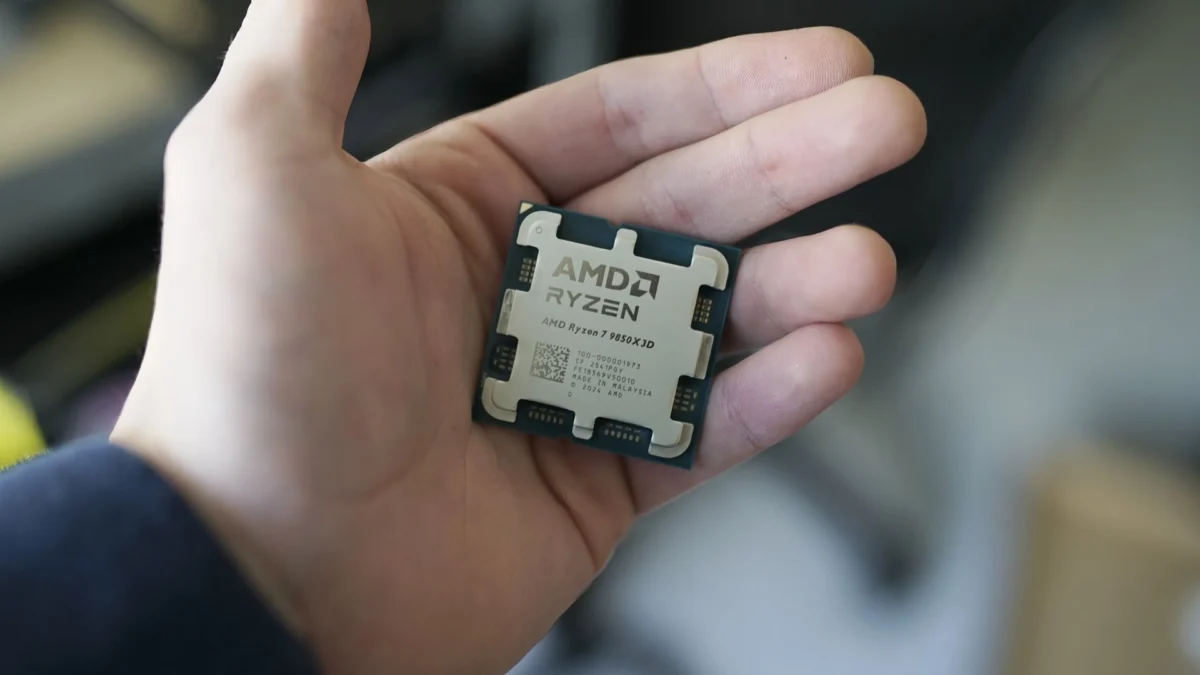
The Trump administration is reportedly finalizing plans for a second, more aggressive round of semiconductor tariffs, a move that threatens to fundamentally reshape the global electronics supply chain. According to eight individuals familiar with ongoing internal discussions, the administration is considering extending import duties far beyond individual chips to encompass a vast array of finished consumer and enterprise hardware, including laptops, high-performance gaming consoles, and the massive data center servers that underpin the modern AI economy.
This potential escalation marks a significant departure from the more targeted, albeit substantial, actions taken during the administration’s earlier trade maneuvers. As the White House intensifies its "America First" manufacturing agenda, the tech industry—from hyperscale cloud providers to consumer electronics manufacturers—is bracing for a potential period of severe volatility.
The Strategy: Linking Imports to Domestic Production
At the heart of the administration’s proposal is a controversial framework championed by Commerce Secretary Howard Lutnick. Sources indicate that the Commerce Department is exploring a structural shift in how duty-free imports are calculated. Under the proposed model, companies would see their duty-free chip import volumes tied directly to their committed domestic U.S. manufacturing capacity.
The logic is ostensibly designed to force rapid onshoring: if a company wants to avoid heavy tariffs on its chips, it must demonstrate a proportional investment in building out the American semiconductor ecosystem. However, industry analysts and trade lobbyists warn that this approach fails to account for the reality of the current chip manufacturing timeline. While the administration views this as a lever to accelerate domestic development, critics argue that the five-year-plus lead time required to bring a modern semiconductor fab to full operational capacity is fundamentally incompatible with the immediate, high-volume demands of the tech sector.
A Chronology of Escalation
To understand the gravity of the current proposal, one must view it as the next logical step in a series of calculated trade actions:
- January 14, 2026 (Proclamation 11002): The administration officially launched "Phase 1" of its semiconductor strategy, imposing a 25% tariff on a select group of advanced accelerators. This phase explicitly targeted high-performance hardware, with products like Nvidia’s H200 and AMD’s MI325X specifically named in official White House documentation.
- The Spring Review (April 2026): As directed by the January proclamation, the USTR and the Commerce Department conducted a comprehensive review of the semiconductor market, specifically focusing on the critical dependence of U.S. data centers on foreign-produced silicon. This period also saw intense negotiations with key allies—Taiwan, South Korea, and Japan—regarding trade quotas.
- The Current Impasse (Late Summer 2026): After months of private lobbying by tech industry representatives and repeated meetings between tech executives and administration officials, including Commerce undersecretary Jeffrey Kessler, reports suggest the tide has turned against the industry. The potential removal of previously established exemptions for data centers, R&D, and startups indicates a narrowing window for corporate flexibility.
The Data Center Dilemma: Building the New "Transcontinental Railroad"
The potential removal of exemptions is perhaps the most significant point of friction. The January tariffs included broad carve-outs for research and development, public sector projects, and critical infrastructure like data centers. Industry leaders are now warning that the loss of these protections could cripple the rapid expansion of AI infrastructure.
Jonathan McHale, digital policy chief at the Computer and Communications Industry Association (CCIA), has publicly likened the current buildout of data center capacity to the 19th-century construction of the transcontinental railroad. "It is a foundational project for the 21st-century economy," McHale noted. By imposing new, unpredictable costs on the primary components of these data centers, the administration risks creating a "tariff-induced bottleneck" that could stall the deployment of next-generation AI, cloud computing, and cybersecurity infrastructure.
Taiwan and the Quota Conflict
A major point of contention remains the trade agreement with Taiwan, which currently allows for zero tariffs on chips within a quota based on a company’s U.S. manufacturing capacity. Under the current deal, companies are granted duty-free status for imports up to 2.5 times their current domestic production, a figure that drops to 1.5 times once new facilities reach completion.
While Taiwan Semiconductor Manufacturing Company (TSMC) has pledged a historic $265 billion toward its Arizona site, the sheer scale of the global AI demand is dwarfing these efforts. At full build-out, the Arizona facility is expected to supply only a fraction of the advanced chips required by U.S. hyperscalers like Amazon, Google, and Meta. With Taiwan still producing over 90% of the world’s most advanced semiconductors, industry lobbyists argue that linking tariffs to domestic capacity is a mathematical mismatch. They contend that it is physically impossible for the U.S. to ramp up production fast enough to meet the current, record-breaking levels of AI investment, effectively making these tariffs a tax on growth rather than a catalyst for production.
Official Stance and Administrative Justification
Despite the vocal opposition from the tech sector, the White House remains steadfast. A spokesperson for the administration, Kush Desai, reiterated that the reshoring of the semiconductor supply chain is a top-tier national security priority for the president. The administration views the reliance on foreign, particularly Asian-based, semiconductor manufacturing as a strategic vulnerability that must be addressed, regardless of the short-term economic friction.
The Commerce Department, meanwhile, has remained largely tight-lipped regarding the specifics of the upcoming policy, though officials have hinted in private forums that the "Phase 1" exemptions were always intended to be temporary. The message from the administration is clear: the period of transition is ending, and the era of forced domestic dependency is beginning.
The Economic and Geopolitical Implications
The potential for a "Phase 2" tariff structure carries profound implications for the global economy:
1. Consumer Electronics Pricing
If the tariffs are extended to finished goods like laptops and gaming consoles, the impact will be felt directly by the American consumer. Unlike the upstream semiconductor market, where corporations might absorb some costs to maintain market share, the retail electronics market is highly price-sensitive. A 25% duty on finished hardware would likely lead to immediate price hikes across the board, potentially dampening consumer demand during a period of already cooling economic growth.
2. The "Cold War" of Silicon
The geopolitical stakes are equally high. By placing heavy pressure on Taiwan—a critical U.S. ally—the administration is walking a tightrope. If the U.S. pushes too hard, it risks destabilizing the very partner it relies on for its most advanced technology. Conversely, the administration believes that only through extreme pressure can it force the level of investment required to achieve true technological sovereignty.
3. Innovation and the Startup Ecosystem
Perhaps the most vulnerable group under the new regime is the startup sector. Small-to-medium-sized tech firms often rely on imported hardware to build their prototypes and initial product lines. Without the R&D and startup exemptions that were a hallmark of the January proclamation, many innovative firms may find themselves priced out of the hardware market entirely, potentially stifling the next generation of American tech breakthroughs.
Looking Ahead: The Weeks of Uncertainty
While the framework discussed by the administration is detailed, it remains fluid. The coming weeks will be critical as the White House weighs the economic fallout against its strategic goals. Whether the administration will choose to implement a phased-in approach to mitigate the shock, or whether it will move forward with a swift, comprehensive mandate, remains the subject of intense speculation in Washington.
For now, the tech industry remains in a state of high alert. The "Silicon Squeeze" is no longer a distant threat but a looming reality, as the administration moves to assert control over the most critical supply chain of the modern era. As the negotiations continue behind closed doors, one thing is certain: the era of global, frictionless semiconductor trade is rapidly drawing to a close, and a new, more restrictive reality is taking its place.