Muslim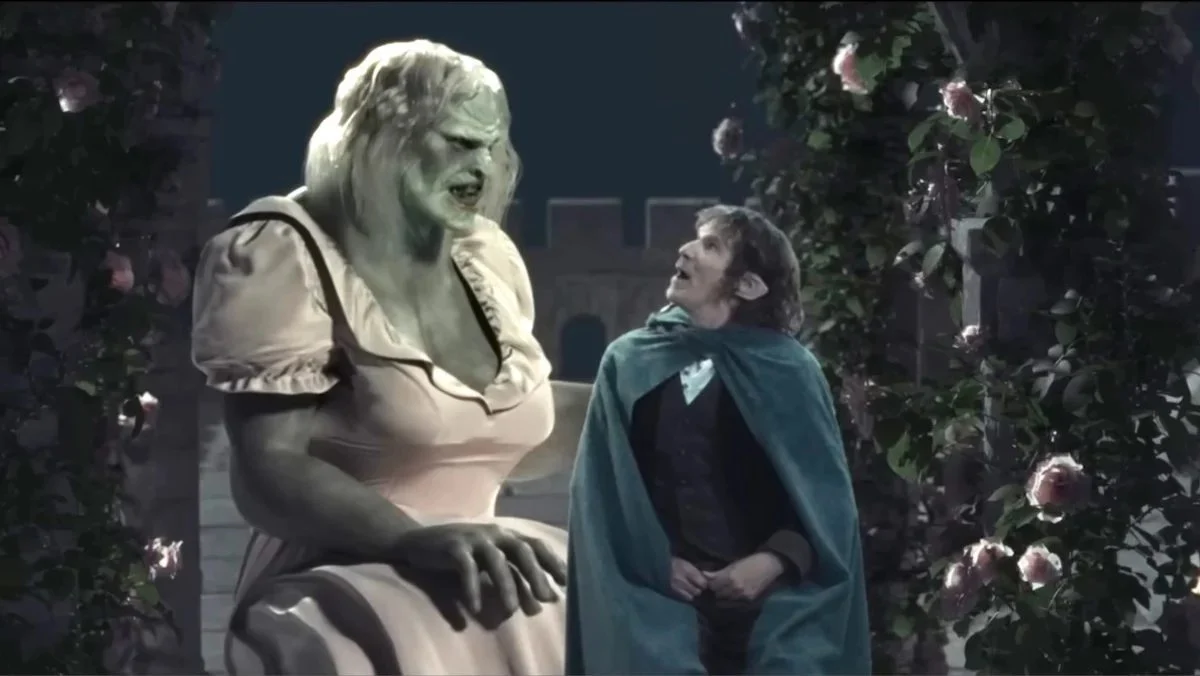
In the vast, expansive history of J.R.R. Tolkien’s Middle-earth, few corners of the legendarium have remained unexplored. From Peter Jackson’s Academy Award-winning film trilogy to the sprawling, high-budget spectacle of Amazon’s The Rings of Power, the world of Hobbits, Elves, and Orcs has been adapted for almost every conceivable medium. Yet, one frontier has remained largely untouched: the Broadway musical stage.
During the Season 51 finale of Saturday Night Live, the long-standing question of whether Middle-earth could sustain a song-and-dance production was answered with a resounding, hilarious "yes." In a standout sketch titled "Bobbin’s Sacrifice," comedy veteran Will Ferrell donned the hairy feet and rustic attire of a Hobbit, delivering a performance that simultaneously poked fun at the earnest nature of fantasy epics and highlighted the untapped potential of a Lord of the Rings musical.
Main Facts: The "Bobbin’s Sacrifice" Phenomenon
The Saturday Night Live sketch centers on Bobbin, a Hobbit who ostensibly mirrors the plucky, self-sacrificing heroes of Tolkien’s lore. As the skit begins, the audience is presented with a classic high-fantasy setup: a fellowship of heroes, including parodies of Gandalf (Fandorf), Galadriel, Legolas, Gimli, and Aragorn, are facing a dire threat.
Bobbin volunteers for a suicide mission—a daring sprint to blow up a bridge separating the Kingdom of Men from an encroaching Orc army. The scene is set with all the gravitas of a climatic battle sequence. However, the tone shifts dramatically when Bobbin begins to sing. Rather than a ballad of heroic martyrdom, the audience is treated to a catchy, upbeat musical number titled "I’m Switching Sides."
In a departure from the selfless nature of characters like Frodo Baggins or Samwise Gamgee, Bobbin reveals his true intentions: he is a turncoat. Tired of the peril associated with hanging around the "good guys," Bobbin decides to defect to the Orcs, specifically because he harbors a desire to settle down and live a quiet, domestic life with an Orc wife. The sketch concludes with a dark comedic twist: the Orcs, unimpressed by his musical overture and lack of tactical value, promptly decapitate Bobbin, inadvertently taking down a fellow member of the Fellowship in the process.

Chronology: From Middle-earth to Studio 8H
To understand the cultural impact of "Bobbin’s Sacrifice," one must look at the trajectory of the sketch within the context of the Saturday Night Live season finale.
- The Setup: Throughout the first half of the segment, the writers utilized the visual language of modern fantasy, complete with high-production costuming and orchestral swells, to lull the audience into believing they were watching a sincere, if slightly eccentric, dramatic piece.
- The Reveal: The pivot point occurred when Will Ferrell’s Bobbin transitioned from an earnest "hero’s speech" into the musical number. This structural choice was crucial, as it relied on the audience’s pre-existing knowledge of Tolkien’s themes—specifically the "noble sacrifice"—and subverted them through the lens of a Broadway-style production.
- The Climax: The lyrical content of "I’m Switching Sides" served as the anchor for the sketch. By grounding the comedy in the absurdity of a Hobbit seeking a suburban lifestyle with an Orc, the sketch tapped into the modern trend of humanizing antagonist races, a topic currently at the forefront of the fantasy discourse.
- The Aftermath: The segment concluded with the "Age of Men" effectively ending and the "Time of the Orc" beginning, a bleak yet hilarious subversion of the traditional "good triumphs over evil" ending found in the source material.
Supporting Data: The Evolution of Orc Representation
The humor in "Bobbin’s Sacrifice" did not emerge in a vacuum. It draws heavily from ongoing debates regarding the morality and sociology of Tolkien’s monsters. For decades, Orcs were viewed as purely evil, biological fodder for the heroes to defeat. However, the discourse has shifted significantly with the release of The Rings of Power.
When Amazon’s series introduced the concept of Orc families, complete with "Orc babies" and domestic structures, the internet exploded with debate. Critics argued that humanizing the "monsters" stripped them of their role as clear-cut antagonists. Conversely, proponents—including the creative team behind this SNL skit—found the idea of "Uruk-hai domesticity" to be a compelling narrative layer.
By having Bobbin express a desire to join an Orc household, SNL engaged with this controversy directly. It suggested that even the most "evil" creatures in Middle-earth might offer a more appealing lifestyle than the constant, exhausting trauma of being a Hobbit on a quest to save the world. It is a satirical take, yes, but one that reflects a broader cultural interest in "villain redemption arcs" and the deconstruction of traditional binary morality.
Official Responses and Creative Implications
While there has been no official statement from the Tolkien Estate regarding the skit, the response from the comedy community and Lord of the Rings superfans has been overwhelmingly positive. The production quality of the sketch, particularly the costume design and the composition of the "I’m Switching Sides" number, suggests a high level of respect for the source material, even as it lampoons it.

The implications for a potential, legitimate Lord of the Rings musical are profound. If a short, five-minute parody can so effectively bridge the gap between epic fantasy and musical theater, what could a full-scale Broadway production achieve? The medium of the musical is uniquely suited to the emotional intensity of Tolkien’s writing. His characters are prone to long, poetic soliloquies, and the sweeping geography of Middle-earth lends itself to grand, stage-filling set designs.
The success of SNL’s effort proves that the audience is ready for this. The "Hobbit-as-a-musical-star" trope, popularized by Ferrell’s comedic commitment, provides a template for how a show could balance the gravity of the War of the Ring with the inherent whimsy of the Shire.
The Case for Broadway: Is Middle-earth Ready for the Stage?
Why hasn’t there been a massive Lord of the Rings Broadway musical yet? The answer likely lies in the sheer scale of the endeavor. Translating the visual effects of an army of Orcs or the massive stature of an Ent to a live stage is a logistical nightmare. Yet, as theater technology advances, the barriers are lowering.
"Bobbin’s Sacrifice" demonstrated that you don’t necessarily need the full scale of the film trilogy to capture the spirit of the story. By focusing on the personal motivations of a single, slightly deluded character, the skit proved that a musical could be successful by focusing on the intimate, human (or Hobbit-like) side of the struggle.
Furthermore, the music itself is a massive part of the appeal. Howard Shore’s original score is iconic, but a musical would allow for a new layer of storytelling—internal monologues turned into song, the rhythmic clanging of the Orc forges as a percussion section, and the lyrical beauty of Elvish translated into operatic melodies.

Conclusion: The "Bobbin" Legacy
Will Ferrell’s performance as Bobbin will likely go down as one of the most memorable character sketches in recent Saturday Night Live history. It was a rare blend of high-concept parody and genuine musical craft. Whether or not it leads to a real Broadway production remains to be seen, but the seed has been planted.
For now, we are left with the catchy, slightly treacherous, and undeniably hilarious image of a Hobbit dancing his way toward an Orcish domestic bliss. It serves as a reminder that even in the most serious of epics, there is always room for a song—and perhaps, for a little bit of subversion. As the curtain closes on SNL‘s Season 51, we can only hope that "Broadway: The Fellowship" becomes the next great theatrical movement. If the Age of Men is indeed over, let it be replaced by an Age of Musicals. After all, if the Orcs are going to take over, they might as well have a show-stopping opening number to go with it.

 Siti Muinah
 Azzam Bilal Chamdy