

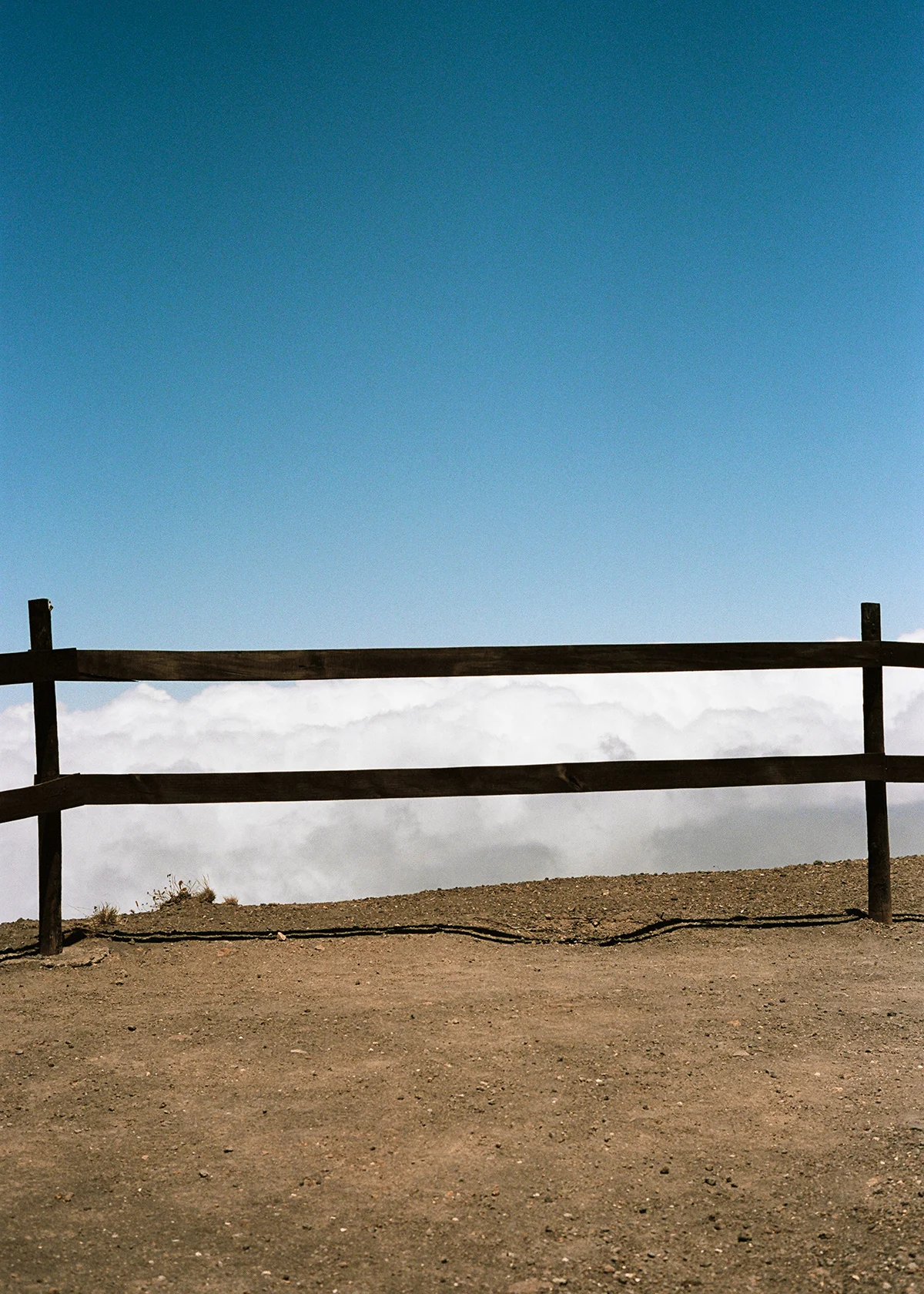
In an era defined by hyper-precise GPS, instant satellite mapping, and the cold efficiency of digital wayfinding, the act of getting lost has become a forgotten luxury. For Scottish photographer and director Olly Geary, however, the act of navigating without digital assistance became the foundation for his latest work, Limpid Blue. Winner of the 2025 Art & Photo Book Award, the project is more than a mere travelogue; it is a profound cartographic exploration of identity, familial memory, and the rhythm of a city that refuses to be constrained by standardized geography.
The Geography of Memory: An Overview
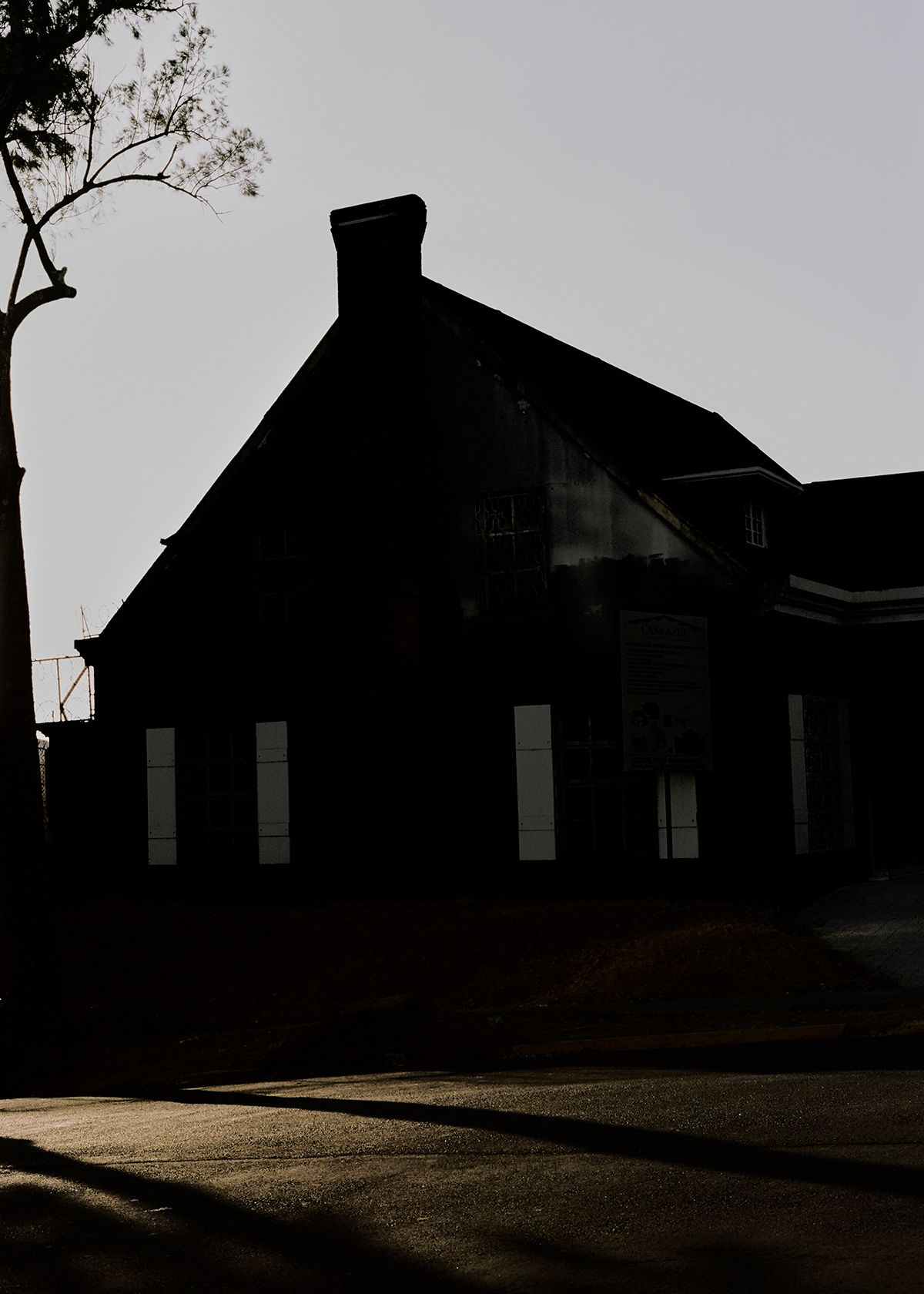
Limpid Blue documents a transformative month-long residency in San José, Costa Rica. The project emerged from a deeply personal impulse: to reconnect with his mother’s homeland—a place Geary had never visited, existing previously only in the periphery of family anecdotes and hazy, inherited memories.
What makes Limpid Blue distinct is its unconventional methodology. San José is a city where, for long stretches of its history, street names and house numbers were secondary to local landmarks and oral history. Residents navigate by "anecdotes"—directions passed down through generations that rely on community memory rather than numeric grids. For Geary, navigating this city became an act of linguistic and cultural translation. Each morning, he would start at a familiar landmark, allowing the city’s inherent chaos to dictate his path, effectively building a "photographic map" that mirrors the way his family experienced their home.
A Chronology of Discovery: From Film School to Costa Rica
The genesis of Limpid Blue is rooted in a trajectory that spans years of professional evolution. Geary’s journey began in film school, where the medium’s deliberate, often slow-moving pace initially defined his aesthetic. However, a pivot toward photography during his second year changed his creative trajectory. He found in the camera a sense of immediacy that film could not provide, a discovery that forced him to refine his eye for the fleeting moment.
After graduating and establishing a career in photography, Geary’s practice took a turn toward the international. Growing up in a small town in Scotland, his subsequent life abroad—now residing in the Netherlands—has been instrumental in shaping his worldview.
The timeline of Limpid Blue specifically began with his arrival in San José. Having never set foot in the country, he relied on his uncle—a relative he had never met—to anchor his experience. This familial connection proved to be the project’s heartbeat. Through his uncle’s guidance and his great-uncle’s hand-written directions, the project evolved from a personal photo series into a collaborative act of heritage reclamation. By the end of his month-long stay, the photographs were no longer just images of a foreign city; they were documents of a lineage, annotated by his family members and woven into a cohesive narrative of discovery.
The Mechanics of the Project: Navigating the Unknown
One of the most compelling aspects of Geary’s process is his transition from an instinctual shooter to an intentional documentarian. While he has historically relied on the serendipity of the "stolen moment"—carrying a camera everywhere and letting patterns emerge later—Limpid Blue represents a shift toward purposeful storytelling.
The Methodology of "Lost"
Geary describes his process as a form of "personal navigation." By embracing the lack of clear signage in San José, he found himself walking in circles and taking intentional wrong turns. This methodology of "productive drifting" allowed him to bypass the tourist-heavy paths and engage with the city’s texture. He notes that the photography was not just a recording device but a learning tool—a way to map his own curiosity against the reality of a landscape that resisted objective classification.
Tactile Cartography
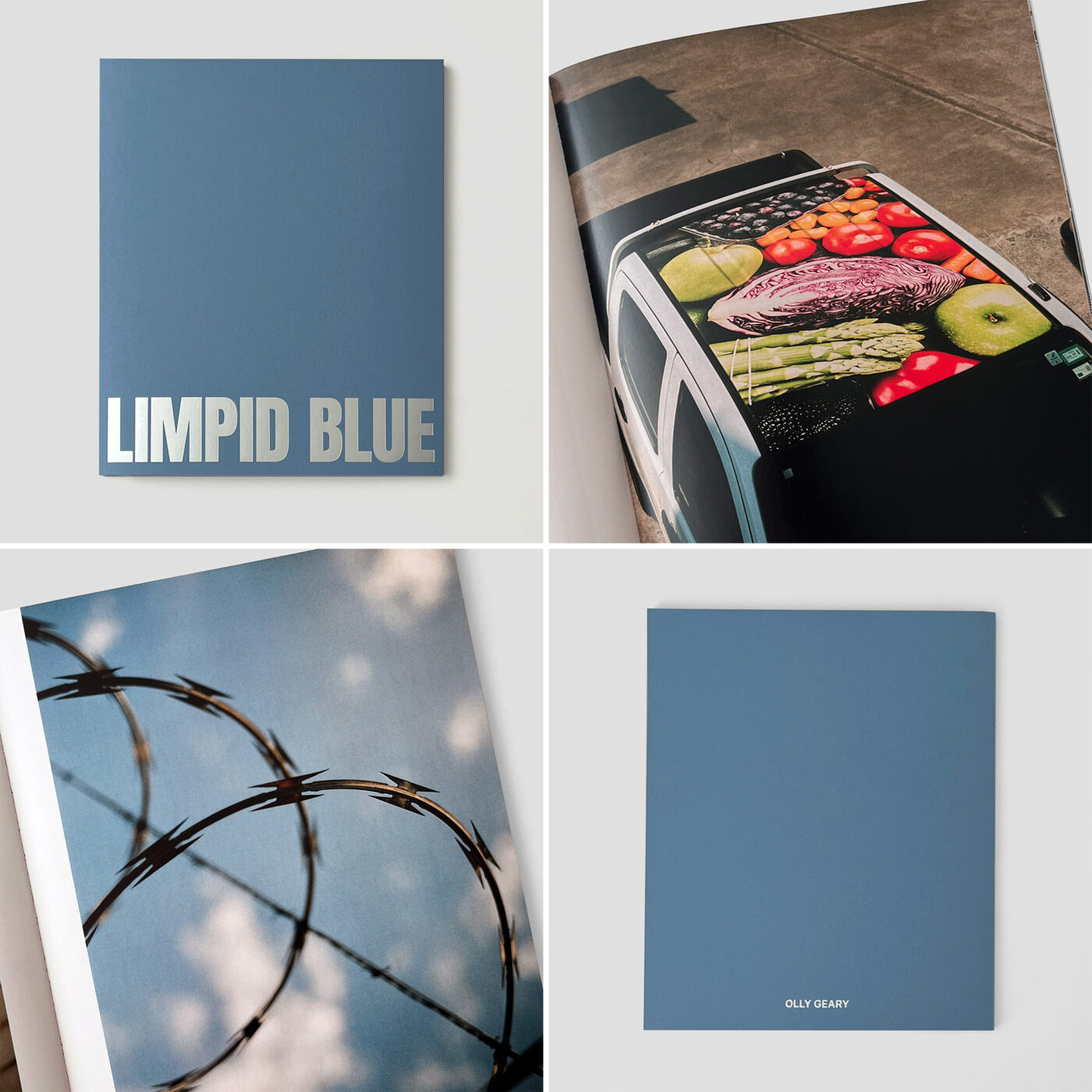
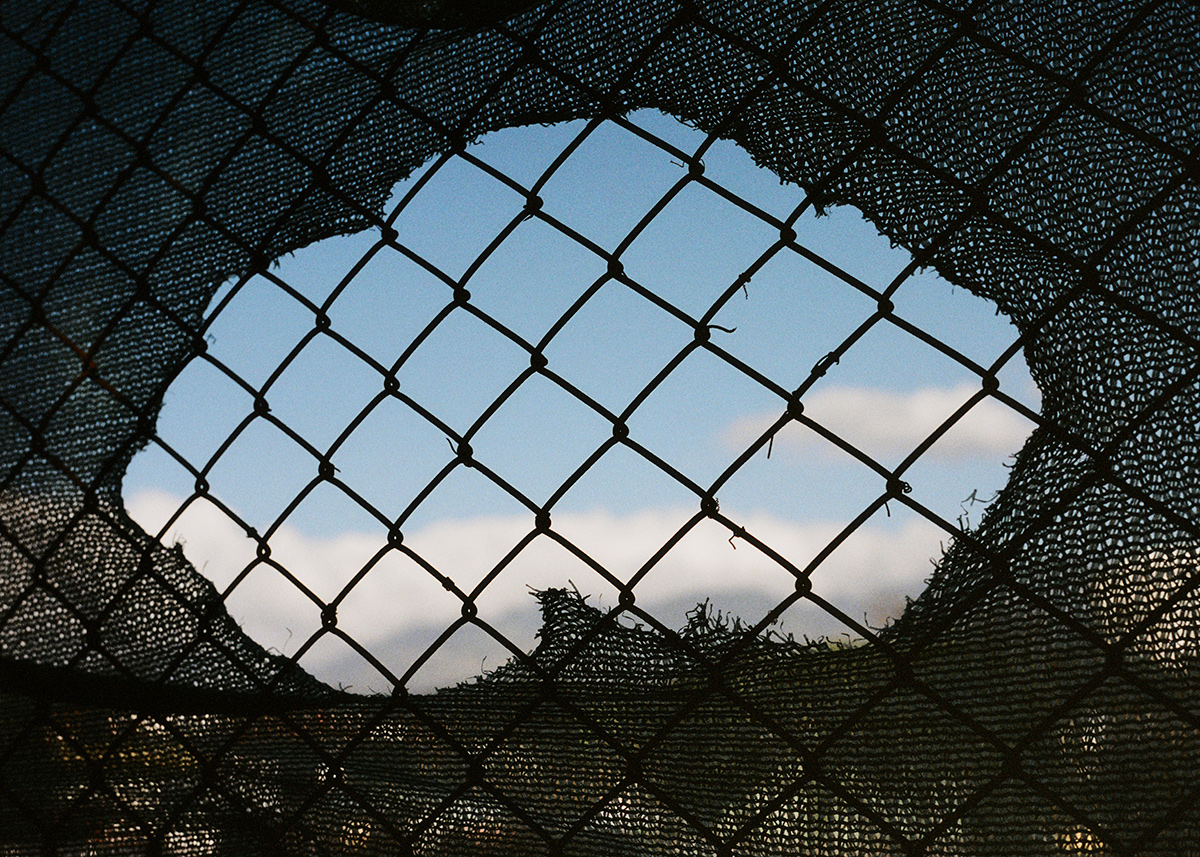
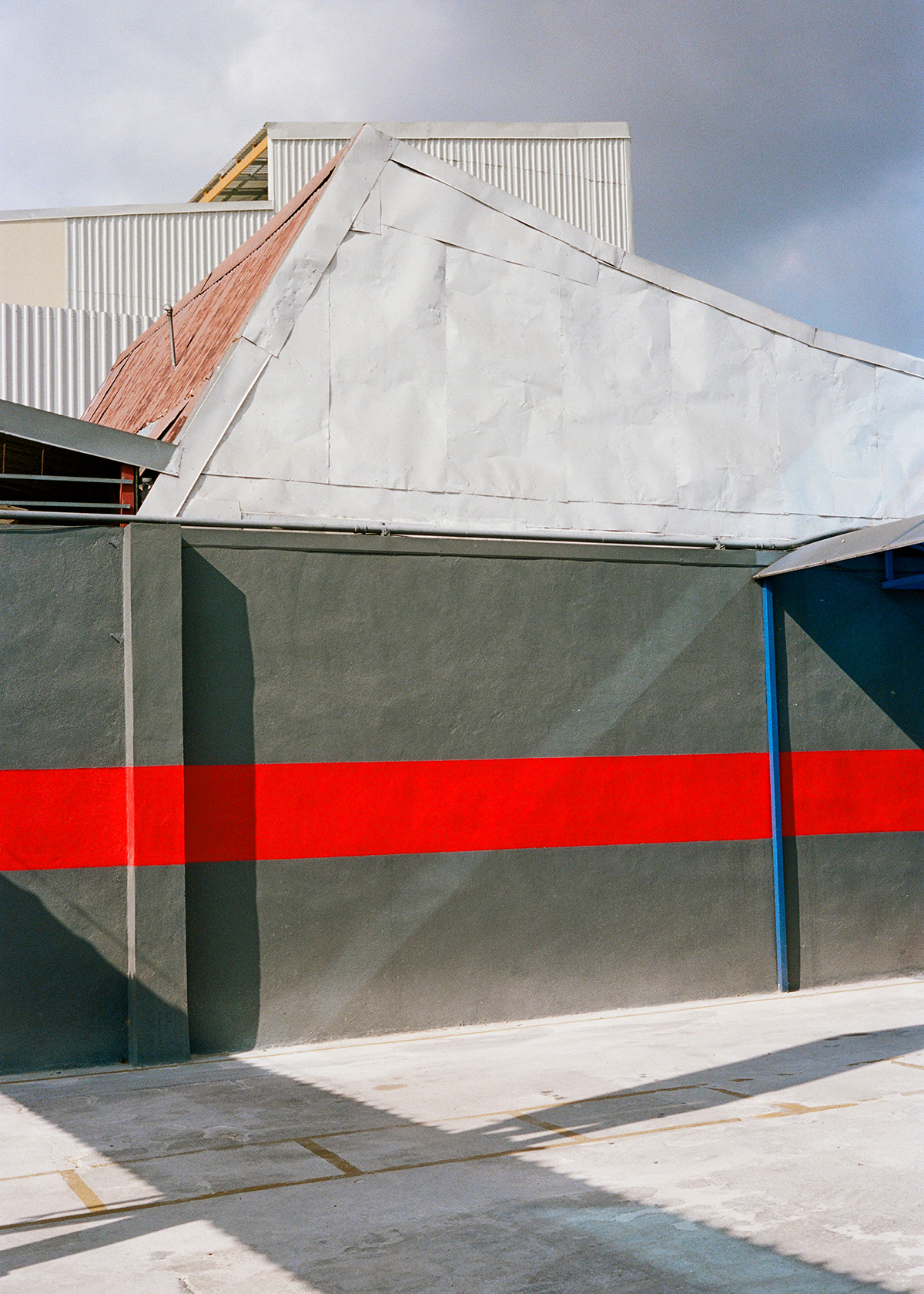
The physical book, produced with support from Bookmobile, is designed to mimic the experience of navigating an unfamiliar space. The sequence of images is intentionally challenging; some are abstract, requiring the viewer to pause and "build their own way of looking." Geary designed the book to be a tactile experience, suggesting that the reader should adjust the pages to get a better view, much like one would unfold a physical map. This interaction serves to bridge the gap between the viewer and the complex, overwhelming reality of the Costa Rican capital.
Official Insights: The Artist’s Perspective
In a candid interview regarding his process and philosophy, Geary offered insight into what drives his work and his vision for the future.
On the Role of Heritage:
"The project became a bit of a talking point within our family," Geary explains. "My great-uncle provided the directions that appear throughout the book and my aunt helped with the translation. It was interesting to see how each of them interpreted the project and small contributions like this helped connect threads in my family that I wasn’t aware of before."
On Inspiration and the "Reset":
Geary cites the writing of Nan Shepherd, whose early 1900s observations of the Cairngorms in Scotland have recently reshaped his thinking. Living in the Netherlands, he finds the lack of wild, rugged landscapes challenging, prompting a desire to return to the Scottish hills. He believes that for an artist, nature is the ultimate reset button after long, claustrophobic stretches spent working in dense urban environments.
On Success and Advice:
When asked about his professional path, Geary emphasizes the necessity of self-reliance. "You have to make your own luck," he says. "Working as an artist or creative, you have to take chances, put yourself out there and get your work in front of people." He views the ability to sustain a living through his art as a milestone that is both surreal and deeply grounding.
The Implications of "Limpid Blue"
The success of Limpid Blue signals a shift in contemporary photography toward projects that marry personal identity with structural inquiry.
- The Survival of Oral Geography: The project underscores the importance of local, non-digital systems of knowledge. In a world where Google Maps is the arbiter of truth, Geary’s work reminds us that human-led, anecdotal navigation carries an emotional weight that algorithms cannot replicate.
- The Book as a Destination: For Geary, the publication is the final, essential step of the creative process. He views books as the ultimate medium for photography, offering a sequence and a materiality that digital screens lack.
- The Future of the Artist: Geary’s plans for the coming year involve a return to Scotland, where he intends to apply the same rigor and curiosity he brought to San José to his own home country. He views his time away as a catalyst for a "renewed perspective," proving that distance is often the best tool for understanding one’s own culture.
Conclusion
Limpid Blue is a testament to the idea that photography is not just a way of looking, but a way of finding one’s place in the world. By navigating the streets of San José through the stories of his ancestors, Olly Geary has created a work that is as much about the process of inquiry as it is about the final image.
For those interested in exploring the work further, copies of Limpid Blue are available via Geary’s official store. As for the future of the art book form, platforms like Booooooom continue to provide a vital stage for such projects, with the 2026 Art & Photo Book Awards currently inviting submissions for a new generation of visual storytellers looking to translate their journeys into print.
In the end, Geary’s goal is simple yet profound: to continue making a living through his craft, to travel, and to keep the cycle of curiosity alive. Limpid Blue is not just a destination; it is a map for anyone looking to find their way home.









No comments yet. Be the first to join the conversation!