

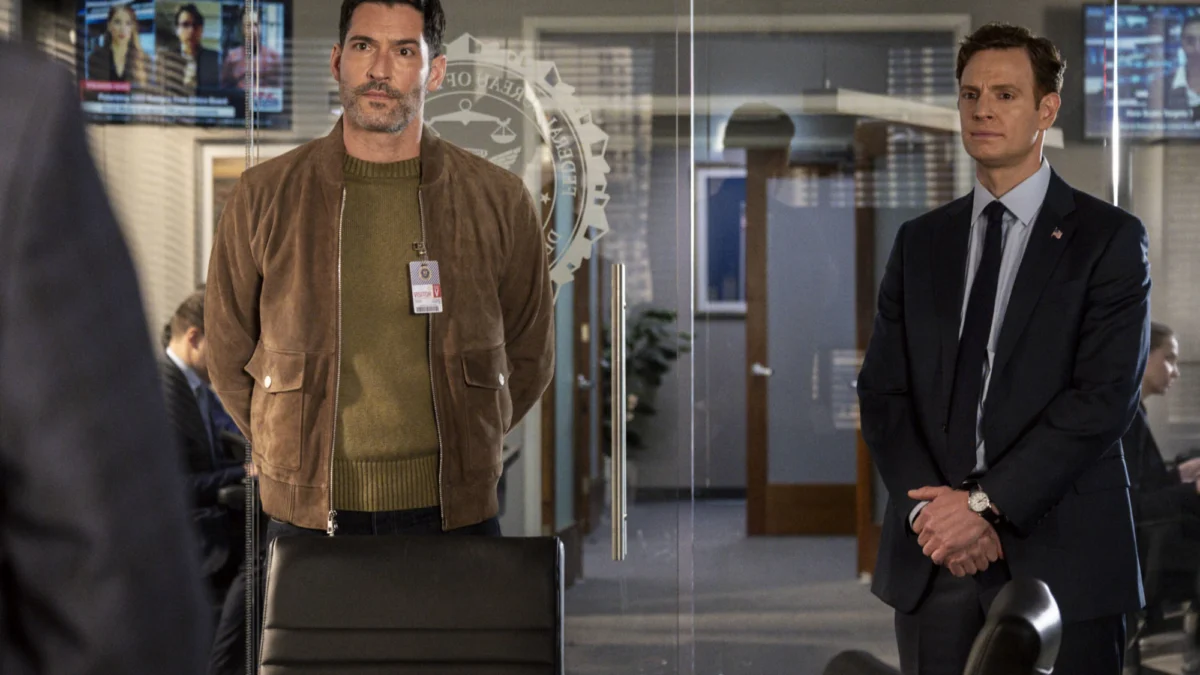
As the inaugural season of CBS’s high-octane espionage drama CIA draws to a close, the tension has reached a boiling point. With tonight’s season finale, titled "Broken Glass," the series promises to resolve the long-standing mystery surrounding the past of its enigmatic lead, Colin Glass, played by Tom Ellis. The episode serves as the culmination of twelve weeks of intense, shadow-filled narratives, blending the procedural elements of an FBI investigation with the murky, high-stakes world of international intelligence.
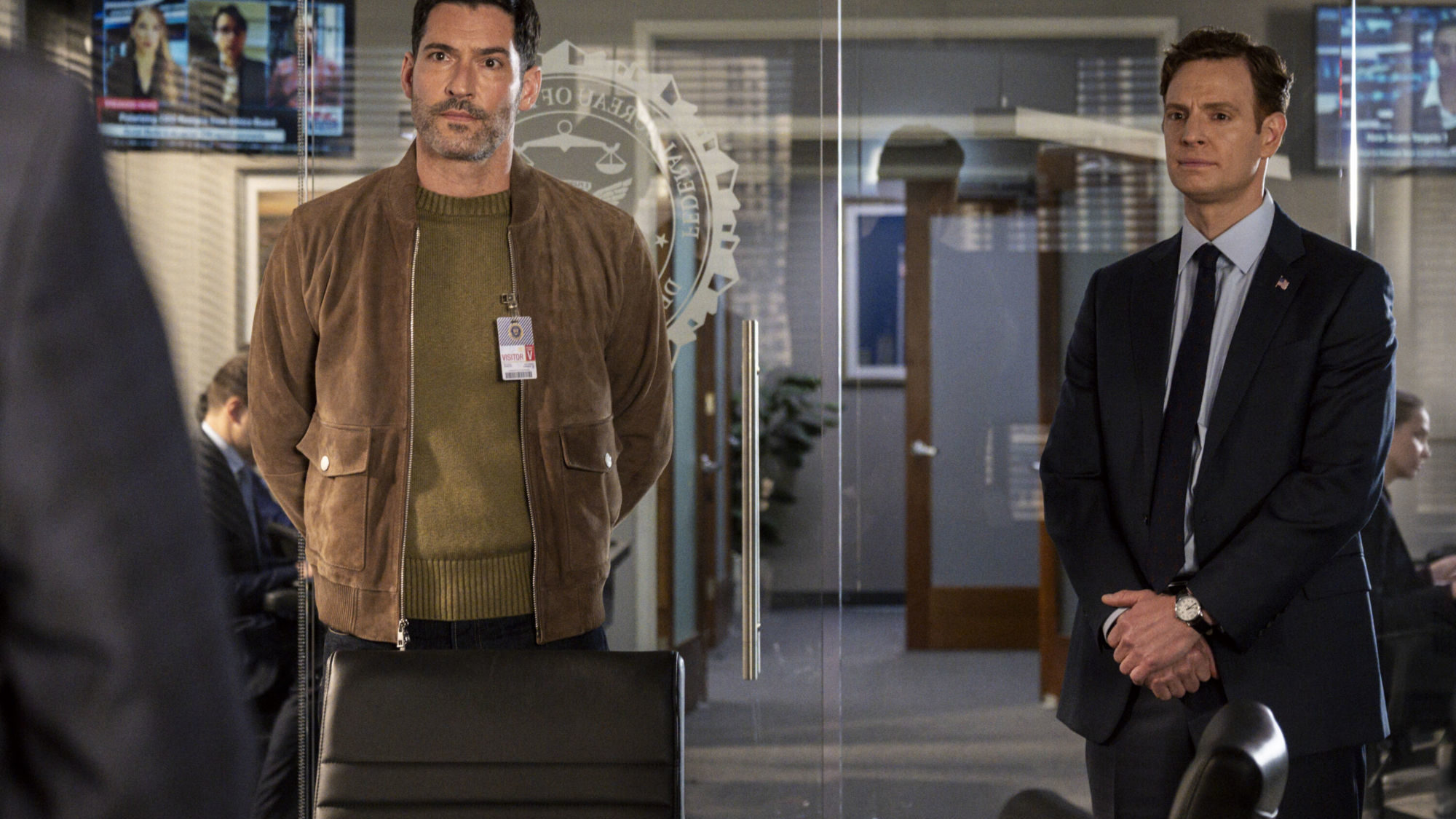
Main Facts: A Convergence of Past and Present
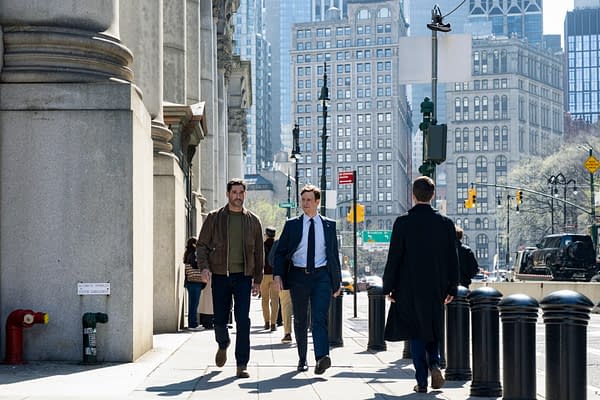
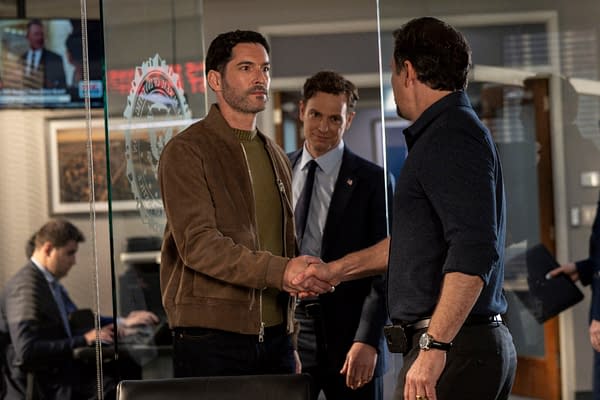
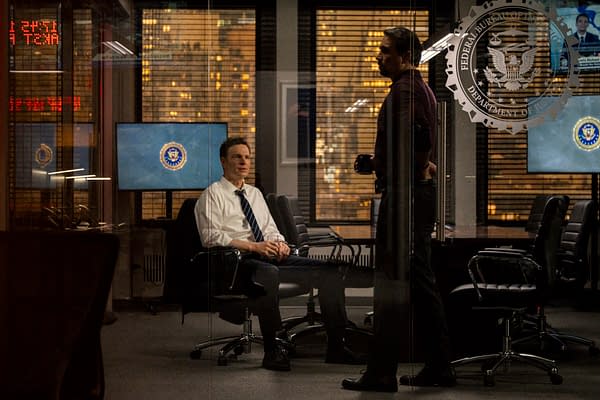
In "Broken Glass," the narrative arc that has defined the first season—the uneasy, yet effective partnership between the rigid, by-the-book FBI Special Agent Bill Goodman (Nick Gehlfuss) and the unpredictable, rogue-leaning CIA operative Colin Glass (Tom Ellis)—reaches its inevitable intersection.
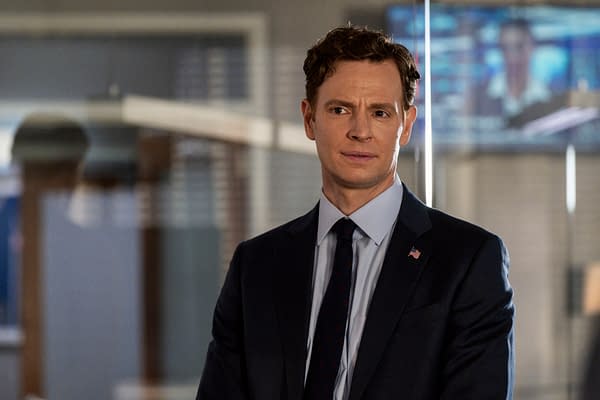
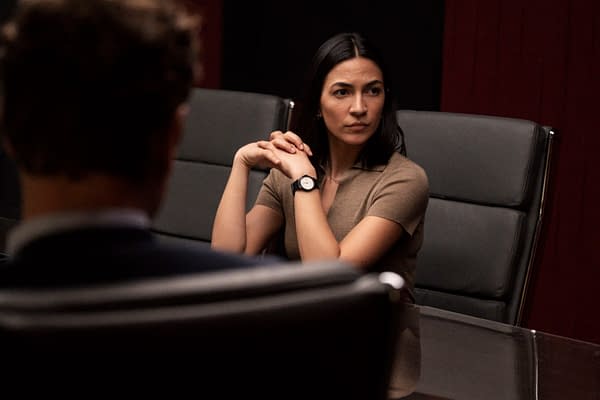
The episode centers on a dual-pronged crisis. On one front, Bill and the team are tasked with halting a major corporate entity from successfully scrubbing evidence of large-scale intelligence theft. On the other, the personal stakes for Colin are at an all-time high: he is forced to confront a figure from his past who he previously believed was dead. The shock of this revelation is not merely a plot device; it serves as the psychological anchor for the finale, forcing the audience to re-examine everything they know about Colin’s history.
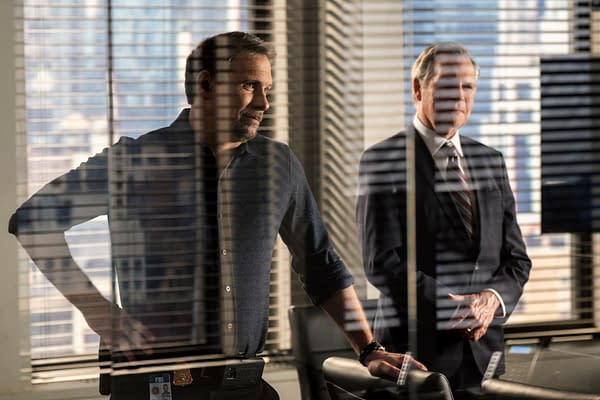
The episode, penned by series showrunner Mike Weiss and directed by Ken Girotti, is expected to weave these two plotlines into a singular, explosive conclusion. The inclusion of Jeremy Sisto, appearing as Assistant Special Agent in Charge Jubal Valentine, suggests that the "CIA/FBI task force" dynamic will be tested to its absolute limit as institutional bureaucracy clashes with the necessity of field-level tactical decisions.
Chronology of the Season: From New York to the Shadows
To understand the weight of "Broken Glass," one must look back at the trajectory of Season 1. The series premiered with a premise rooted in the "loan-out" program: Bill Goodman, a quintessential FBI agent, is reassigned to a clandestine joint task force.
- Early Episodes (S01E01–S01E04): The show focused on establishing the fundamental friction between Bill’s procedural adherence and Colin’s "spy-game" mentality. Viewers were introduced to the supporting ensemble, including Deputy Chief of Station Nikki Reynard (Necar Zadegan) and the analytical brilliance of Gina Gosian (Natalee Linez).
- Mid-Season Escalation (S01E05–S01E08): The narrative shifted from episodic "case-of-the-week" structures to a serialized investigation of a shadowy international conspiracy. During this period, glimpses of Colin’s past began to emerge, hinting at a specific trauma or betrayal that turned him into the man he is today.
- The Lead-Up (S01E09–S01E11): The penultimate episodes tightened the noose. The intelligence theft plot began to coalesce, and the "ghost" from Colin’s past—a woman who has been a phantom influence throughout the series—finally stepped into the light, leaving Colin visibly shaken and, for the first time, vulnerable.
Supporting Data: The Anatomy of a Procedural Powerhouse
CIA has distinguished itself in the crowded landscape of CBS procedurals by leaning into the "Wolf Entertainment" signature style—a blend of high-speed pacing, technical jargon, and character-driven drama.
Key Cast and Creative Team
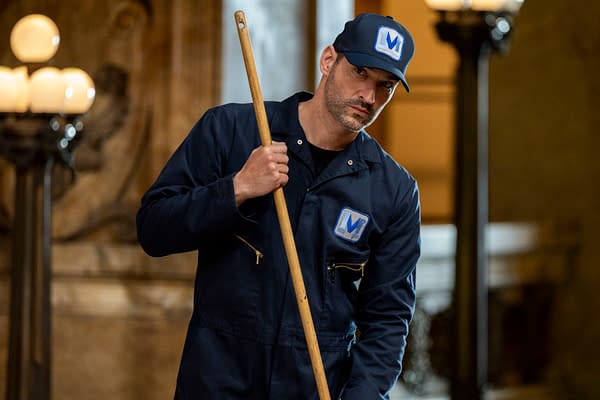
- Tom Ellis (Colin Glass): Brings a layer of roguish charm and underlying pain to the lead, defining the show’s "secretive" tone.
- Nick Gehlfuss (Bill Goodman): Provides the grounded, moral compass for the show, acting as the audience surrogate in the confusing world of the CIA.
- Production Pedigree: Executive produced by industry titan Dick Wolf, along with Mike Weiss, Nicole Perlman, and David Chasteen. The involvement of Universal Television and CBS Studios ensures the high production value consistent with modern network espionage dramas.
The show’s success lies in its exploration of the "shadows." While the crimes they solve are international in scale, the show emphasizes that their most important work is the kind that never makes the news. As the series tagline suggests, they "keep America safe, even if no one will ever know what they did in the shadows."
Official Responses and Behind-the-Scenes Insights
Showrunner Mike Weiss has been vocal about the importance of the finale, describing "Broken Glass" as a "thematic mirror" for the entire season. In recent interviews, Weiss noted that the title refers to both the literal destruction occurring in the plot and the metaphorical shattering of the barriers Colin has built around his personal life.
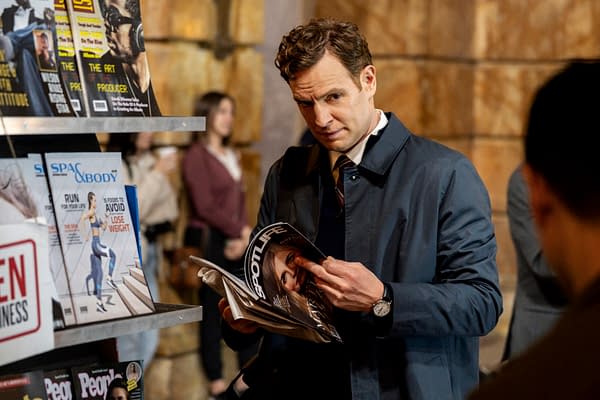
"When you see a man as composed as Colin lose his footing, you know the stakes have moved beyond professional," Weiss hinted. "The finale isn’t just about catching a criminal; it’s about whether or not Colin can move forward into a potential second season without being tethered to his own ghosts."
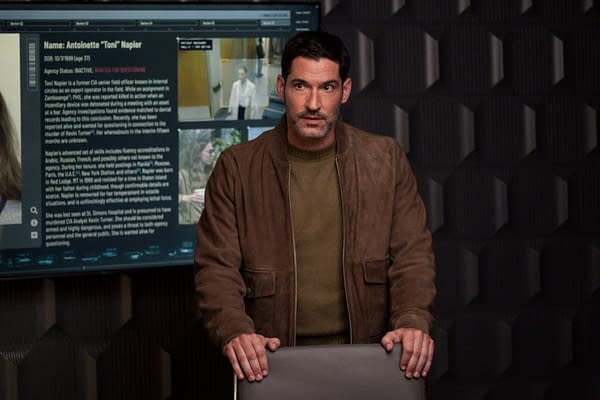
Director Ken Girotti, known for his work on high-stakes television, has reportedly utilized a more intimate, handheld camera style for the final confrontation in "Broken Glass." This choice is intended to heighten the sense of claustrophobia as Colin faces his past, contrasting with the wide, sweeping shots of New York City that have defined the series’ look throughout the season.
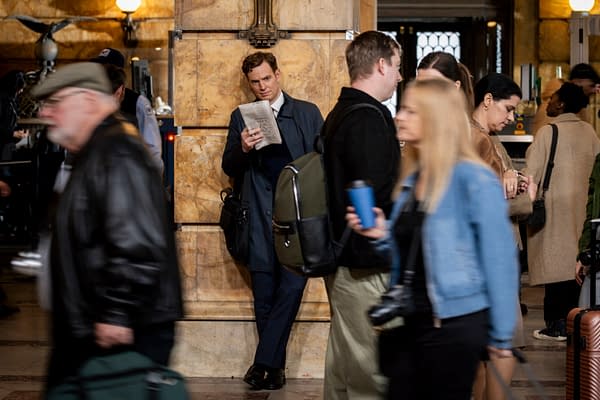
Implications for the Future: What Comes Next?
The finale of CIA is not merely a conclusion; it is a springboard. As the credits roll on the final scene of S01E12, several key questions will remain for the audience:
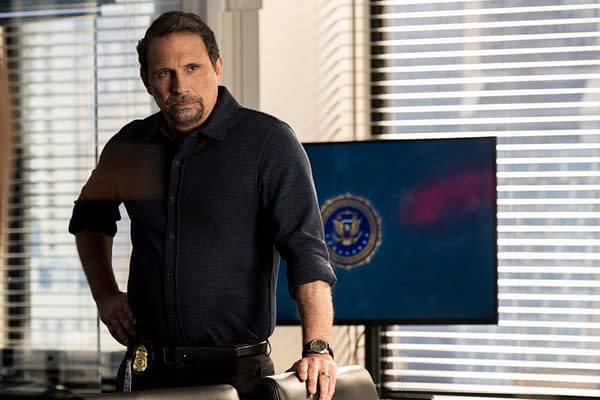
- The Future of the Task Force: Will the joint FBI/CIA experiment survive the fallout of the finale? The tension between the two agencies has been a constant secondary conflict, and "Broken Glass" is poised to force a decision on whether the program remains viable.
- Colin’s Redemption: If Colin successfully neutralizes the threat from his past, does that provide him with a path to peace, or does it leave him hollow? The character’s arc is intrinsically linked to his secrets; removing them may fundamentally change the show’s premise.
- Institutional Trust: With the involvement of characters like Jubal Valentine, the finale is likely to have ripple effects throughout the broader "Wolf-verse" of CBS dramas. The implications of the intelligence theft—a plot point that mirrors real-world geopolitical concerns—suggests that the world of CIA is far larger than the offices in New York.
Thematic Resonance
At its heart, CIA has been a study in the cost of secrets. The title "Broken Glass" serves as a fitting end to a season that has been obsessed with the fragility of truth in the world of espionage. By forcing the characters to reconcile their past actions with their current mission, the show avoids the trap of becoming a mindless action series, opting instead to deliver a character study wrapped in a spy thriller.
As the season concludes, fans are looking for a definitive answer on the show’s renewal status. While CBS has yet to make an official announcement regarding a Season 2, the high ratings for the FBI franchise—with which CIA shares both network DNA and a similar narrative weight—bode well. Should the series return, the events of "Broken Glass" will undoubtedly serve as the foundation upon which the next chapter of the task force is built.
Tonight’s finale is not just another episode; it is the moment of truth for Colin Glass and the team. Whether they emerge from the shadows of their past or find themselves permanently shattered by the glass, the impact on the series’ landscape will be undeniable. As the saying goes in the world of intelligence: nothing is ever truly buried. Tonight, we find out just how true that is.










No comments yet. Be the first to join the conversation!