

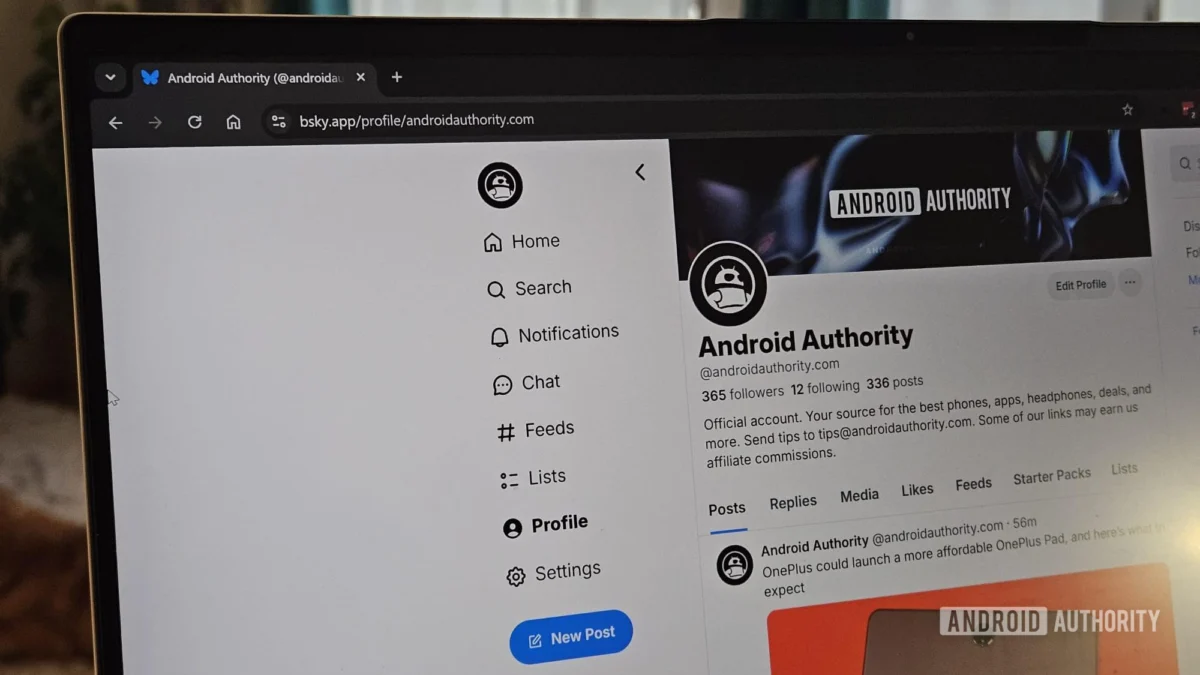
In an era where digital connectivity is synonymous with social participation, even a brief interruption in service can feel like a significant disruption to the global information ecosystem. This evening, the decentralized social media platform Bluesky—which has seen a meteoric rise in popularity over the past year—found itself grappling with a significant technical outage. The disruption has left thousands of users unable to access their feeds, post updates, or interact with their communities, serving as a stark reminder of the infrastructure challenges facing emerging platforms as they scale to meet unprecedented demand.
Main Facts: The Scope of the Outage
Beginning at approximately 6:00 PM ET, users across the globe began reporting widespread difficulties accessing both the Bluesky mobile application and its web-based interface. The issues appeared to manifest as loading errors, an inability to refresh the "Following" and "Discovery" feeds, and, in some cases, total connection timeouts.
Unlike minor glitches that might affect only a subset of users, the current outage appears to be systemic. Data from Downdetector, the industry-standard tracker for service interruptions, showed a rapid vertical spike in user reports within minutes of the initial onset of the issue. By the time of this report, over 5,000 unique incident reports had been logged, with the volume of complaints continuing to climb as users in different time zones logged on for their evening social media activity.
The technical nature of the issue, as acknowledged by the platform, centers on "elevated error rates across PDS instances." For the uninitiated, the Personal Data Server (PDS) is the backbone of the AT Protocol, the decentralized architecture that powers Bluesky. These servers act as the repositories for user data, posts, and social graphs. When these instances experience instability, the entire user experience collapses, as the app is unable to fetch the fundamental data required to render the interface.
A Chronology of the Disruption
To understand the severity of the situation, it is necessary to examine the timeline of the failure as it unfolded throughout the evening:
- 5:45 PM ET: Initial, localized reports began appearing on alternative social platforms, suggesting minor latency issues. At this stage, it was unclear whether this was a regional internet service provider (ISP) issue or a platform-wide fault.
- 6:00 PM ET: The situation escalated rapidly. Downdetector metrics shifted from a "normal" baseline to an "outage" threshold. The sheer volume of traffic attempting to access the platform likely compounded the server-side strain.
- 6:15 PM ET: The Bluesky official status dashboard, accessible via status.bsky.app, was updated to reflect the reality of the situation. Engineers acknowledged that they were investigating "elevated error rates."
- 6:30 PM ET – Present: The engineering team continues to troubleshoot the PDS infrastructure. While some users have reported sporadic, temporary access, the platform remains largely unstable for the majority of the user base.
Supporting Data and Contextual Analysis
The timing of this outage is particularly noteworthy given the context of Bluesky’s recent history. Following a series of policy shifts and controversial management decisions at competing platforms like X (formerly Twitter), Bluesky has experienced a "migration event," with hundreds of thousands of new users signing up in a matter of weeks.
Scaling a decentralized network is fundamentally more complex than scaling a centralized, siloed social media platform. In a traditional model, companies like Meta or X control the entire server stack. In Bluesky’s case, the federated nature of the AT Protocol means that traffic is distributed across various PDS instances. When those instances hit a capacity ceiling or suffer from a configuration error, the ripple effect is immediate.
Historical data suggests that social media platforms often encounter these "growing pains" as they hit specific user-base milestones. The current outage is likely a result of the infrastructure struggling to keep pace with the massive influx of concurrent users, combined with the overhead of maintaining a decentralized ledger that must constantly verify and sync data across nodes.
Official Responses and Engineering Challenges
Bluesky’s communication strategy during this event has been characterized by transparency—a hallmark of the platform’s culture. By directing users to a dedicated status page, the company has managed to contain the panic that often accompanies the sudden disappearance of a social network.
The specific terminology used in the official response—"elevated error rates"—is professional shorthand for a bottleneck in the communication between the front-end application and the back-end database layers. Essentially, the "handshake" between the user’s device and the server is failing, resulting in the dreaded "500 Internal Server Error" or perpetual loading icons.
Engineers at Bluesky are likely performing a delicate balancing act. They must identify the root cause—whether it be a corrupted database index, a botched deployment of new code, or simply an overwhelming surge in traffic—without making the situation worse. In decentralized architectures, a fix in one area of the protocol can inadvertently cause latency issues in another, requiring a methodical, step-by-step restoration process.
The Implications of Decentralized Fragility
This outage serves as a critical case study in the trade-offs of decentralized social media. While the AT Protocol offers users data portability and the freedom to host their own servers, it also introduces complexities that are absent in "walled garden" platforms.
1. The Burden of Decentralization
Decentralization is often touted as the future of the internet, promising a more democratic and user-controlled digital space. However, as this outage proves, the "plumbing" of such a network is significantly more susceptible to synchronization errors. When thousands of servers must communicate to keep a unified feed updated, the probability of a "network jitter" increases exponentially.
2. User Trust and Platform Stability
For a platform that is currently courting users who are disillusioned by the instability of other social networks, this outage is a significant test of trust. If Bluesky cannot maintain a high "uptime" percentage, it risks being perceived as a hobbyist project rather than a viable, long-term replacement for the legacy social giants. Reliability is the silent partner of user growth; users may sign up for the ideology, but they stay for the utility.
3. Future-Proofing the Infrastructure
Moving forward, this event will likely force the Bluesky development team to prioritize "horizontal scaling." This involves adding more PDS instances and optimizing the load-balancing protocols to ensure that even during peak traffic hours, no single point of failure can bring the entire system to a halt. The engineering team will likely spend the next 48 hours conducting a "post-mortem" analysis, the findings of which will be vital for the long-term sustainability of the project.
Conclusion: Waiting for the Dust to Settle
As we monitor the situation, it is clear that the internet is a complex, fragile machine. The outage of a platform like Bluesky, while frustrating for those who rely on it for news, community, and professional networking, is a standard—if painful—part of the software development lifecycle.
The team behind the project has a strong track record of resolving technical hurdles with speed and clarity. As they work to stabilize their PDS instances, users are encouraged to monitor the official status page for real-time updates.
Android Authority remains committed to tracking this story as it develops. We will provide further analysis once the services have been fully restored, including any statements from the development team regarding the specific root cause of the failure and the steps taken to prevent a recurrence. For now, the global community of Bluesky users must wait, reflecting on the reality that even the most innovative technologies remain subject to the laws of digital physics.
Disclaimer: This report is based on information available as of the time of writing. Status reports are subject to change as the engineering team continues their investigative efforts. Readers are encouraged to verify the latest status updates via the official Bluesky status dashboard.












No comments yet. Be the first to join the conversation!