

Introduction: The Intersection of Tradition and Kawaii
For travelers seeking more than just a place to rest their heads, the landscape of Tokyo’s hospitality industry has shifted dramatically. No longer satisfied with the standard business hotel, a new generation of visitors is searching for immersive cultural narratives. Enter Moshi Moshi Rooms, an ambitious project by the Asobi System—a powerhouse agency dedicated to exporting Harajuku’s vibrant "kawaii" pop culture to the global stage.
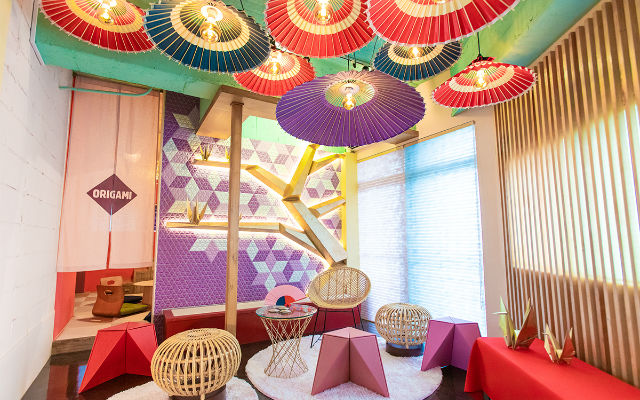
Their latest architectural endeavor, "MOSHI MOSHI ROOMS: ORIGAMI," serves as a masterclass in interior design, seamlessly blending the delicate, age-old art of paper folding with the neon-drenched, youthful energy of modern Harajuku. Located in the very epicenter of Japan’s fashion capital, this Airbnb-style penthouse is not merely a rental; it is a meticulously curated art installation that invites guests to live within a dreamscape of Japanese aesthetics.
Main Facts: A Deep Dive into the Origami Suite
The Origami room is the latest jewel in the crown of the Asobi System’s hospitality portfolio. It follows the viral success of their "Sakura" room—a penthouse themed entirely around cherry blossoms that captured the imagination of social media travelers worldwide.
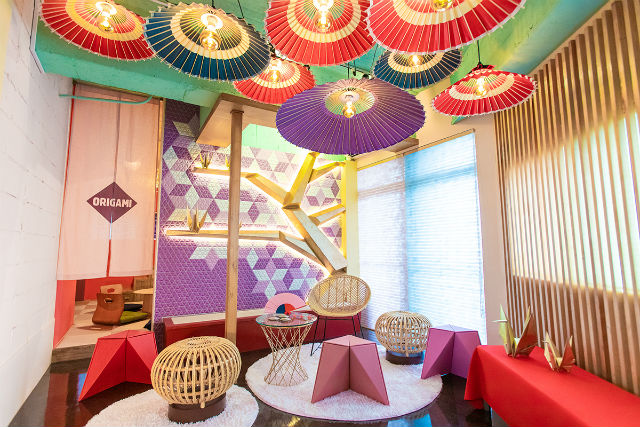
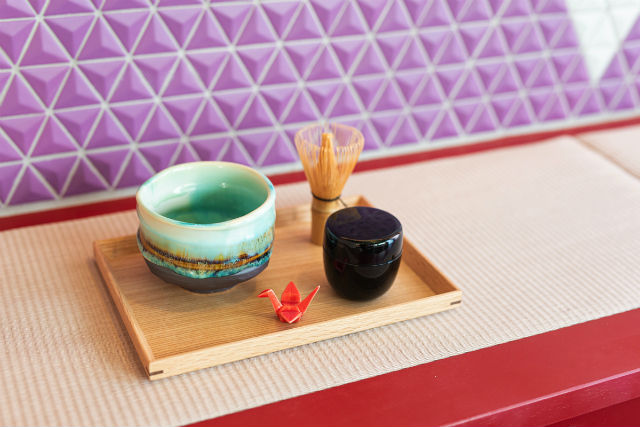
The Origami suite is designed to accommodate up to six guests, making it a rare, spacious find in the dense urban sprawl of Shibuya. The aesthetic philosophy here is "fusion." By taking traditional motifs—tea house benches, paper cranes, and sliding shoji screens—and filtering them through a high-saturation, contemporary design lens, the creators have managed to bypass the "museum-like" stiffness often associated with traditional Japanese lodging. Instead, they offer a space that feels kinetic, playful, and deeply grounded in the Harajuku identity.
Key Features of the Suite:
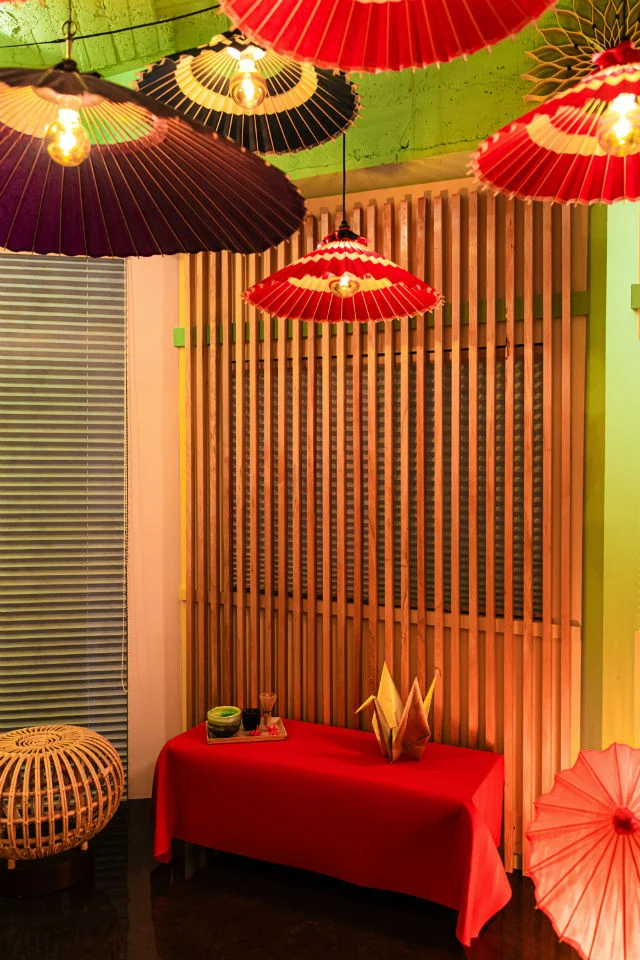
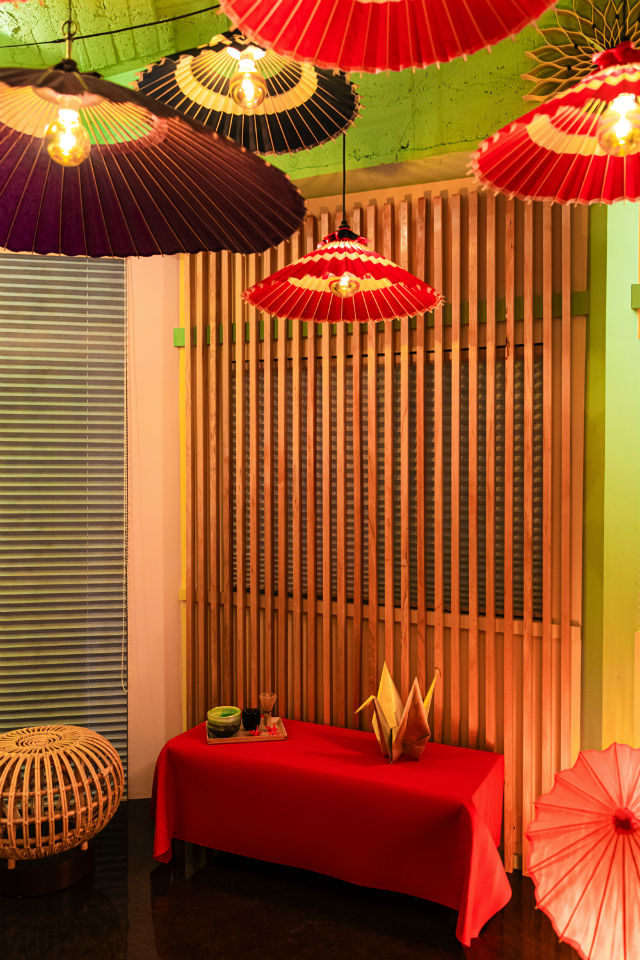
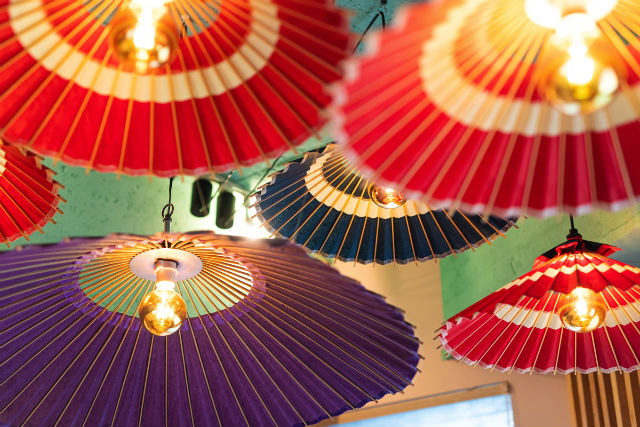
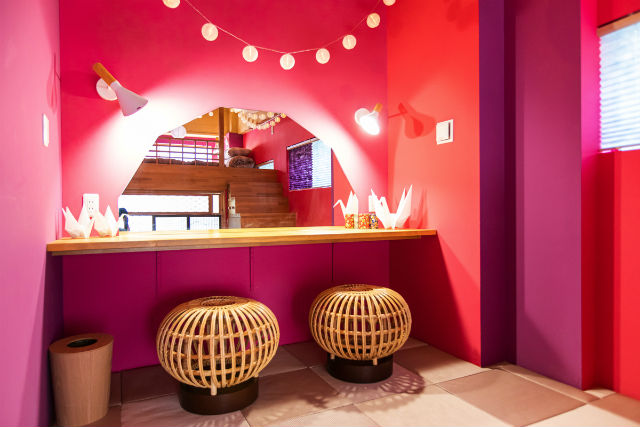
- The Tea House Living Area: A communal space featuring low-profile stools and benches that mimic the intimate atmosphere of a traditional chashitsu (tea room), punctuated by Japanese umbrellas suspended from the ceiling.
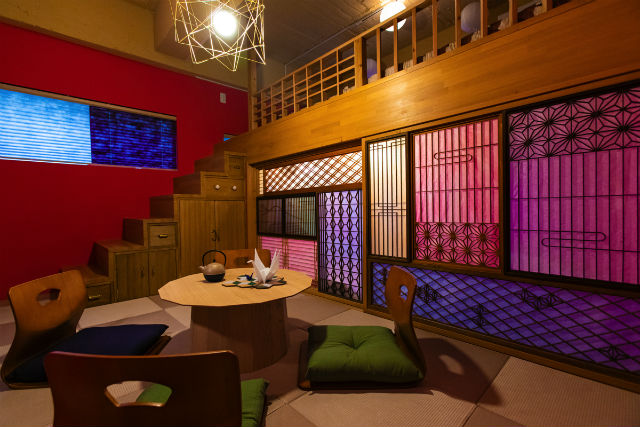
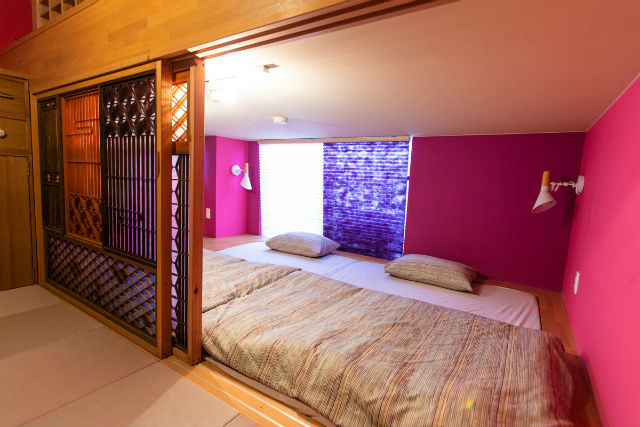
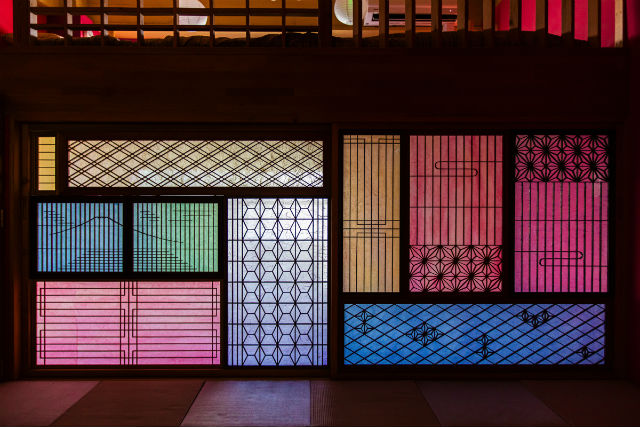
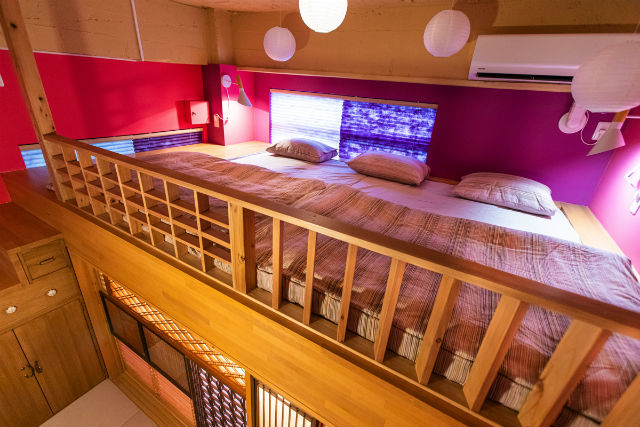
- The Bedroom Sanctuary: A masterclass in lighting design where sunlight filters through colored, translucent sliding panels, casting vibrant hues across plush, high-quality futons.
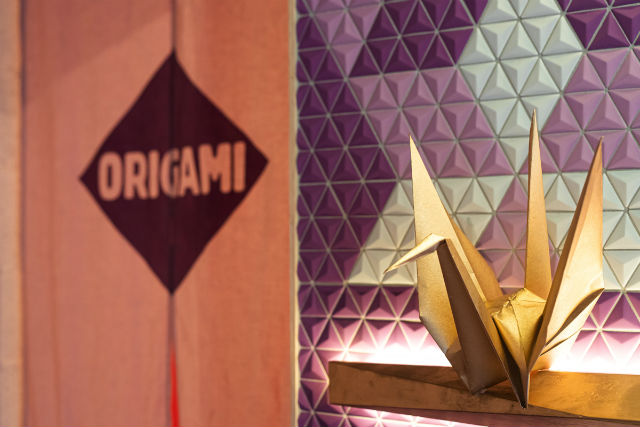
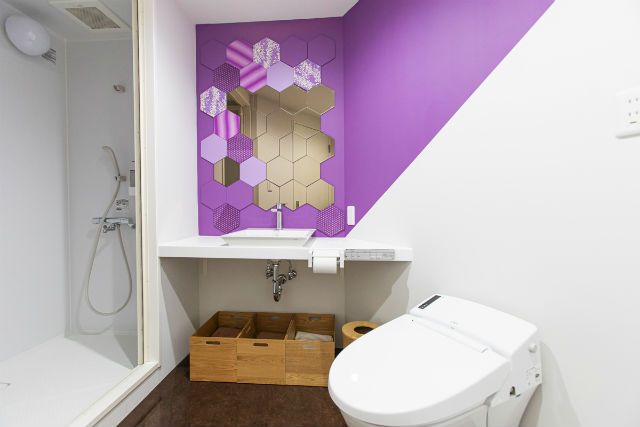
- The Origami Motif: From the bathroom vanity to the stairway architecture, the geometric patterns of origami are ubiquitous, serving as a constant reminder of the room’s thematic heart.
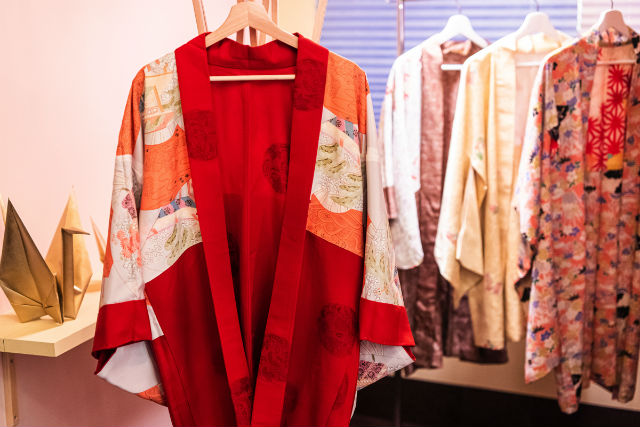
- Lifestyle Amenities: Guests are provided with traditional kimonos, allowing them to step into the role of a local while navigating the suite.
- The Rooftop Escape: A private, open-air area that offers a serene vantage point over the bustling streets of Jingumae.
Chronology: The Evolution of Moshi Moshi Rooms
The journey of Asobi System into the hospitality sector did not happen overnight. It was the result of a long-term strategy to expand the "Harajuku experience" beyond clothing boutiques and street food.
- 2017–2018 (The Vision): The Asobi System identifies a gap in the market. While Japan was experiencing a tourism boom, there was a perceived lack of "concept hotels" that catered to the demographic interested in Harajuku pop culture.
- 2019 (The Sakura Breakthrough): The company launches the "Sakura" penthouse. It instantly becomes a sensation, with travel bloggers and influencers flocking to the space. The success of this room provided the proof-of-concept needed to expand the project.
- 2020–2021 (Refinement and Expansion): Building on the lessons learned from the Sakura room, the team conceptualizes the "Origami" room. The design phase was intentionally longer, focusing on how to integrate the complex geometry of origami into functional furniture and architectural elements.
- 2022–Present (The New Standard): The Origami room opens its doors, establishing a dual-room ecosystem in the Jingumae area. The rooms are now treated as flagship locations for the Asobi System, often serving as venues for promotional photography and brand collaborations.
Supporting Data: The Economics of Experiential Lodging
The pricing structure of the Moshi Moshi Rooms reflects its positioning as a luxury, high-concept boutique experience. With rates starting at approximately 40,000 yen per night (excluding service fees), the cost is significantly higher than a standard Airbnb or a typical business hotel in Tokyo.
Comparative Analysis
| Feature | Standard Tokyo Business Hotel | Moshi Moshi Rooms |
|---|---|---|
| Space | 12–15 sqm | Large Penthouse Suite |
| Aesthetic | Minimalist/Functional | Immersive Concept/Themed |
| Target Audience | Salarymen/Budget Tourists | Influencers/Cultural Enthusiasts |
| Capacity | 1–2 Guests | Up to 6 Guests |
| Cultural Value | Low | High (Artistic/Thematic) |
The math behind the occupancy is vital. By allowing for up to six guests, the "per person" cost drops to a more manageable 6,500–7,000 yen. This makes the property a viable option for small groups of friends or families who prioritize unique social media-worthy content and an authentic, albeit curated, "Japanese" experience over basic, budget-friendly utility.
Official Responses and Strategic Implications
Asobi System has remained vocal about the intent behind these rooms. In various promotional materials, the organization has described these spaces as "cultural portals." The goal is to move beyond the transaction of lodging and into the realm of "cultural dissemination."
"We want our guests to wake up in a room that tells a story," a spokesperson for the project noted. "When you stay in a standard hotel, you are an outsider looking in. When you stay in the Origami room, you are surrounded by the textures and symbols of our history, reimagined through the lens of our current fashion culture."
The Implications for Tourism
The success of Moshi Moshi Rooms signals a shift in the travel industry, often referred to as "The Experience Economy." Tourists are increasingly prioritizing:
- Photogenicity: The rise of Instagram and TikTok means that the physical environment must look as good as the experiences it provides.
- Cultural Synthesis: Travelers want to engage with history, but they want it to feel modern and accessible, rather than dusty or archaic.
- Boutique Privacy: The post-pandemic landscape has heightened the demand for private, self-contained units that offer both comfort and the amenities of a luxury suite.
Challenges and Future Outlook
Despite its popularity, the model faces inherent challenges. The maintenance of a themed room is significantly more labor-intensive than a traditional suite. The delicate nature of origami-inspired decor, the specific lighting setups, and the need for frequent cleaning to maintain the "pristine" aesthetic are factors that contribute to the higher cost.
Furthermore, the rooms are subject to the volatility of the Tokyo short-term rental market, which is strictly regulated. Asobi System has navigated these waters by maintaining high compliance standards, ensuring their properties are fully licensed.
What Lies Ahead?
The future of Moshi Moshi Rooms likely involves further diversification. As the project gains traction, there is potential for:
- Collaborative Rooms: Partnering with prominent Japanese fashion designers or pop-artists to create "limited edition" room themes.
- Interactive Tech: Integrating augmented reality (AR) into the room decor, where guests could use their phones to see the paper cranes "come to life."
- Global Expansion: Exploring the possibility of taking the "Moshi Moshi" concept to major international cities, effectively reversing the flow of cultural export.
Conclusion: A Living Canvas
"MOSHI MOSHI ROOMS: ORIGAMI" is more than just a destination; it is a manifestation of Tokyo’s relentless creativity. By bridging the gap between the silent, folded geometry of the past and the loud, neon-colored aspirations of the future, Asobi System has created a sanctuary that is as educational as it is comfortable.
For the modern traveler, this penthouse offers a rare chance to inhabit a piece of art. Whether you are a fan of Japanese traditional crafts or a follower of the ever-evolving Harajuku scene, the Origami room serves as a reminder that the best travel experiences are those that challenge our perceptions of what a hotel—or a room—can be. As the project continues to evolve, it remains a definitive landmark for those seeking the true heart of Tokyo’s modern spirit.
Information for Prospective Guests:
- Address: 2-18-7 Jingumae, Shibuya, Tokyo
- Access: A convenient 8-minute walk from Meiji-Jingumae (Harajuku) Station, accessible via the Chiyoda and Fukutoshin lines.
- Booking: Interested parties are encouraged to visit the official Moshi Moshi Rooms website for real-time availability and reservation details.
- Note: Rates are subject to seasonal fluctuations and service charges. Early booking is highly recommended given the high demand for the limited number of themed suites.












No comments yet. Be the first to join the conversation!