Asro
Asro
In the pantheon of film criticism, few voices carried the weight and cultural authority of the late Roger Ebert. Known for his populist sensibility and his refusal to adhere to the "critical consensus," Ebert often found joy in cinematic corners that his peers had already abandoned. Perhaps nowhere was this more apparent than in his 2003 review of Hollywood Homicide, a buddy-cop action comedy that was almost universally reviled by critics upon its release, yet earned a glowing three-out-of-four-star endorsement from the legendary Chicago critic.
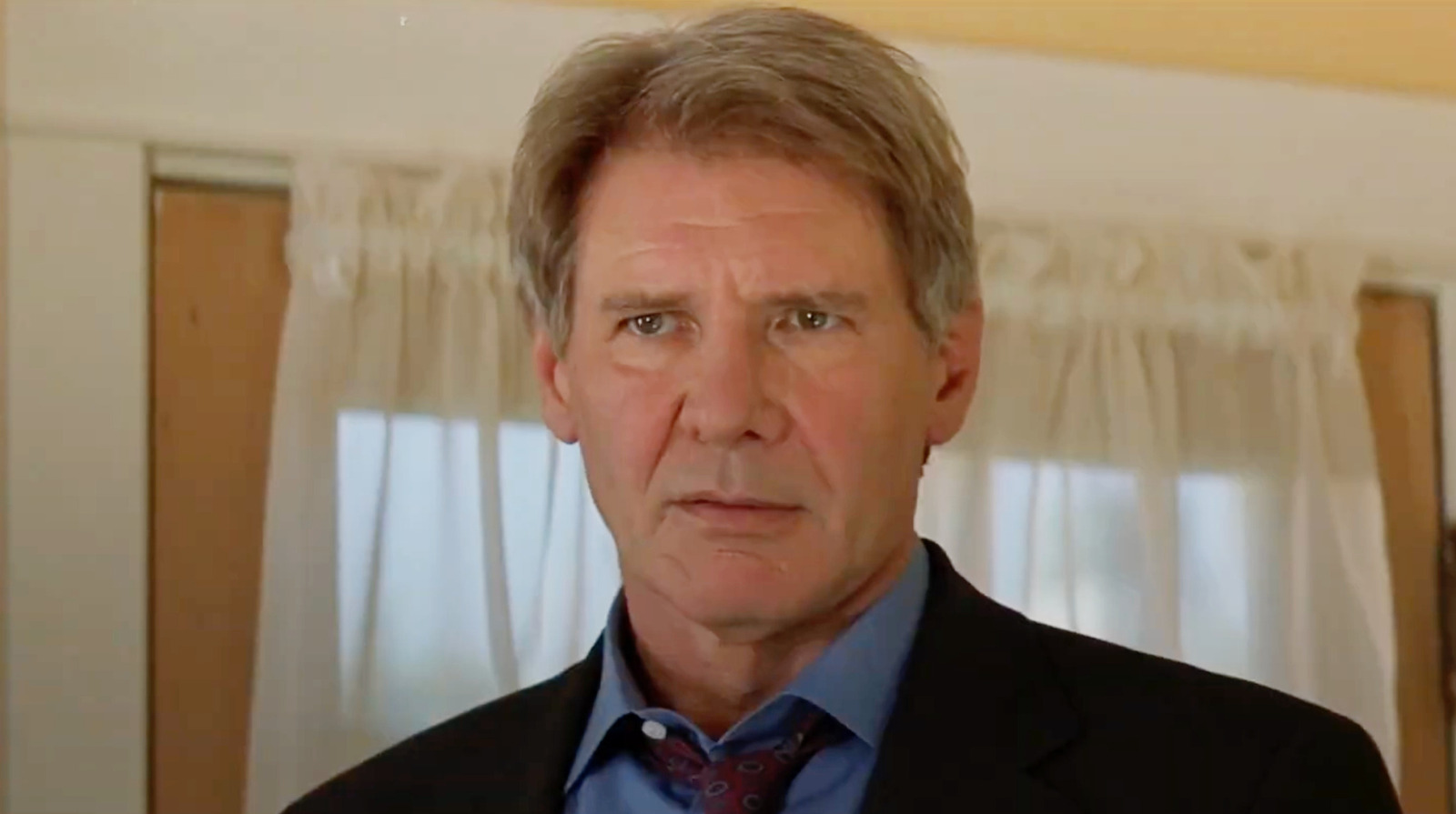
While modern audiences might look at Hollywood Homicide as a footnote in Harrison Ford’s storied filmography—or even a low point—Ebert’s defense of the picture offers a fascinating study of his methodology. For Ebert, the film was not the "tepid, superfluous" failure described by the Newsweek critics; it was a character-driven experiment that succeeded exactly where it mattered most: in the chemistry of its leads.
Main Facts: A Misunderstood Buddy-Cop Venture
Released in June 2003, Hollywood Homicide arrived at a precarious moment in Harrison Ford’s career. The actor, once the undisputed king of the global box office, had been weathering a string of underperforming projects, including the 2002 submarine thriller K-19: The Widowmaker. Directed by Ron Shelton, a filmmaker known for his sports-centric dramedies like Bull Durham and White Men Can’t Jump, the film was intended to be a breezy, cynical look at the intersection of law enforcement and the celebrity-obsessed culture of Los Angeles.
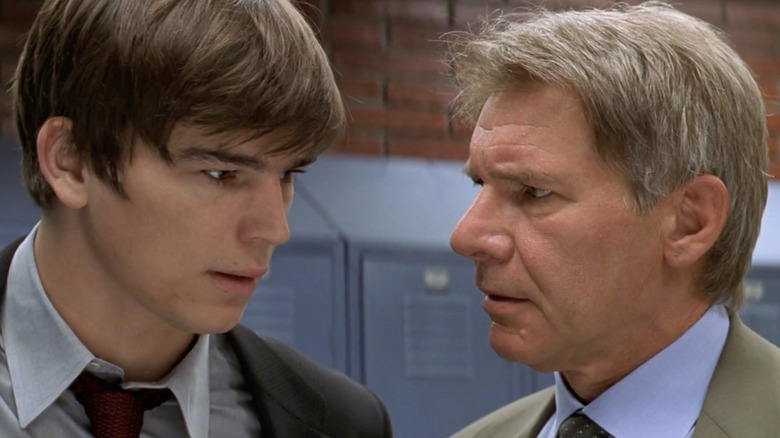
The premise follows Sergeant Joe Gavilan (Ford), a veteran LAPD homicide detective who is simultaneously struggling to sell real estate to pay off his alimony, and his partner, K.C. Calden (Josh Hartnett), a younger, yoga-practicing officer who harbors dreams of becoming a Hollywood actor. The two are tasked with investigating the murder of a rap group, but the plot serves mostly as a clothesline upon which to hang the mismatched-partner dynamic.
Despite a budget of $75 million and a premise that promised a clever subversion of the Lethal Weapon formula, the film cratered. It holds a mere 31% approval rating on Rotten Tomatoes, with consensus among critics suggesting that the film lacked a coherent script and struggled to balance its comedic aspirations with its procedural obligations. Yet, in the midst of this critical firestorm, Roger Ebert stood firm, finding the film’s "lack of structure" to be its greatest asset.
Chronology of the 2003 Critical Backlash
To understand why Ebert’s support was so anomalous, one must look at the atmosphere of 2003 film criticism. The era was defined by a specific expectation for the "Harrison Ford vehicle." Audiences wanted the rugged, heroic intensity of The Fugitive or Air Force One. When they were presented with a grumpy, real-estate-peddling cop who seemed perpetually annoyed by his own life, the disconnect was immediate.
- June 2003: Hollywood Homicide hits theaters. The backlash is swift. Critics from the Washington Post and the Boston Globe characterize the film as lazy, poorly structured, and a "humiliating comedown" for an A-list star.
- Summer 2003: The box office returns confirm the critical sentiment. The film fails to gain traction, and industry analysts begin to question if Ford’s star power has finally faded.
- The Post-Review Aftermath: While most critics moved on to the next summer blockbuster, Ebert’s review lingered, sparking debate in online forums. By validating a film that everyone else had declared "dead on arrival," Ebert forced a secondary conversation about whether the film was truly "bad," or simply "misunderstood."
Supporting Data: The Dissenting Voices
The vitriol aimed at the film was not merely a matter of taste; it was a wholesale rejection of the film’s tone. Desson Thomson of the Washington Post famously summarized the film as the "wholesale slaughter of anything funny, original, or even vaguely logical." This sentiment was echoed by Jami Bernard of the New York Daily News, who lamented the state of Ford’s career, suggesting he was "miscast" and "creaky."
The consensus pointed to two specific failures:
- The Script: Many reviewers felt the film suffered from a "looser-than-loose" narrative that lacked focus, making it feel like a series of sketches rather than a cohesive story.
- The Performance: Critics argued that Ford appeared "humorless" and "grumpy," failing to capture the lighthearted energy required for a buddy-cop romp.
However, data from the time—and historical re-evaluation—suggests that the industry was undergoing a shift in how it viewed "star vehicles." By 2003, the traditional action hero archetype was becoming exhausted. Ford’s decision to play against his own legend—to lean into the grumpiness rather than fight it—was perhaps ahead of its time.
Official Responses and Behind-the-Scenes Realities
Harrison Ford, for his part, was reportedly drawn to the project precisely because of its lack of a rigid script. In various interviews, Ford expressed a desire for a "freewheeling" experience that allowed for improvisation. For an actor who had spent decades under the intense pressure of blockbuster expectations, Hollywood Homicide was meant to be a relief—a chance to play a human being rather than an icon.
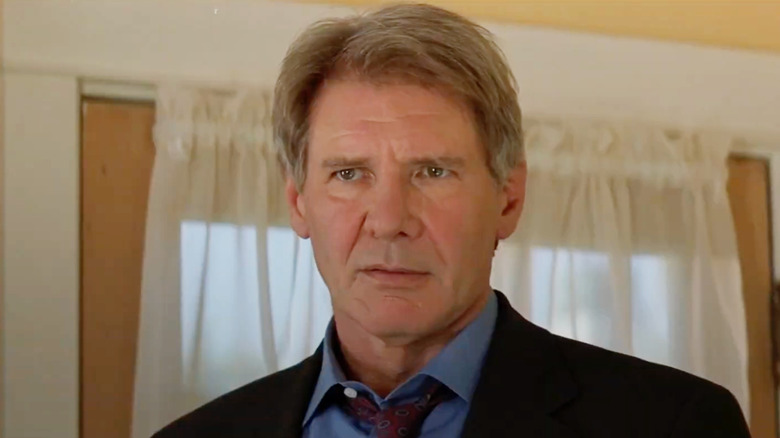
While the studio (Sony Pictures) remained relatively quiet during the critical barrage, the film’s failure marked a pivot point in Ford’s career strategy. He would go on to take more diverse, character-focused roles, eventually finding a late-career resurgence in television with projects like Shrinking, which proved that his comedic timing—which Ebert championed—was not only intact but formidable.
Implications: The Ebert Effect and the Nature of Criticism
Roger Ebert’s defense of Hollywood Homicide serves as a masterclass in the subjectivity of art. His review focused on the "pleasures" of the film—specifically the chemistry between Ford and Hartnett. He observed that the movie was "more interested in its two goofy cops than in the murder plot," and he found that interest to be a virtue, not a flaw.
The "Grumpy" Appeal
Ebert’s appreciation for Ford’s performance is perhaps the most insightful aspect of his analysis. Where other critics saw a "creaky" star, Ebert saw an actor who was "distilled, more laconic, and more gruffly likable." This was not a failure of acting; it was a performance of aging. Ebert understood that Ford was playing a man who was tired of the grind, and he found that portrayal to be authentic.
A Lesson for Future Viewers
The implication of the Hollywood Homicide discourse is clear: critical consensus is often a reflection of the "zeitgeist" rather than the actual quality of a film. When the industry expects a high-octane thriller and receives a loose, cynical comedy about real estate and police work, the mismatch of expectations leads to a critical pile-on.
Ebert, however, was immune to these expectations. He walked into the theater without the baggage of what a "Harrison Ford movie should be." He evaluated the film based on what it was, rather than what it failed to be. In doing so, he provided a permanent, documented defense of a movie that, while flawed, possessed a specific charm that was entirely lost on his contemporaries.
Conclusion: The Legacy of a Contrarian Take
More than two decades later, Hollywood Homicide remains a curiosity in the history of cinema. It is not, by any objective metric, a classic. Yet, the existence of a glowing review from one of the most respected critics in history forces us to re-examine the film.
Roger Ebert’s review is a reminder that the job of a critic is not to simply reflect the opinion of the masses or the consensus of the "Rotten Tomatoes" score. It is to find the value in the frame—to see the humanity in the performance, the humor in the dialogue, and the intent behind the direction. While most critics saw a failure in Hollywood Homicide, Roger Ebert saw a project that was, in its own idiosyncratic way, doing exactly what it set out to do. His ability to stand against the grain wasn’t just an act of defiance; it was a testament to his enduring love for the medium, regardless of whether the rest of the world agreed.

 Ali Ikhwan
 Nila Kartika Wati