Laily UPN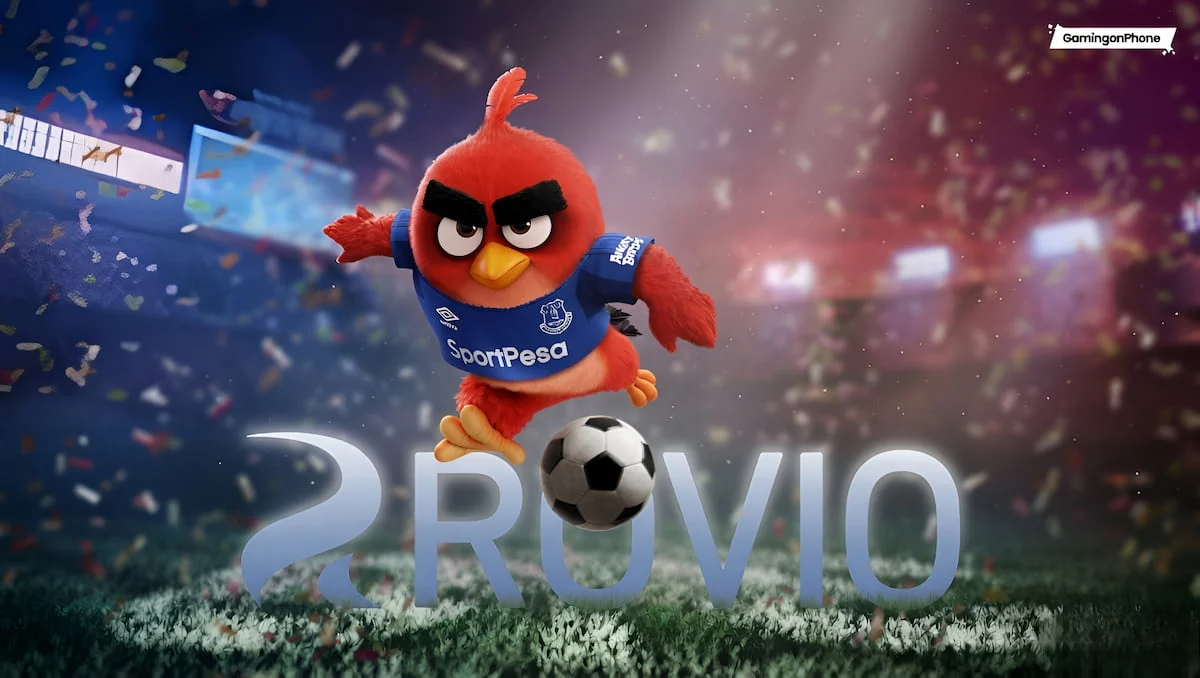
In a move that signals a significant strategic pivot for the studio behind the global Angry Birds phenomenon, Rovio Entertainment has officially embarked on an ambitious mission to break into the highly lucrative and hyper-competitive mobile football gaming market. The Finnish developer, now under the umbrella of SEGA Sammy, has launched an executive search for a General Manager to lead a brand-new, “Tier 1” football title, signaling a departure from its traditional puzzle-casual roots toward the demanding world of sports simulation and live-service management.
The Mandate: A "Tier 1" Football Vision
The vacancy, based at Rovio’s established hub in Barcelona, Spain, describes a project of “extremely high ambition.” Unlike the company’s recent output, which has largely focused on refining the Angry Birds formula and expanding its casual portfolio, this project is positioned as a serious, long-term endeavor.
Rovio is not simply looking for a developer; they are hunting for a visionary leader. The job description explicitly calls for a General Manager who possesses "deep expertise" in sports titles and a mastery of large-scale, free-to-play (F2P) operations. This individual will be tasked with the entire lifecycle of the game—from the initial prototype phase through to the complexities of global launch and, eventually, a multi-year live-service roadmap. Responsibilities include overseeing monetization strategy, content scheduling, community management, and the coordination of a dedicated development team in Barcelona.
A Historical Context: From ‘Angry Birds Goal!’ to Modern Simulation
While this announcement has caught the industry by surprise, it is not Rovio’s first foray onto the pitch. Nearly a decade ago, in 2016, the company released Angry Birds Football (originally titled Angry Birds Goal!). Developed by New Star Games and published by Rovio, the title was timed to coincide with the UEFA Euro 2016 tournament.
That project, however, was a lighter, IP-focused experience that failed to gain significant traction in a market already dominated by established sports franchises. It was ultimately shelved within the same year of its release.
The current initiative represents a radical shift in philosophy. By explicitly calling for a "Tier 1" title, Rovio is moving away from the "casual-football" hybrid model. They are signaling an intent to compete directly with titans of the mobile industry, such as EA Sports’ FC Mobile, Konami’s eFootball, and Miniclip’s Dream League Soccer. The timing—aligned with the global excitement of the 2026 World Cup—suggests that Rovio is leveraging the heightened visibility of the sport to establish a permanent foothold in a genre where player retention is measured in years, not months.
Financial Realities: The SEGA Post-Acquisition Landscape
To understand why Rovio is diversifying its portfolio, one must look at the company’s recent fiscal performance. Since its acquisition by SEGA Sammy, the studio has faced mounting pressure to deliver consistent growth. In recent quarterly disclosures, SEGA revealed that the integration and subsequent economic output of the Rovio acquisition had not met the high-reaching internal targets set during the merger.

This "reset" phase has prompted leadership to look beyond the Angry Birds brand. While the company has confirmed that new Angry Birds titles are in development—expected to hit the market before March 2027—the football project indicates a desire to de-risk the company by tapping into genres with different monetization mechanics and audience demographics.
The move is emblematic of a broader trend in the gaming industry: established studios are increasingly moving away from pure casual gaming toward "evergreen" titles. By building a sports game, Rovio is targeting a demographic that is notoriously loyal and prone to higher lifetime value (LTV) spending, provided the gameplay loop is engaging enough to sustain competition.
Implications for the Competitive Landscape
The mobile football genre is notoriously difficult to break into. The barrier to entry is not just technical; it is rooted in licensing, community habit, and the sheer technical polish of existing giants. For a developer known primarily for physics-based puzzle games, building a football engine that can stand alongside FC Mobile is a monumental task.
1. The Challenge of Live-Service Operations
The requirement for a General Manager with experience in "profitable live-service operations" is telling. Modern football games are no longer static products; they are platforms that mirror real-world football calendars. The successful candidate will need to manage a live-ops team capable of deploying weekly events, player card updates, and real-time content drops that sync with global football matches.
2. The Talent War
By choosing Barcelona as the hub for this development, Rovio is placing itself in the heart of a European gaming cluster. Barcelona is a major international tech hub, but it is also home to other major studios. Hiring a team that can compete with the specialized sports-game veterans at EA or Konami will require aggressive recruitment and a clear, compelling vision that differentiates their product from the established status quo.
3. Intellectual Property vs. Simulation
A critical question remains: will this new game utilize the Angry Birds IP, or will it be an original, simulation-focused brand? The current job posting suggests the latter. While the Angry Birds name has immense brand recognition, it carries a "casual" baggage that might hinder the appeal of a serious sports simulation. Developing a new, sports-specific brand would allow Rovio to compete in the "hardcore" mobile segment, potentially attracting a player base that has never engaged with their puzzle titles.
The Road Ahead: 2027 and Beyond
As we look toward 2027, the industry is witnessing a "re-imagining" of Rovio. The studio is at a crossroads: it can continue to iterate on its legacy, or it can gamble on its ability to master new genres. The decision to invest heavily in a football title is a high-stakes bet. If successful, it would provide Rovio with a secondary pillar of revenue that is independent of its flagship brand. If it fails, it serves as a stark reminder of the difficulty of the mobile market’s "Winner Takes Most" dynamic.

For the candidate who takes the helm, the path is clear: they must build a product that captures the tactical depth of the beautiful game while navigating the fickle nature of the mobile F2P economy. Whether this project arrives in time for the Euro 2028 tournament or sooner remains to be seen, but one thing is certain: Rovio is no longer content to play on the sidelines.
Conclusion: A Defining Era for the Studio
The hiring of a General Manager for this "Tier 1" football project is perhaps the most significant strategic move for Rovio since the SEGA acquisition. It marks the end of the "Angry Birds-only" era and the beginning of a broader, more diversified portfolio strategy.
As the company navigates the challenges of the current mobile market—characterized by rising user acquisition costs and high player churn—this pivot to sports gaming is a bold attempt to secure a sustainable future. Whether they can translate their expertise in accessibility and physics into the high-octane, stats-heavy world of football gaming will be the definitive narrative of the company’s next few years.
For fans of the studio, this is a moment of cautious optimism. If Rovio can apply the same level of care and "fun-first" design philosophy to the football pitch that they once brought to the slingshot, the mobile gaming world may soon have a new, serious contender to watch.
For more information on the evolving landscape of mobile gaming and updates on this developing story, follow our dedicated coverage on our WhatsApp Channel, Telegram Group, or Discord server. Keep up with the latest industry shifts by following us on Instagram, Twitter, and Google News.

 Layla Zulfa
 Nila Kartika Wati