

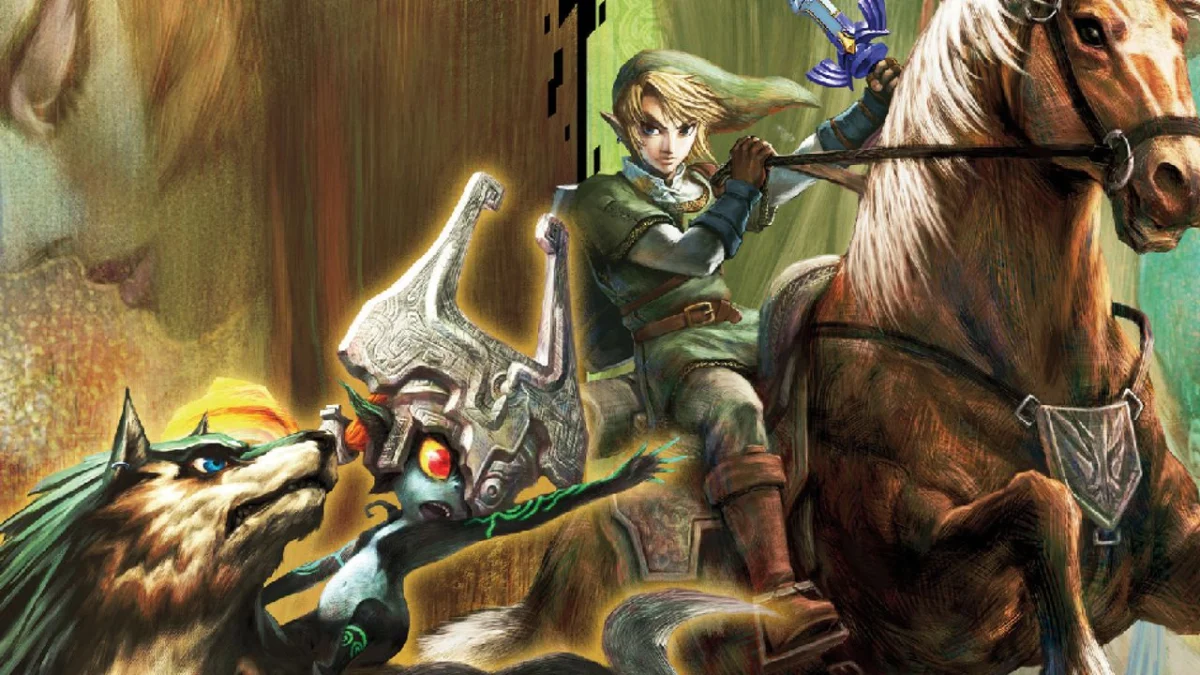
In the pantheon of video game development, few names carry the weight and reverence of Eiji Aonuma. For millions of fans worldwide, the Legend of Zelda series is synonymous with the visionary leadership of Shigeru Miyamoto, the man who brought Hyrule to life. However, over the past two decades, Aonuma has firmly cemented his own legacy, becoming the principal steward of the franchise. Yet, as history reveals, the man who would eventually define the modern era of Zelda once sought to escape its gravitational pull entirely.
The Origin of a Reluctant Legend
Before he became the face of the series, Aonuma was a designer searching for his own creative identity. His tenure began in the late 1990s, a period of monumental transition for Nintendo as the company pivoted toward 3D gaming. Aonuma’s contributions to The Legend of Zelda: Ocarina of Time—a game widely considered one of the greatest ever made—were instrumental, but they were also the beginning of what he initially viewed as a potential creative prison.
By the time he had finished his work on Ocarina of Time, Majora’s Mask, and The Wind Waker, Aonuma had become a pillar of the Zelda team. In a candid interview from the June 2005 issue of Edge Magazine, Aonuma reflected on his early career struggles. He admitted that, despite his professional successes, he harbored a deep-seated desire to explore new horizons and step out from the long shadow cast by the franchise.
"I had worked on three different Legends of Zelda," Aonuma told the publication. "The fact of the matter is, I could not think about any concrete idea other than Zelda."
Chronology: From Marvelous to the Master Sword
To understand Aonuma’s internal conflict, one must look at his trajectory within Nintendo. Before he was the director of Zelda, he cut his teeth on Marvelous: Mouhitotsu no Takarajima, a Super Nintendo title released only in Japan. Even then, the "Zelda DNA" was apparent; the game featured top-down exploration, puzzle-solving, and a distinct sense of adventure that mirrored the classic 2D Zelda experience.
- 1996 – The Marvelous Beginning: Aonuma directs his first title, which serves as a precursor to the mechanics he would later refine in the 3D Zelda space.
- 1998 – Ocarina of Time: Serving as one of the key directors, Aonuma helps transition the series into 3D, creating the industry standard for action-adventure titles.
- 2000 – Majora’s Mask: Taking on a more direct leadership role, Aonuma pushes the series into darker, more psychological territory, showcasing his willingness to experiment with the formula.
- 2002 – The Wind Waker: Aonuma oversees the controversial but now-beloved cel-shaded art style, further distancing the franchise from realism and embracing artistic expression.
- 2005 and Beyond – The Acceptance: Following the release of The Wind Waker and leading into the development of Twilight Princess, Aonuma reaches a personal epiphany regarding his role at Nintendo.
The "Fate" of a Creative Visionary
The realization that he was destined for Hyrule was not an overnight shift in perspective. It was a gradual reconciliation with his own creative limitations and strengths. Aonuma noted that even when he tried to step away, his creative process invariably led him back to the same architectural structures that define the Zelda experience.
"So, yeah, somewhere in my mind I really want to take some distance away from it, but the fact of the matter is I am more and more involved in The Legend of Zelda," Aonuma shared in 2005. "Sometimes I think it is a kind of… fate for me, so I should give up escaping from that!"
This acceptance of "fate" proved to be the turning point for the franchise. Rather than resenting his position, Aonuma leaned into it, using his leadership to dismantle the very traditions he helped build. This shift in mindset allowed for the birth of Twilight Princess, Skyward Sword, and eventually the radical, open-air paradigm shifts seen in Breath of the Wild and Tears of the Kingdom.
Supporting Data: The Aonuma Effect
When analyzing the commercial and critical success of the Zelda series, the impact of Aonuma’s leadership is statistically undeniable. Under his guidance, the series moved from a structured, dungeon-based progression to the expansive, player-driven sandbox model that dominates today’s market.
According to Nintendo’s financial reports and critical aggregate sites like Metacritic, the "Aonuma Era" has seen the series maintain some of the highest review scores in the history of the medium. Breath of the Wild alone sold over 30 million units, effectively rebooting the franchise’s potential for a new generation of hardware. The consistency of quality, despite the dramatic shifts in gameplay style, speaks to a director who deeply understands the "essence" of Zelda—an essence he once worried was all he was capable of producing.
Official Responses and Industry Impact
Industry analysts often point to the relationship between Miyamoto and Aonuma as a masterclass in mentorship and succession. While Miyamoto provided the foundational philosophy of Zelda—the idea of "childhood wonder" and "secret exploration"—Aonuma provided the technical rigor and willingness to deconstruct that foundation.
In past interviews, Miyamoto has often spoken of his trust in Aonuma’s vision. By handing over the reins of the Zelda franchise, Miyamoto ensured that the series would not remain stagnant. Aonuma’s journey from a reluctant successor to a confident visionary has allowed Nintendo to keep its most valuable IP fresh. He did not merely repeat the success of the 90s; he spent the 2000s and 2010s actively looking for ways to "break" the Zelda formula, only to find that the spirit of the game remained intact regardless of how much he changed.
Implications: What This Means for the Future
The implications of Aonuma’s "fate" are significant for the future of the Legend of Zelda series. If Aonuma had successfully "escaped" the franchise in 2005, the series might have taken a drastically different path—perhaps one that lacked the daring innovation seen in recent years.
By accepting his role, Aonuma has become the architect of a new golden age. His willingness to experiment with the series’ core pillars has influenced countless other developers. Today, when we look at the success of open-world gaming, we are looking at the echoes of Aonuma’s decision to stop fighting his fate and start defining it.
As we look toward the future of Nintendo’s flagship franchise, the lessons of Aonuma’s early career remain relevant. Creativity is rarely about escaping one’s strengths; it is about finding new ways to express them. Aonuma’s career is a testament to the idea that sometimes, the work you find most challenging is the work you were meant to do all along.
For fans of the series, Aonuma’s "inescapable fate" has been a gift. It provided the continuity required to evolve the series into a sophisticated, modern masterpiece while maintaining the sense of wonder that first made players fall in love with Hyrule. As long as Eiji Aonuma continues to view his work as a destiny rather than a job, the Legend of Zelda is likely to remain in the safest of hands.











No comments yet. Be the first to join the conversation!