

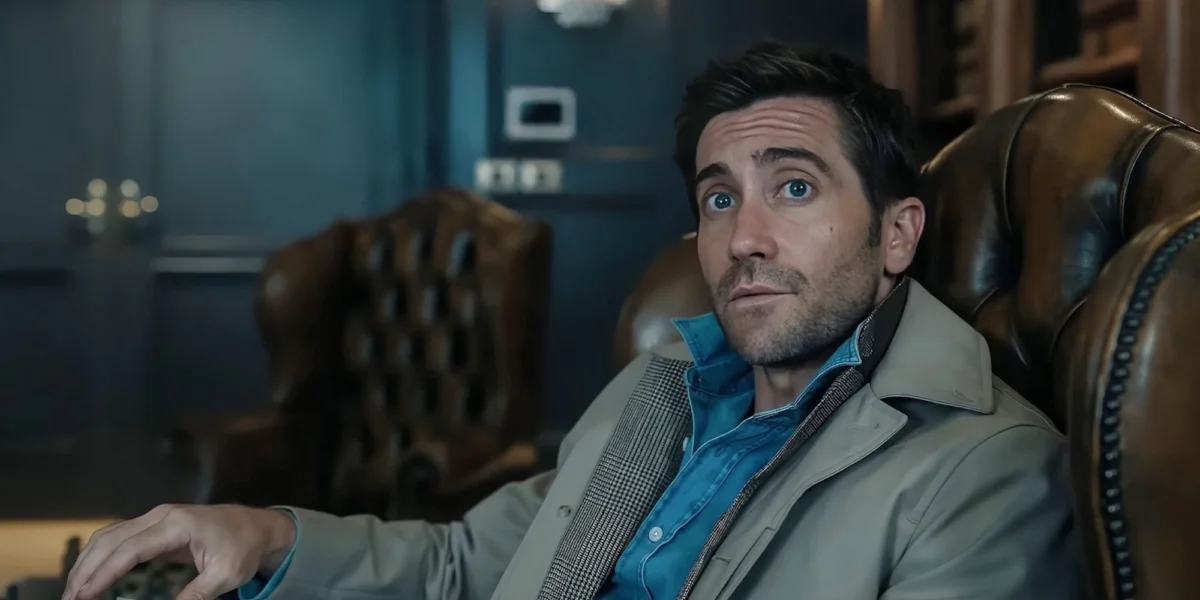
Guy Ritchie has long been a master of the kinetic, the stylish, and the irreverent. From the grimy, fast-talking underworld of London in his breakout hits Lock, Stock, and Two Smoking Barrels and Snatch, to the sprawling, big-budget canvases of Aladdin and Sherlock Holmes, Ritchie’s career has been defined by an restless urge to reinvent. Now, with the release of his latest spy thriller, In The Grey, the director is once again recalibrating the genre, stripping away the global melodrama often associated with espionage to focus on a more nuanced, "gray" area of morality.
A Legacy of Genre-Bending
To understand the significance of In The Grey, one must first appreciate the breadth of Ritchie’s filmography. He is a filmmaker who refuses to be siloed. His career is a testament to genre fluidity: he has tackled the high-fantasy stakes of King Arthur: Legend of the Sword, the visceral intensity of war in The Covenant, and the glitz of musical theater with Disney’s live-action Aladdin.
Yet, his heart has consistently returned to the crime and spy-thriller genre. Whether it is the suave, retro-cool aesthetic of The Man from U.N.C.L.E. or the complex geopolitical maneuvering in Operation Fortune: Ruse de Guerre, Ritchie has spent decades perfecting the art of the "cool" operative. In The Grey serves as a culmination of these experiences, bringing together a powerhouse cast and a script that challenges the traditional hero-villain dynamic.
The Core Narrative: A Billion-Dollar Extraction
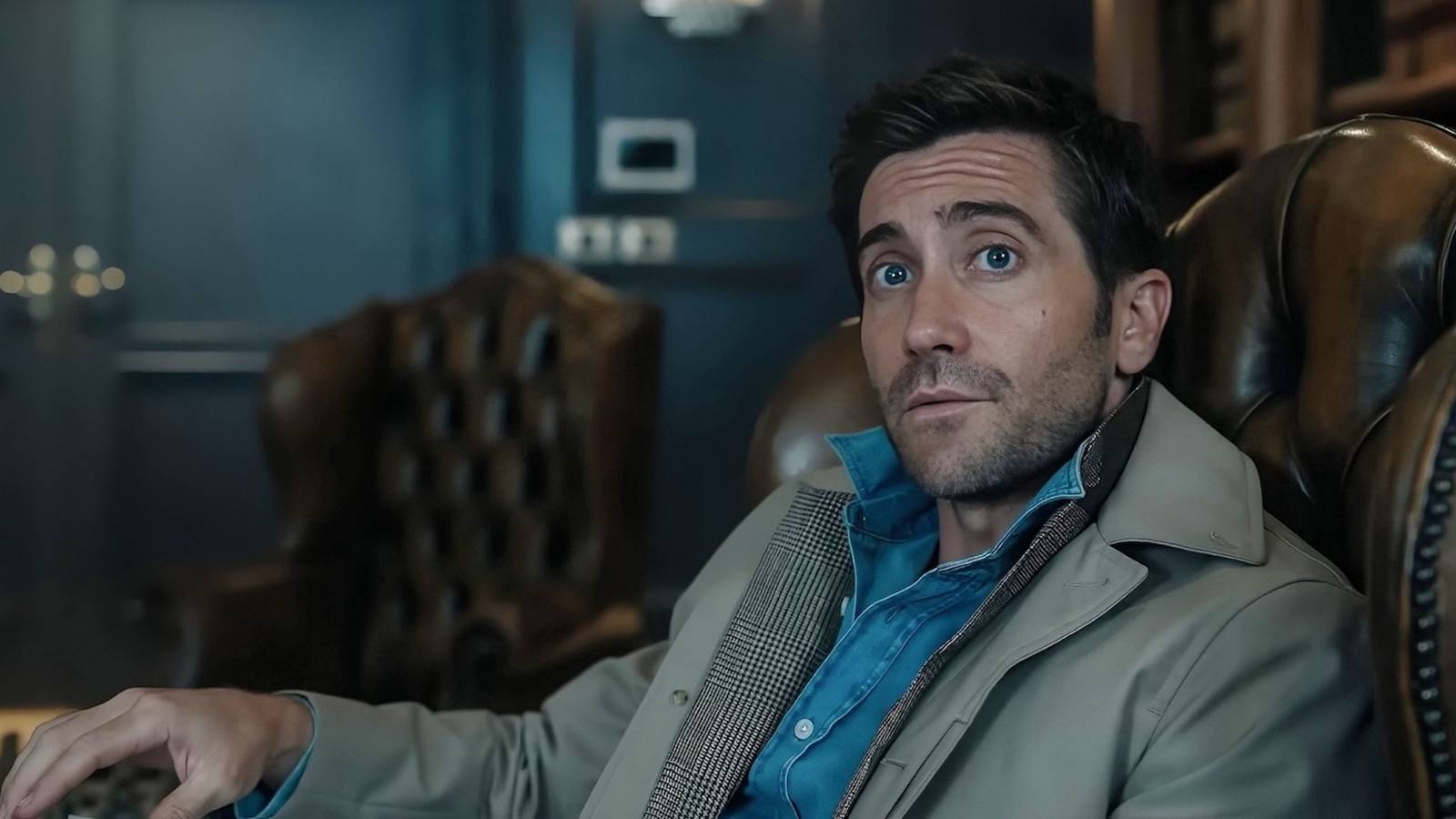
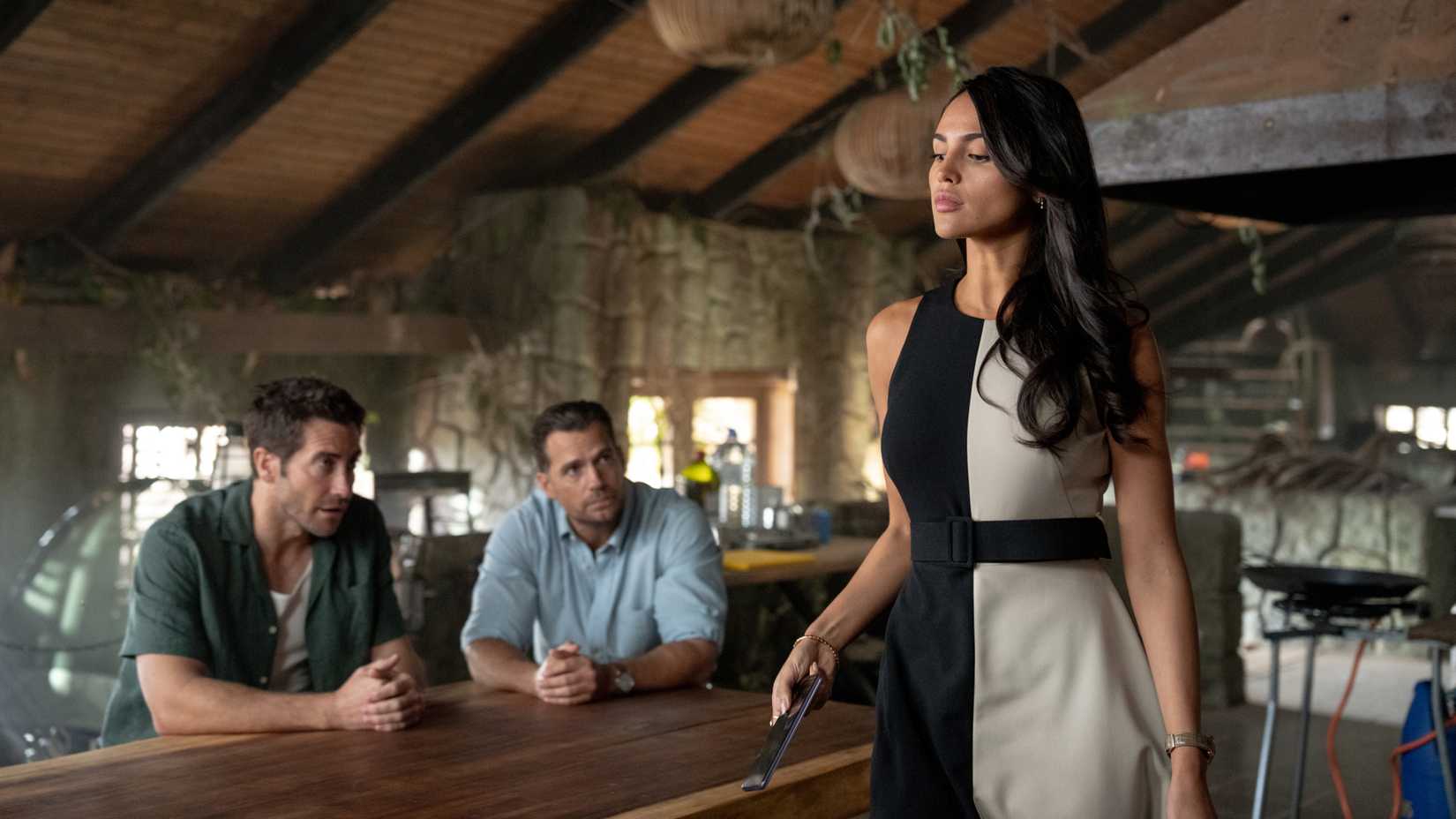
In The Grey follows two primary extraction specialists, played by frequent collaborators Jake Gyllenhaal and Henry Cavill. The plot is ostensibly straightforward—the duo is hired to retrieve a billion-dollar debt from a dangerous adversary—but in true Ritchie fashion, the execution is anything but simple.
The film boasts an ensemble cast that underscores its ambition, featuring Eiza González, Rosamund Pike, Carlos Bardem, and Fisher Stevens. The reunions are notable; Gyllenhaal previously anchored the emotional weight of The Covenant, while Cavill and González were the faces of Ritchie’s historical romp, The Ministry of Ungentlemanly Warfare. This familiarity between director and cast suggests a shorthand in performance, allowing for the rapid-fire dialogue and high-tension sequences that have become Ritchie’s trademark.
Chronology: From the Underworld to the Spy Game
Ritchie’s career trajectory can be categorized into three distinct eras, each informing the DNA of his latest project:
- The British Underworld Era (1998–2005): Marked by Lock, Stock, and Two Smoking Barrels, Snatch, and Revolver. These films established his signature style: rapid-fire editing, nonlinear storytelling, and a penchant for idiosyncratic criminals.
- The Stylized Blockbuster Era (2006–2019): A pivot toward larger scales, including the Sherlock Holmes franchise, RocknRolla, and the Aladdin remake. Here, Ritchie learned to balance his gritty sensibilities with the demands of tentpole cinema.
- The Mature Spy Thriller Era (2020–Present): Including The Gentlemen, Operation Fortune, The Ministry of Ungentlemanly Warfare, and now In The Grey. This current phase represents a synthesis of his earlier, grounded crime work with his later technical proficiency.
The Philosophy of "The Gray"
In an exclusive discussion with ScreenRant, Ritchie shed light on why he remains tethered to the spy genre. For him, it is no longer about secret government agencies saving the world from nuclear annihilation; it is about the "illegal world behind the legal world."
"I’m trying to entertain myself as much as I am trying to entertain an audience," Ritchie explains. "This world I stumbled into, which I found to be provocative and interesting, is one where there’s an illegal world behind the legal world. You’ve got legally trained people exercising their skills in a world of moral ambiguity, and that became good nutrition for a story."
This concept of "moral ambiguity" is central to the film’s title. It suggests a departure from the black-and-white morality of traditional Cold War espionage, shifting the focus toward professionals who use their expertise to navigate landscapes where the law is merely a suggestion.
The Psychology of Stakes: Personal vs. Global
Perhaps the most intriguing aspect of Ritchie’s latest directorial effort is his approach to narrative tension. While audience expectations for spy thrillers often demand world-ending catastrophes, Ritchie posits that "personal stakes can mean more than global stakes sometimes."
His comparison to public speaking is particularly illuminating. "Public speaking in front of 50 people is really the same as speaking in front of 50,000 people," he notes. "It’s a weird thing, as you would’ve thought there would be an exponential challenge when it came to numbers. But funny enough, there isn’t. Movie stakes operate in a very similar way."
This philosophy explains why In The Grey feels different from the average blockbuster. By grounding the billion-dollar mission in the personal survival and ethics of his protagonists, Ritchie forces the audience to care about the individuals rather than the collateral damage. He posits that a cat dying can carry more emotional weight than the destruction of a city, provided the audience is sufficiently invested in the characters.
Official Responses and Creative Direction
The production team behind In The Grey has emphasized that the project was a collaborative effort, aimed at challenging the tropes of the action genre. By moving away from the "save the world" motif, the film allows the actors—particularly Gyllenhaal and Cavill—to explore roles that are more cynical, pragmatic, and perhaps even vulnerable.
Critics have noted that the film’s reliance on dialogue-driven tension, rather than just explosions, marks a maturation of Ritchie’s voice. The production design reflects this shift, moving from the overtly stylized color palettes of his earlier works to a more muted, clinical aesthetic that mirrors the "gray" morality of the characters.
Implications for the Genre
What does In The Grey mean for the future of the spy thriller? It suggests a potential shift toward "boutique" espionage—stories that are high-budget and high-octane, but low-concept in their motivation. As audiences become increasingly saturated with multiverse-ending stakes and franchise-linked narratives, a story that focuses on a single, messy, and intensely personal mission provides a refreshing counterpoint.
Ritchie’s success in this space proves that the "Ritchie-esque" style—once defined by cockney gangsters and underground boxing matches—is infinitely adaptable. Whether it’s a period piece about the birth of the SAS or a modern thriller about debt extraction, the common denominator remains the director’s ability to find humanity in the most morally compromised of characters.
Conclusion: A New Standard
As In The Grey continues its theatrical run, it stands as a testament to Guy Ritchie’s endurance. He has managed to evolve from a cult director of British crime capers into a globally recognized filmmaker who can pivot between fantasy, history, and modern espionage with ease.
By prioritizing the "gray" areas of human behavior and arguing that the most significant battles are often the ones fought behind closed doors, Ritchie has created a film that is as thought-provoking as it is pulse-pounding. For fans of the genre, In The Grey is not just another action movie; it is a masterclass in how to keep a well-worn genre feeling fresh, relevant, and undeniably dangerous.











No comments yet. Be the first to join the conversation!