

By Paulo Kawanishi
Published May 19, 2026, 2:02 PM EDT
(Image: Playground Games/Xbox Game Studios via Polygon)
As the engines roar to life and the virtual world of Forza Horizon 6 opens its expansive vistas to players worldwide, one of the most anticipated elements of its post-launch content strategy comes into sharp focus: the Car Pass. Priced at $29.99, this premium add-on promises to be a cornerstone of player engagement, delivering a steady stream of new vehicles over a remarkable two-and-a-half-year period. This long-term commitment from developer Playground Games and publisher Xbox Game Studios underscores a continued dedication to enriching the player experience, expanding vehicle rosters, and maintaining a vibrant, evolving game world.
The Car Pass offers a curated selection of 30 distinct vehicles, delivered weekly, ensuring that the thrill of discovery and the anticipation of new rides remain fresh for an extended duration. While accessible as a standalone purchase, the Car Pass is also integrated into the Deluxe and Premium editions of Forza Horizon 6, providing a comprehensive package for dedicated fans. For those who prefer a more selective approach, individual cars from the pass will also be available for purchase as they are released, offering flexibility to players who might only covet specific models. This detailed breakdown explores the mechanics, content, historical context, and broader implications of Forza Horizon 6‘s ambitious Car Pass.
Main Facts: The Core Offering of the Forza Horizon 6 Car Pass
The Forza Horizon 6 Car Pass stands as a significant investment for players looking to continuously expand their in-game garage. For a one-time payment of $29.99, subscribers are guaranteed access to 30 unique cars, rolled out systematically over a period spanning two years and six months. This translates to a new, exclusive vehicle being added to players’ collections almost every week, meticulously following a pre-established release calendar.
The primary appeal of the Car Pass lies in its convenience and the assured flow of new content. Upon purchase, any cars already released within the pass schedule are immediately added to the player’s garage, and subsequent vehicles arrive automatically as their release dates hit. This "set it and forget it" approach caters to collectors and enthusiasts who desire a comprehensive collection without the need for constant vigilance or in-game currency grinding for these specific models. The pass ensures that even if a player joins the Forza Horizon 6 experience later in its lifecycle, they won’t miss out on any of the previously released Car Pass vehicles, receiving them retroactively.
Beyond the standalone purchase, the Car Pass is a key component of the game’s higher-tier editions. Players opting for the Deluxe or Premium versions of Forza Horizon 6 will find the Car Pass bundled in, offering enhanced value alongside other exclusive content such as early access, additional DLC packs, and VIP membership benefits. This tiered approach allows consumers to choose the entry point that best suits their engagement level and budget, while still providing a clear path to accessing this extensive vehicle roster. The alternative for non-pass holders is the option to acquire these cars individually, albeit at a potentially higher cumulative cost if many vehicles are desired, and without the benefit of immediate, automatic delivery. This strategy aims to balance exclusive content access with broader player choice, ensuring that the game’s vibrant car culture remains accessible to all.
Chronology: Tracing the Evolution of Forza’s Post-Launch Content
The concept of a Car Pass is not new to the Forza franchise, having been a consistent feature across both the simulation-focused Forza Motorsport series and the open-world Forza Horizon titles. This recurring monetization and content delivery model has evolved over the years, reflecting broader industry trends in live-service gaming and sustained player engagement.
Historically, Forza Car Passes have served as a reliable method for developers to introduce a diverse array of vehicles post-launch, ranging from highly anticipated modern supercars to classic cult favorites and unique race machines. Previous Forza Horizon iterations, such as Forza Horizon 4 and Forza Horizon 5, each featured their own Car Passes, typically offering around 40-50 cars over a year-long period. The Forza Horizon 6 Car Pass, with its 30 cars spread over two and a half years, represents a slight shift in cadence and total vehicle count compared to its immediate predecessors, suggesting a more prolonged, perhaps more curated, drip-feed of content. This extended timeline could be indicative of Playground Games’ intent to keep Forza Horizon 6 feeling fresh and active for an exceptionally long duration, potentially bridging the gap to future franchise entries without long periods of content drought.
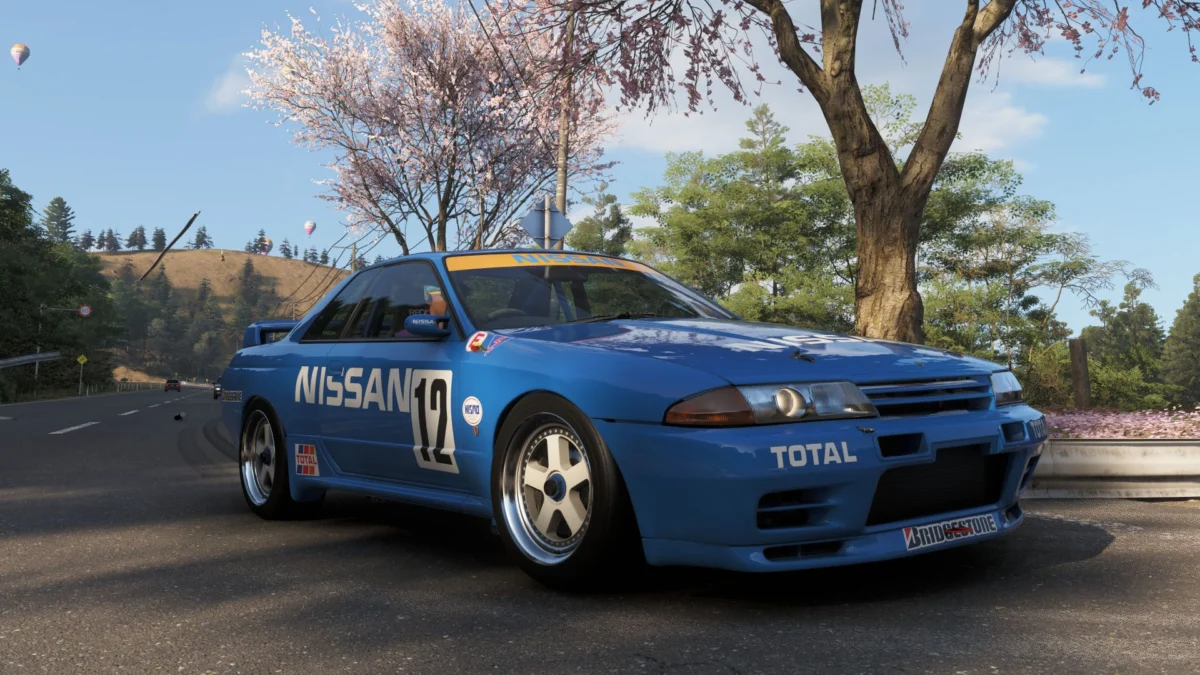
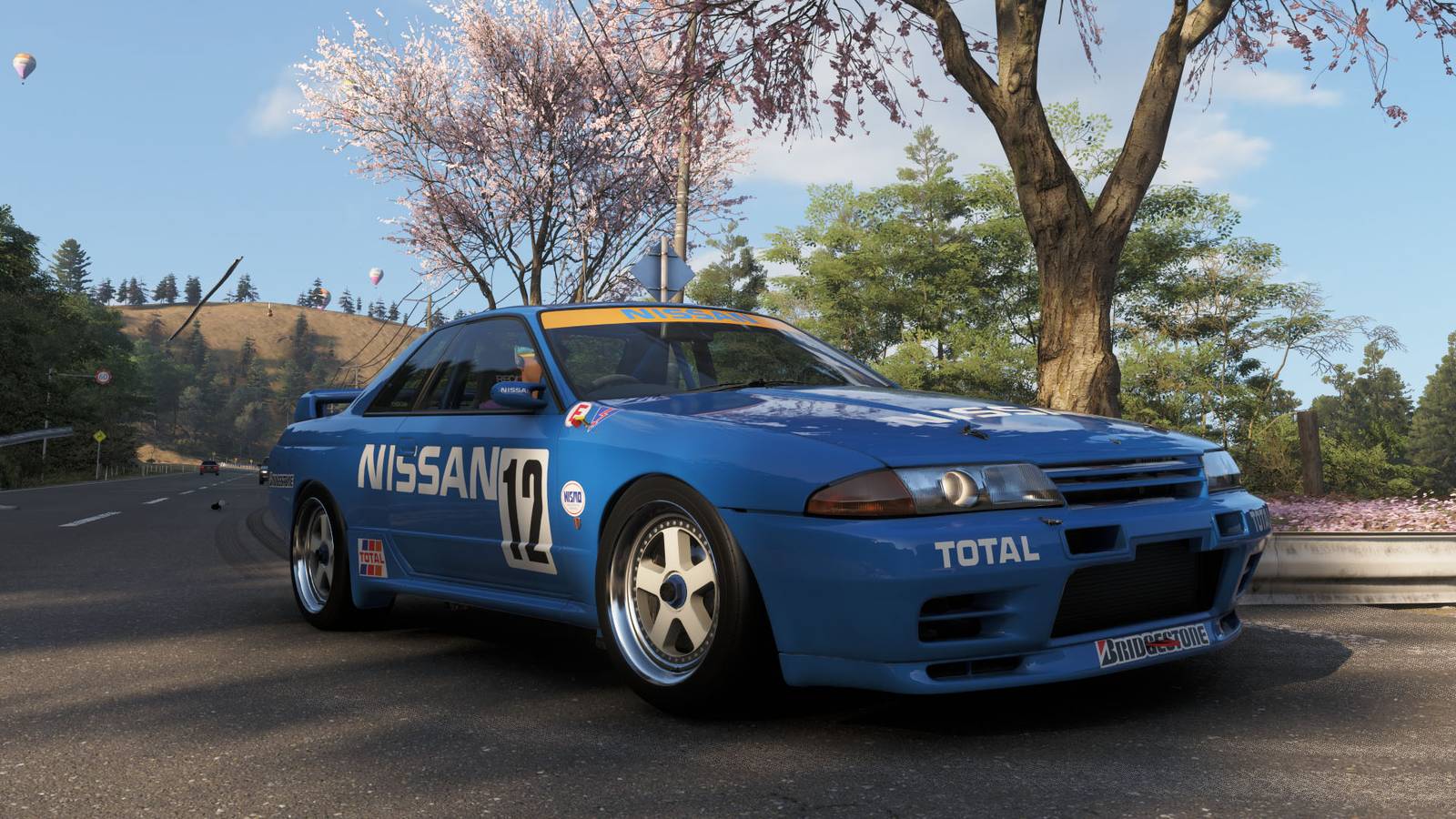
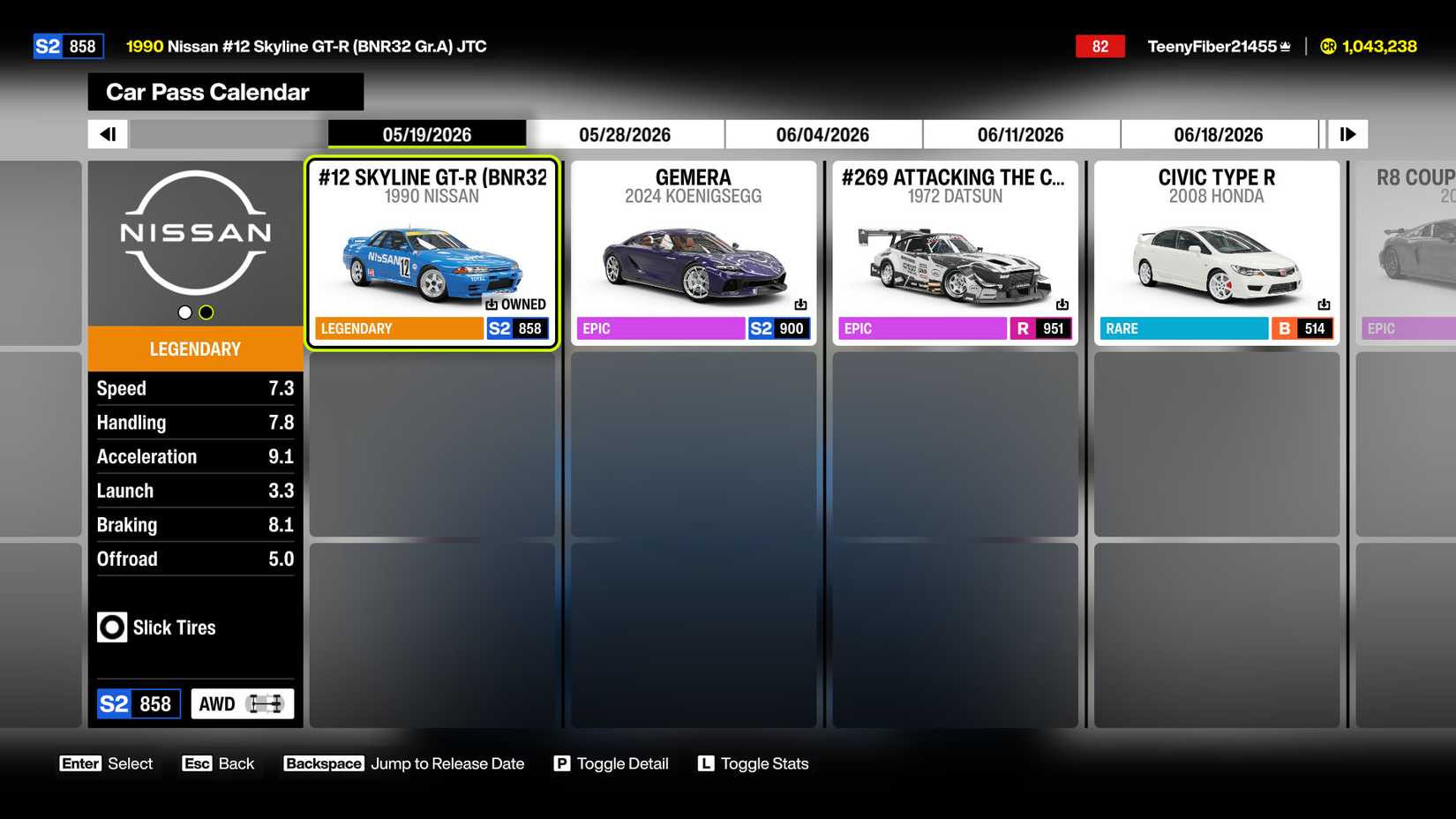
The current Car Pass for Forza Horizon 6 commenced its journey with the game’s launch, with the first vehicle, the iconic 1990 Nissan #12 Skyline GT-R (BNR32 Gr. A) JTC, becoming available on May 19, 2026. This initial offering immediately set a high bar, appealing to JDM enthusiasts and racing history buffs alike. Following this, the schedule unfolds with a weekly cadence, introducing a blend of cutting-edge hypercars, classic rally legends, and unique tuner creations. The release schedule, as announced, continues into July 2026 and beyond, promising a steady flow of automotive delights. For instance, the formidable 2024 Koenigsegg Gemera arrives on May 28, swiftly followed by the distinctive 1972 Datsun #269 Attacking the Clock Racing 240Z ‘All Carbon Hill Climb Beast’ on June 4. The subsequent weeks will see the arrival of the 2008 Honda Civic Type R (June 11), the 2023 Audi R8 Coupé V10 GT RWD (June 18), the 1974 Mazda #123 Mad Mike 808 Wagon ‘Fursty’ (June 25), the 1998 Nissan Skyline GT-R 40th Anniversary (July 2), and the 2023 Toyota GR Corolla (July 9). This carefully planned rollout ensures that players always have something new to look forward to, extending the game’s lifecycle and keeping the community engaged with fresh content.
Supporting Data: A Deep Dive into the Car Pass Lineup
The selection of vehicles for the Forza Horizon 6 Car Pass is a testament to the franchise’s commitment to automotive diversity, catering to a broad spectrum of tastes from classic racing machines to modern hypercars and bespoke tuner creations. Each car brings its own unique flavor and performance characteristics to the vibrant open world.
1990 Nissan #12 Skyline GT-R (BNR32 Gr. A) JTC (Release Date: May 19)
- Stats: Speed: 7.3, Handling: 7.8, Acceleration: 9.1, Launch: 3.3, Braking: 8.1, Offroad: 5.0
- Price (CR): 1,500,000
- Significance: This is more than just a car; it’s a legend. The R32 GT-R, especially in its Group A racing guise, dominated the Japanese Touring Car Championship (JTC), earning it the moniker "Godzilla." Its advanced all-wheel-drive system and powerful twin-turbo inline-six engine redefined performance cars of its era. In Forza Horizon 6, its high acceleration and handling scores suggest it will be a potent force on the track, particularly in circuit races where its legendary grip can be exploited.
2024 Koenigsegg Gemera (Release Date: May 28)
- Stats: Speed: 10, Handling: 7.2, Acceleration: 9.7, Launch: 10, Braking: 7.6, Offroad: 5.1
- Significance: Hailing from the elite world of Swedish hypercars, the Gemera is Koenigsegg’s "Mega-GT," a four-seater that defies conventional performance boundaries. With its revolutionary Freevalve engine and hybrid powertrain, it promises blistering acceleration and top speeds, as evidenced by its perfect 10s in Speed and Launch. This car will be a top-tier contender for drag races and high-speed highway sprints, representing the pinnacle of modern automotive engineering within the game.
1972 Datsun #269 Attacking the Clock Racing 240Z ‘All Carbon Hill Climb Beast’ (Release Date: June 4)
- Stats: Speed: 6.4, Handling: 9.1, Acceleration: 7.1, Launch: 7.5, Braking: 10, Offroad: 4.2
- Significance: This isn’t your average classic Datsun. This highly customized 240Z, often seen in extreme hill climb events, embodies the spirit of bespoke tuning and raw performance. Its "All Carbon" moniker points to extensive weight reduction, reflected in its exceptional Handling and perfect Braking scores. This car will be a specialist, excelling on twisty mountain roads and technical courses where agility and stopping power are paramount.
2008 Honda Civic Type R (Release Date: June 11)
- Stats: Speed: 5.7, Handling: 4.6, Acceleration: 4.2, Launch: 4.3, Braking: 3.7, Offroad: 5.3
- Significance: The FN2 generation Civic Type R, with its distinctive styling and high-revving K20 engine, is a beloved hot hatch. While its stats are more modest compared to hypercars, it represents an accessible entry point into performance driving. Its moderate Offroad score hints at its versatility on mixed surfaces, making it a fun choice for casual cruising and lower-class races, appealing to a broad segment of players who appreciate practical performance.
2023 Audi R8 Coupé V10 GT RWD (Release Date: June 18)

- Stats: Speed: 7.6, Handling: 6.9, Acceleration: 7.4, Launch: 6.2, Braking: 7.8, Offroad: 5.6
- Significance: The R8 V10 GT RWD is a swan song for Audi’s naturally aspirated V10 engine, a powerful and sonorous machine. As a rear-wheel-drive variant, it offers a more purist, engaging driving experience compared to its Quattro counterparts. Its balanced stats across Speed, Handling, and Braking suggest a versatile high-performance car, capable of dominating on both road and track, and a fitting tribute to an era of iconic powertrains.
1974 Mazda #123 Mad Mike 808 Wagon ‘Fursty’ (Release Date: June 25)
- Stats: Speed: 7.2, Handling: 5.0, Acceleration: 4.7, Launch: 4.9, Braking: 5.1, Offroad: 4.5
- Significance: Another custom creation, this Mazda 808 Wagon is the handiwork of drift legend "Mad Mike" Whiddett. Known for his rotary-powered monsters and flamboyant driving style, "Fursty" is expected to be a drift enthusiast’s dream. While its handling and braking are not top-tier for grip racing, its high Speed and unique character make it perfect for showcasing style and creating spectacular drift sequences, embodying the creative freedom of the Horizon festival.
1998 Nissan Skyline GT-R 40th Anniversary (Release Date: July 2)
- Stats: Speed: 6.2, Handling: 4.9, Acceleration: 5.6, Launch: 3.1, Braking: 3.5, Offroad: 5.7
- Significance: The R33 generation Skyline GT-R, often overshadowed by its R32 and R34 siblings, nonetheless holds a special place in JDM history. The 40th Anniversary edition is a rare collector’s item, offering refined performance and a touch of exclusivity. Its balanced, if not extreme, stats, combined with a respectable Offroad score, suggest a capable all-rounder for various events and exploration, making it a valuable addition for collectors and fans of Japanese performance.
2023 Toyota GR Corolla (Release Date: July 9)
- Stats: Speed: 5.9, Handling: 5.7, Acceleration: 6.0, Launch: 3.8, Braking: 5.0, Offroad: 5.9
- Significance: The GR Corolla is Toyota’s modern rally-bred hot hatch, designed to compete with the likes of the Civic Type R and Golf R. Featuring a powerful turbocharged three-cylinder engine and an advanced AWD system, it promises exhilarating performance in a practical package. Its strong Offroad score, combined with decent handling and acceleration, makes it an excellent choice for dirt racing and off-road exploration, highlighting its versatility and spirited nature.
This diverse roster not only provides new vehicles but also enriches the gameplay experience by offering specialized tools for different types of races, challenges, and open-world activities. The economic aspect, while not fully revealed for individual Car Pass cars yet (beyond the Skyline), suggests that the collective value of 30 premium vehicles, automatically delivered, likely surpasses the $29.99 purchase price when considering their typical in-game currency cost. This makes the Car Pass a cost-effective solution for players dedicated to collecting.
Official Responses: The Rationale Behind a Long-Term Content Strategy
While direct quotes regarding the Forza Horizon 6 Car Pass strategy from Playground Games or Xbox Game Studios are not always made public in detail, the consistent implementation of such passes across the Forza franchise provides a clear indication of their underlying rationale. The Car Pass is a multi-faceted approach to several key business and development objectives.
Firstly, it serves as a crucial component of the game’s live-service model. In an era where games are designed for long-term engagement, a steady stream of new content is essential to keep players invested. By releasing one car per week for over two years, Playground Games ensures that players have a continuous reason to return to Forza Horizon 6, explore new challenges with new vehicles, and participate in the evolving seasonal events that often tie into these new additions. This prolonged engagement helps to foster a strong community and ensures the game remains relevant in a competitive market.
Secondly, the Car Pass contributes significantly to sustained revenue streams. While the initial game sale is vital, premium DLC like the Car Pass provides additional income, which can then be reinvested into further game development, server maintenance, and the creation of more free content updates or future expansions. This model allows developers to continuously support the game long after its initial launch, ensuring a higher quality and quantity of post-release support.
Furthermore, the inclusion of the Car Pass in Deluxe and Premium editions reflects a strategy to offer tiered value propositions to consumers. By bundling the pass with other exclusive content, publishers incentivize higher-priced purchases, rewarding early adopters and dedicated fans with a comprehensive content package. This also simplifies the purchasing decision for players who know they want the full experience, rather than buying individual pieces of DLC.
Finally, the selection of cars, often including a mix of highly sought-after, rare, or culturally significant vehicles, is a direct response to community desires and automotive trends. Playground Games prides itself on listening to its player base and collaborating with car manufacturers to bring a diverse and exciting roster to life. The Car Pass acts as a curated channel to deliver these highly requested vehicles, often months or even years after the game’s initial release, ensuring that the car list remains contemporary and exciting. The implied message from the developers is a commitment to the game’s longevity and to providing continuous value to its player base through carefully planned and executed content drops.
Implications: The Broader Impact on Players and the Gaming Landscape
The Forza Horizon 6 Car Pass, with its extended release schedule and curated content, carries significant implications for various stakeholders within the gaming ecosystem, from individual players to the broader racing game genre.
For the player base, the Car Pass offers both clear benefits and potential points of contention. On one hand, subscribers enjoy unparalleled convenience, with 30 premium vehicles automatically added to their garages over a sustained period. This eliminates the grind for in-game currency or the need to wait for specific seasonal events to acquire these exclusive models. For dedicated collectors and enthusiasts, the pass represents a streamlined path to a comprehensive roster, fostering a sense of continuous progression and discovery. However, for players who do not purchase the pass, the ability to buy cars individually is present, but it could lead to a feeling of being "behind" or missing out on the full experience without the additional investment. This creates a subtle two-tiered system within the player community, where Car Pass owners have immediate access to a wider array of specialized vehicles.
The longevity of the game is perhaps the most significant positive implication. A two-and-a-half-year Car Pass schedule is an exceptionally long commitment, even by modern live-service standards. This extended content pipeline signals Playground Games’ intent to keep Forza Horizon 6 active and vibrant for a substantial period, potentially bridging gaps between major franchise releases or serving as the primary Forza experience for an extended duration. This benefits the game’s overall health, encouraging continued community events, competitive play, and content creation from players. It also provides a stable platform for future, potentially larger, expansions to be built upon.
In terms of monetization strategy, the Car Pass strikes a balance between premium paid content and the expectation of free updates. While players pay for the specific cars in the pass, Forza Horizon games typically offer numerous free updates, seasonal challenges, and reward cars throughout their lifespan. The Car Pass complements these free offerings by providing a predictable stream of additional value, allowing the developers to generate revenue while still catering to players who prefer to engage with the free content. This hybrid approach is increasingly common in the gaming industry, seeking to maximize revenue while maintaining a broad and active player base.
Looking at the future of Forza DLC, this Car Pass structure might set a precedent. The slightly lower car count (30 vs. 40-50 in previous passes) combined with the significantly longer duration (2.5 years vs. 1 year) suggests a shift towards a more stretched-out content release, possibly to reduce developer crunch or to ensure a very long tail for the game. This could be a model adopted for future Forza titles, emphasizing sustained, measured engagement rather than rapid, concentrated bursts of new content. It also highlights the growing importance of "evergreen" content that keeps players coming back for years.
Finally, the competitive landscape of racing games is constantly evolving. By offering such a robust and long-term Car Pass, Forza Horizon 6 reinforces its position as a leader in the open-world racing genre. It directly competes with titles like Gran Turismo and Need for Speed by offering a compelling reason for players to commit to its ecosystem, ensuring a fresh and exciting experience that evolves over time. The quality and diversity of the cars within the pass will be crucial in maintaining player satisfaction and solidifying Forza Horizon 6‘s reputation as a definitive automotive playground. The Car Pass, therefore, is not merely a collection of vehicles; it’s a strategic pillar supporting the game’s enduring appeal and commercial success.









No comments yet. Be the first to join the conversation!