

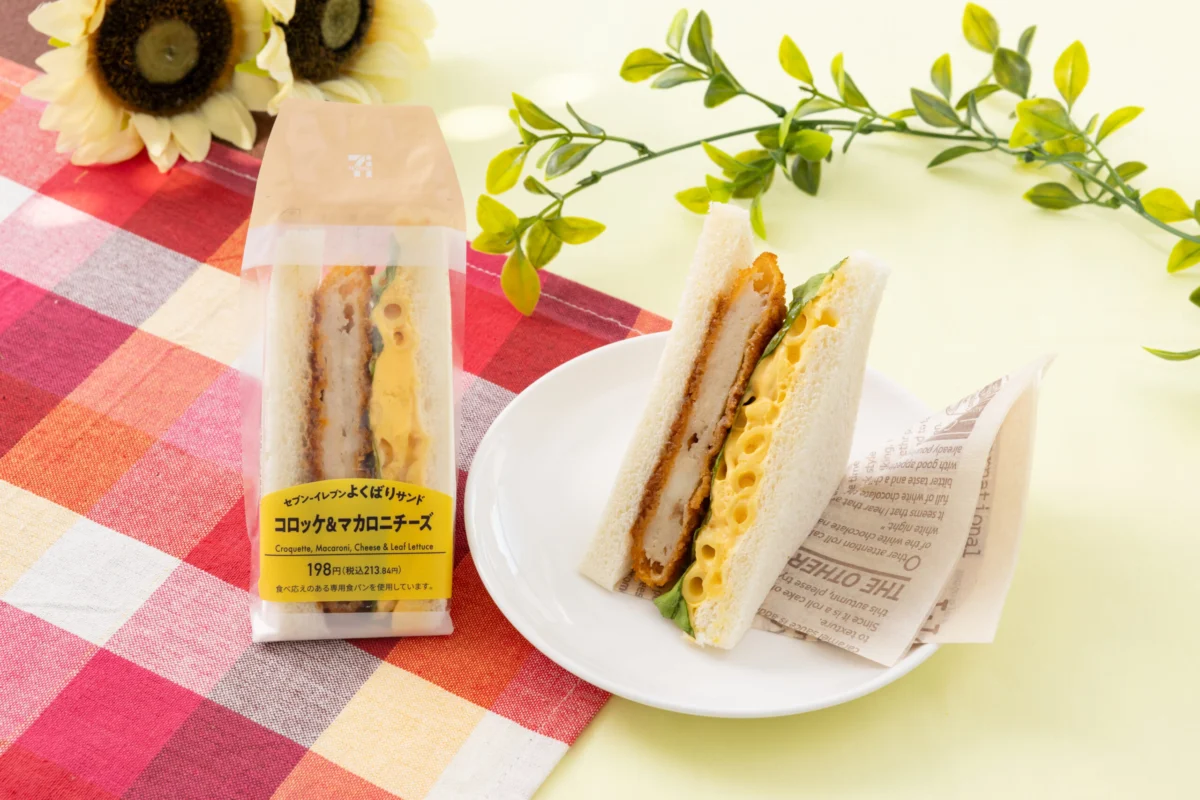
In the hyper-competitive landscape of Japanese convenience stores—or konbini—the sandwich is more than just a quick lunch; it is a battleground of engineering, aesthetics, and value. Recently, 7-Eleven Japan has pivoted its strategy, moving away from traditional multi-pack offerings toward a bold new vision: the "Yokubari Sando" or "Greedy Sandwich" series. With the launch of their latest innovation, the "Croquette, Macaroni Cheese & Leaf Lettuce" sandwich, the retail giant is signaling a fundamental shift in how they address consumer demands for satiety, quality, and transparency.
The Core Concept: Redefining the "One Piece" Experience
The "Yokubari Sando" (Greedy Sandwich) line, launched on March 13—coinciding with Japan’s commemorative "Sandwich Day"—represents a radical departure from the standard triangular, two-piece plastic-wrapped sandwiches that have defined the konbini experience for decades.
The philosophy behind this new series is simple: by focusing on a single, substantial portion rather than splitting the contents across two smaller slices, 7-Eleven can prioritize a high-density, "no-gap" filling experience. The newest addition to this lineup, the Croquette & Macaroni Cheese sandwich, is designed to be a heavy-hitter in the lunch category. It isn’t merely a snack; it is an engineered meal. By re-imagining the internal geometry of the croquette itself, 7-Eleven has ensured that the filling extends from the very first bite to the last, eliminating the dreaded "empty crust" syndrome that often plagues mass-produced sandwiches.
A Chronology of Change: From "Paper Tigers" to "Greedy" Gains
To understand the significance of the Yokubari Sando, one must look at the recent history of 7-Eleven Japan’s public perception.
The Era of Scrutiny (2020–2023)
For years, the retail giant faced a growing tide of consumer skepticism. Social media platforms, particularly X (formerly Twitter) and Instagram, became flooded with images of what netizens dubbed "paper tiger" sandwiches. These were products that appeared bountiful from the transparent front of the packaging, but revealed hollow, empty interiors once opened. The term "deceptive packaging" became a recurring narrative in Japanese consumer forums, forcing the chain to reconcile its cost-cutting measures with its brand reputation.
The Pivot (March 2026)
Recognizing that the "paper tiger" narrative was damaging long-term loyalty, 7-Eleven initiated a complete overhaul of its sandwich production line. The objective was clear: regain consumer trust through visual and physical honesty. The debut of the Yokubari Sando on March 13 was the tactical implementation of this new philosophy.
The Viral Success (April – May 2026)
The series gained immediate traction with the release of the "Chocolate Sprinkles and Whipped Cream" sandwich in April 2026. While unconventional, the sheer volume of filling and the unashamedly indulgent nature of the product went viral, proving that Japanese consumers were hungry for—and willing to pay for—a more substantial product.
The Current Milestone (May 27, 2026)
The upcoming launch of the Croquette & Macaroni Cheese variant on May 27 marks the stabilization of this strategy. It is no longer an experiment; it is a core business pillar aimed at capturing the lunch crowd that prioritizes comfort food and density over traditional, light deli-style options.
Engineering the Perfect Bite: Supporting Data and Development
The "Croquette, Macaroni Cheese & Leaf Lettuce" sandwich is not just a combination of ingredients; it is the result of a deliberate manufacturing redesign. 7-Eleven’s food technologists faced a significant challenge: how to keep a soft, creamy macaroni-and-cheese filling stable while pairing it with a crispy-style croquette.
The Geometry of the Croquette
Standard croquettes are often cylindrical or rounded, which creates voids in a square sandwich slice. For the Yokubari Sando, 7-Eleven developed a bespoke, flat-profile croquette. This proprietary shape allows for a uniform distribution of mass across the entire surface area of the bread.
Texture Synergy
The sandwich relies on a three-tier texture profile:
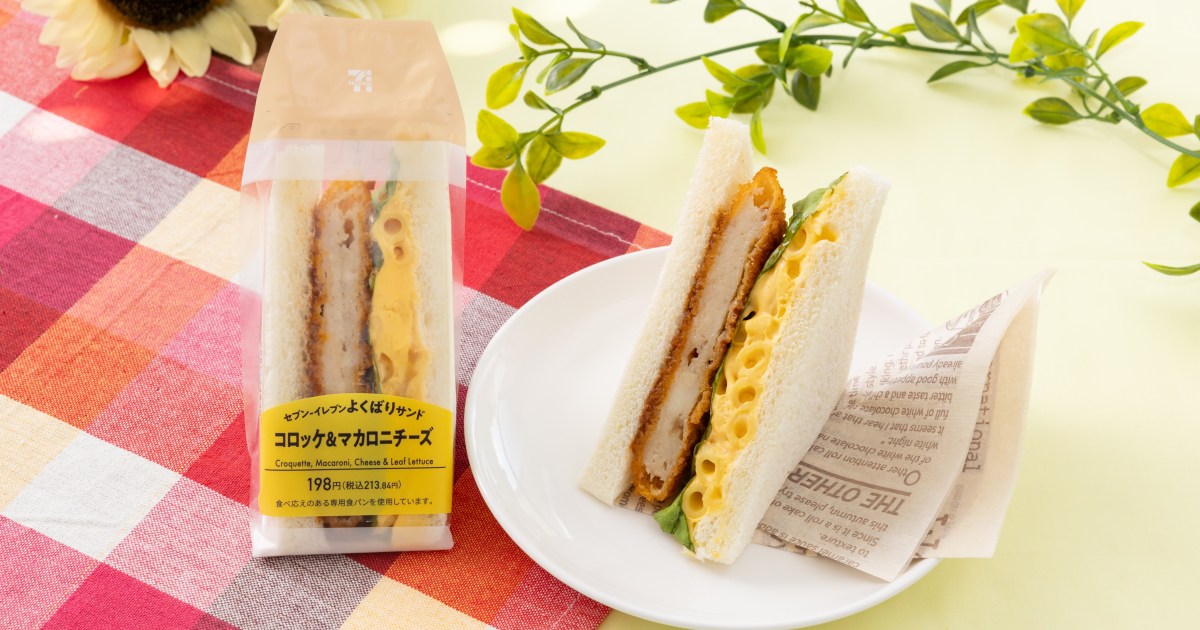
- The Foundation: Soft, high-moisture white bread, carefully sourced to prevent sogginess from the creamy mac-and-cheese.
- The Filling: A rich, savory béchamel-based macaroni and cheese that acts as a binder for the primary protein.
- The Crunch: The croquette, which provides the necessary textural contrast, bolstered by a layer of fresh, crisp leaf lettuce to cleanse the palate and provide a visual "freshness" indicator.
At a price point of 214 yen (approximately US$1.35), the product occupies the "value-premium" sweet spot. It is inexpensive enough for a daily purchase, yet substantial enough to serve as a standalone lunch, a critical metric for the salaryman and student demographics.
Official Responses and Corporate Strategy
7-Eleven’s official messaging surrounding the Yokubari Sando series has been characterized by a focus on "satiety" and "exquisite combination." In press statements, the company has emphasized that the design is a direct response to consumer feedback regarding their desire for "filling-first" products.
By shifting the marketing focus toward the term "Yokubari" (Greedy), the brand is leaning into a self-aware, almost playful tone. It acknowledges that the customer wants more—more cheese, more protein, and more satisfaction. This shift from "efficiency" to "excess" is a bold play in a market that has historically prized minimalism.
Furthermore, the decision to market these as "one-piece" sandwiches allows for better inventory management and waste reduction. By focusing on a single, high-quality portion, the company can streamline its supply chain and ensure that the items remain fresh in the display case, as the structural integrity of the sandwich is maintained better than in the previous two-piece formats.
Broader Implications for the Konbini Industry
The success of the "Greedy Sandwich" series has sent ripples through the Japanese convenience store sector. It raises several questions about the future of fast-casual retail:
1. The Death of Deceptive Packaging?
If 7-Eleven continues to see success with the Yokubari Sando, competitors like Lawson and FamilyMart will likely be forced to follow suit. The industry is currently witnessing a transition where transparency is becoming a competitive advantage rather than a liability. The "paper tiger" era may soon be viewed as a relic of a time when retailers underestimated the power of social media to mobilize consumer opinion.
2. The Return of Comfort Food
In a post-pandemic economic environment, consumers are increasingly seeking "affordable luxury" and comfort. High-calorie, high-satiety items like macaroni-and-cheese croquettes satisfy a psychological craving for indulgence. The success of this trend suggests that the "health-conscious" era of the mid-2010s is being balanced by a demand for heartier, more emotionally satisfying food.
3. Supply Chain Versatility
The move to custom-shaped fillings (like the flattened croquette) indicates a shift toward more specialized food processing. As robots and automated assembly lines become more common in konbini kitchens, the ability to produce complex, multi-textured, and uniquely shaped sandwiches will likely become the new standard.
Conclusion: A Sign of Things to Come
The "Croquette, Macaroni Cheese & Leaf Lettuce" sandwich is more than a fleeting viral trend; it is a manifestation of 7-Eleven’s commitment to evolving with its customer base. By addressing the criticisms of the past with a product that delivers on its promises—both visually and gastronomically—the chain has managed to turn a potential PR crisis into a winning business model.
As of late May 2026, the industry is watching closely. If the "Greedy" range continues to sell out, it will confirm that the modern consumer values the substance of their purchase above all else. For those in Japan, the next trip to the local 7-Eleven is no longer just a routine errand; it is a chance to participate in the ongoing evolution of the modern sandwich. Whether you are a fan of traditional Japanese deli fare or a seeker of the latest viral sensation, the Yokubari Sando is a reminder that in the world of convenience food, sometimes, it really is better to be a little greedy.












No comments yet. Be the first to join the conversation!