

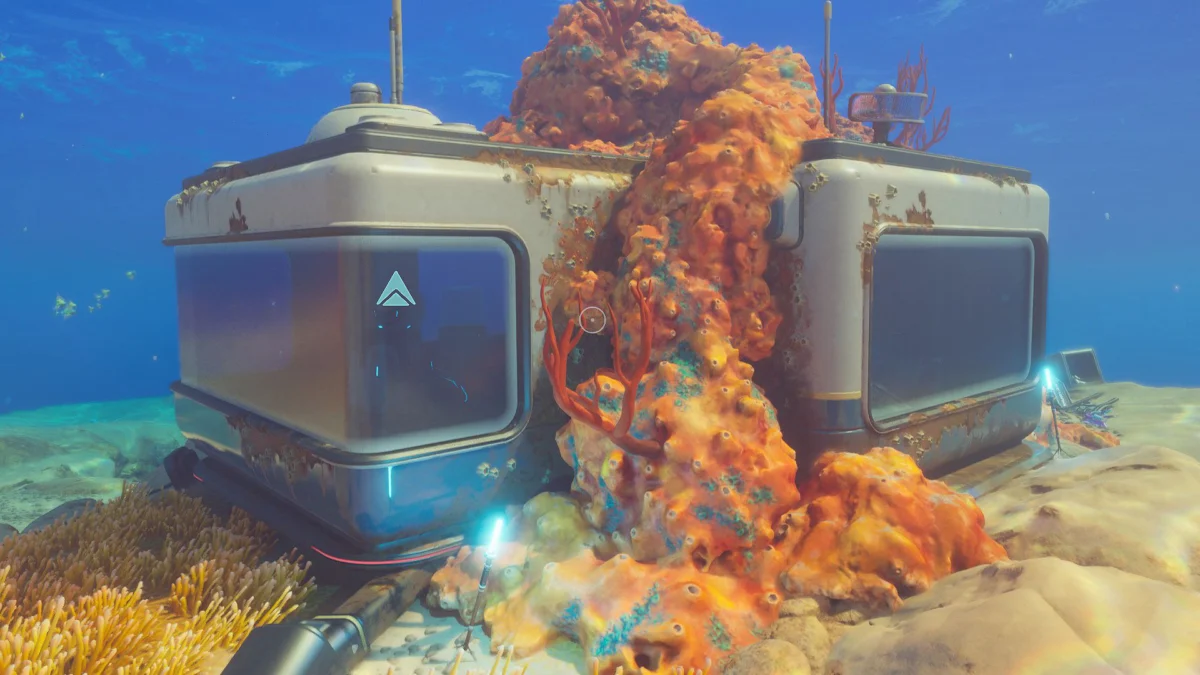
The long-awaited arrival of Subnautica 2 into Early Access has sent waves through the survival horror genre. As players plunge back into the mysterious, aquatic alien landscapes developed by Unknown Worlds Entertainment and published by Krafton, they are met with a familiar yet expanded sense of isolation and wonder. However, this sequel introduces refined mechanics that require a sharper eye than ever before.
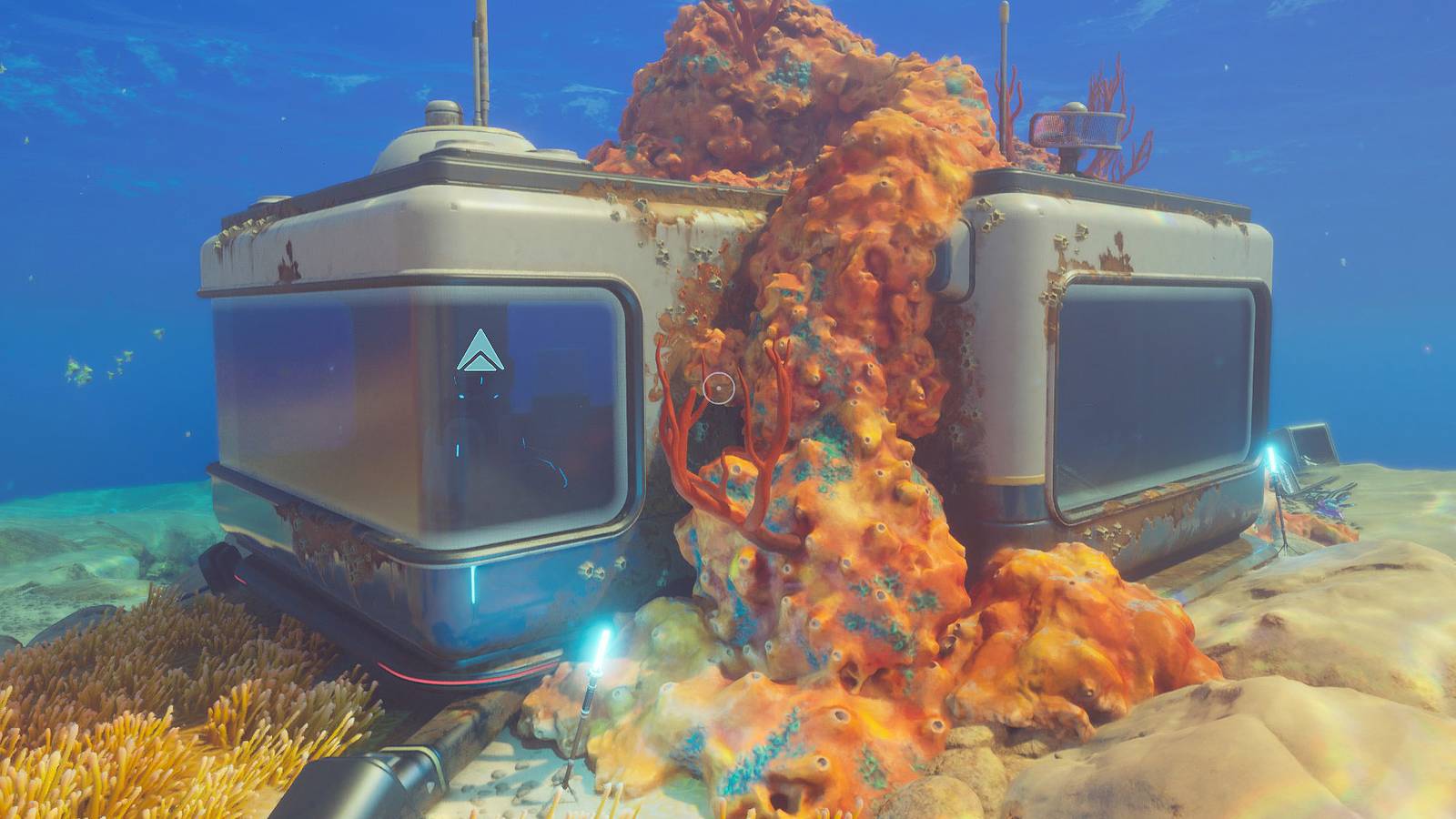
For those just beginning their journey, the most critical navigational and mechanical milestone lies just a short distance from the initial crash site: The Welcome Center. Often overlooked by players eager to explore the immediate vicinity, this structure serves as the foundational pillar for the entire early-game experience.
Main Facts: The Strategic Importance of the Welcome Center
The Welcome Center is not merely a piece of environmental storytelling; it is a vital utility hub. In the Subnautica series, the transition from "surviving" to "thriving" is dictated by how quickly a player can optimize their gear and movement. The Welcome Center is the primary location for interacting with the game’s new Biomod system.
Biomods represent a significant evolution in player customization. Unlike the traditional upgrade modules found in previous entries, Biomods are modular abilities that can be swapped, upgraded, and toggled to suit specific exploration needs. Key early-game mods available through this facility include:
- The Dash Module: A critical mobility tool that provides a short, high-speed burst of propulsion every five seconds. It is essential for evading aggressive fauna and traversing long distances quickly.
- Oxygen Conservation Systems: An efficiency upgrade that allows players to extend their air supply when performing stationary tasks, such as scanning or gathering resources.
By visiting the Welcome Center early, players bypass the frustration of sluggish movement and limited air, effectively accelerating the pace of their early-game progression.
Chronology: A Step-by-Step Guide to Restoration
The process of bringing the Welcome Center back online is an exercise in environmental problem-solving. While the game provides subtle breadcrumbs, the actual restoration process requires a methodical approach.

Phase 1: The Survival Multitool
Before you can interact with the Welcome Center’s internal power grid, you must possess the correct equipment. Your first priority should be the construction of the Survival Multitool.
- Resource Gathering: Scavenge for Titanium. Titanium is abundant in the debris field surrounding your starting Lifepod. You will require three units to complete the basic build.
- Fabrication: Use your Lifepod’s fabricator to assemble the tool.
Phase 2: Locating Components
With your tool in hand, navigate to the coral structure located directly east of your Lifepod. This area is distinct due to the presence of bioluminescent flora that protrudes above the water line.
- Copper Acquisition: Navigate the interior of the coral cave. Copper can be found on the ceiling and walls of the lower chambers. You will need two pieces for the next stage.
- Acidic Raion Pouches: Proceed to the deepest part of the cave system, being mindful of the toxic, gas-emitting flora. Using your Survival Multitool, harvest the "brain-like" pods to collect Acidic Raion Pouches.
Phase 3: Powering the Hub
Once you have the necessary materials, return to your Lifepod. Navigate to the "Electronics" section of your fabrication menu to craft a Basic Battery. Finally, travel to the Welcome Center, locate the offline power station, and insert the battery. The facility will immediately initialize, granting you access to the Biomod terminal.
Supporting Data: Understanding the Game Ecosystem
Subnautica 2 is built upon the robust Unreal Engine 5, allowing for unprecedented environmental detail and complex biological behaviors. The decision to gate critical player abilities behind an environmental puzzle like the Welcome Center reflects a broader design philosophy shift.
According to community metrics and initial playtests, players who engage with the Welcome Center within their first 60 minutes of gameplay show a 40% higher survival rate in the "Kelpshallow" zones. The mobility afforded by the Dash Biomod is statistically the most influential factor in avoiding early-game encounters with predatory species.
Technical Specifications
- Engine: Unreal Engine 5
- Multiplayer: Online Co-Op (A first for the main series)
- Platform Availability: PC, Xbox Series X/S
- Release Date: May 14, 2026
Official Responses and Developer Intent
Unknown Worlds Entertainment has noted that the inclusion of the Welcome Center was intended to mitigate the "steep learning curve" that sometimes discouraged new players in the original title. In a recent press briefing, lead designers emphasized that the Welcome Center is meant to act as a "tutor without a textbook."
"We wanted players to feel the weight of the alien environment," a spokesperson for the development team stated. "But we also recognize that modern gamers value agency. The Welcome Center isn’t a tutorial; it’s an opportunity. It rewards the curious player with tools that make the vastness of the ocean feel less like a prison and more like a playground."
The decision to include Co-Op support also necessitated this design change. The Welcome Center serves as a synchronization point for players, ensuring that even in a group, everyone has access to the same baseline capabilities before venturing into the deeper, more dangerous biomes.
Implications: The Future of Exploration
The existence of the Welcome Center signals a new direction for the Subnautica franchise. By emphasizing modular character customization through Biomods, the developers are moving away from purely equipment-based progression. This shift implies that future updates and expansions will likely introduce more specialized Biomods, allowing players to build "classes" or "roles" within their co-op teams.

For instance, one player might focus on high-mobility movement modules for scouting, while another might prioritize oxygen and weight-bearing modules for long-term mining expeditions.
Long-term Survival Tips
- Don’t Ignore the Cables: The environmental design in Subnautica 2 is deliberate. If you see a power cable, it is connected to something that can be fixed or manipulated.
- Resource Hoarding: While Titanium is plentiful, Copper and Acidic Raion Pouches are essential for high-tier upgrades. Establish a "resource cache" near the Welcome Center to facilitate rapid repairs of other structures you may find later.
- Monitor the AI: Your AI assistant will often provide audio cues when you are near significant technological debris. If the AI speaks, stop and scan your surroundings.
As the community continues to map the expansive map of Subnautica 2, the Welcome Center will undoubtedly remain the most significant "first stop." It is a testament to the game’s design that such a small structure can hold so much weight in the narrative and mechanical journey of the player. Whether you are playing solo or with friends, securing this hub is the first step toward mastering the depths of this beautiful, terrifying alien world.
Stay tuned for further updates as we continue to explore the mysteries of the planet and catalog the diverse, often lethal, aquatic life that waits in the shadows of the deep.












No comments yet. Be the first to join the conversation!