Suro Senen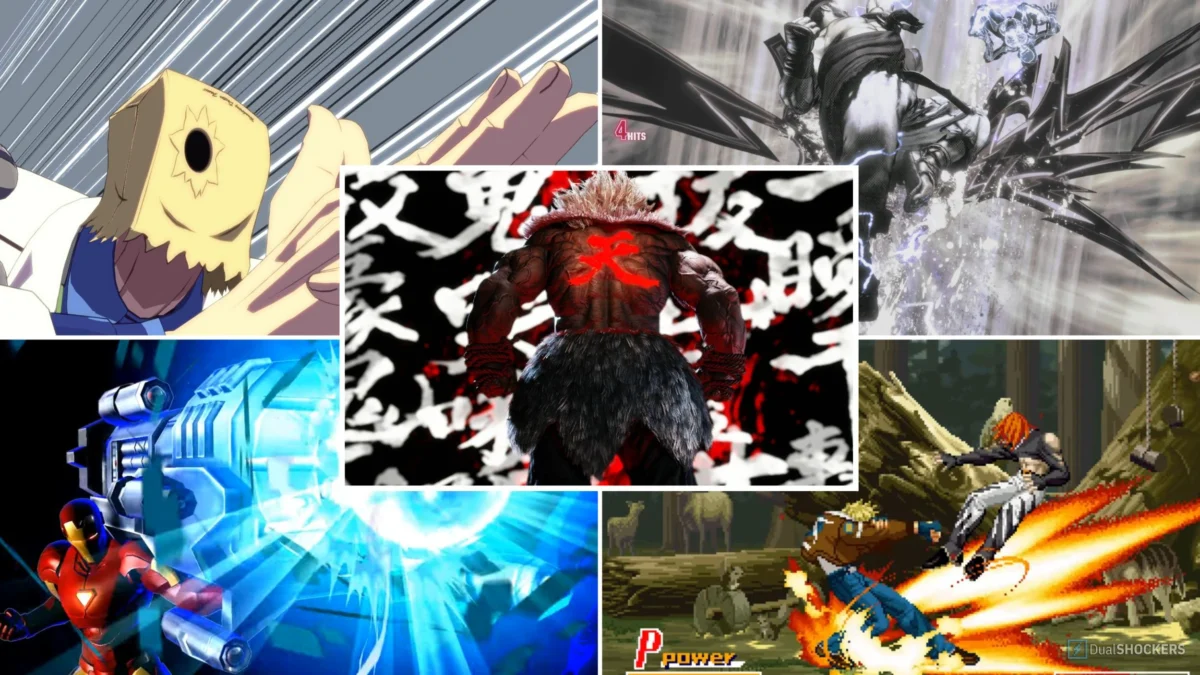
Fighting games, at their core, are a delicate balance of intricate mechanics and captivating presentation. While the gameplay itself—the timing, the strategy, the execution—forms the bedrock, it’s the visual spectacle and visceral impact that truly elevate the experience. Nowhere is this fusion more potent than in the realm of super moves, often referred to as hyper combos, level 3s, or ultimate attacks. These powerful, meter-consuming maneuvers are not merely damage dealers; they are narrative climaxes, moments of pure spectacle, and often, the very sparks that ignite the most electrifying cheers from the crowd.
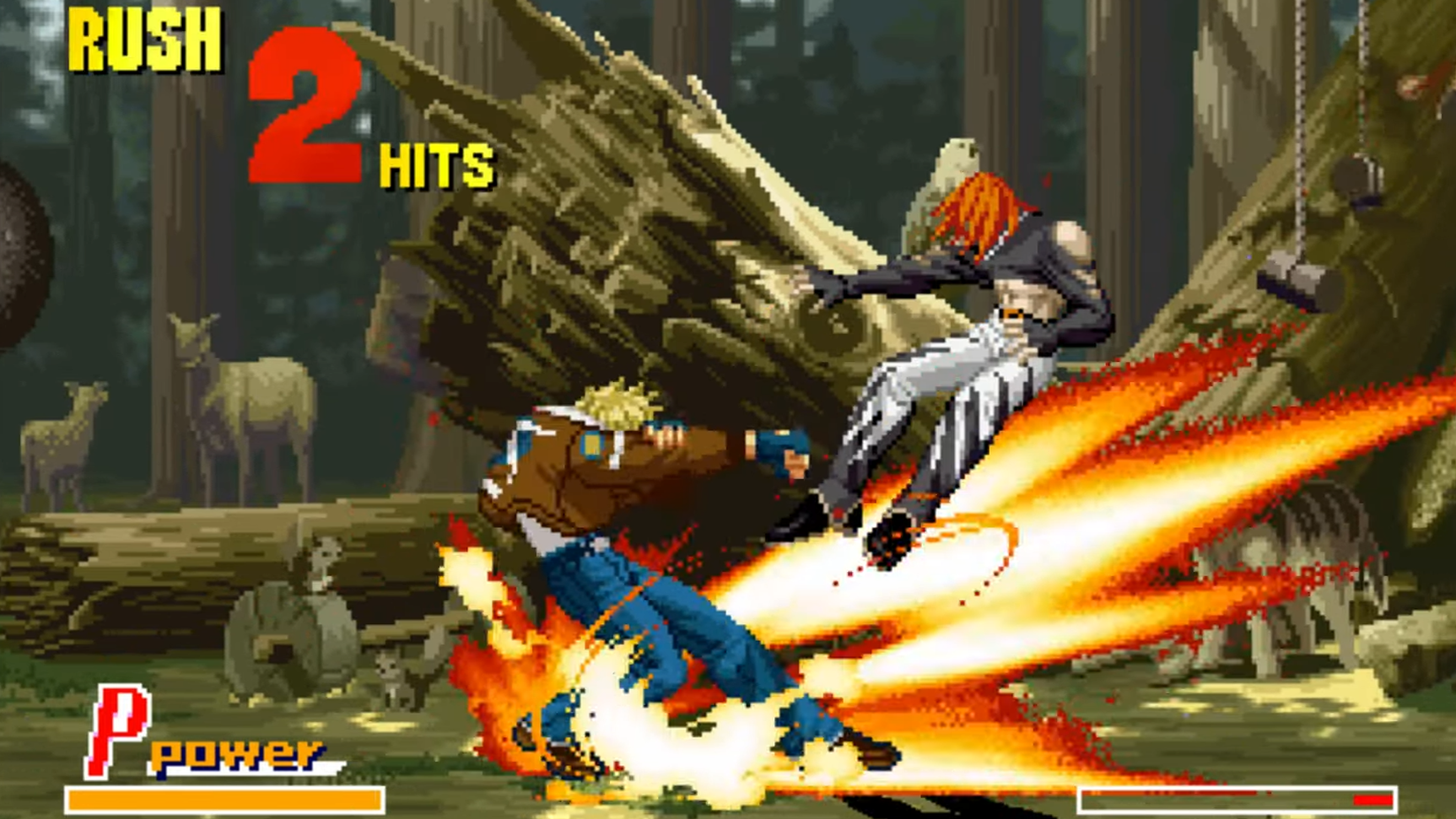
The concept of super moves in fighting games is surprisingly recent, with their introduction widely credited to 1992’s Art of Fighting. This groundbreaking title not only introduced the super meter but also the cinematic super moves that would become a staple of the genre. Since then, these devastating techniques have evolved into a crucial element of a fighting game’s identity, offering players a chance to unleash devastating combos, turn the tide of battle, and create unforgettable moments that echo through the halls of fighting game history.
This article delves into some of the most iconic and impactful super moves to grace the fighting game landscape. We’ll explore their origins, their evolution, and the sheer spectacle that makes them so beloved by fans worldwide.
The Genesis of Ultimate Power: A Brief History
Before the advent of super moves, fighting games relied on a more grounded approach to combat. While special moves offered tactical advantages, there was a distinct lack of the ultimate, game-changing attacks that we see today. Art of Fighting changed that paradigm by introducing the concept of a depleting "super meter" that players could fill through offensive actions. Once charged, this meter could be expended to unleash devastating super moves, adding a new layer of strategic depth and visual flair.
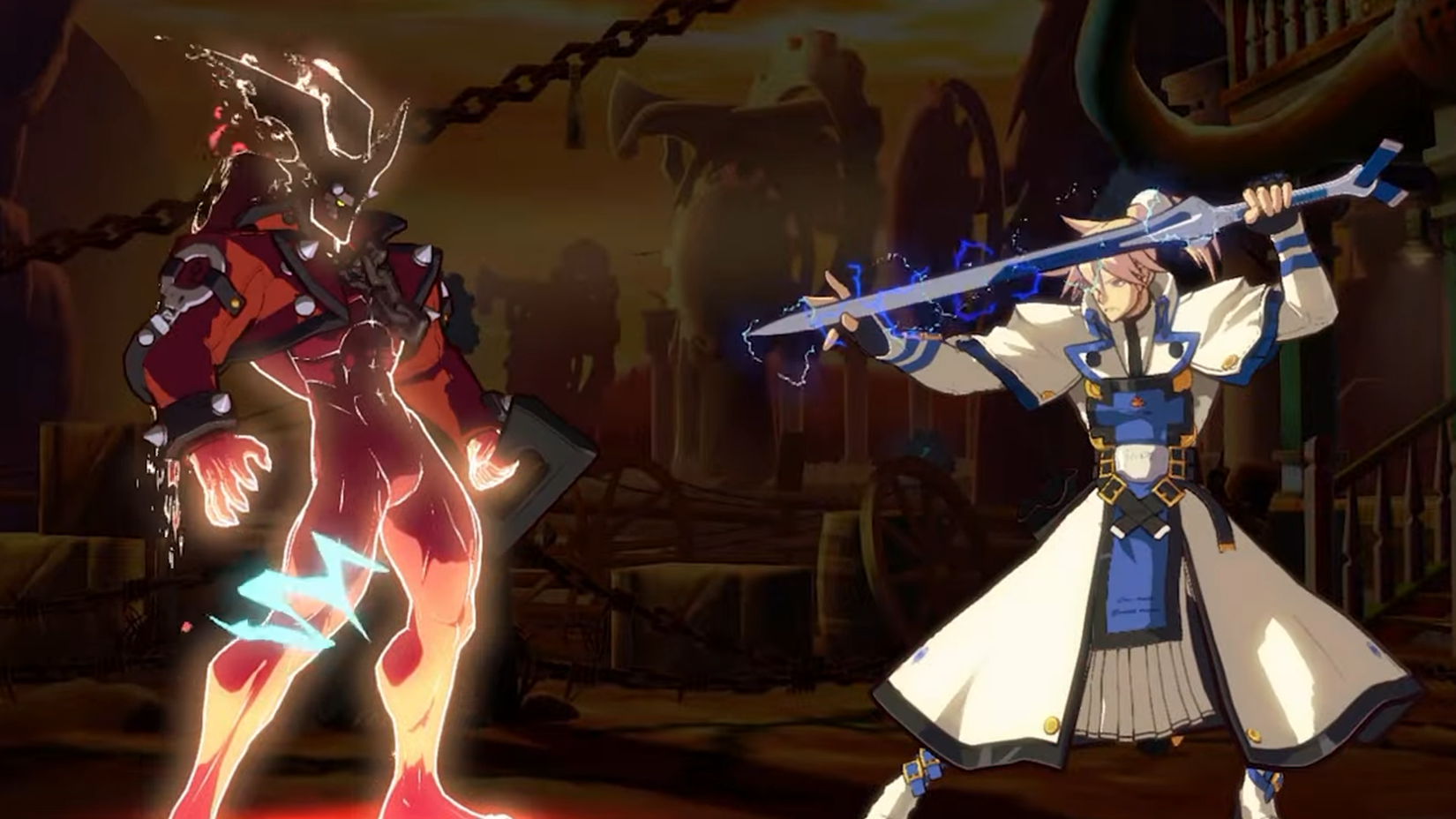
This innovation quickly caught on, and subsequent fighting games began to incorporate their own unique takes on super moves. From the explosive energy blasts of Dragon Ball Z: Hyper Dimension to the intricate combo chains of Guilty Gear, developers consistently sought to push the boundaries of what was possible, creating visually stunning and mechanically significant ultimate attacks.
A Pantheon of Power: Examining Iconic Super Moves
The fighting game genre is rich with memorable characters, each boasting a unique arsenal. However, some special moves transcend mere gameplay mechanics to become cultural touchstones. Here, we celebrate ten of the most iconic super moves that have left an indelible mark on the FGC (Fighting Game Community):

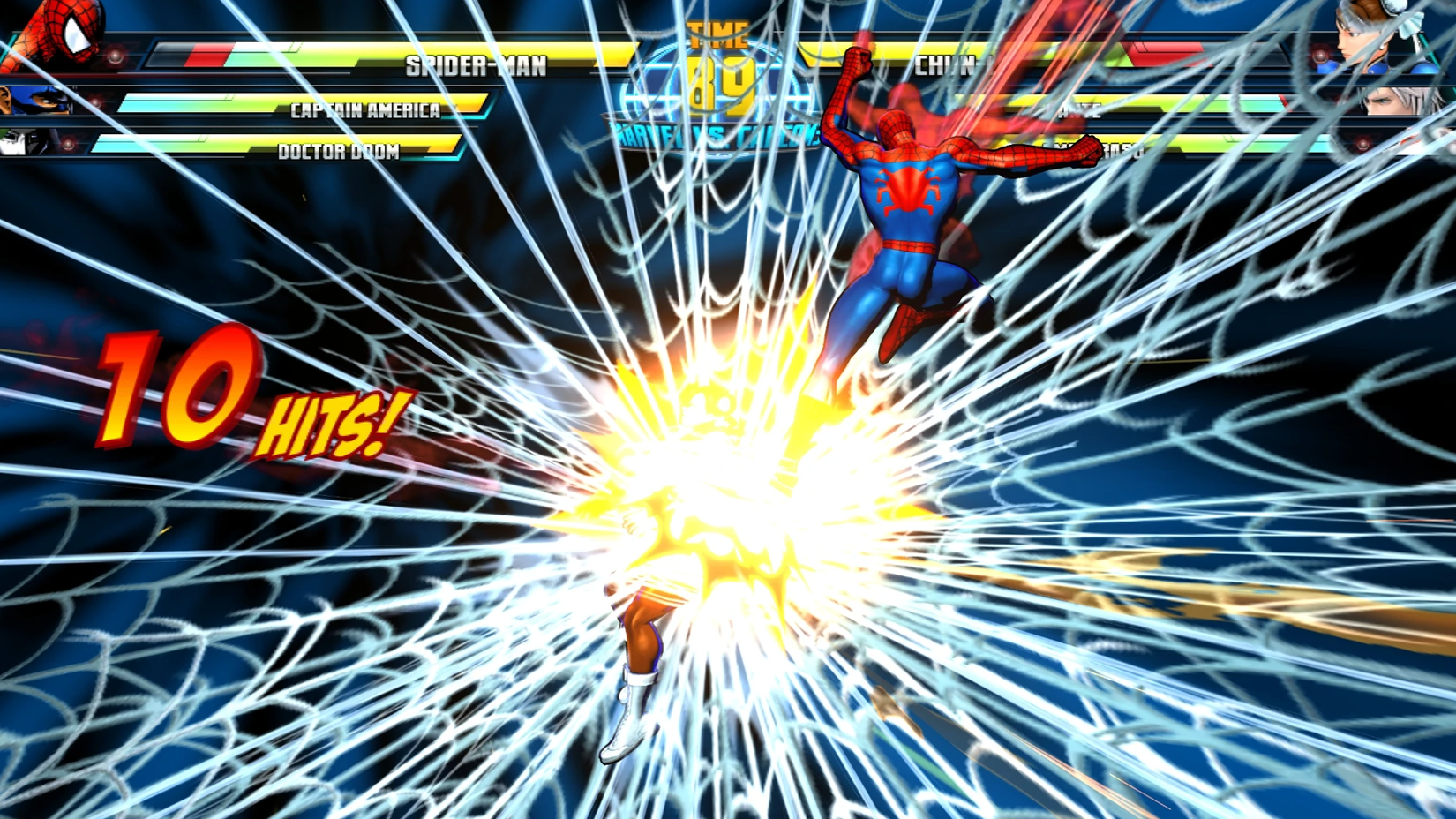
10. Spider-Man’s Maximum Spider (Marvel vs. Capcom Series)
For many, Spider-Man represents the quintessential superhero. His agility, web-slinging prowess, and unwavering sense of justice have captivated audiences for generations. In the Marvel vs. Capcom series, this translates into a super move that perfectly encapsulates his acrobatic style: the Maximum Spider.
First appearing in Marvel Super Heroes and consistently featured in his subsequent Marvel vs. Capcom appearances, Maximum Spider is a swift and decisive assault. Spider-Man launches himself off the nearest wall, ensnaring his opponent in a rapid-fire barrage of punches and kicks, culminating in a powerful diving kick. It’s a visually dynamic move that showcases Spider-Man’s speed and combat expertise.
A fascinating anecdote from the original Spider-Verse comic run highlights the move’s cultural impact. In the story, a Capcom iteration of Spider-Man confronts the villainous Morlun. While his attempt to use Maximum Spider proves futile against the powerful foe, the reference itself was a delightful nod to fans.
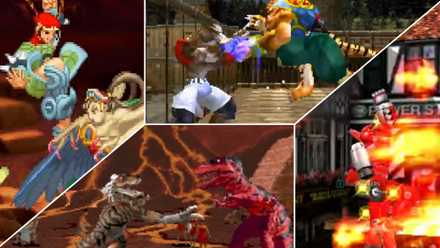
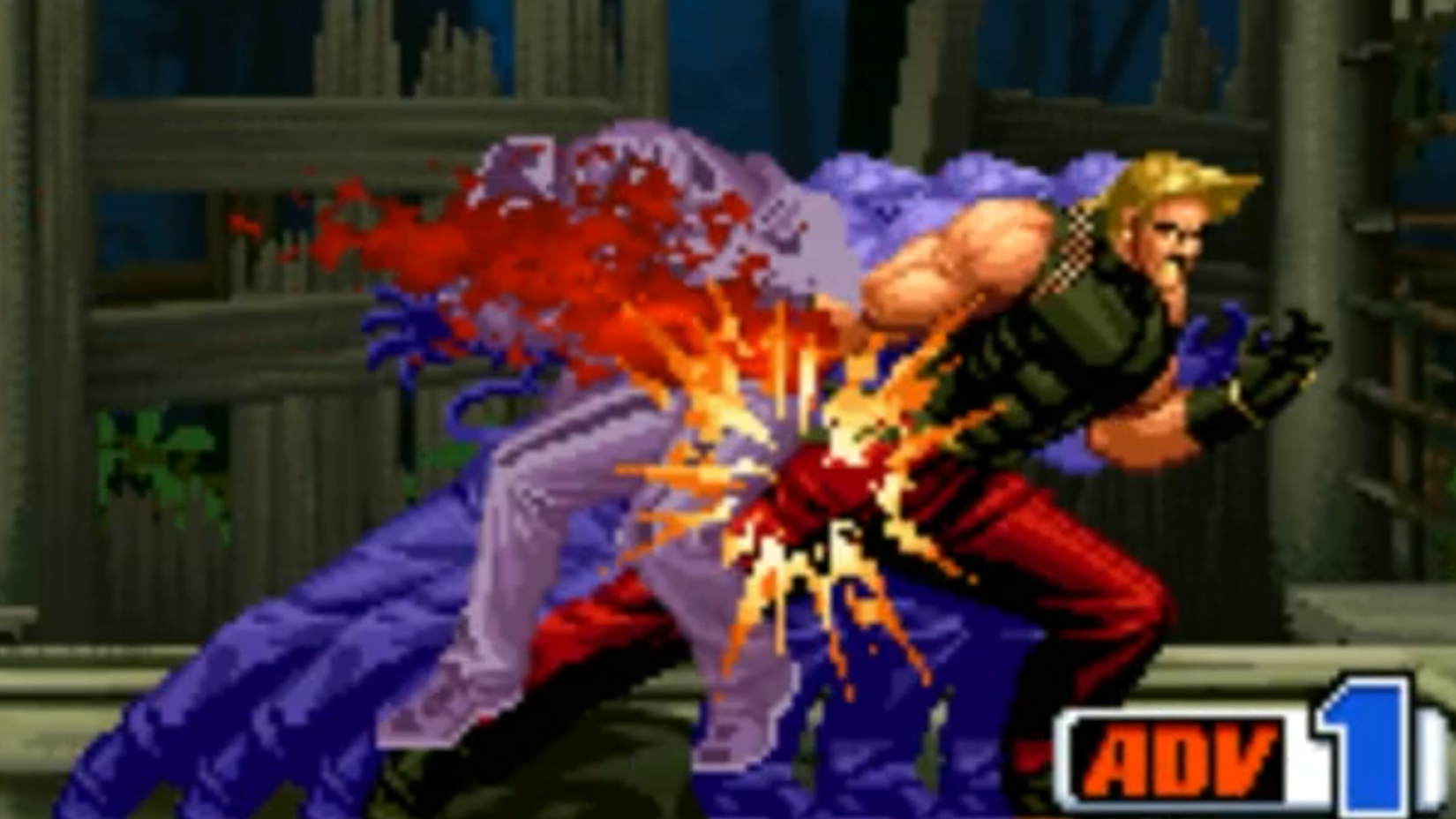
9. Rugal Bernstein’s Gigantic Pressure (King of Fighters Series)
Rugal Bernstein stands as a formidable and enduring antagonist within the King of Fighters franchise. Whether in his standard form or as a monstrous entity, Rugal’s power is undeniable. One of his most terrifying signature moves, Gigantic Pressure, first made its menacing debut in The King of Fighters ’95.
Gigantic Pressure is an enhanced version of his original special move, God Press. In this devastating attack, Rugal slides across the screen with incredible speed, grabs his opponent, drags them to the far wall, and then slams them into the ground. The "Gigantic" aspect comes from the colossal pillar of energy that erupts from the impact, often bearing a skull-like visage, leaving a truly terrifying impression. Later iterations of the move in subsequent games added an extra wall-slam, further amplifying its destructive potential and its ability to deplete a significant portion of an opponent’s health.
An interesting detail from The King of Fighters 2003 reveals that Rugal’s son, Adelheid, utilizes a similar move called G. Sklaven, which is reportedly German for "G. Slaves." Regardless of the etymology, the visual impact remains striking.
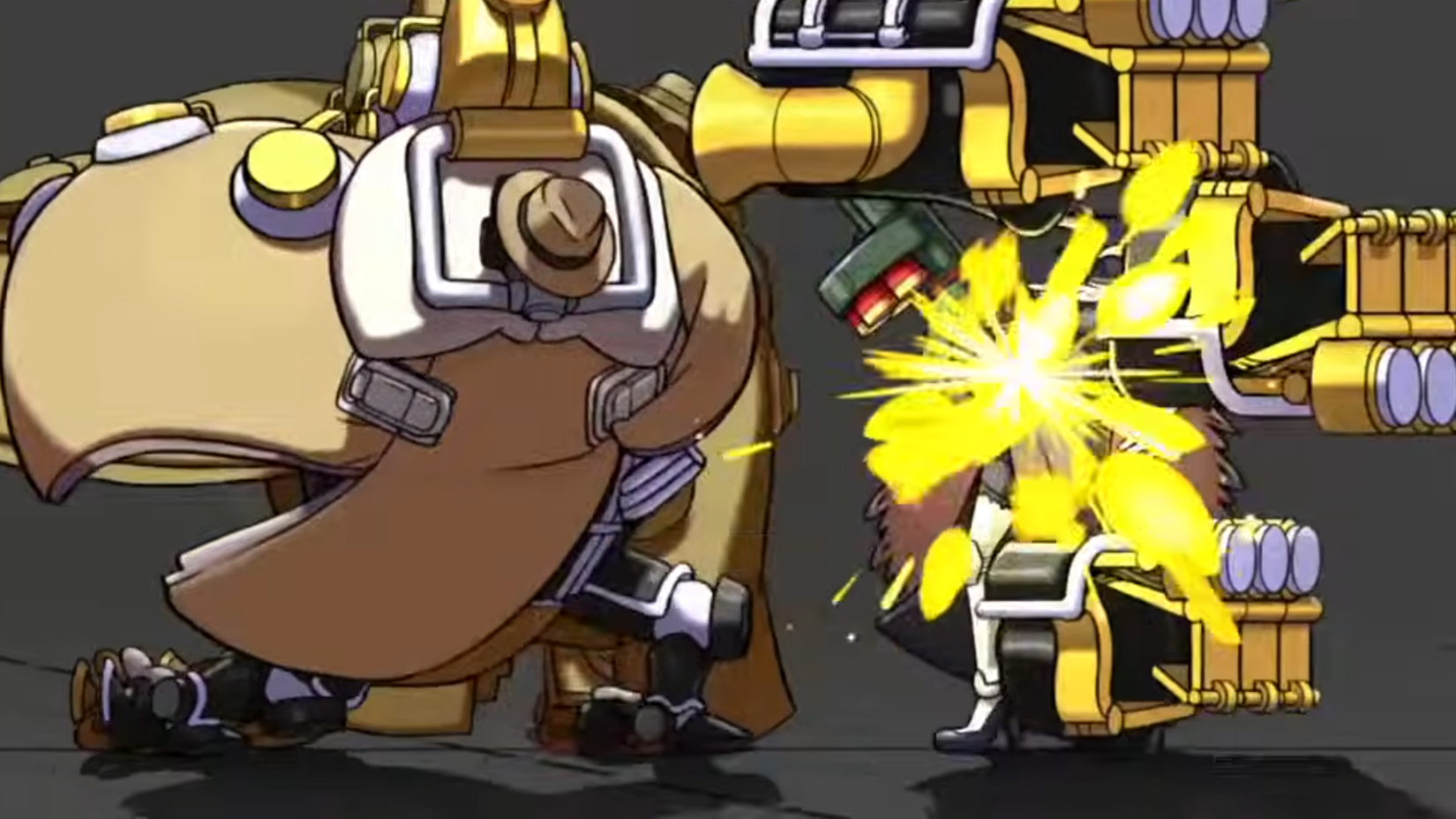
8. Big Band’s Satchmo Solo and Death Blow (Skullgirls)
Skullgirls, from its very inception, has been a love letter to fighting games and the vibrant FGC. It’s a game that revels in the over-the-top spectacle that fans adore. Among its many flashy super moves, Big Band’s Level 5 Blockbuster, the Satchmo Solo, stands out as a masterclass in stylish aggression.
The Satchmo Solo begins with a world-stopping effect, leaving only Big Band and his trusty trumpet in play. The player then has a unique opportunity to control the trumpet’s notes using the regular inputs, creating a personalized musical interlude. This extended solo offers ample time to taunt and disrespect opponents with a jaunty, sarcastic tune.
However, the true crescendo arrives with the transition to the Satchmo Death Blow. This is triggered by an additional input, unleashing a bone-shattering flurry of brass-backed punches. While technically sharing roots with the TUBA TUBA move, the sheer impact of these blows can shave off half of a solo character’s health bar, a formidable feat in a game where fewer characters equate to greater individual health.
7. Faust’s Stimulating Fists of Annihilation (Guilty Gear Series)
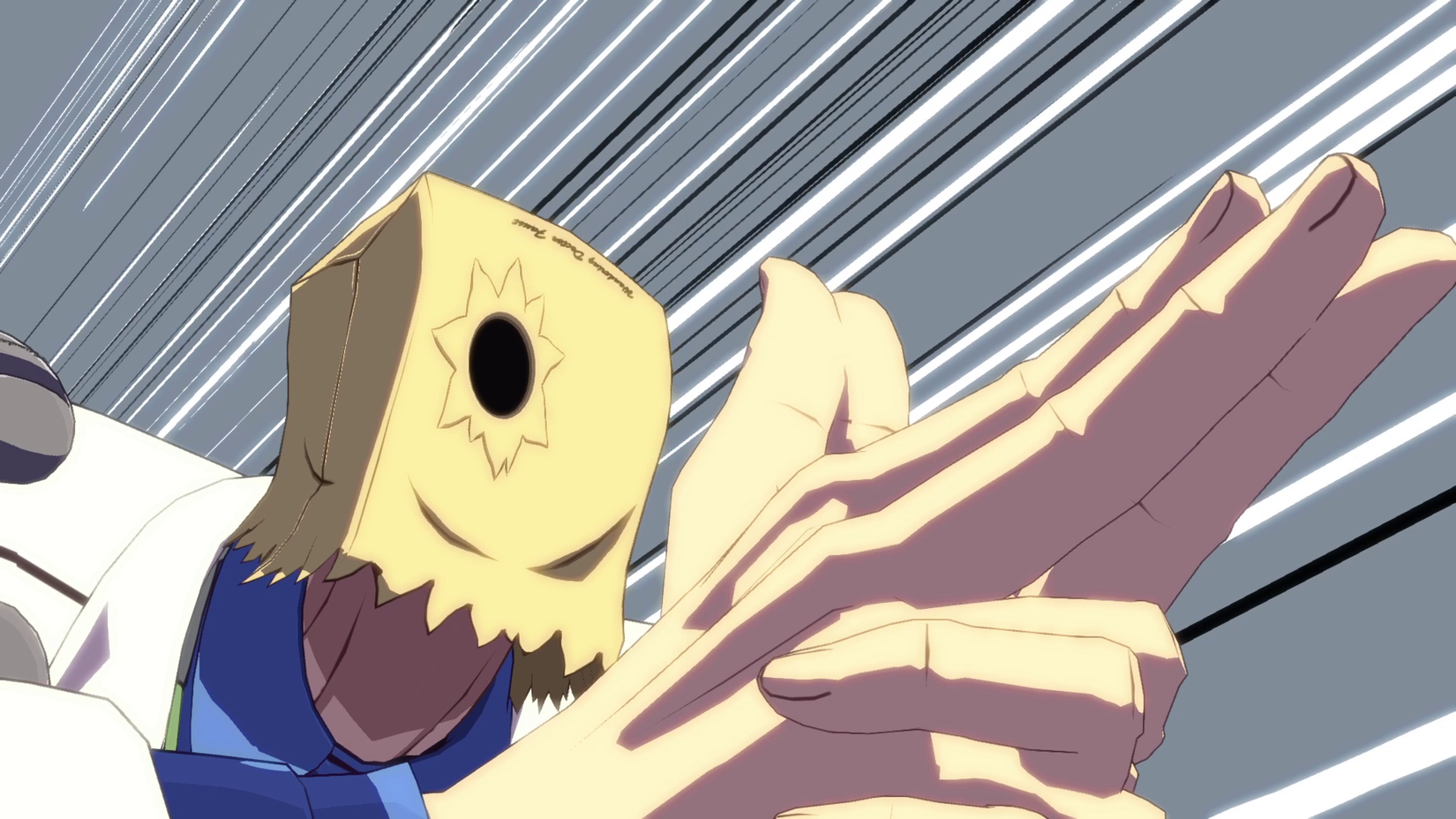
Every fighting game roster needs its eccentric character, someone who breaks the mold of traditional martial arts with quirky, unpredictable antics. In the Guilty Gear series, that role is undeniably filled by Faust, and no move better embodies his reality-bending wackiness than his Stimulating Fists of Annihilation.
First introduced in Guilty Gear X, this move sees Faust seemingly swimming through the ground before emerging to confront his opponent. What follows is a bizarre, impromptu shell game involving three reapers and a cherub. The opponent must correctly identify the cherub to cancel the move. Failure to do so results in Faust impaling them with his oversized scalpel.
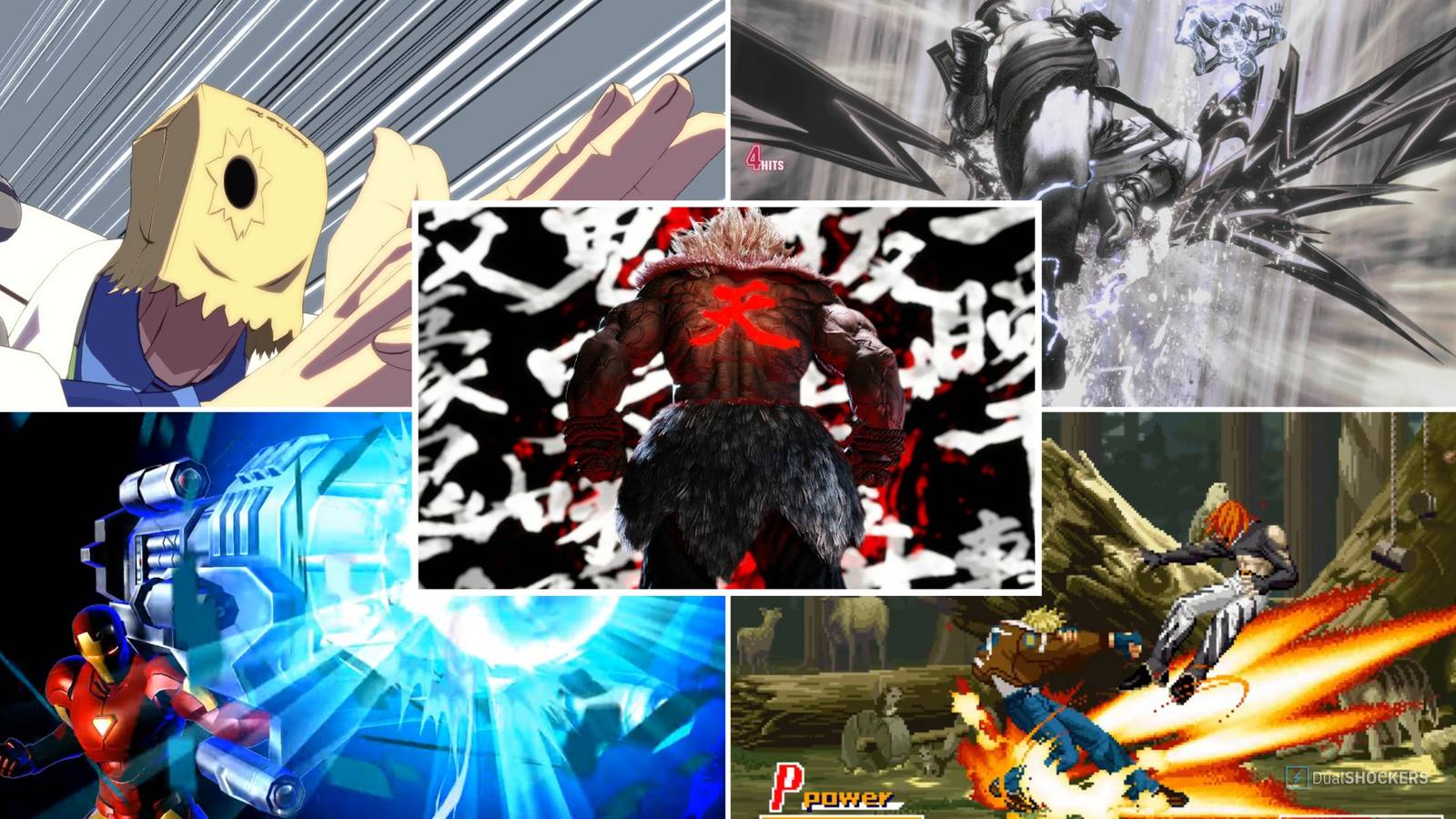
Guilty Gear Xrd: Sign refined the presentation, replacing the scalpel with Faust’s fingers and an implied "One Thousand Years of Death" attack, a clear nod to the Naruto series. This visually striking and comically disturbing move cemented Faust’s status as a truly unique fighter.
6. Iron Man’s Proton Cannon (Marvel vs. Capcom Series)
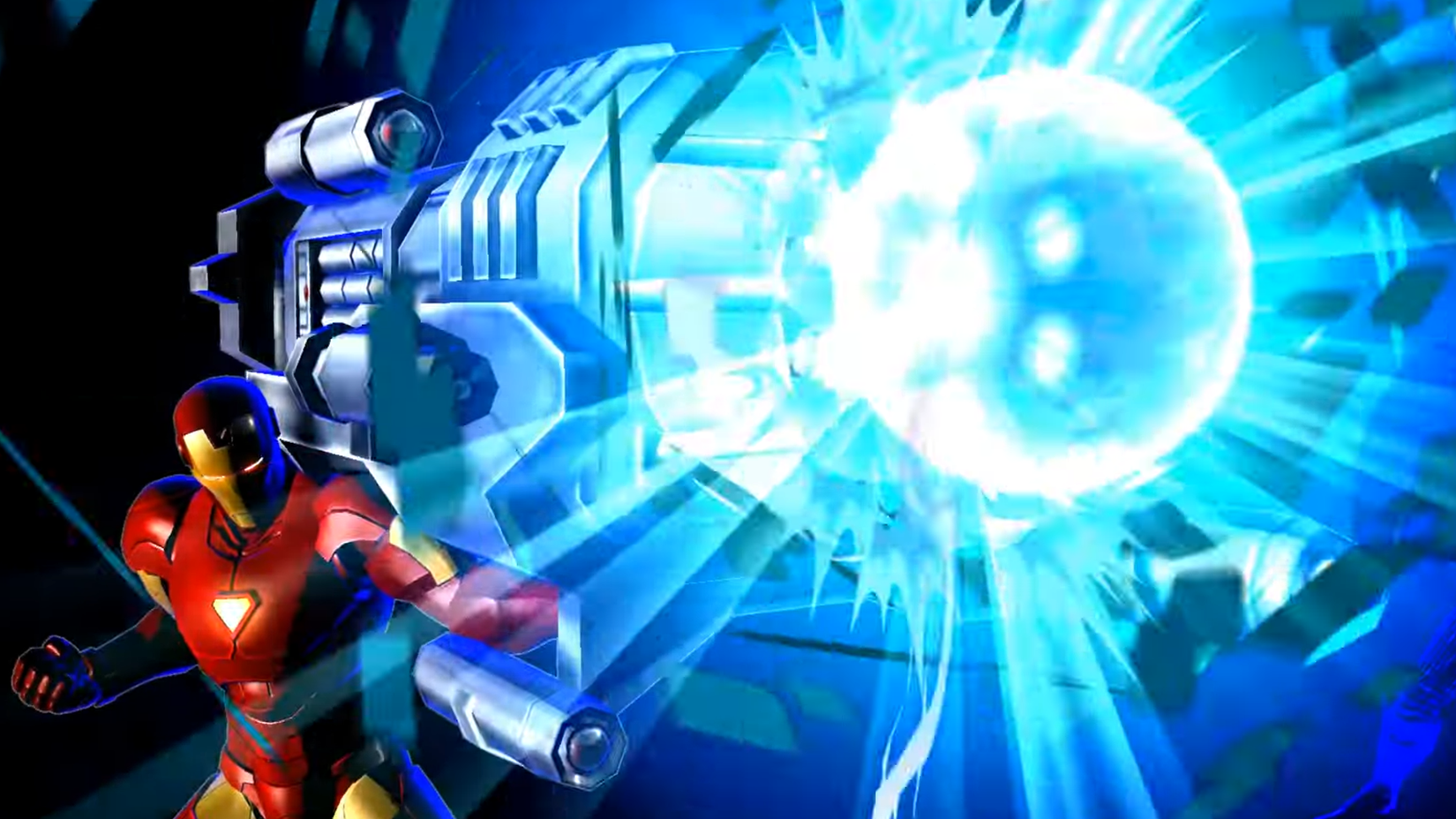
Iron Man, the Armored Avenger, is synonymous with advanced technology and devastating weaponry. In the Marvel vs. Capcom series, his signature Proton Cannon has become a fan-favorite super move, a testament to his formidable offensive capabilities.
This iconic beam super was a staple in Marvel Super Heroes and has been a consistent feature across all Marvel vs. Capcom titles. The move sees Iron Man deploy an enormous laser cannon, significantly larger than himself, and unleash a sweeping barrage of energy that covers a substantial portion of the screen. Its quick setup and the sheer visual impact of a giant laser cannon make it a universally appreciated attack.
A notable variation appeared in Marvel vs. Capcom 3, offering Iron Man the ability to angle the Proton Cannon upwards, transforming it into a potent anti-air maneuver. This evolution demonstrated how developers could subtly enhance established moves while retaining their core appeal.
5. Dio Brando’s Time Stop and Road Roller (JoJo’s Bizarre Adventure: Heritage for the Future)
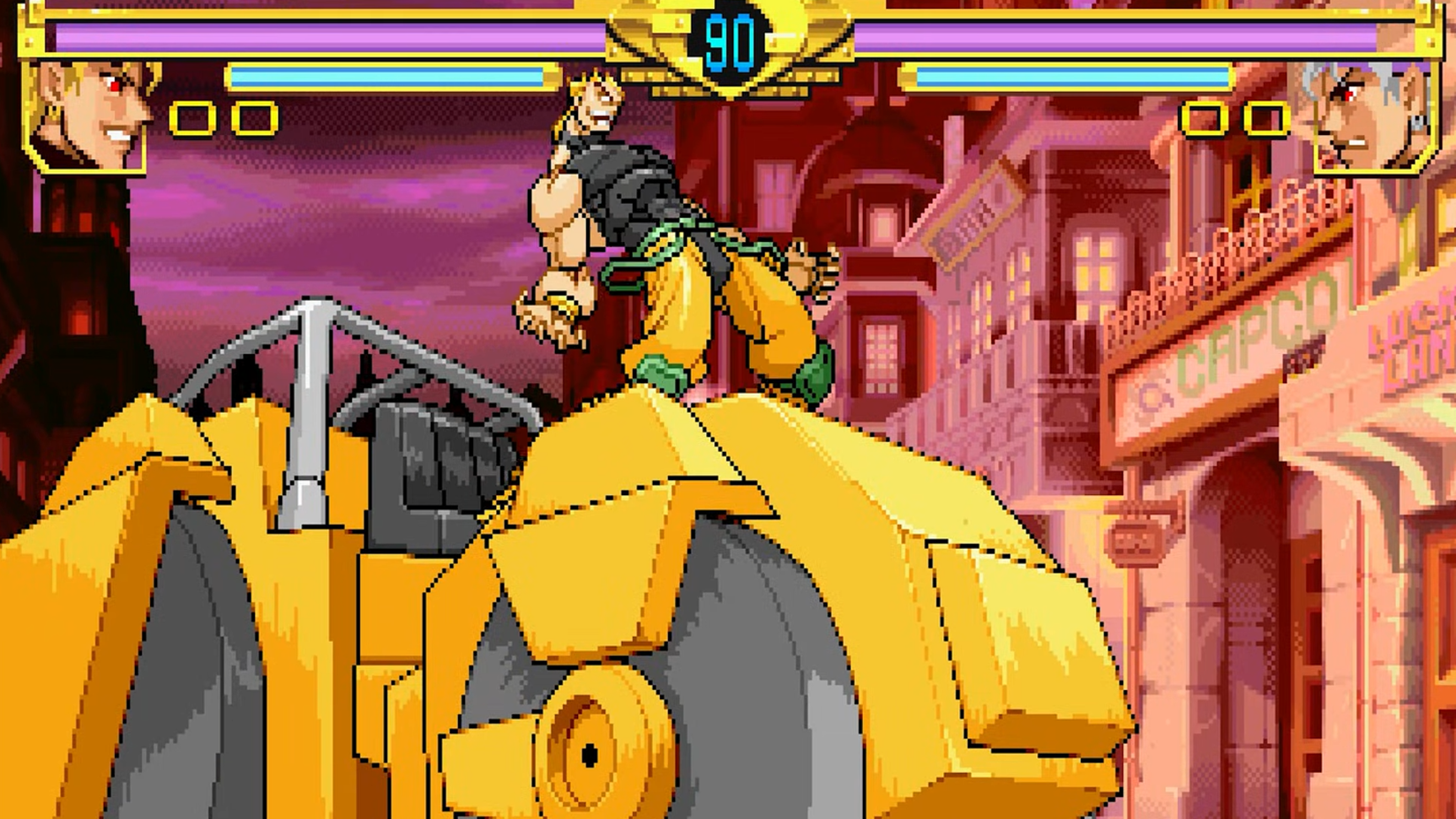
JoJo’s Bizarre Adventure has exploded in popularity, but in the late 1990s, it remained a niche cult hit in the West. For those who discovered the series through Capcom’s arcade classic Heritage for the Future, the introduction to the iconic villain Dio Brando and his Stand, The World, was an unforgettable experience.
The World grants Dio the ability to stop time, a power brilliantly translated into Heritage for the Future. By expending three bars of meter, players can freeze time, allowing Dio to unleash a barrage of attacks, from throwing knives to relentless punches. However, the true spectacle lies in Dio’s signature curveball: he vanishes from the top of the screen, only to plummet back down with a massive road roller, pummeling it with his bare hands.
While the Time Stop and Road Roller are technically separate supers, their most entertaining and authentic use is in tandem. This combination exemplifies the over-the-top flair that JoJo’s Bizarre Adventure is known for.
4. Terry Bogard’s Buster Wolf (Fatal Fury Series)
The sheer exhilaration of a fighting game super move is often amplified when the audience instinctively knows its name. Terry Bogard’s Buster Wolf is a prime example. The iconic question, "Are you okay?" is met with the roaring response, "BUSTER WOLF!"
Buster Wolf, Terry Bogard’s signature super, first debuted in Garou: Mark of the Wolves and has since become a recurring staple in the King of Fighters series, as well as making appearances in Street Fighter 6 and Super Smash Bros. Ultimate. The move begins with Terry recoiling before launching forward with a devastating punch. Upon connecting, he follows up with an arm thrust that unleashes a massive wave of energy.
According to SNK Vice President Yasuyuki Oda, Terry’s pre-move question is an inside joke stemming from a personal experience. After getting soaked on a water ride in Los Angeles, a child asked him if he was alright, a moment that he found surprisingly amusing. This quirky origin story adds another layer of charm to an already beloved super move.
3. Sol Badguy’s Dragon Install (Guilty Gear Series)
In the fighting game lexicon, "installs" represent a special category of super moves. These don’t unleash a singular, devastating attack but instead transform the character into a powered-up state for a limited duration. Among the most iconic of these is Sol Badguy’s Dragon Install from the Guilty Gear series.
Introduced in the original Guilty Gear, the Dragon Install sees Sol roar with primal rage, glowing with power as he enters an enhanced state. This transformation typically increases his attack power and speed, and alters the properties of some of his special moves. While later iterations saw some nerfs, the core concept of a temporary, power-boosting transformation remains a thrilling mechanic.
The Guilty Gear Xrd iteration of Dragon Install is particularly celebrated for its full-body transformation of Sol and the seamless transition of the background music to his signature track, "Ride the Fire." In tournament settings, this move is often met with the crowd’s collective roar of "LET IT OUUUUUTTTT!"
2. Ryu’s Shin Shoryuken (Street Fighter Series)
As the quintessential protagonist of the Street Fighter series, Ryu’s supers are inherently imbued with significance. While early Street Fighter titles lacked super moves, Ryu’s signature attacks have evolved into some of the most recognizable and respected in the genre. Among them, the Shin Shoryuken stands as a paramount example.
Debuting in Street Fighter III: New Generation, the Shin Shoryuken is a dramatically amplified version of Ryu’s classic Shoryuken. The move involves a crushing blow to the opponent’s midsection, followed by a soaring uppercut that sends them hurtling into the air.
Each iteration of the Shin Shoryuken reflects the stylistic nuances of its respective game. In Street Fighter 6, for instance, the move boasts two variations: a standard super and a Critical Art. The Critical Art, in particular, shifts the visuals to grayscale and imbues Ryu’s final punch with the "Power of Nothingness," delivering a potent electrical jolt.
1. Akuma’s Raging Demon (Street Fighter Series)
Every fighting game community has its definitive crowd-pleaser, a super move that guarantees an explosion of hype when executed. In the Street Fighter universe, that move is unequivocally Akuma’s infamous Raging Demon, also known as the Shun Goku Satsu.
Accompanying Akuma’s debut in Super Street Fighter II Turbo, the Raging Demon is a visually arresting and mechanically unique super. Akuma levitates, then dashes towards his opponent. Upon connection, the screen flashes white, leaving only a few impact sparks visible. When the visual distortion clears, the opponent is left crumpled on the ground with Akuma standing over them, the kanji for "heaven" glowing ominously on his back. Many appearances of this move conclude with the entire screen being consumed by this glowing kanji, a stark and powerful finality.
The Raging Demon’s allure extends beyond its visual impact; its bizarre input sequence—a precisely timed combination of light punches, a forward tap, a light kick, and a hard punch—is as challenging as it is rewarding to master. It’s a move that, once understood, feels incredibly satisfying to execute, embodying the pinnacle of fighting game prowess.
The Enduring Legacy of Super Moves
Super moves are more than just powerful attacks; they are integral to the narrative, the spectacle, and the very soul of fighting games. They provide moments of catharsis, embody the essence of beloved characters, and create memories that resonate with players long after the match has ended. As the genre continues to evolve, we can undoubtedly expect to see even more innovative and spectacular super moves that will captivate audiences and solidify their place in the annals of gaming history. The Raging Demon, the Buster Wolf, the Maximum Spider – these are not just moves; they are legends etched into the fabric of the fighting game world.

 Lina Irawan
 Sagoh
Sagoh