Sagoh
Sagoh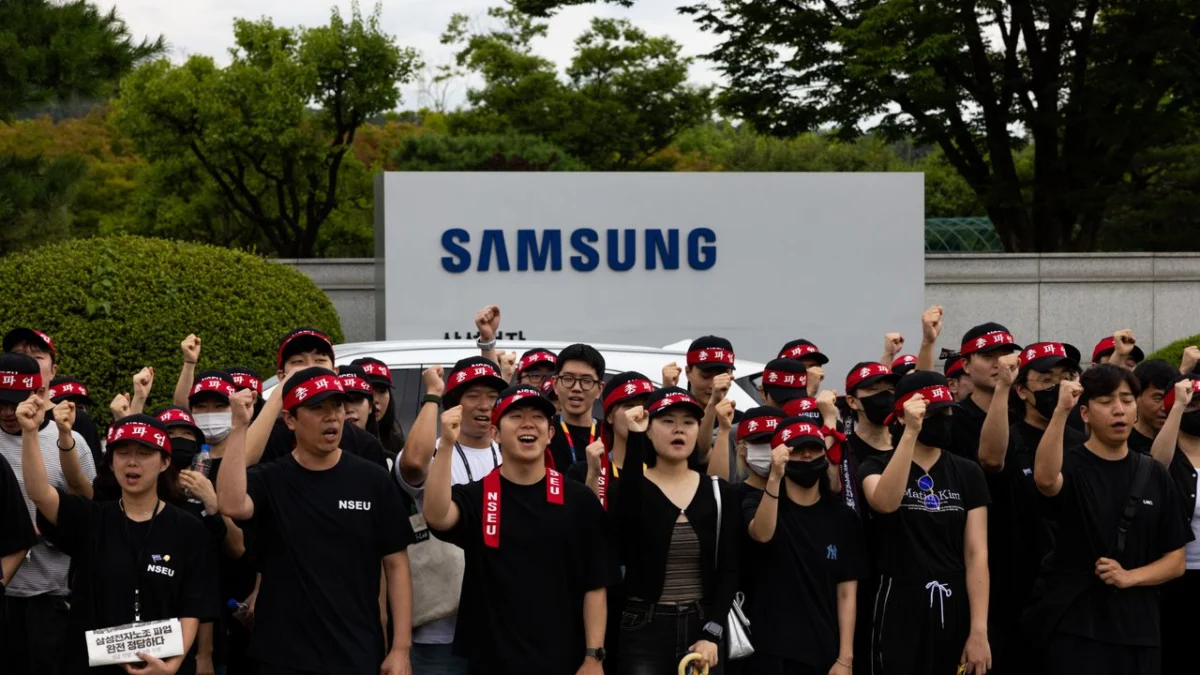
In a high-stakes development that reverberated through the global semiconductor supply chain, Samsung Electronics has narrowly averted an 18-day general strike at its South Korean chip manufacturing facilities. Following a marathon of eleventh-hour negotiations, union leadership and company management reached a tentative wage agreement on Wednesday, effectively calling off a walkout that was slated to begin just hours later.
For the global technology sector, the resolution comes as a massive relief. As a cornerstone of the world’s AI-driven memory demand and a critical player in the foundry sector, any disruption to Samsung’s production lines would have sent shockwaves through industries ranging from consumer electronics to artificial intelligence infrastructure.
The Core Conflict: A Battle Over Bonuses and Equity
At the heart of the labor dispute was a fundamental disagreement regarding performance-based compensation. The union, which represents approximately 48,000 employees—a significant portion of Samsung’s domestic workforce—had been vocal in its demand for a more equitable profit-sharing structure.
The labor representatives specifically campaigned for the company to allocate 15% of its annual operating profit toward employee bonuses. Furthermore, they demanded the removal of a controversial 50% annual salary cap on performance-based payouts. The union argued that as Samsung’s semiconductor profits skyrocketed due to the massive surge in demand for high-bandwidth memory (HBM) and other AI-related chips, the workforce deserved a larger share of the success.
Samsung’s management, however, maintained a cautious stance. They argued that a blanket profit-sharing model was impractical given the company’s diverse portfolio. With its memory division enjoying a boom period while its logic and foundry operations faced a slower recovery, the company insisted that its current bonus structure was necessary to account for these internal fiscal variances. This tension was exacerbated by comparisons to rival firm SK Hynix, which the union claimed offered more transparent and generous compensation packages to its staff.
A Chronology of Escalation
The road to the current tentative agreement was marked by months of failed dialogues, leaked internal communications, and a palpable sense of growing hostility on the factory floor.
- February – March: Initial wage negotiations collapsed, signaling the start of a prolonged stalemate. The lack of progress led to the breakdown of several scheduled meetings, as both sides failed to bridge the gap between employee expectations and corporate fiscal policy.
- Early May: With negotiations at a standstill, the union formally threatened a general strike. Attempts to resolve the impasse on May 11 and 12 failed, with reports surfacing of a "final" proposal that was summarily rejected by union members.
- The Leaked Transcripts: During this period, internal meeting transcripts leaked to the public, detailing a stark disparity in proposed bonuses. Reports suggested that memory chip workers were offered a 607% bonus—an eye-watering $477,000—while staff in the logic chip department were allegedly offered as little as 50%. The perceived unfairness of this split became a rallying cry for the union, which warned of a potential "retention crisis" if the company continued to prioritize certain departments over others.
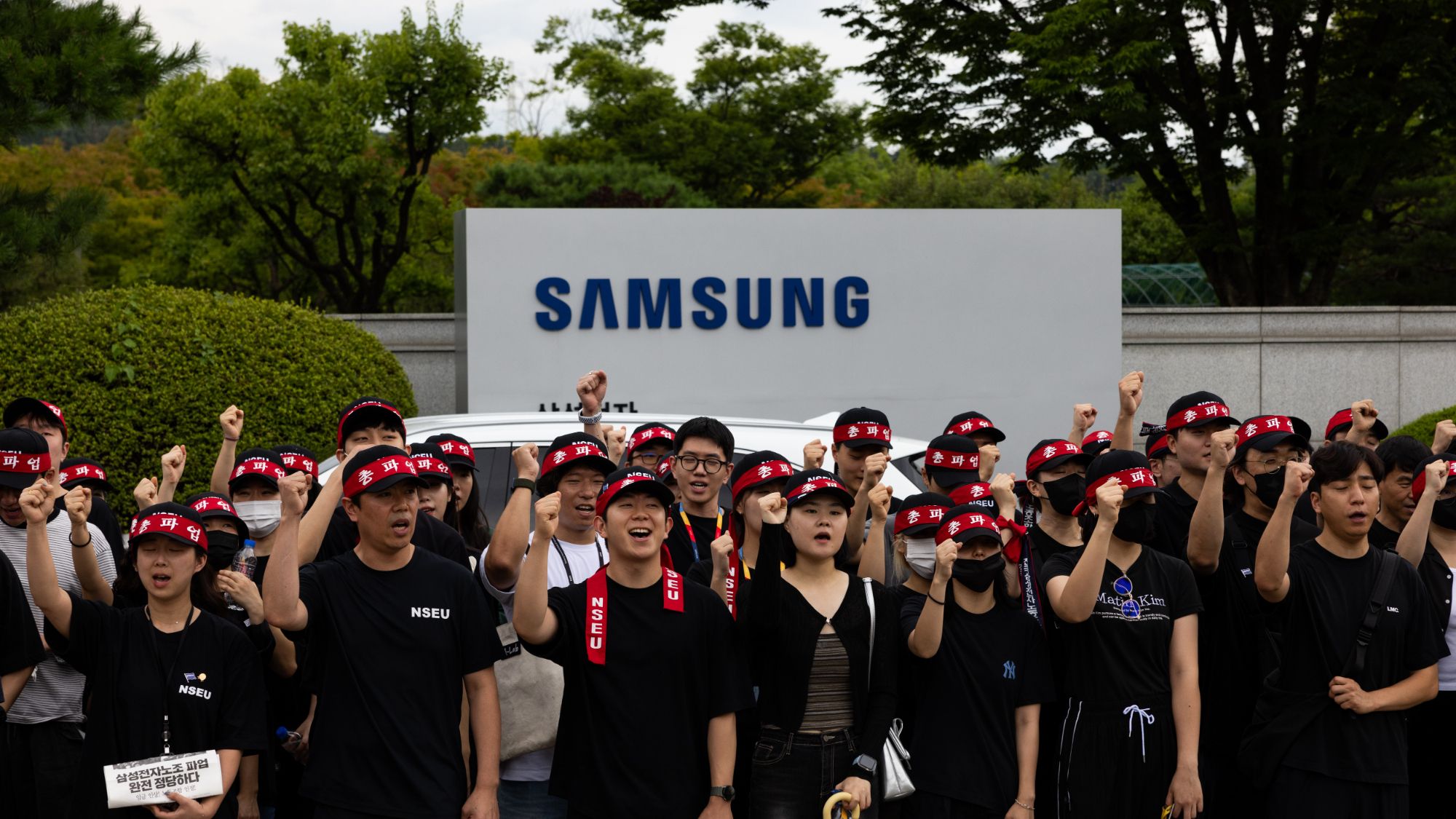
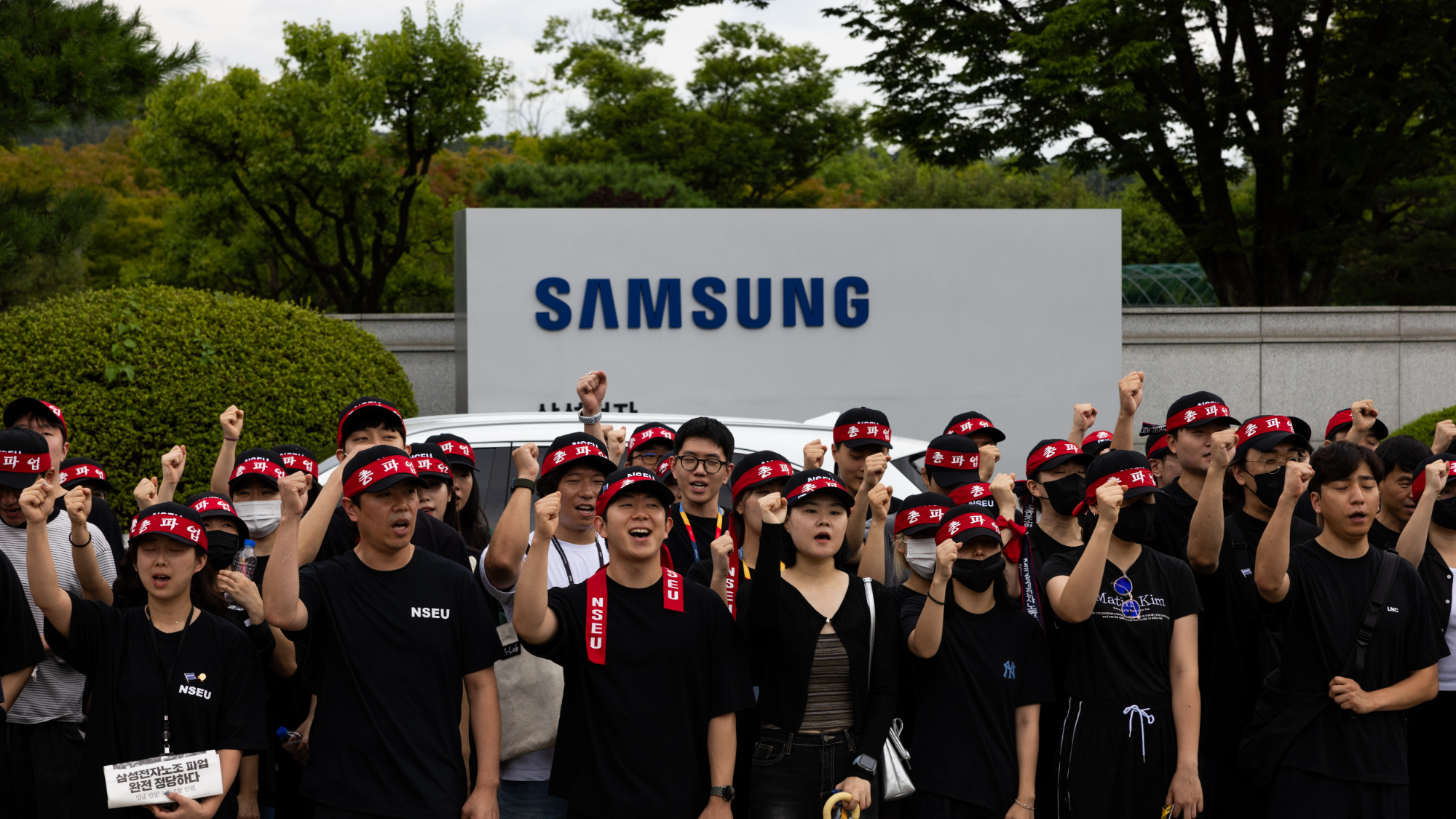
- The Warning Shot: Demonstrating their organizational strength, the union staged a one-day rally that proved to be a harbinger of potential chaos. The strike action saw over 40,000 participants and caused a 58% drop in output at some of the company’s foundry operations during the night shift. This event proved that the union had the capacity to cripple production if their demands were ignored.
- The May 21 Deadline: As the strike date approached, Samsung began the process of winding down operations to mitigate the risk of sudden, unplanned production shutdowns. Simultaneously, the company sought and received court injunctions to restrict the union’s ability to block facilities or obstruct non-striking workers.
Government Intervention and the Final Breakthrough
The collapse of the May 12 talks served as a wake-up call for the South Korean government. Recognizing the catastrophic potential of an 18-day shutdown in one of the nation’s most vital industries, Labor Minister Kim Young-hoon intervened to bring both parties back to the table.
The final, decisive negotiation took place in Suwon. Representing Samsung’s Device Solutions division, Yeo Myeong-gu sat down with union leader Choi Seung-ho. Under the mediation of the Labor Ministry, the two sides finally managed to hammer out the terms of a tentative agreement.
While the full details of the contract remain confidential, the suspension of the strike from May 21 to June 7 serves as the primary outcome. The union has now shifted its focus to an internal democratic process, putting the deal to a vote among its membership. This ratification process is expected to conclude by May 28. If the members approve, the agreement will be formalized, effectively ending the most significant labor challenge Samsung has faced in recent history.
The Economic Implications
The potential for a prolonged strike at Samsung was not merely a corporate HR issue; it was a macroeconomic threat. South Korea’s economy is inextricably linked to the health of its semiconductor industry. Analysts had estimated that a complete production halt could result in daily losses exceeding 1 trillion won (approximately $730 million).
Beyond the immediate financial losses, the broader economic risks were staggering. In an era where "AI chips" are the primary driver of global tech growth, any reduction in Samsung’s supply chain output would have likely caused a spike in component prices and delays in the production of high-end servers, smartphones, and automotive electronics worldwide.
Furthermore, the dispute highlighted a cultural shift within South Korean corporate life. Historically, major conglomerates like Samsung—known as chaebols—operated under a paternalistic model where labor unions were relatively weak or non-existent. The emergence of a powerful, organized, and vocal union indicates that the modern workforce is increasingly willing to challenge traditional management structures to ensure they receive a fair share of the wealth generated by their labor.
The Path Forward
Despite the tentative victory for stability, the situation remains fragile. The "suspension" of the strike is conditional. If the union membership rejects the agreement during the current voting window, the threat of a walkout will immediately return to the table.
If the deal is ratified, Samsung will have successfully navigated one of the most perilous periods in its recent timeline. However, the company will likely need to engage in more proactive, transparent communication with its employees to prevent such a crisis from recurring. The demand for fair compensation in a high-inflation, high-profit environment is not going away, and the precedent set by this year’s negotiations will likely influence future collective bargaining agreements across the entire tech sector.
For the time being, the global supply chain can breathe a sigh of relief. As the industry watches for the results of the union vote, the focus remains on whether Samsung can successfully integrate this new labor reality into its operational strategy. The company has proven it can handle the technical challenges of shrinking transistors to the nanometer scale; it now faces the equally complex challenge of managing the human capital that makes those technical feats possible.
The coming days will be critical. If the agreement holds, it will be viewed as a testament to the power of negotiation and government-backed mediation. If it fails, the industry should prepare for an era of uncertainty that could reshape the semiconductor landscape for years to come.

 Raul Delapena Setiawan
 Ali Ikhwan