

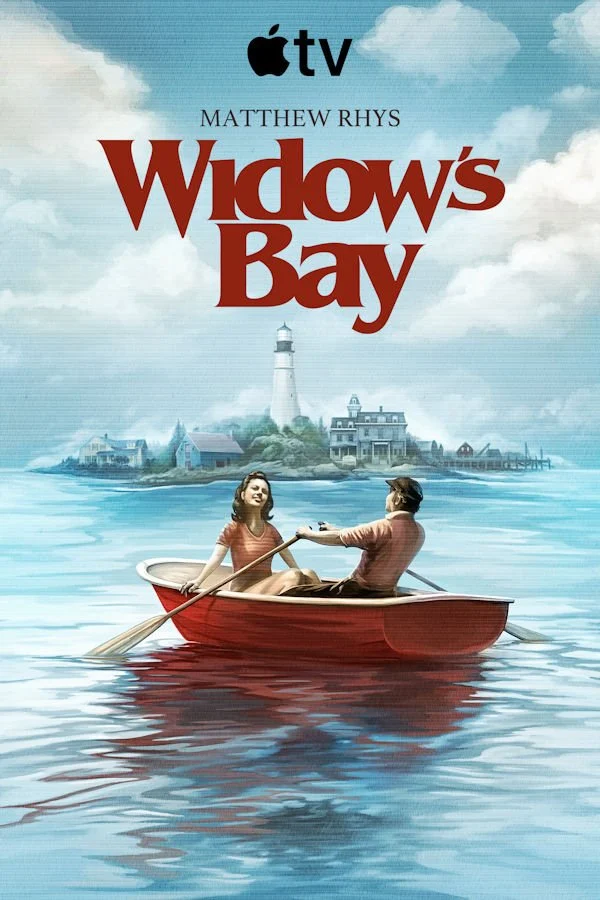
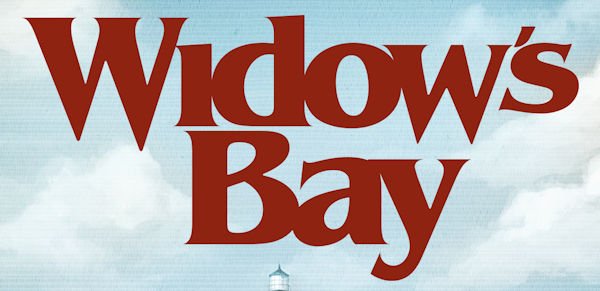
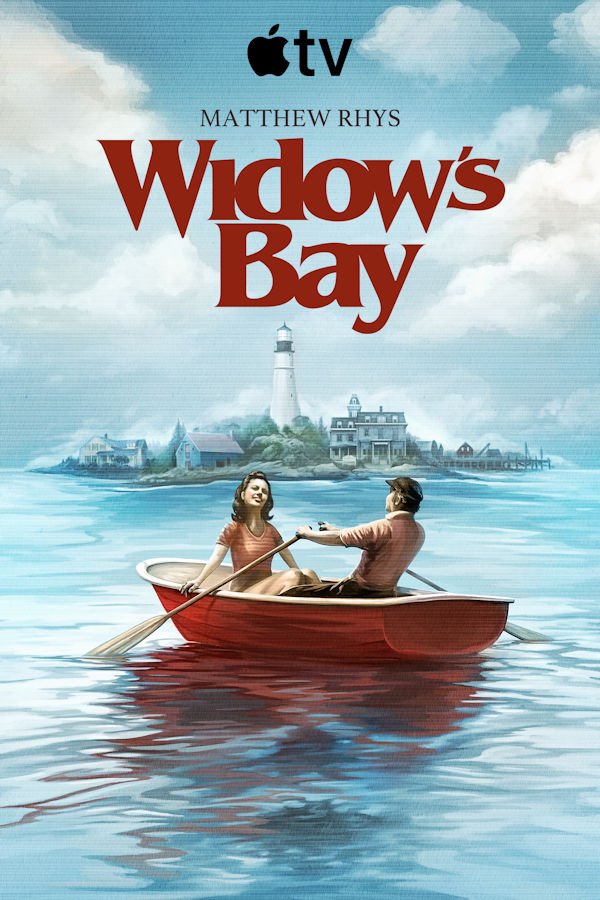
There is a specific, visceral trigger for horror aficionados: the sight of bold, blocky typography emerging from the darkness of a screen. It is a visual shorthand for dread, a font style immortalized by Stephen King adaptations, Stranger Things, and the haunting surrealism of Twin Peaks. When those letters appear, the audience knows instinctively that their nerves are about to be frayed. Apple TV’s newest breakout series, Widow’s Bay, utilizes this aesthetic heritage not merely as a stylistic homage, but as a promise of the psychological and supernatural terror to come. With only three episodes currently available, the series has already cemented itself as a must-watch, blending atmospheric horror with a dry, incisive wit that defies simple categorization.
Main Facts: A Convergence of Horror and Humour
Widow’s Bay is a masterclass in genre synthesis. Described by critics as Jaws meets Northern Exposure—with a dash of Stephen King’s penchant for ominous, small-town isolation—the show is set on a picturesque, fog-drenched fishing island off the New England coast.
The narrative anchor is Mayor Tom Loftis, played with skeptical brilliance by Matthew Rhys (The Americans, Perry Mason). As an outsider—despite his family lineage—Loftis is determined to revitalize the town’s crumbling economy, even as he finds himself pitted against a local population steeped in ancient superstitions and guarded by a dark, bloody history. The series is the brainchild of creator Katie Dippold, whose work on Parks and Recreation lends a sharp, satirical edge to the dialogue, while director Hiro Murai (famed for his work on The Bear, Atlanta, and Barry) ensures that every frame is drenched in a palpable, lived-in sense of dread.
Chronological Development: Navigating the Local Mythology
The first three episodes of Widow’s Bay establish a rhythm reminiscent of classic procedural genre-blenders like The X-Files and Buffy the Vampire Slayer. Each installment functions as a "monster-of-the-week" narrative, gradually expanding the world-building while pulling the viewer deeper into the overarching mystery of the island.
- The Arrival: The series opens with Tom Loftis attempting to modernize the island, inviting a New York Times journalist to document the town’s potential. The effort is immediately undermined by the local historical society’s brazen display of a newspaper clipping detailing a historical incident of cannibalism, signaling to both the journalist and the audience that this is not a typical vacation spot.
- The Resistance: As Loftis struggles to implement his plans, he faces opposition from the town’s eccentric power brokers: Wyck (Stephen Root), the local drunkard who treats every myth as gospel truth, and Rosemary (Dale Dickey), a town gossip whose passive-aggressive taunts provide a constant undercurrent of hostility.
- The Unveiling: Through the eyes of his assistant, Patricia (Kate O’Flynn), a character haunted by past island terrors, the audience begins to glimpse the reality of the legends. Whether it is a phantom church bell ringing in the night or the suspicious disappearances of local fishermen, the show moves chronologically toward an inevitable confrontation with the supernatural.
Supporting Data: The Anatomy of a Genre-Bender
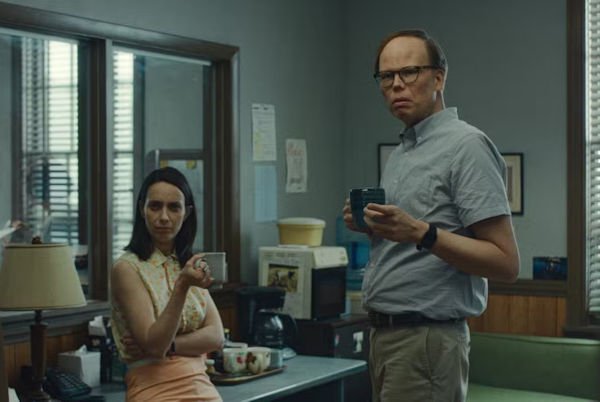
The success of Widow’s Bay lies in its casting and its technical execution. The chemistry between Matthew Rhys and Kate O’Flynn is the show’s beating heart. O’Flynn’s delivery—stoic, deadpan, and frequently hilarious—provides a necessary release valve for the tension.
Character Dynamics
- Mayor Tom Loftis (Matthew Rhys): The ultimate audience surrogate. His skepticism serves as a shield against the island’s terrors, making his inevitable realization of the truth all the more impactful.
- Patricia (Kate O’Flynn): The vessel of the town’s history. Her trauma, handled with a mix of dark humor and genuine melancholy, adds an emotional weight that is rare in horror-comedy.
- The Villagers: The supporting cast, including Root and Dickey, represent the "old guard." Their performances range from menacingly serious to mockingly hostile, creating a town that feels as suffocating as it is charming.
Production Values
The setting itself acts as a character. The production design team has successfully captured the olfactory and tactile nature of the Atlantic coast—the salt-stained wood of the Salty Whale tavern, the thick, claustrophobic fog that rolls off the water, and the chilling isolation of the local lighthouse. Murai’s direction utilizes these elements to create a sense of realism that makes the supernatural elements feel grounded and, therefore, more terrifying.
Official Responses and Creative Vision
Show creator Katie Dippold has stated in recent interviews that her goal was to create characters that transcend the archetypes often found in "wacky town" sitcoms. By infusing the script with a deep, inborn sense of dread, she ensures that the humor never undermines the stakes.
Director Hiro Murai, known for his signature ability to pivot from comedic timing to high-stakes drama, has applied a similar aesthetic to Widow’s Bay. His focus on character weight—ensuring that even minor interactions convey profound meaning—has been praised for elevating the series above standard genre fare. Industry insiders note that the decision to limit the first season to ten episodes is a calculated move to avoid the "mid-season slump" that plagues many serialized horror programs, ensuring a tight, narrative-driven experience.
Implications: A New Benchmark for Horror-Comedy
The success of Widow’s Bay signals a shift in the current television landscape. Audiences are increasingly gravitating toward "prestige horror"—shows that do not sacrifice character development for the sake of jump scares.
Why This Matters for the Industry
- The "Prestige" Horror Shift: Widow’s Bay proves that horror-comedy can be taken seriously by critics and viewers alike. It follows in the footsteps of Santa Clarita Diet and The Cabin in the Woods, showing that laughter and fear are not mutually exclusive but can instead be used to heighten the emotional impact of a scene.
- Narrative Efficiency: By utilizing the monster-of-the-week format to build a larger mystery, the show avoids the common pitfall of aimless plotting. It keeps the viewer engaged on two levels: the immediate resolution of the episode’s threat and the long-term mystery of the town’s dark secret.
- The Apple TV Effect: With its high production value and focus on auteur-driven projects, Apple TV continues to carve out a niche for high-concept, genre-defying content. Widow’s Bay is likely to become a flagship show for the platform’s horror catalog.
Looking Ahead: Will the Trend Hold?
The primary challenge for Widow’s Bay will be sustaining its momentum. As the show moves past the initial establishment of its characters and into the deeper lore of the island, it must navigate the balance between its comedic roots and the increasing darkness of its plot. With ten episodes total, the series is positioned to provide a complete, satisfying arc. If it continues to balance its supernatural mystery with the same sharp writing seen in the first three episodes, it will likely be remembered as the definitive horror-comedy of 2026.
For those who have yet to board the ferry to the island, the invitation remains open. Whether you are a fan of Stephen King’s small-town nightmares, a devotee of the X-Files style of skepticism, or simply someone looking for a series that can make you laugh before it makes you check the locks on your doors, Widow’s Bay is an essential addition to your watchlist. Just don’t be surprised if the fog starts to feel a little too close to home.
For more information on the series, including teasers and production updates, audiences are encouraged to visit the official Apple TV portal or view the latest promotional trailers on major streaming news outlets.











No comments yet. Be the first to join the conversation!