

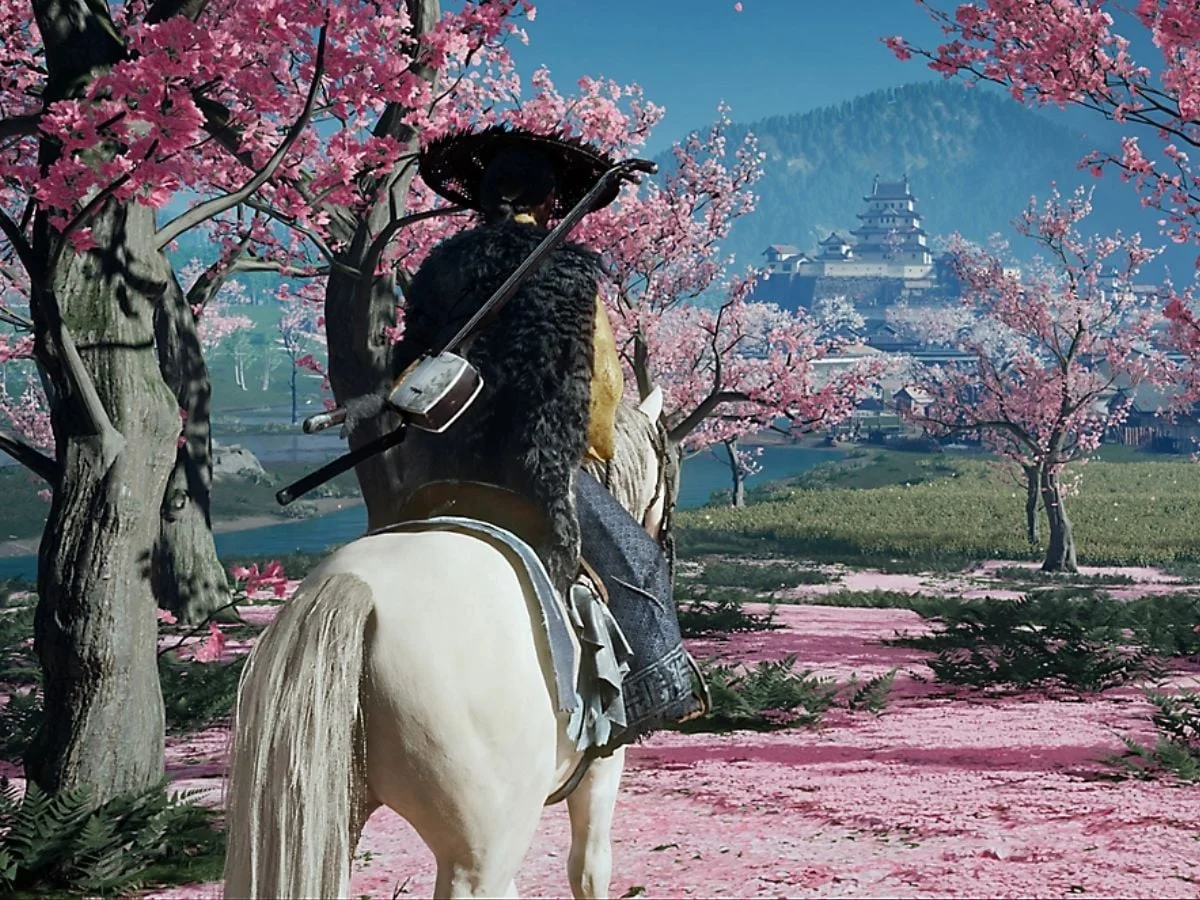
In a seismic shift for the global gaming landscape, Sony Interactive Entertainment has officially signaled a retreat from its multi-platform ambitions. Following months of industry speculation, Hermen Hulst, CEO of the PlayStation Studio Business, confirmed to staff during a recent town hall meeting that Sony is pivoting back to a strict console-first exclusivity model for its flagship narrative-driven, single-player titles. This decision effectively ends the "PC port era" that saw massive hits like God of War, Horizon Zero Dawn, and Ghost of Tsushima migrate to desktops, marking a return to the rigid hardware-gated exclusivity that defined the PlayStation brand for decades.
The Genesis of the Shift: From Expansion to Consolidation
For several years, Sony had been aggressively courting the PC market, viewing it as a lucrative "second life" for its aging console catalog. By porting titles to Steam and the Epic Games Store, Sony successfully monetized software that had already reached its peak on the PlayStation 5. However, this strategy appears to have hit a ceiling, with internal data reportedly suggesting that the accessibility of these titles on PC has begun to cannibalize hardware sales and dilute the perceived value of the PlayStation ecosystem.
The confirmation of this shift came via a report by Bloomberg journalist Jason Schreier, who noted that the directive was issued directly from the top. The underlying rationale is rooted in brand preservation: Sony executives have grown increasingly concerned that the lack of exclusivity undermines the core incentive to purchase a PlayStation 5 or its future iterations. By positioning the console as the only venue for its high-budget, narrative-heavy blockbusters, Sony aims to restore the "prestige" of the PlayStation hardware.
A Chronology of the PC Pivot
The evolution of Sony’s relationship with PC gaming has been volatile:
- 2020-2022 (The Testing Phase): Sony begins cautiously testing the waters, bringing Horizon Zero Dawn and Days Gone to PC. The goal was modest: generate additional revenue for older titles and create brand awareness among non-console players.
- 2023 (The High Water Mark): With the success of God of War (2018) and Spider-Man on PC, Sony accelerates its porting schedule, hiring specialized studios to handle the transitions.
- Early 2026 (The Rumor Mill): Speculation mounts that internal debates are brewing within Sony regarding the long-term viability of PC ports. Reports surface suggesting that the company is "pulling back" due to concerns over hardware sales.
- May 18, 2026 (The Official Reversal): Hermen Hulst confirms to staff that single-player narrative titles will now remain exclusive to PlayStation consoles, effectively closing the door on future day-and-date or delayed PC releases for these specific categories.
Market Dynamics: Why Now?
The decision to shutter PC ports for single-player games does not exist in a vacuum. Sony is currently facing a dual threat: an aging console generation and an increasingly aggressive competitor in Microsoft.
The Hardware Value Proposition
With the PlayStation 5 having been on the market for nearly six years, Sony has struggled to maintain the console’s hardware value. The price increase—moving from the launch price of $499.99 to a current $649.99—has alienated a significant portion of the consumer base. When potential buyers see that the "exclusive" library is no longer exclusive, the justification for a $650 hardware investment becomes increasingly thin. By restricting access, Sony is attempting to force a "value correction" in the eyes of the consumer: if you want to play the industry’s most acclaimed narrative games, you must buy the box.
The Shadow of Project Helix
Sony is also closely monitoring Microsoft’s "Project Helix," a strategic initiative designed to blur the lines between Xbox hardware and the Windows ecosystem. While Microsoft has leaned into a "platform-agnostic" approach—essentially turning their console into a gateway for Game Pass—Sony is taking the diametrically opposite path. By moving toward stricter exclusivity, Sony is positioning itself as the "premium, curated" alternative to the "ubiquitous, subscription-based" model favored by their rivals.
The Economic and Consumer Implications
The reaction from the gaming community has been, predictably, polarized. While a segment of the "console warrior" base has praised the move as a return to form for PlayStation, a significant portion of the broader audience has expressed frustration.
The "Price-to-Value" Conflict
The primary grievance voiced by consumers centers on the cost of entry. Many gamers who have moved to PC cite the high cost of PlayStation Plus subscriptions and the hardware price hikes as the primary reasons for leaving the console ecosystem. One prominent sentiment echoed on social media is that "paying $600 for a machine that only plays a handful of exclusive titles is a difficult sell in 2026."
The Future of High-Budget Development
This pivot also raises questions about the financial feasibility of modern AAA development. Sony’s single-player titles are notoriously expensive to produce, with budgets often exceeding $200 million. Historically, the PC market provided a vital safety net, allowing these titles to amortize their costs across a wider user base. If Sony intends to recoup these costs solely through console sales, they may face immense pressure to either increase software prices, introduce more aggressive microtransactions, or consolidate their development pipelines.
Impact on Upcoming Titles
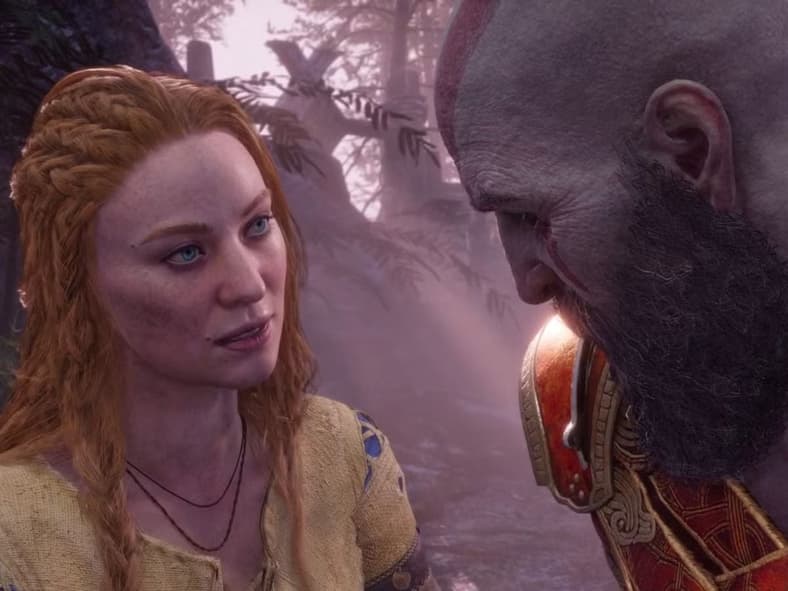
The most immediate impact will be felt by the upcoming release schedule. Highly anticipated titles such as Ghost of Yotei, the next chapter in the God of War saga, and the highly awaited Marvel’s Wolverine will be the first major tests of this new exclusivity policy.
Industry analysts are watching closely to see if this policy will be absolute. It is worth noting that while single-player narrative titles are being locked behind the "PlayStation wall," multiplayer-focused games—which require a massive, persistent user base to remain profitable—are expected to remain on PC. This creates a bifurcated strategy where Sony treats single-player games as "hardware sellers" and multiplayer games as "service platforms."
Official Stance and Future Outlook
While Sony has not released a comprehensive public white paper detailing the move, the sentiment expressed by leadership is clear: hardware loyalty is the priority. The company appears to be betting that the "PlayStation experience"—a high-fidelity, polished, single-player journey—is a unique enough product to command its own proprietary hardware.
However, the risk is significant. In an era where cross-platform play and universal access are becoming the industry standard, Sony is essentially betting against the tide. If this strategy succeeds, it will likely be because the quality of the games is so high that consumers feel compelled to adopt the hardware. If it fails, Sony risks isolating a massive, vocal, and revenue-rich segment of the gaming population that has grown accustomed to the flexibility of the PC platform.
As we look toward the latter half of 2026 and beyond, the industry will be watching the PlayStation 5’s sales trajectory with keen interest. The decision to retreat from PC is a bold, nostalgic, and potentially risky maneuver that seeks to redefine the "PlayStation" not just as a game, but as a walled garden that requires a key—and a hefty price—to enter.
Whether this "fortress strategy" is the key to maintaining market dominance or a step toward obsolescence in a borderless gaming world remains the most critical question in the video game industry today. For now, the message from Sony is unambiguous: the age of the PC port is over, and the era of the exclusive has returned.











No comments yet. Be the first to join the conversation!