

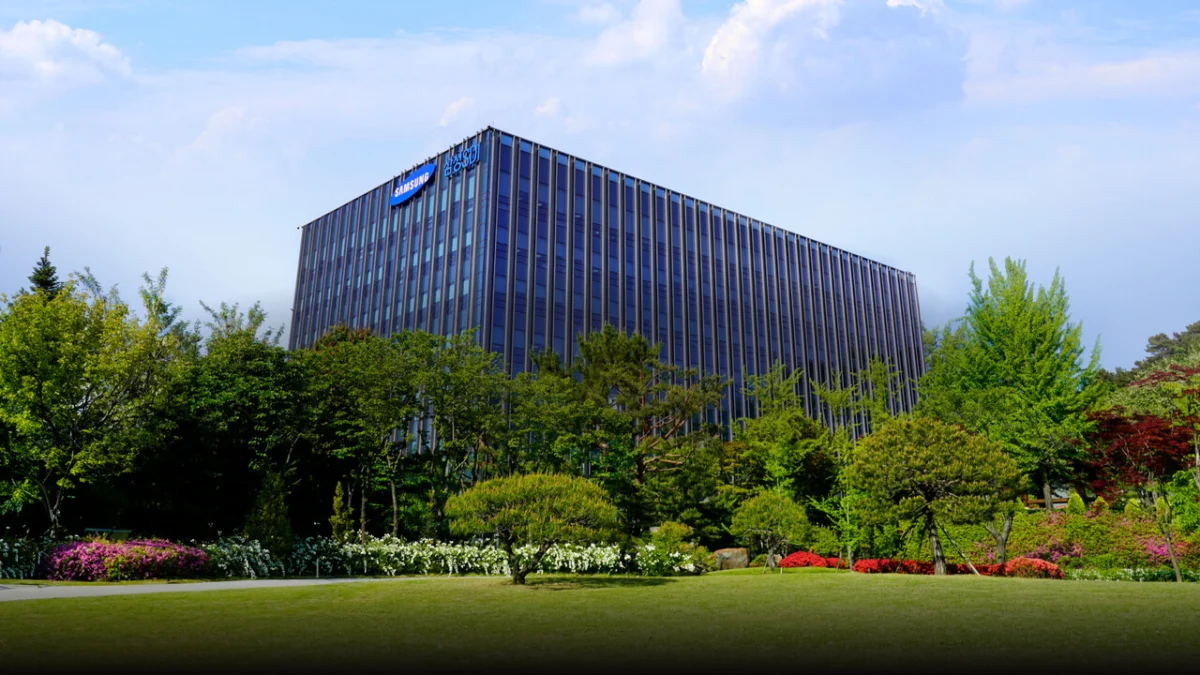
In a high-stakes standoff that gripped the global semiconductor industry, Samsung Electronics has narrowly averted a catastrophic 18-day strike that threatened to disrupt the global supply chain. Following weeks of intense negotiations and escalating tensions between management and the company’s labor unions, both sides reached a tentative agreement. The resolution brings a sense of relief to global customers and investors alike, as the tech giant commits to a historic compensation package that could see individual employees receive bonuses worth up to $416,000 USD.
The Anatomy of the Standoff: A Clash of Interests
The dispute centered on the equitable distribution of wealth generated during the current artificial intelligence-fueled memory chip boom. Samsung’s management had initially proposed a tiered bonus structure that would have excluded nearly half of the company’s workforce, a move that sparked immediate and vocal backlash from the labor unions.
Employees argued that they were the engine behind Samsung’s record-breaking recovery in the memory segment, particularly as the demand for High Bandwidth Memory (HBM) and DDR5 chips continues to outpace supply. The unions demanded a larger share of the company’s massive operating profits, positioning their argument on the principle of shared prosperity. What appeared to be an impasse—characterized by public protests and a genuine threat of a nearly three-week work stoppage—was, in retrospect, a sophisticated high-stakes negotiation game. Both parties maintained open channels of communication throughout the period, signaling that a resolution was always on the table, provided the financial incentives aligned.
Chronology of the Negotiations
The path to this agreement was neither linear nor simple.
- Early Q1 2024: As Samsung reported a staggering 4,800% increase in quarterly profits for its semiconductor division, labor unions began mobilizing, demanding transparency and a larger stake in the earnings.
- Late April: Formal negotiations stalled as management insisted on performance-based metrics that would exclude vast swathes of the workforce. The union responded by filing for strike authorization.
- Early May: The "18-Day Mega-Strike" threat became a focal point of global economic analysis. Analysts warned that such a disruption would not only impact Samsung’s revenue but also jeopardize the production timelines of major electronics manufacturers worldwide.
- The Final Stretch: Recognizing the potential for billions in lost revenue and severe reputational damage, Samsung’s leadership returned to the table with a revised proposal.
- The Breakthrough: On May 21, 2026, the tentative agreement was announced. The deal focuses on long-term profit sharing, effectively tying the prosperity of the workforce to the long-term health of the memory division.
Supporting Data: By the Numbers
The scale of the deal is unprecedented in the South Korean tech sector. According to the agreed-upon terms, employees will receive 10.5% of the semiconductor division’s operating profit, provided the division hits specific performance benchmarks.
The targets are ambitious but reflect the company’s current growth trajectory:
- 2026–2028: Employees are eligible for the bonus if the division generates over 200 trillion won (approximately $135 billion USD) in profit.
- 2029–2035: The threshold adjusts to 100 trillion won in annual profit.
To put these figures into perspective, Samsung’s chip division reported a $50.5 billion profit in the first three months of this year alone. As global demand for AI-integrated hardware continues to grow, these targets are seen as highly attainable by industry analysts.
Financial experts, including those at Reuters, have crunched the numbers for an average employee earning a base salary of 80 million won ($53,000 USD). Under the new profit-sharing scheme, this individual could see a cumulative bonus of approximately 626 million won—roughly $416,000 USD. Significantly, the company plans to disburse these bonuses primarily in the form of company stock, a move designed to align employee long-term interests with shareholder value.
Official Responses and Market Reaction
The market reaction was swift and positive. Samsung Electronics’ shares jumped by 8% immediately following the announcement, reflecting investor confidence that production stability has been secured.
"The agreement ensures that our employees, who are the backbone of our technological superiority, are fairly rewarded for their contributions," a Samsung spokesperson noted in a brief statement. "This deal provides the stability required to focus on the next generation of memory production and the emerging needs of the AI era."
Labor union leaders, while cautious, expressed satisfaction with the outcome. "This was never just about a paycheck; it was about acknowledging that the success of the company is a collective achievement," a union representative stated. "We have secured a framework that ensures our members are part of the growth story for the next decade."
Implications for the Tech Industry
The resolution of the Samsung dispute has broader implications for the global tech landscape:
1. The "SK Hynix Effect"
Samsung’s deal is not occurring in a vacuum. Competitor SK Hynix already employs a similar profit-sharing model, where employees receive 10% of the division’s profits. By matching and slightly exceeding this, Samsung has effectively neutralized a competitive disadvantage in labor retention. As the race for AI talent intensifies, firms are finding that competitive wages are no longer sufficient; they must offer a stake in the company’s capital growth.
2. Supply Chain Stability
A 18-day strike would have been disastrous. Samsung is a critical link in the global supply chain, and any interruption would have caused a ripple effect, increasing costs for smartphones, laptops, and data center components. By averting this, Samsung has signaled to global clients—including Apple, NVIDIA, and various automotive manufacturers—that they are a reliable partner despite the volatility of the current market.
3. The Future of Labor-Management Relations
This event marks a significant evolution in South Korean corporate culture. Historically, labor disputes were handled with strict hierarchy and limited concessions. The transition to a model where labor is treated as a strategic partner in profit-sharing represents a shift toward more Western-style incentive structures. Whether this model proves sustainable over the next decade, particularly if memory prices fluctuate, remains to be seen.
4. Strategic Focus
With the threat of the strike removed, Samsung is now free to accelerate its capital expenditure. The company is currently focusing on increasing the production of high-end memory modules, which are expected to generate significantly higher margins in the coming quarters. With the internal conflict resolved, the company can pivot entirely toward maintaining its leadership in the semiconductor industry, ensuring it remains the primary supplier for the global AI boom.
Conclusion: A Win-Win Compromise?
While the price tag of this agreement is substantial, it is a small cost compared to the potential loss of market share that a three-week production halt would have incurred. By turning its employees into stakeholders, Samsung has not only ended a dispute but has likely secured a more motivated workforce for the critical years ahead.
As the semiconductor industry moves into a new phase of intense competition, the ability to balance labor satisfaction with aggressive profitability will be the hallmark of the industry leaders. For now, Samsung has navigated a precarious storm, proving that even the most hardened corporate fronts can find common ground when the stakes are high enough. The market remains optimistic, and as production lines continue to hum, the focus shifts back to what Samsung does best: driving the technological innovation that powers the modern world.










No comments yet. Be the first to join the conversation!