

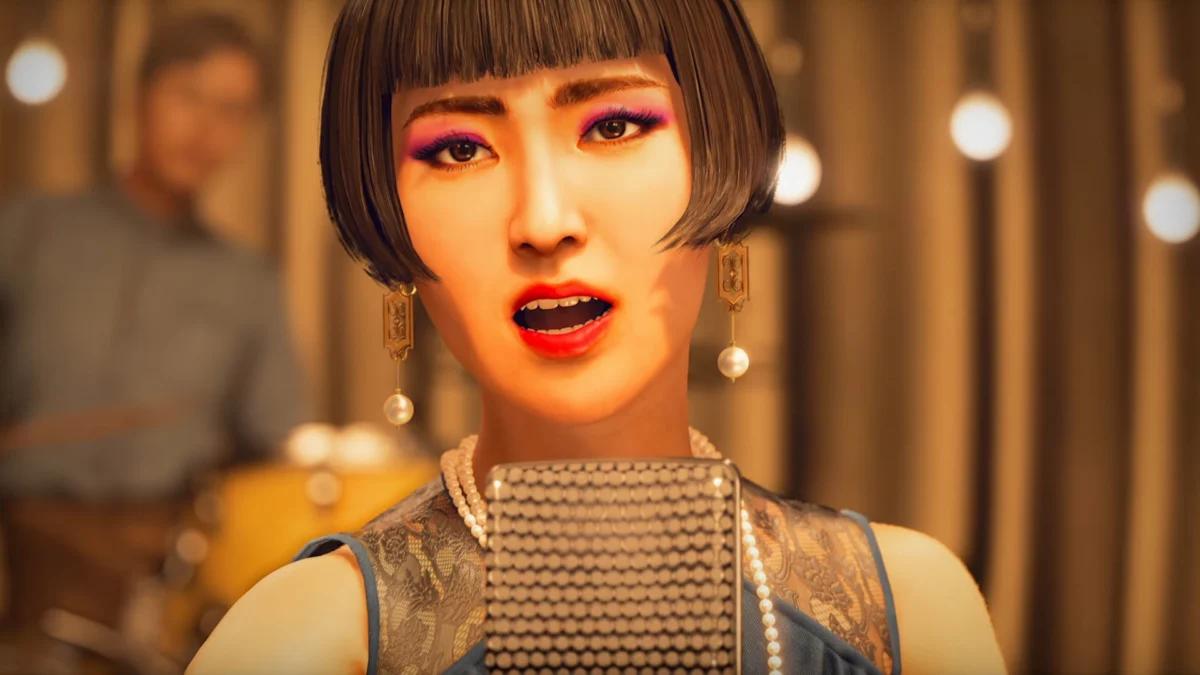
The anticipation surrounding the next major project from Ryu Ga Gotoku (RGG) Studio has reached a fever pitch. Known globally for the genre-defining Yakuza (now Like a Dragon) series, the powerhouse developer is shifting its creative focus toward an entirely new intellectual property: Stranger Than Heaven. In a strategic move to peel back the curtain on this mysterious project, SEGA and Xbox have officially announced a joint, 30-minute deep-dive showcase scheduled for May 6th.
This digital event represents more than just a promotional beat; it is a critical opportunity for the studio to establish the identity of Stranger Than Heaven as it moves away from the established streets of Kamurocho and toward a sprawling, multi-era narrative.
The Event: When and Where to Watch
The showcase is slated to air on May 6th at 4:00 pm PT (7:00 pm ET). For international audiences, the broadcast will occur on May 7th at 8:00 am JST and 1:00 am CEST. The event will be hosted simultaneously on the official Xbox Twitch channel and through a dedicated YouTube stream, ensuring global accessibility for fans eager to see what the legendary studio has been crafting behind closed doors.
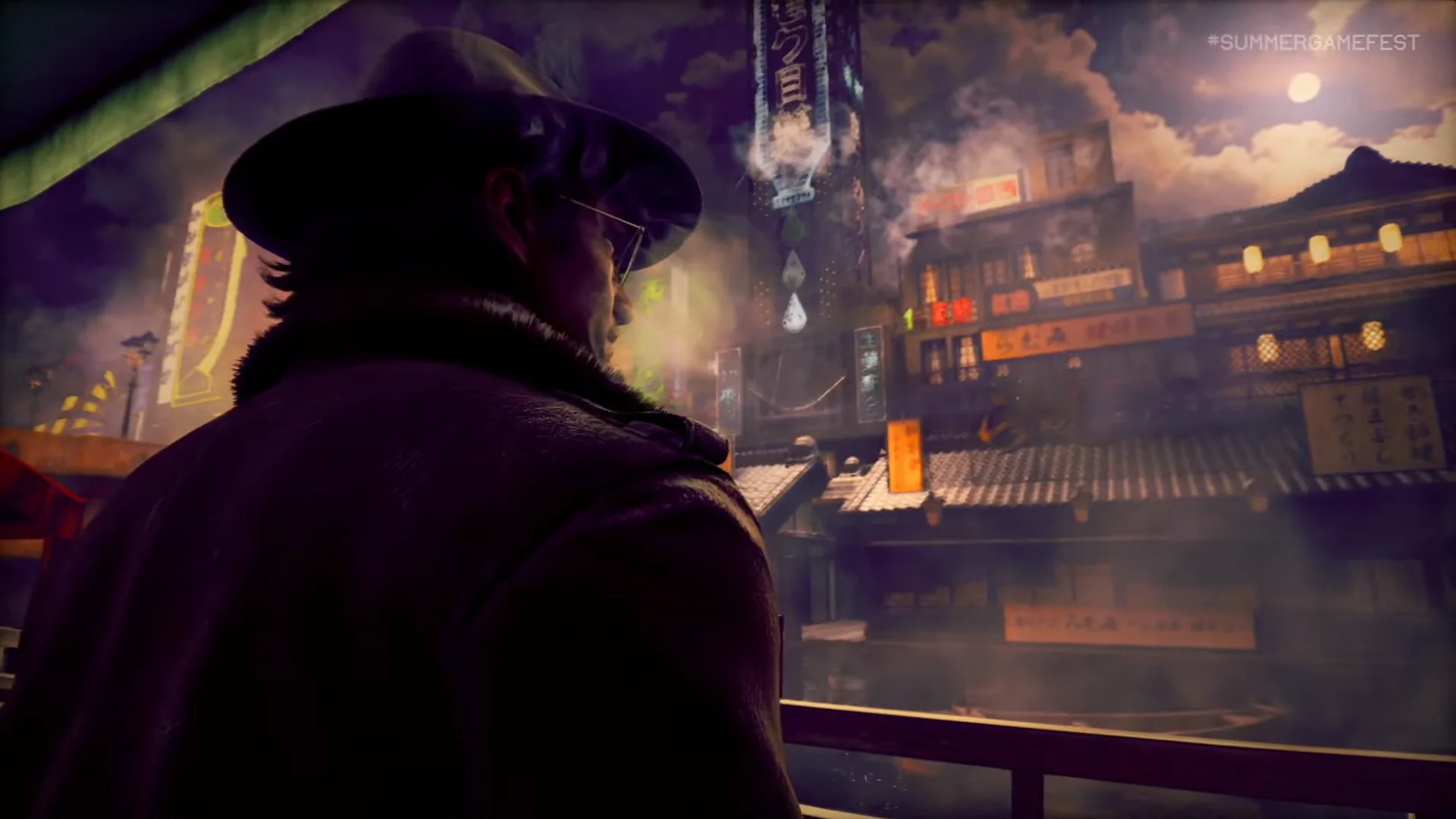
RGG Studio has promised a dense 30-minute presentation. Rather than a quick trailer or a teaser, this showcase is intended to provide a comprehensive look at the game’s core pillars: its world-building, the internal motivations of its cast, and the complex narrative tapestry that binds the experience together.
A Chronological Odyssey: Mapping the Eras
The most striking revelation regarding Stranger Than Heaven is its ambitious temporal scope. Unlike the contemporary settings typical of the Like a Dragon franchise, this title will span five distinct eras of Japanese history. By focusing on 1915, 1929, 1943, 1951, and 1965, RGG Studio is setting the stage for a narrative that explores the radical shifts in Japanese society, culture, and architecture throughout the 20th century.
1915: The Taisho Twilight
The earliest setting, 1915, positions the player in a Japan still grappling with its modernization. This era was characterized by the “Taisho Democracy,” a brief period of liberalism that sat in stark contrast to the rigid structures of the preceding Meiji era.
1929: The Pre-War Precipice
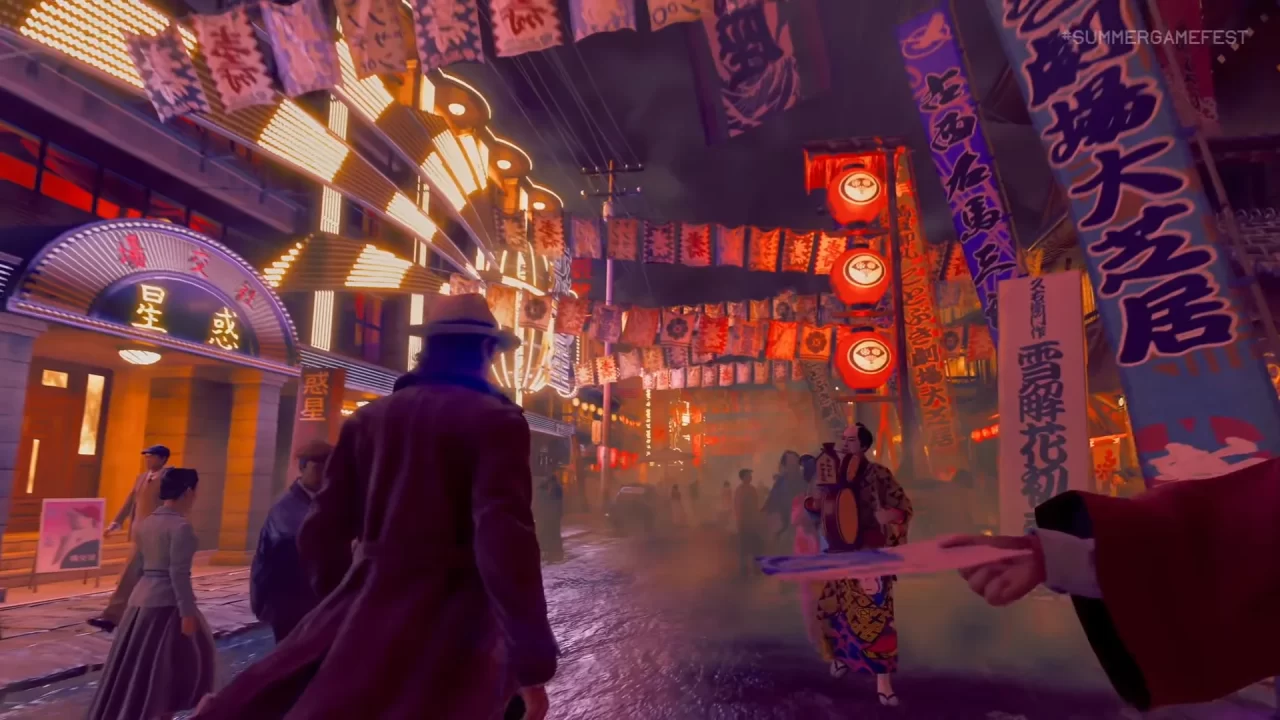
By 1929, the world was entering the Great Depression. This era provides a volatile backdrop for storytelling, offering a glimpse into the economic fragility that would eventually lead to the dark shifts of the following decade.
1943: The Shadow of Conflict
1943 remains one of the most sensitive and challenging periods in modern history. Including this era suggests that RGG Studio is not afraid to tackle heavy, somber themes. The studio’s ability to balance its signature "zaniness" with profound, human-centric drama will be tested by the gravity of this period.
1951: The Post-War Reconstruction
The 1950s in Japan were defined by the rapid rebuilding and the burgeoning influence of Western culture. For a studio that excels in depicting vibrant city life, this era provides a unique canvas of neon, transition, and social evolution.

1965: The High-Growth Era
Finally, 1965 represents the height of Japan’s economic miracle. It is a period of optimism, technological leaps, and the solidification of the urban sprawl that the studio has so masterfully recreated in its previous works.
Supporting Data and Technical Scope
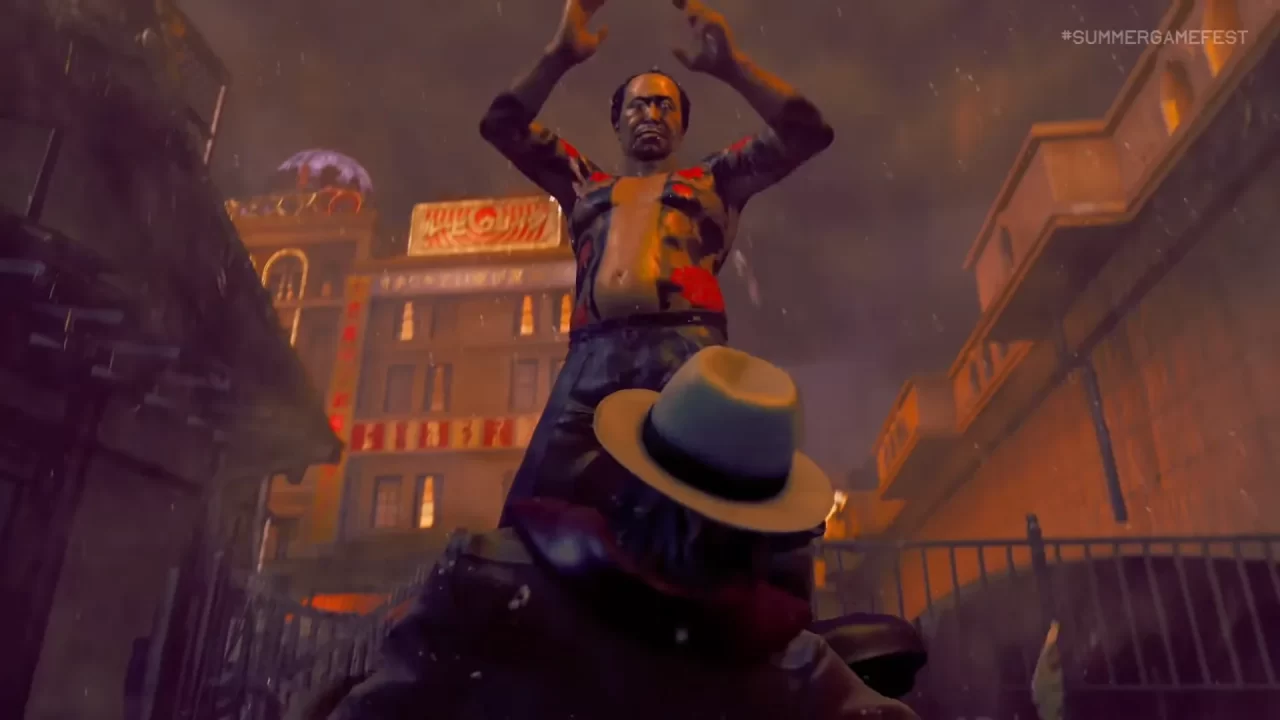
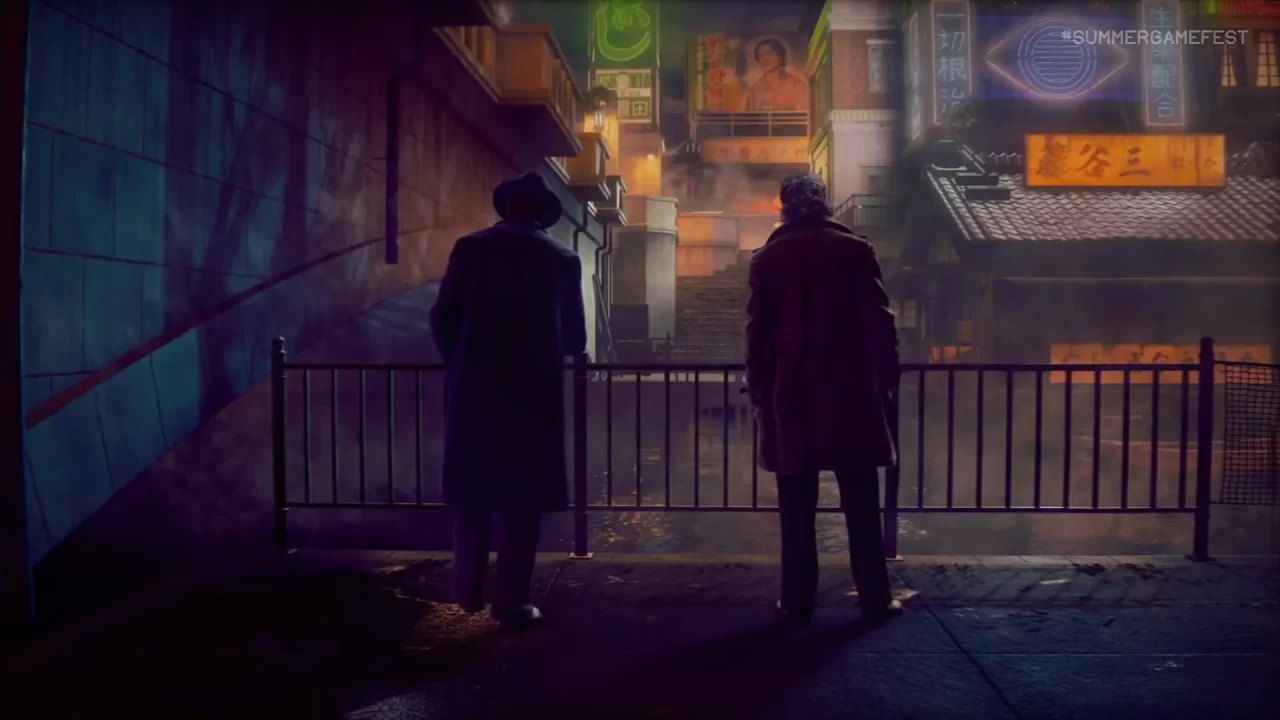
While details regarding the gameplay loop remain under wraps, the industry consensus is that Stranger Than Heaven will leverage the latest iteration of the Dragon Engine. The screenshots released thus far showcase a remarkable level of fidelity, particularly in how the lighting engines render the disparate atmospheres of the five chosen cities.
The game is confirmed for a multi-platform release, targeting the current generation of hardware: PlayStation 5, Xbox Series X|S, and PC via Steam. Notably, the game will be available on Xbox Game Pass at launch, a significant indicator of the strategic partnership between SEGA and Microsoft. This day-one inclusion on a major subscription service highlights the confidence both entities have in the title’s ability to drive player engagement and long-term retention.
Official Perspectives and Studio Philosophy
Ryu Ga Gotoku Studio has historically operated under a philosophy of "human drama." In past interviews, the development team has emphasized that while the Yakuza games are often associated with high-octane action and comedic side-quests, the heart of their work is the character study.
By moving away from the established canon of the Like a Dragon series, the studio is effectively liberating itself from the baggage of long-running character arcs. This allows for a fresh start, where the "stranger than fiction" elements of the human condition can be explored in a vacuum. Industry analysts suggest that this shift is a calculated effort to expand the studio’s appeal to players who may have felt intimidated by the decades of lore present in the Yakuza series.
Implications for the Industry
The success of Stranger Than Heaven will have broad implications for SEGA’s portfolio. If RGG can successfully translate their signature blend of grit and humor into a historical, multi-era framework, it proves that their development methodology is not tied to a single setting or character archetype.
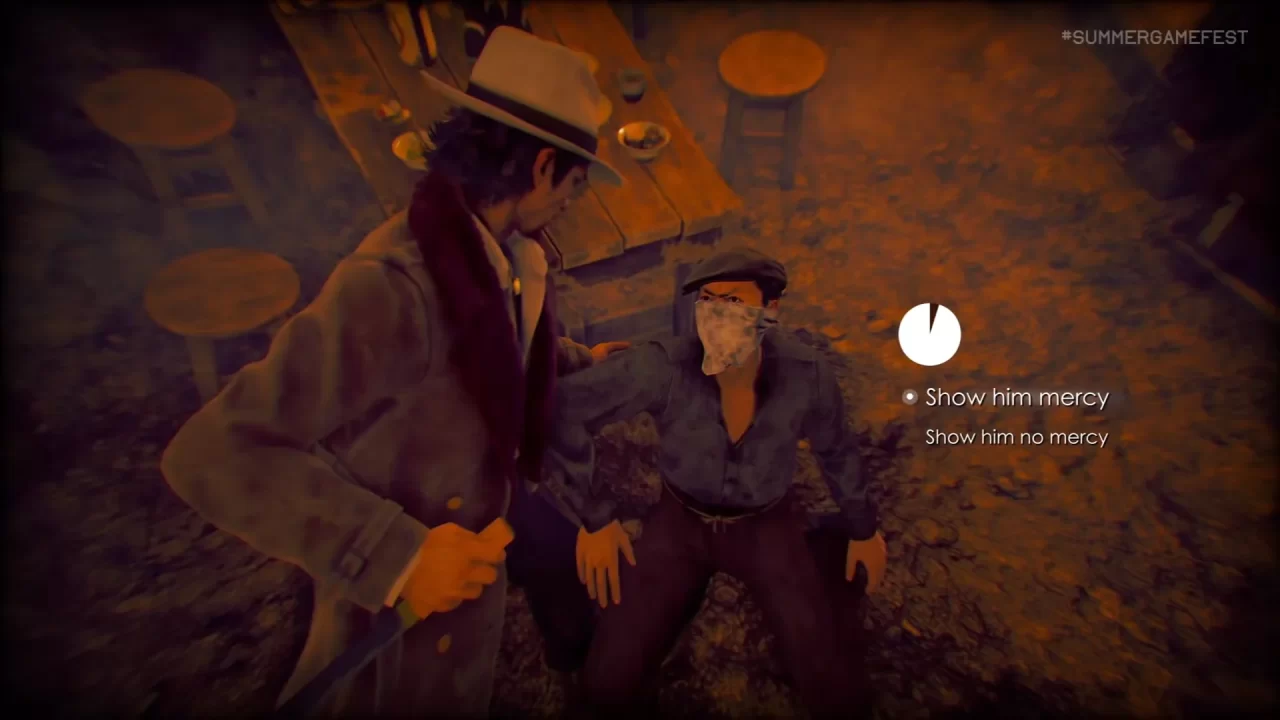
Furthermore, the collaboration with Xbox for this showcase highlights a shift in how Japanese publishers are approaching global marketing. By centralizing the reveal through a major Western platform, SEGA is signaling that Stranger Than Heaven is a global priority, designed to appeal to both the domestic Japanese market and the Western audience that has embraced the studio’s work over the last decade.
The "RGG Factor": Balancing Tone
One of the most burning questions for fans is the tone of the final product. Will it lean into the historical realism of a period drama, or will it retain the series’ trademark absurdity?
The title Stranger Than Heaven implies a certain surrealism. It suggests that the game may lean into the mysterious, perhaps even the supernatural, while keeping the setting rooted in historical fact. The contrast between the gritty, grounded nature of 1943 and the neon-soaked energy of 1965 creates a unique design challenge. How do you maintain a consistent player experience across fifty years of history? The answer likely lies in the recurring themes of the studio: justice, honor, and the struggle of the individual against an uncaring system.
Final Expectations: What to Look For
When the stream goes live on May 6th, viewers should look for three specific elements:
- The Protagonist’s Journey: How does the game justify a character moving through these eras? Is it a multi-generational tale, or one man’s odyssey?
- The Cityscapes: The Yakuza series is famous for its sense of place. Seeing how the studio captures the architectural evolution of five cities will be the true test of their world-building prowess.
- Gameplay Innovation: Will the combat system evolve to match the eras, or will the studio stick to the brawler-meets-RPG hybrid that has become their hallmark?
As we wait for the May 6th showcase, one thing is certain: RGG Studio is not content to rest on its laurels. Stranger Than Heaven appears to be the most ambitious project in the studio’s history, an attempt to weave a tapestry of time that could redefine what fans expect from an RPG. Whether it manages to strike the perfect balance between historical gravity and signature RGG flair remains to be seen, but the industry will be watching intently.
Stay tuned to our coverage as we provide a full breakdown of the showcase immediately following the broadcast. The path to Stranger Than Heaven is just beginning, and it promises to be a journey through the heart of 20th-century Japan like no other.











No comments yet. Be the first to join the conversation!