

For years, a persistent critique has haunted the Forza Horizon series: to maintain its status as the industry’s most accessible and commercially successful open-world racer, must it inevitably soften its edges? The fear is that in a bid to capture the widest possible audience, the series might sacrifice the mechanical depth that separates a true driving simulator from a digital playground.
After spending over 30 hours with a near-final build of Forza Horizon 6, the verdict is clear. Playground Games has opted for consistency over disruption. Forza Horizon 6 is a masterclass in polish, a sprawling love letter to car culture set against the neon-soaked backdrops and winding mountain passes of Japan, but it is also a game that remains staunchly committed to its well-established, proven formula.
The Architecture of the Experience: A Familiar Start
The game’s opening moments feel like a warm, comforting embrace for franchise veterans. The choice of opening score, the cinematic sweeping shots of iconic automobiles, and the meticulously curated, slightly "too cool" cast of characters all signal that you are exactly where you expect to be.
Once the initial tutorial drive—a high-octane romp through a vibrant blend of downtown Tokyo and its surrounding rural outskirts—concludes, the game wastes no time in establishing its rhythm. Forza Horizon 6 does not pretend to be a hardcore circuit racer. It is, first and foremost, a car-collecting sandbox. Players are never pushed to master the subtle nuances of weight transfer or complex suspension tuning. If a race proves difficult, the solution is rarely "get better"; it is "buy a better car" or "apply a community-made tune." This design philosophy ensures that the friction is minimal, keeping the player in a state of constant, low-stakes progression.
Chronology of Progression: From Wristbands to Treasure
Progression in Horizon 6 is divided into two primary, parallel tracks. The first is the traditional Wristband system, a progression bar that dictates your standing within the festival. By participating in qualifiers and placing on the podium, you earn the points necessary to unlock higher tiers. These tiers serve as the game’s "gatekeepers," demanding faster machines and higher skill levels as you climb the ranks.
Supplementing this is the "Discover Japan" track. This is where the game’s heart truly beats. Unlike the standard festival races, the Discover track is designed to showcase the ten diverse regions of the map. It is here that players encounter the game’s more experimental missions: delivering food through tight city corridors, testing prototype vehicles in high-stakes scenarios, or cruising in convoys through breathtaking rural landscapes.
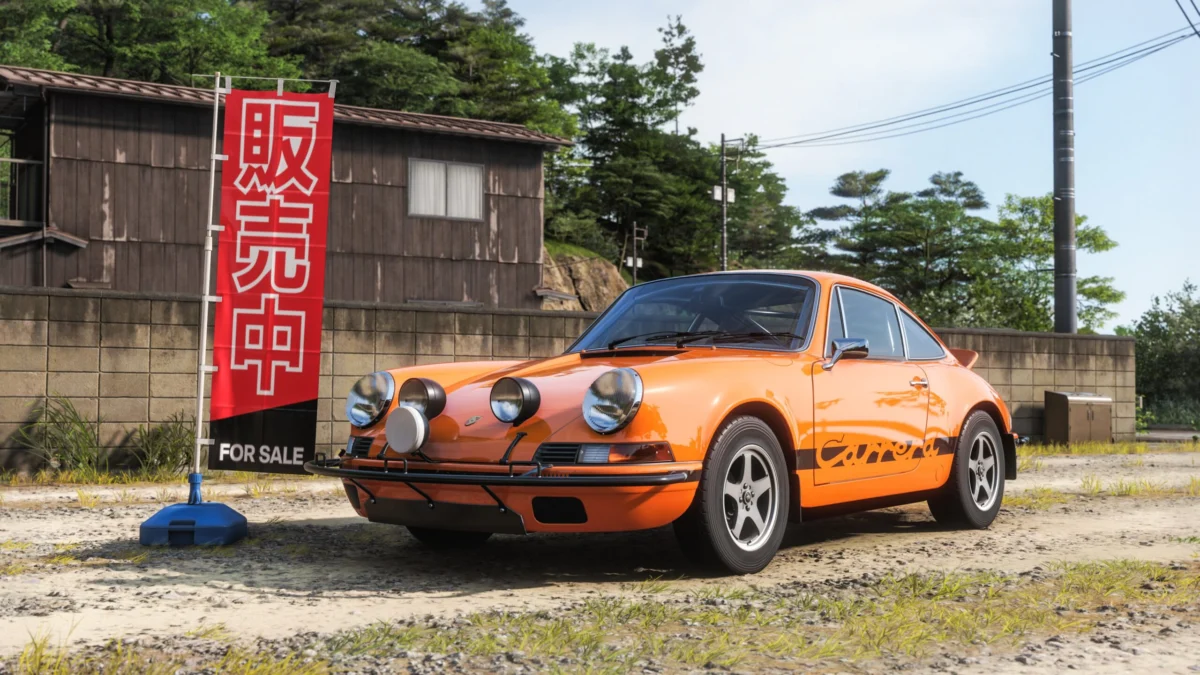
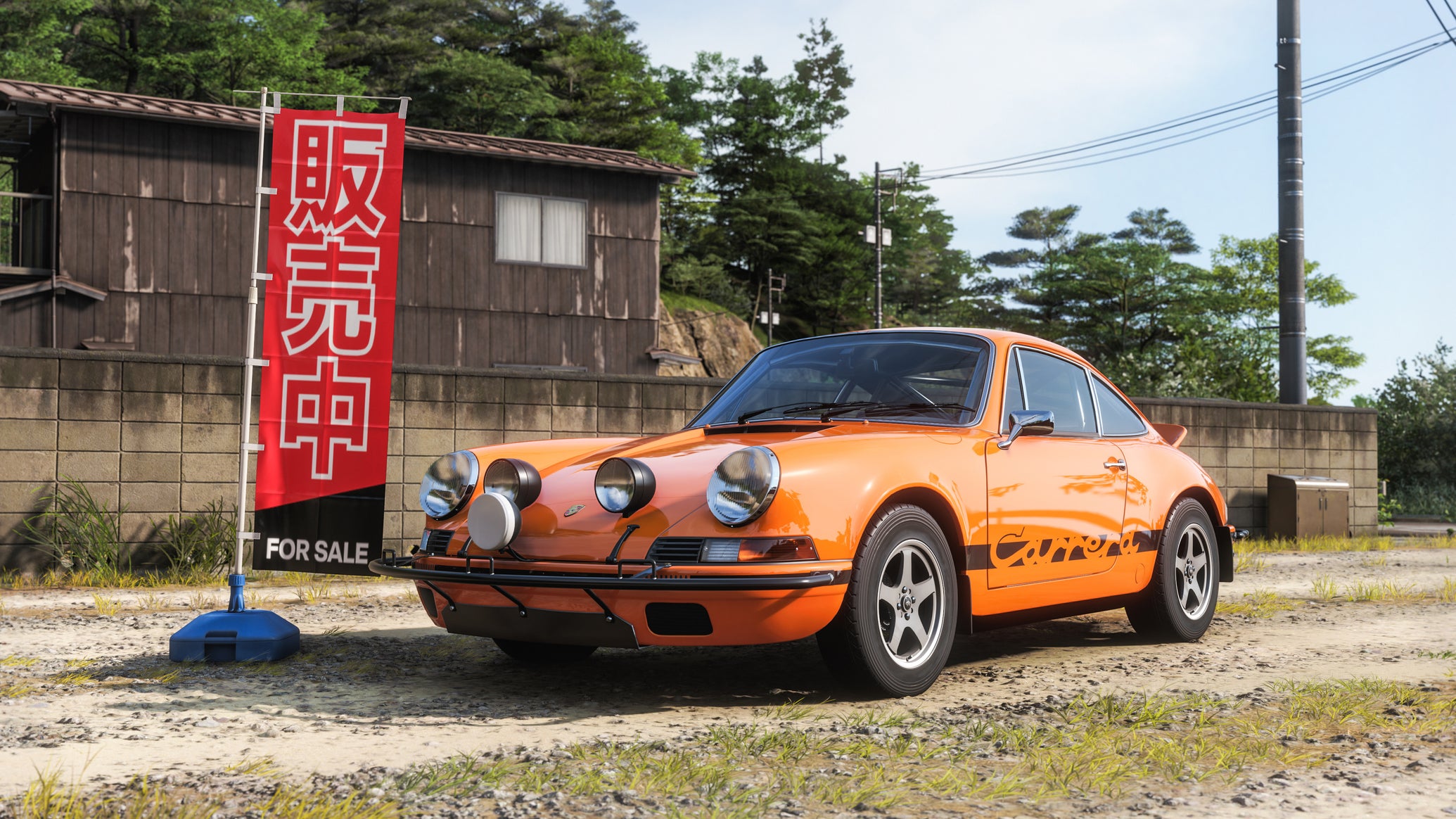
The "Treasure Car" mechanic—a clever evolution of the classic "Barn Find"—serves as a highlight. Instead of searching for a shed in a forest, players are given a photograph of a hidden vehicle with recognizable local landmarks in the background. Finding these cars requires a level of environmental observation that is both refreshing and rewarding, encouraging players to actually look at the world Playground Games has spent so much time crafting.
Supporting Data: Technical Fidelity and Accessibility
Visually, Forza Horizon 6 is a benchmark for the current generation of hardware. The integration of ray tracing is not just a marketing bullet point; it fundamentally changes the way the world is perceived. In the lush, natural regions of the Japanese countryside, the fidelity of the lighting and foliage is such that it often blurs the line between a digital asset and a real-world photograph.

The accessibility features also deserve significant praise. The new 360-degree proximity radar is a game-changer for those who prefer cockpit or first-person views. By providing a clear, intuitive visual representation of surrounding traffic, it allows for more aggressive, competitive driving without the constant fear of blind-spot collisions. It is an inclusionary feature that manages to be useful for both casual players and those looking to squeeze every bit of performance out of their racing line.
Innovations: The Horizon Rush
While the core gameplay loop remains largely iterative, the introduction of Horizon Rush events offers a necessary shake-up. These races occur on makeshift obstacle courses—often utilizing unconventional urban architecture—that demand precision rather than raw speed. Because these events frequently restrict your choice of vehicle, they force the player to actually grapple with the game’s handling model. For a few brief, glorious moments, Forza Horizon 6 demands that you respect the road. It is a stark contrast to the rest of the game, where the "festival" atmosphere often allows for a more relaxed, arcade-like approach.
Official Stance and Development Philosophy
Playground Games has maintained that Forza Horizon 6 is intended to be a "celebration of the automobile" rather than a cold, calculated racing simulation. In discussions surrounding the development, the studio has emphasized that the goal was to capture the feeling of driving in Japan—the culture of the touge (mountain pass) drifting, the neon-lit street racing scenes of Tokyo, and the serene beauty of the rural landscape.
The studio’s decision to keep the gameplay accessible is a conscious choice, not a technical limitation. By removing the "punishing" elements of motorsport, they have created a space where the car is the star, not the leaderboard. This philosophy ensures that the game remains an inviting gateway for millions of players who might otherwise be intimidated by the technical requirements of titles like iRacing or Forza Motorsport.

Implications for the Genre
The success—or perceived stagnation—of Forza Horizon 6 carries significant implications for the open-world racing genre. By choosing to stay the course, Playground Games has cemented the Horizon series as the industry standard for "lifestyle" racing games. However, it also highlights a growing divide.
For the dedicated enthusiast, there is a lingering desire for more friction. The "rubber-banding" AI, where opponents suddenly morph from reckless rammers into precision-perfect drivers, remains a frustrating hallmark of the series. The lack of meaningful penalty for crashing or taking shortcuts off-road can make victory feel unearned.
Yet, to demand that Forza change its identity is perhaps to misunderstand its purpose. The game is not trying to be a simulator; it is trying to be an experience. If you come to Forza Horizon for the fantasy of driving your dream car through a beautifully realized, real-world-inspired location, there is simply no equal. It is the ultimate digital tourism experience.
Final Verdict
Forza Horizon 6 is a safe, spectacular, and undeniably fun iteration of a beloved series. It does not reinvent the wheel, but it polishes it to a mirror finish. Whether it is the stunning visual fidelity of the Japanese map, the vast, addictive collection of vehicles, or the sheer joy of drifting through a mountain pass at sunset, the game succeeds in every goal it sets for itself.

It is a game that knows exactly what it is and who it is for. If you are looking for an edge, a challenge that forces you to refine your craft, or a grit-filled racing simulation, you will likely find yourself wanting. But if you are looking for the absolute peak of the open-world racing genre, Forza Horizon 6 remains the king of the road—even if it is a road we have traveled many times before.












No comments yet. Be the first to join the conversation!