
 Reynand Wu
By Jaime Tugayev, News Editor
The landscape of first-person shooters (FPS) is a dynamic tapestry, constantly woven with new ideas and evolving gameplay. Yet, amid the relentless march of technological advancement and genre conventions, there’s a poignant nostalgia for the mechanics that once pushed boundaries, offering unique experiences that still resonate with players today. These aren’t just forgotten features; they represent moments of true creative daring that, for various reasons, have largely faded from mainstream titles. From the unpredictable dance of dice rolls in gunfights to the chilling realism of a persistent, debilitating illness, these mechanics offered depth and immersion that many modern FPS games struggle to replicate. This article delves into some of the most innovative and impactful mechanics that, while perhaps lost to the sands of time, continue to inspire and inform what could be for the genre.
The Allure of the Unpredictable: RNG Gunplay and the Strategic Edge
One of the most debated, yet undeniably impactful, mechanics to emerge from early FPS titles was the integration of Random Number Generation (RNG) into gunplay, particularly in the context of suppressive fire. While modern shooters often prioritize pinpoint accuracy and player skill, games like the Brothers in Arms series, developed by Gearbox Software, dared to question this paradigm.
Suppressive Fire: Beyond the Crosshair
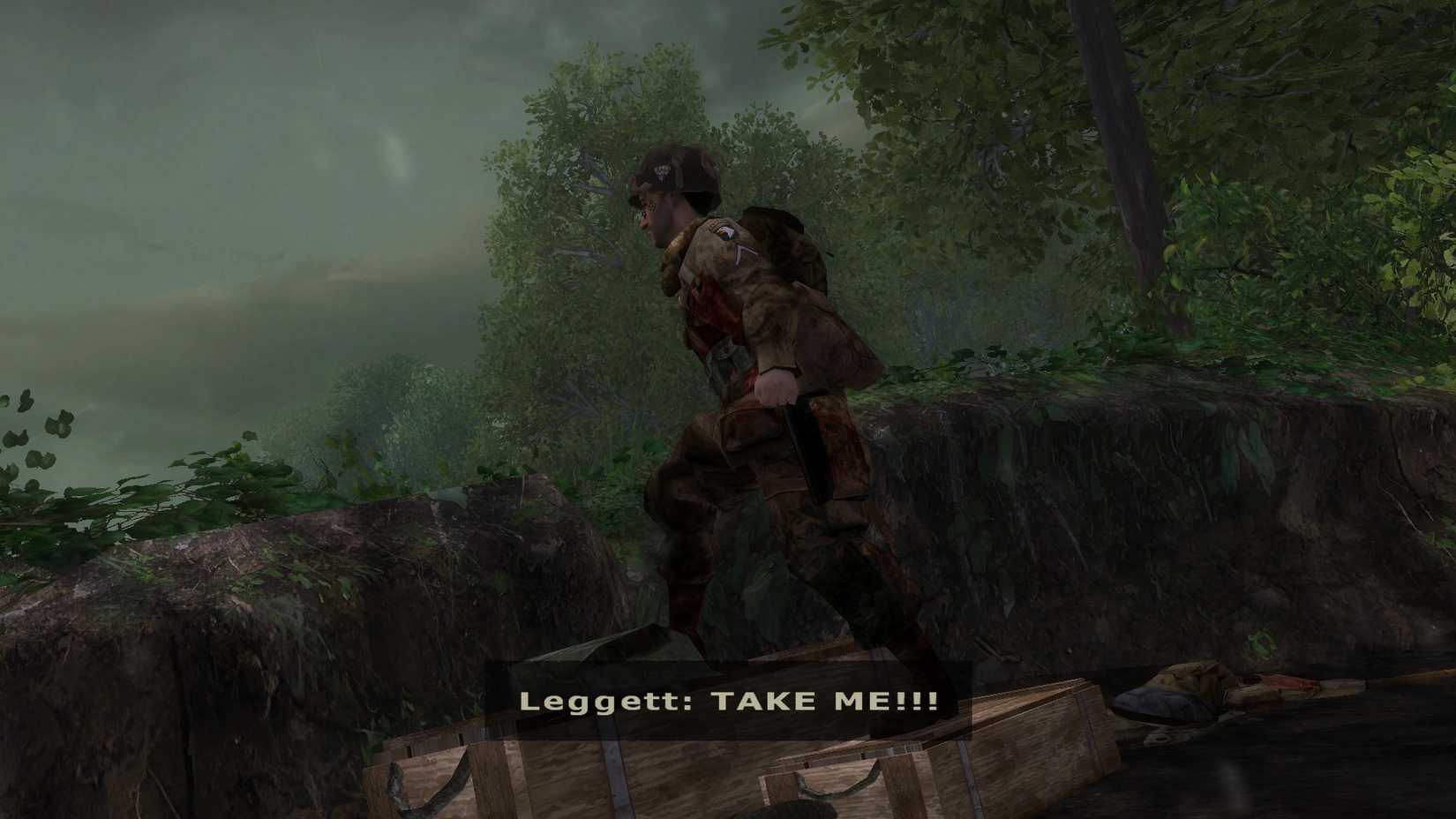
The Brothers in Arms series, specifically the mainline trilogy, presented a unique approach to combat where simply aiming at an enemy in cover wasn’t enough to guarantee a hit. Instead, the success of a shot against a concealed opponent was heavily influenced by RNG. This meant that even with perfect aim, a player might miss their target if the "gods of randomness" weren’t on their side. This mechanic, while initially frustrating for players accustomed to direct hit registration, fundamentally shifted the tactical approach to combat.
Instead of relying solely on raw aiming skill, players were incentivized to think tactically. Flanking maneuvers, coordinated fire, and overwhelming enemy positions with sustained fire became paramount. The game actively discouraged head-on assaults against entrenched enemies, forcing players to utilize their squad’s abilities and the environment to their advantage. This created a more cerebral and engaging combat loop, demanding strategic thinking over pure reflexes.
While some multiplayer communities, as evidenced by discussions around mechanics like suppression in Battlefield, have proven "too immature" for such nuanced systems, the appeal of RNG-driven gunplay in single-player FPS titles remains. It fosters a sense of realism and unpredictability that can elevate the stakes and encourage deeper engagement with the game’s mechanics. The challenge lies in balancing this randomness to feel fair and strategic, rather than purely arbitrary.

The Weight of Responsibility: Squad Permadeath and the Stakes of Every Encounter
The concept of permadeath, a staple in roguelike genres, has also found its way into FPS titles, adding a profound layer of consequence and emotional investment. When the lives of your virtual comrades carry permanent weight, every decision, every firefight, becomes a high-stakes gamble.
I Have Failed You, Brother: The Impact of Permanent Loss
The original Ghost Recon series stands as a seminal example of how squad permadeath can elevate an FPS experience. In these titles, the loss of a squad member wasn’t just a temporary setback; it was a permanent consequence of player error. A moment’s inattention, a poorly chosen position, or a missed corner could lead to the irreversible death of a valuable team member, along with their unique skillset.
This mechanic fostered an unparalleled sense of tension and immersion. Players were forced to be hyper-aware of their surroundings, meticulously planning their approach to every engagement. The fear of losing a comrade meant that every bullet fired, every piece of cover utilized, carried a palpable weight. This level of consequence is a stark contrast to the often consequence-free respawn systems found in many contemporary FPS games, where the loss of life is a fleeting inconvenience.
While modern games like Ready or Not and Escape from Tarkov explore similar themes of high-stakes combat and the loss of valuable assets, the pure implementation of squad permadeath in games like Ghost Recon offered a unique blend of strategic depth and emotional resonance. The challenge for developers is to implement such a system in a way that feels fair and rewarding, rather than punishing and frustrating.
Resourcefulness and Realism: Tossing Picked-Up Guns and the Value of Ammunition
The act of scavenging for weapons and ammunition is a common sight in FPS games. However, the way these resources are handled can significantly impact the player’s immersion and tactical decision-making. The nuanced approach to picked-up weapons in Medal of Honor: Warfighter offers a compelling example of how a seemingly small detail can add considerable depth.
It’s Called Borrowing, Look It Up: The Tactile Experience of Scavenged Firepower
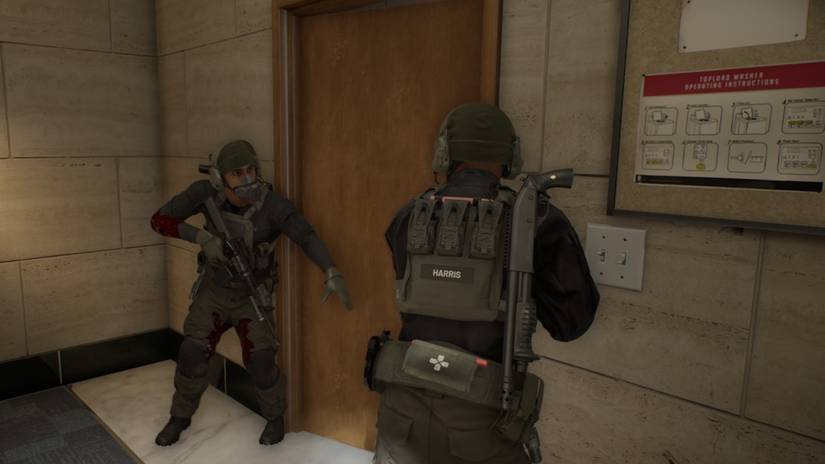
Medal of Honor: Warfighter, despite its mixed reception, featured a particularly innovative mechanic regarding the use of enemy weapons. Instead of simply swapping out your current firearm for a newly acquired one, the game introduced a system where picked-up weapons were treated as temporary, last-resort tools.
When a player picked up an enemy’s weapon, their character would holster their primary firearm and equip the scavenged one. The crucial element was that these temporary weapons were not meant to be kept indefinitely. As soon as the player ran out of ammunition for the scavenged weapon or decided to switch back to their primary, the weapon would be discarded on the ground. This "borrowing" mechanic made acquiring enemy weapons feel like a genuine act of desperation, a tactical decision driven by immediate need rather than a permanent upgrade.
This system was further enhanced by the game’s emphasis on ammunition sharing between teammates. Players could periodically receive extra magazines from their squad, making the use of scavenged weapons a viable survival strategy until a lull in the fighting allowed for proper rearmament. This approach to weapon acquisition added a layer of tactical realism, forcing players to constantly assess their ammunition status and make strategic choices about when and how to engage with enemy weaponry. It was a mechanic that rewarded resourcefulness and added a tangible sense of the precariousness of combat.
The Persistent Threat: Malaria Management and the Unseen Enemy
The introduction of environmental hazards and persistent ailments can significantly alter the player’s perception of the game world and their own vulnerability. Far Cry 2‘s malaria mechanic stands as a bold and effective example of how a persistent, debilitating condition can enhance immersion and challenge.
The Deadliest Mosquito in Gaming History: A Constant Battle for Survival
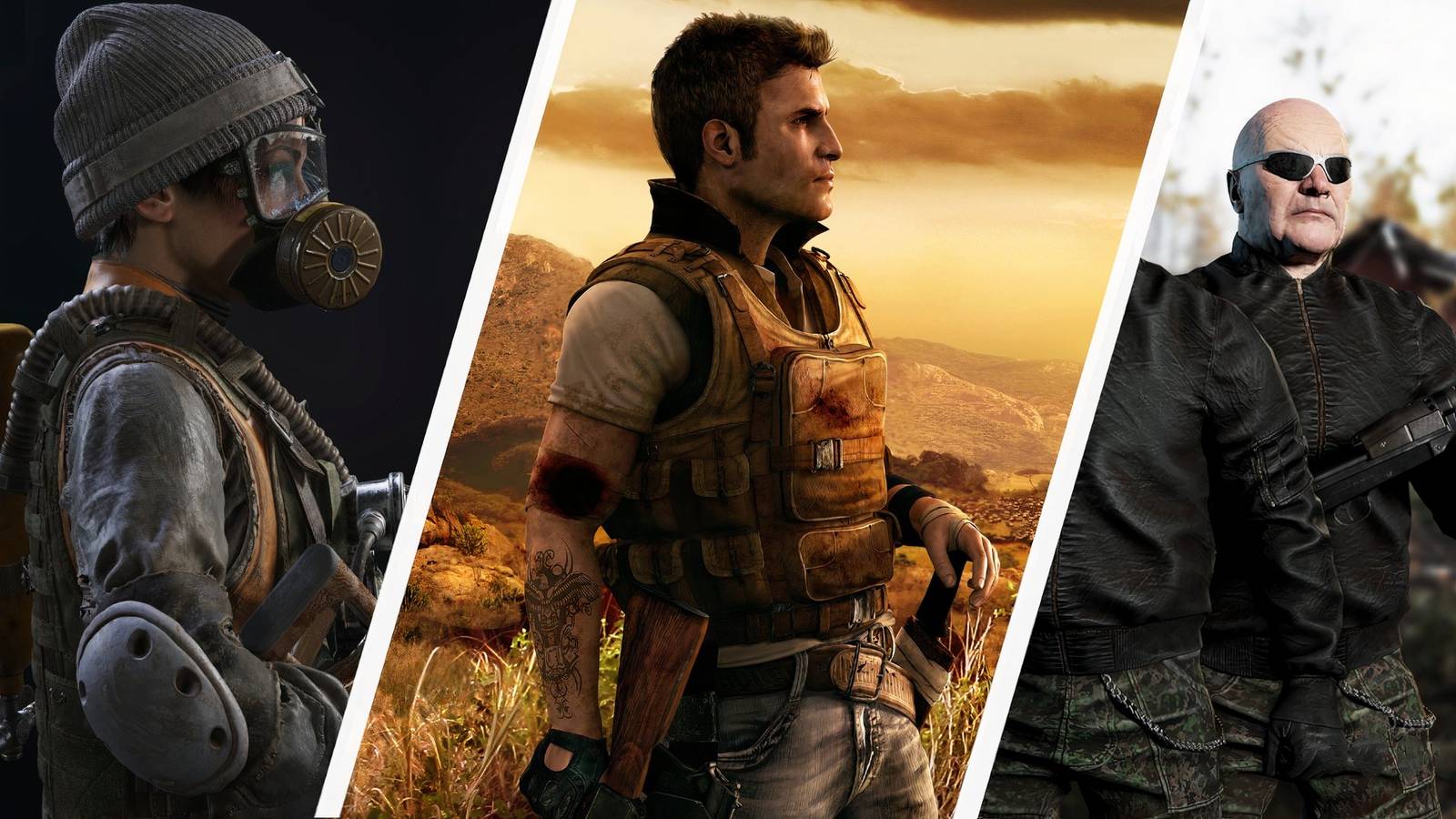
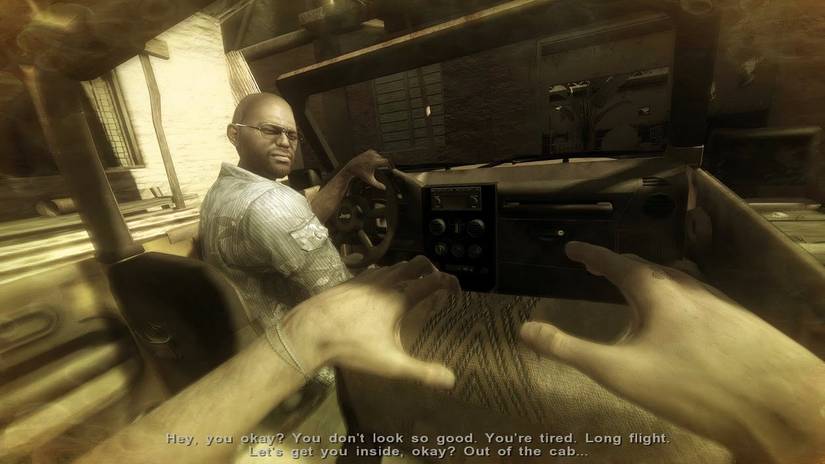
Far Cry 2, widely regarded as a high point in the franchise for its ambitious open-world design and immersive systems, featured a malaria mechanic that profoundly impacted the player’s experience. Unlike many games where afflictions are confined to cutscenes or temporary debuffs, the malaria in Far Cry 2 was a constant, looming threat that actively influenced gameplay.
The mechanic meant that the player character would experience malaria attacks periodically, typically at least once every hour of gameplay. These attacks would manifest as visual and auditory distortions, such as blurred vision and a disoriented feeling, until the player took their antimalarial medication. The absence of these pills would eventually lead to the character collapsing, effectively ending their mission and highlighting the direct consequences of their preparedness.
This mechanic wasn’t just a minor inconvenience; it was a core element of the game’s survival fantasy. It forced players to actively manage their health and resources, ensuring they always had a supply of medication. The constant threat of a malaria attack added a layer of urgency and realism to the already tense environment of the game. It was a brilliant design choice that underscored the fragility of the protagonist and the harsh realities of the African continent, making Far Cry 2 a truly unique and unforgettable experience. The success of this mechanic demonstrated how environmental factors and persistent health challenges can significantly deepen player engagement and create a more compelling narrative.
Sensory Immersion: Immersive Gas Masks and the Power of Auditory Feedback
The fidelity of sensory feedback in FPS games can be a powerful tool for immersion. The way a game simulates the experience of wearing specialized gear, such as a gas mask, can significantly enhance the player’s connection to the game world. The Metro series has consistently excelled in this regard, creating a palpable sense of claustrophobia and vulnerability.
In the Metro, Everyone Can Hear You Breathe: The Claustrophobic Reality of Protective Gear
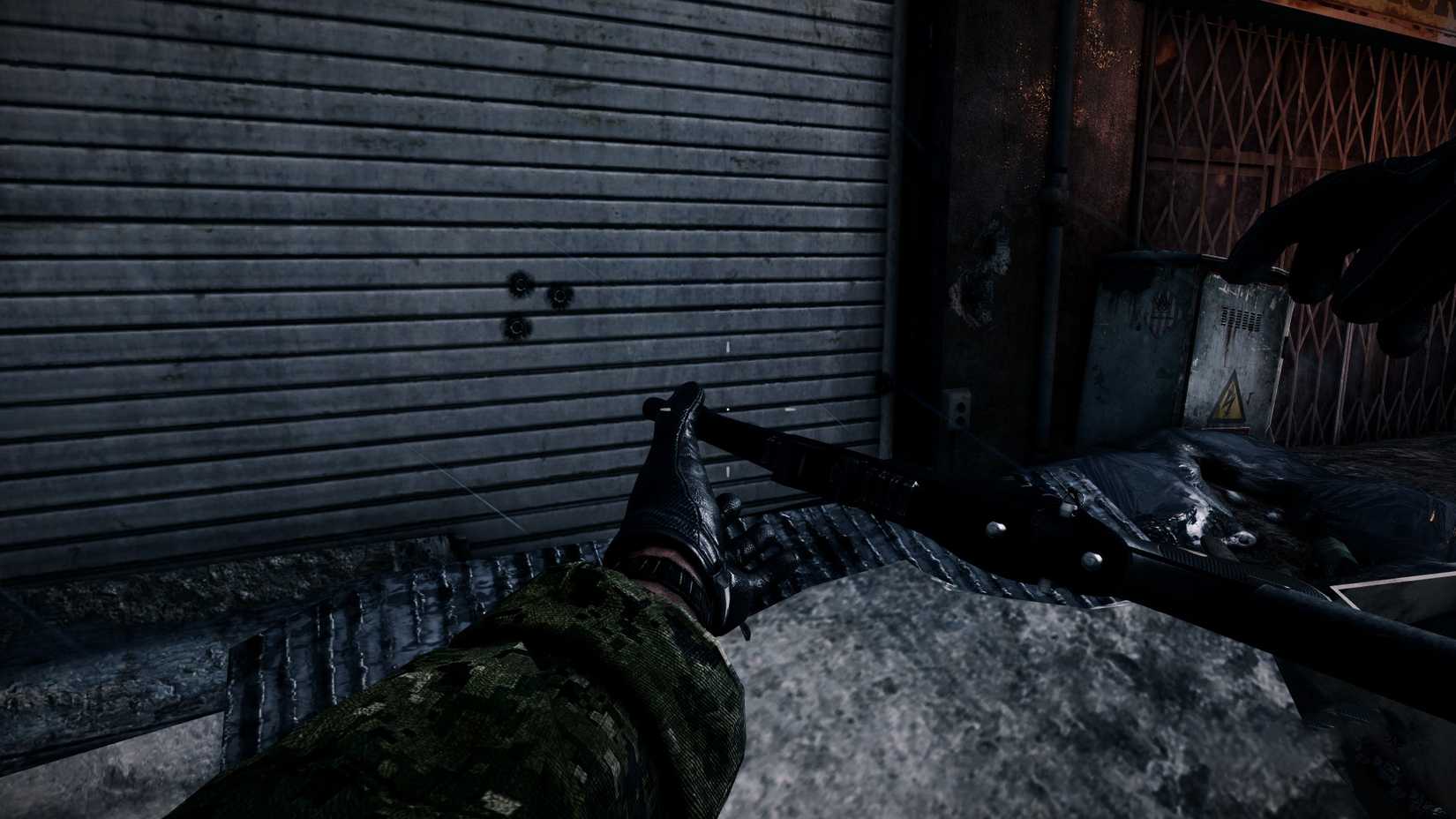
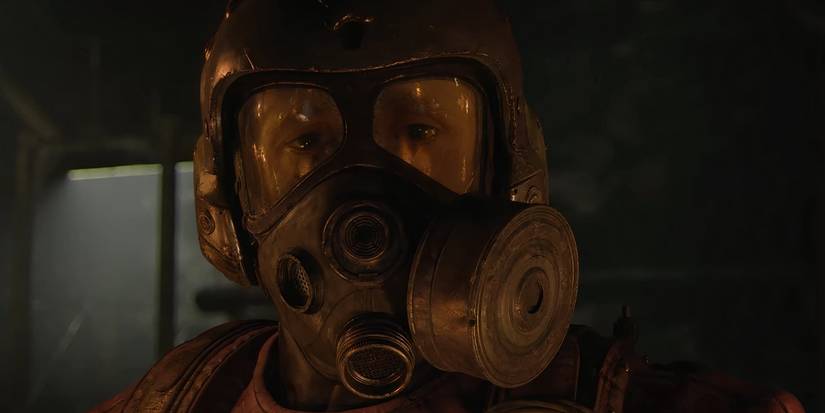
The Metro series, from its inception, has masterfully employed the use of gas masks to heighten immersion. When the player character, Artyom, is forced to don a gas mask to navigate irradiated environments, the game doesn’t just present a visual overlay; it creates a comprehensive sensory experience.
The player is subjected to the sounds of their own labored breathing, a constant reminder of the toxic atmosphere. The visor fogs up, obscuring vision, and drips of water or blood further impede sightlines. The player’s only recourse is to use their gloved hand to clear the visor, a deliberate action accompanied by a loud, visceral "clunk" against the glass. This tactile feedback makes the gas mask feel alive and reactive, a tangible barrier between the player and the hostile world.
This level of detail is crucial for establishing a sense of realism and vulnerability. It stands in stark contrast to games where such elements are merely cosmetic or have minimal gameplay impact. The immersive quality of the gas mask mechanic in the Metro series sets a high bar for any first-person game that features bulky headwear, demonstrating how meticulously crafted sensory details can elevate the player’s experience to new heights.
The Art of the Enemy: Collaborative Hivemind AI and the Challenge of Intelligent Opposition
The artificial intelligence (AI) of enemy combatants is a cornerstone of the FPS experience. While many games struggle to strike a balance between predictable and unfairly difficult AI, F.E.A.R. (First Encounter Assault Recon) presented a revolutionary approach to enemy intelligence that remains a benchmark for the genre.
F.E.A.R. the Bots: A True Fireteam Experience
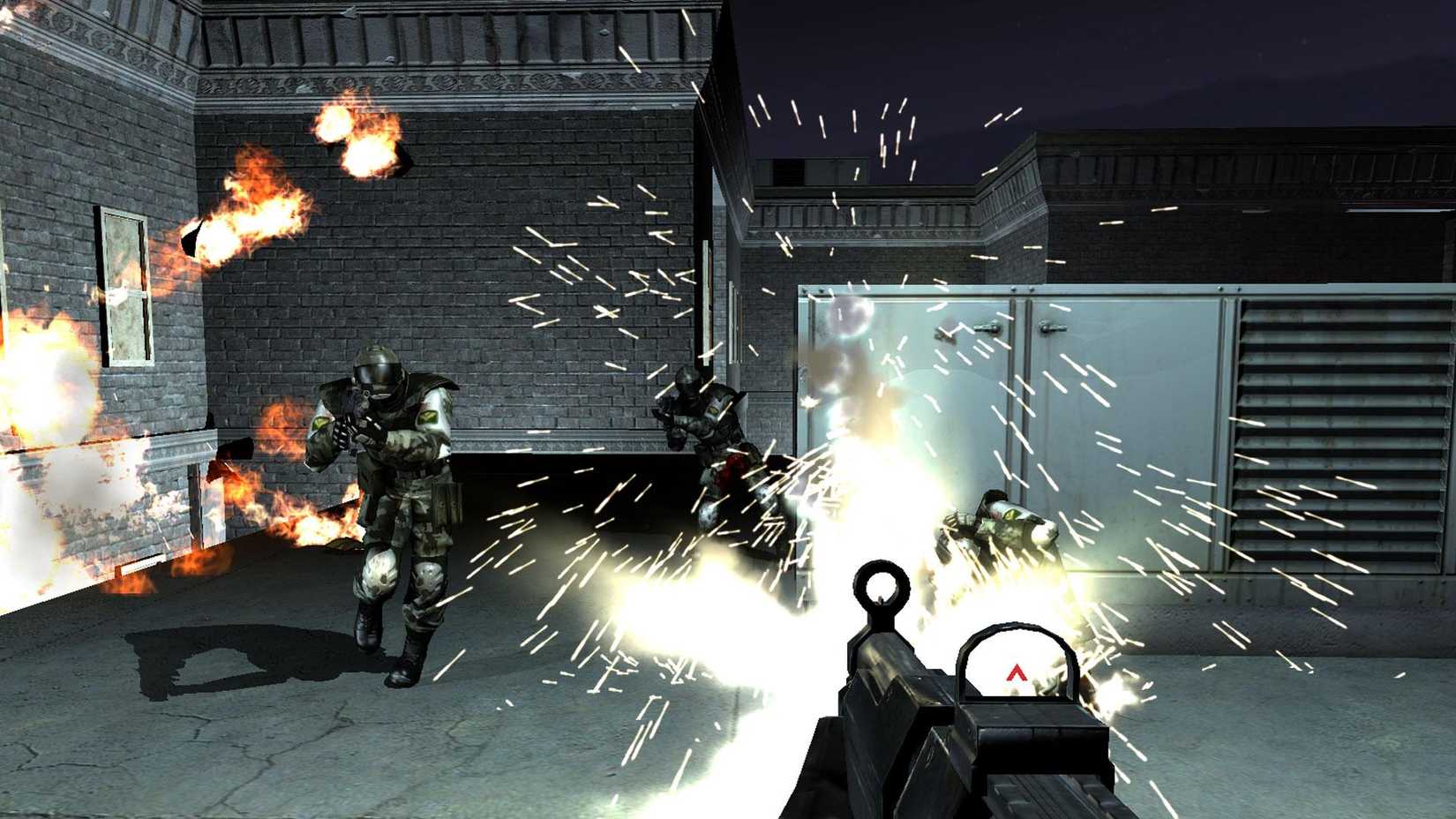
F.E.A.R., developed by Monolith Productions, is renowned for its groundbreaking AI, which transcended the common pitfalls of predictable or "aimbotting" enemies. The game’s AI was designed to be highly reactive and intelligent, exhibiting a remarkable variety of responses to player actions. Enemies didn’t just charge blindly; they communicated, coordinated, and utilized their environment effectively.
The AI featured a sophisticated squad system that mimicked the behavior of a real fireteam. Enemies would flank, lay down suppressive fire, use grenades to flush players out of cover, and communicate enemy positions and actions through voice callouts. This created a dynamic and challenging combat experience where players constantly had to adapt to the evolving battlefield.
The brilliance of F.E.A.R.’s AI lay not only in its complexity but also in its presentation. The game effectively conveyed the AI’s actions through voice cues and visual feedback, making players feel aware of the enemy’s tactical decisions. This made each encounter feel less like a scripted event and more like a genuine tactical engagement against intelligent adversaries. The legacy of F.E.A.R.’s AI continues to inspire developers, underscoring the importance of intelligent and reactive enemy behavior in creating truly compelling FPS gameplay.
Temporal Tactics: Freezing Time and the Strategic Implications of Time Manipulation
The concept of manipulating time has long been a fascination in gaming, and the FPS genre has seen some truly innovative implementations of this mechanic. SUPERHOT stands out as a prime example of a game that leverages time manipulation to create a unique and engaging gameplay loop.
A Super Hot Mechanic: The First-Person Strategy Game
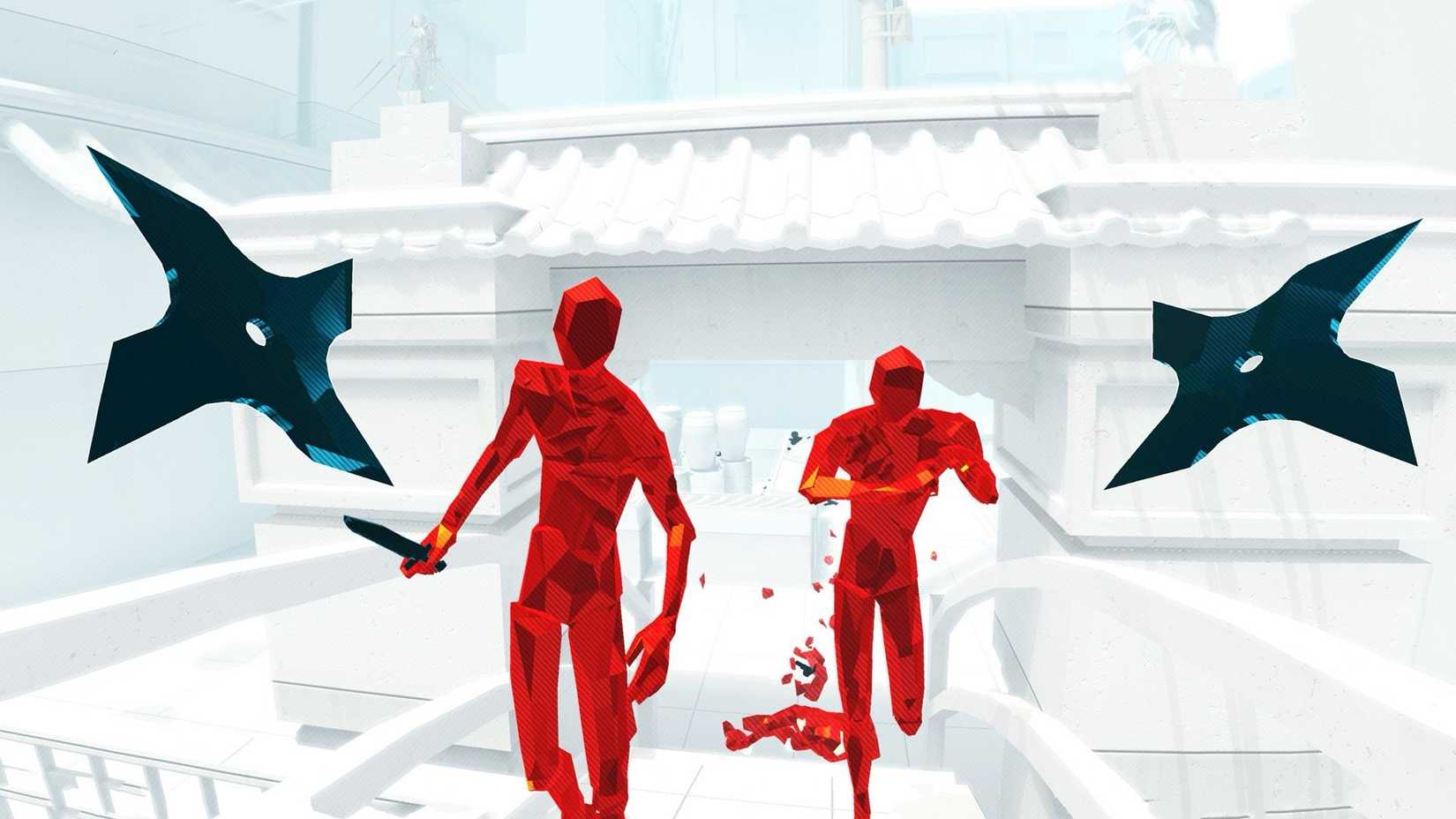
SUPERHOT‘s core gameplay premise is elegantly simple: time only moves when the player moves. This fundamental rule transforms the fast-paced action of an FPS into a methodical, turn-based strategy game. Every action, every shot, every dodge, must be carefully considered as the world freezes around the player, allowing for deliberate planning.
This mechanic allows players to execute intricate combat sequences that would be impossible in a real-time shooter. Dodging bullets, disarming enemies, and maneuvering into advantageous positions become puzzles to be solved in slow motion. The juxtaposition of the game’s John Wick-esque combat and its somewhat surreal narrative with the slow-motion strategy gameplay creates a unique and compelling experience.
The innovative nature of SUPERHOT’s time-bending mechanics has significant potential for integration into more traditional FPS titles. Imagine a shooter that combines the tactical depth of SUPERHOT with the gritty realism of military simulations. Such a game could offer players an unparalleled level of strategic control over the battlefield, allowing for emergent gameplay scenarios that are both challenging and deeply rewarding.
The Tactile Reality of Firearm Handling: Manual Reloads and the Simulation of Mechanical Action
The reloading mechanic in FPS games has, for the most part, remained remarkably consistent: press a button, and your weapon is reloaded. However, some titles have dared to introduce more intricate and simulation-focused reloading systems, offering a deeper appreciation for the mechanics of firearms. Road to Vostok, an indie survival shooter, exemplifies this approach.
Bolt-Action Minigames: Experiencing the Nuances of Firearm Mechanics
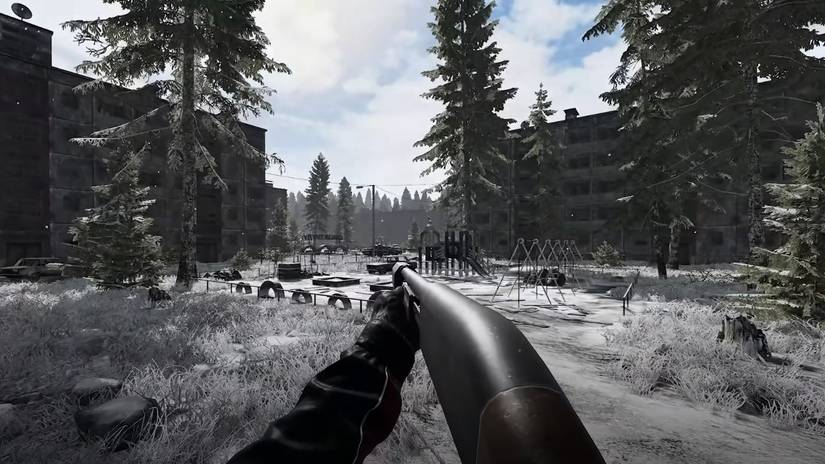
In most FPS games, the difference between a bolt-action rifle and a pump-action shotgun is primarily the rate of fire. The actual mechanical process of cycling the action is often abstracted away, leaving players with a superficial understanding of these firearms. Road to Vostok challenges this convention by implementing a detailed manual reload system.
In Road to Vostok, bolt-action rifles and pump-action shotguns require manual cycling after each shot. More impressively, the game allows for a truly granular reloading process. For instance, with a Mosin-Nagant rifle, players must press a dedicated key to cycle the bolt after firing, chambering the next round. To perform a full reload, a separate keybinding initiates a process where bullets are inserted one by one, each requiring a specific key press.
This level of detail, while initially appearing cumbersome, offers a profound insight into the operational mechanics of these firearms. It highlights why modern, semi-automatic weapons became the standard, demonstrating the inherent delays and vulnerabilities associated with manual actions. Road to Vostok’s approach creates a tactile and interactive experience that goes beyond mere button presses, offering players a simulated understanding of firearm handling that is rarely seen in the genre.
The Unrivaled Scale of Conflict: Thousand-Player Servers and the Epic Sweep of Warfare
The ambition of replicating the true scale of warfare has long been a holy grail for FPS developers. While many games market themselves as "large-scale," few have managed to deliver on the promise of truly massive online battles. World War II Online, launched in 2001, remains a solitary beacon in this regard.
War Never Changes: The Enduring Legacy of Mass Combat
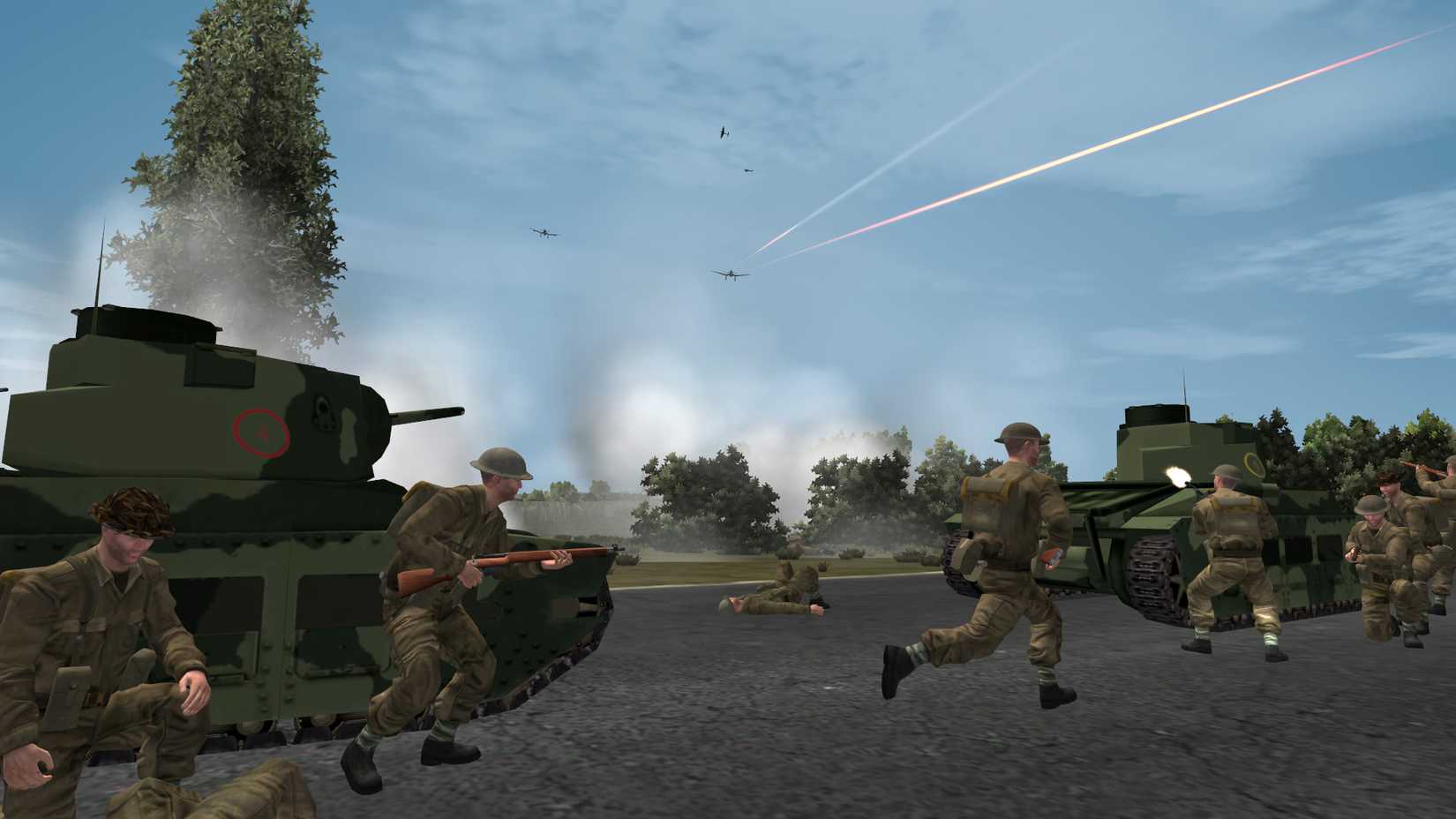
World War II Online stands as a testament to the pursuit of scale in FPS games, having achieved what few titles have managed since: supporting up to 1,000 players on a single server. This ambitious undertaking allowed for an unprecedented recreation of the vastness and chaos of World War II battles.
While modern games like Battlefield and Squad offer large player counts, they often fall short in terms of persistent warfare or consistent continuity. Battlefield maps, despite their size, are contained arenas, and Squad, while offering strategic depth, lacks the overarching campaign progression that truly defines large-scale conflict. ARMA Reforger, while aiming for realism, has been hampered by technical issues.
In contrast, World War II Online provided a persistent world where players engaged in continuous battles across vast maps spanning multiple countries. This created a dynamic and evolving conflict where individual actions had a tangible impact on the larger war effort. Despite its age and dated graphics, the game’s ability to support such an immense player count and facilitate a truly epic sense of warfare remains unmatched.
The subscription model that powered World War II Online may not be viable for today’s market, but the aspiration to create a shooter that captures the sheer scope of global conflict without compromising on scale is a dream that many players still hold. The legacy of World War II Online serves as a powerful reminder of what is possible when developers dare to think big and push the boundaries of online multiplayer experiences.
These mechanics, from the unpredictable nature of RNG gunplay to the unparalleled scale of thousand-player servers, represent pivotal moments in the evolution of the FPS genre. While some have faded into obscurity, their impact continues to resonate, offering a glimpse into the boundless potential for innovation that still lies within the realm of first-person shooters. As the industry continues to evolve, one can only hope that developers will look to these groundbreaking ideas as inspiration for creating the next generation of immersive and unforgettable gaming experiences.


 Lina Irawan
 Sagoh
Sagoh





