Basiran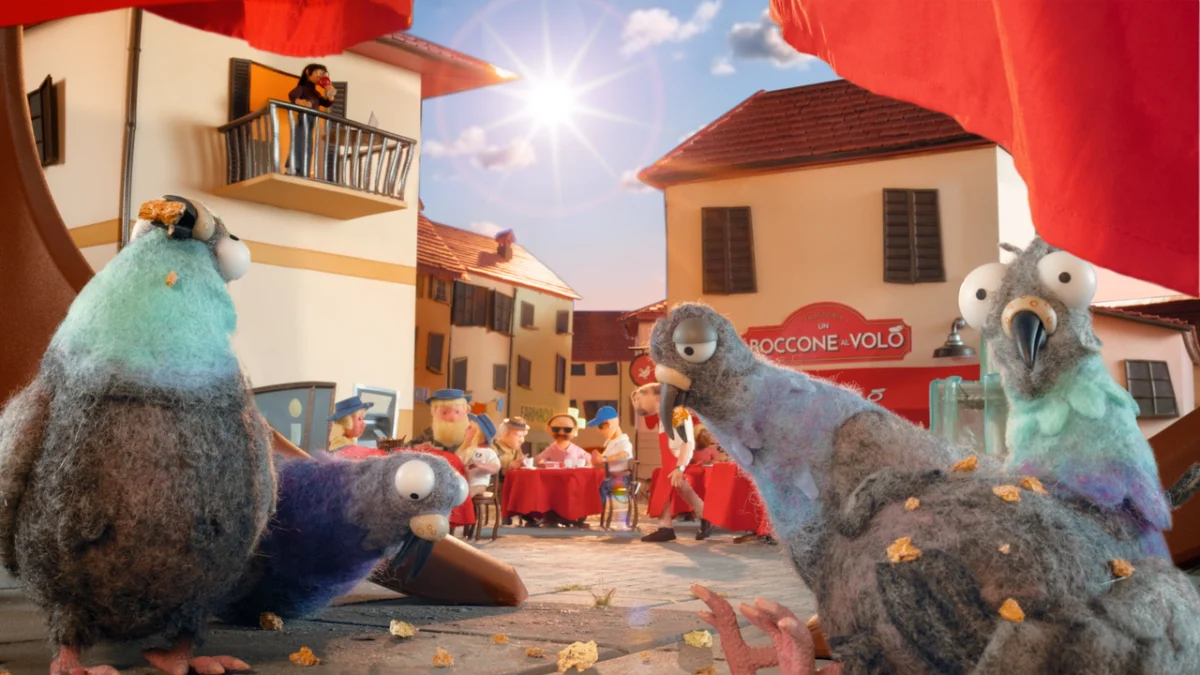
Design, for many, is a field shrouded in intimidating jargon, complex software interfaces, and a high barrier to entry. Canva, the global design behemoth, has spent years attempting to dismantle these walls, positioning its platform as the great equalizer of creativity. Now, in a bold departure from its usual digital-first marketing, the company has pivoted to an unlikely ambassador to spread its message: a stop-motion pigeon named Picci1.
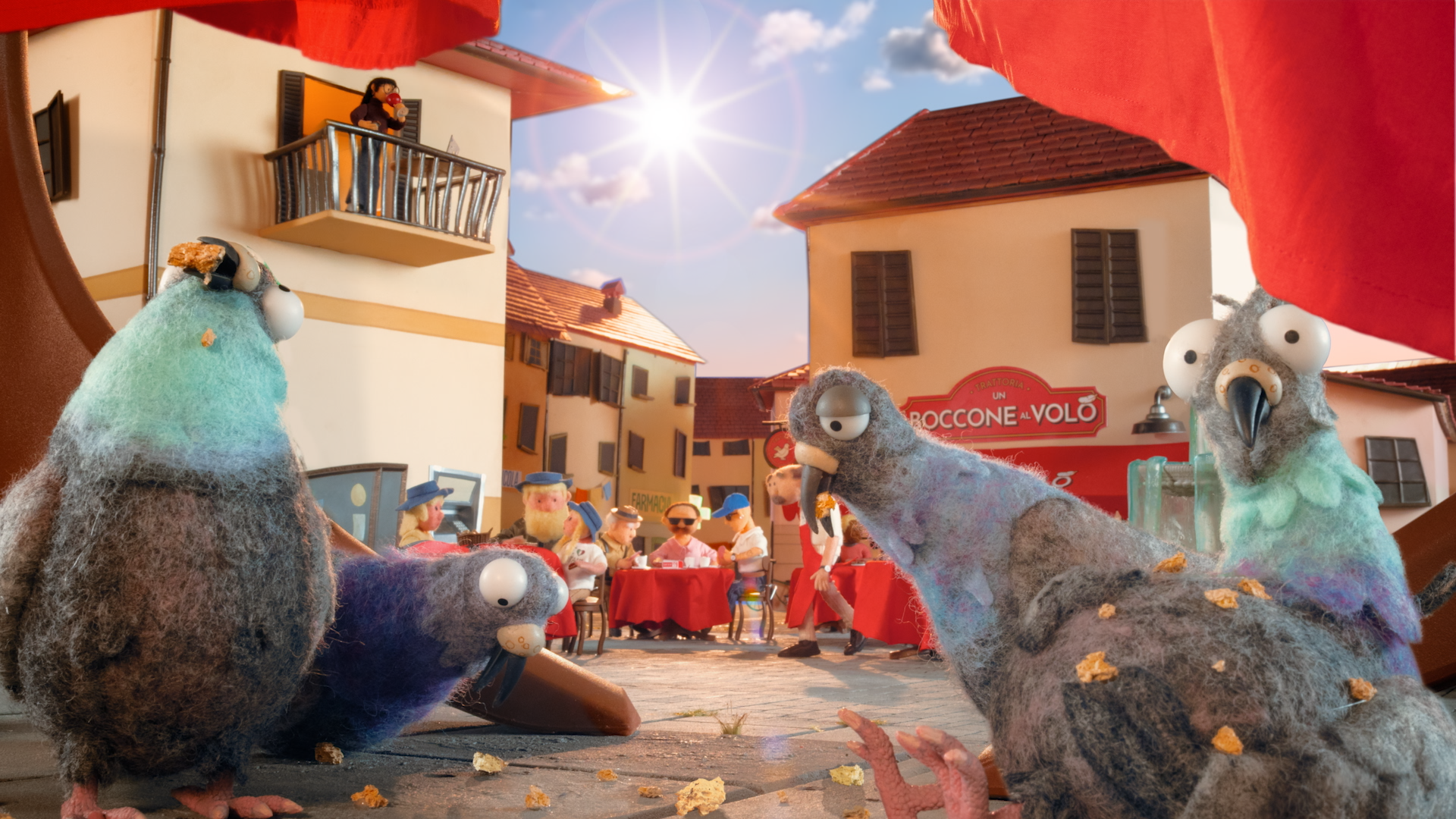
In a charming new 30-second advertisement titled Wild Design, Canva explores the power of visual identity through the eyes of a bird. The spot, which has captured the imagination of the design community, sees the eponymous pigeon acting as a creative director for a struggling, empty Italian trattoria. Through the lens of traditional, handcrafted stop-motion animation, the ad aims to prove that design is not just for the elite—it is for everyone, even those scavenging for crumbs on the cobblestones of an Italian piazza.
The Narrative: From Scraps to Success
The story arc of Wild Design is deceptively simple yet emotionally resonant. Picci1, tired of fighting his flock for the dwindling remains of human meals, takes matters into his own wings. Recognizing that the local trattoria is failing—evidenced by its lack of customers—he utilizes the Canva platform to overhaul the restaurant’s brand.
In a sequence that emphasizes speed and ease of use, the pigeon designs a new visual identity, signage, and promotional materials. The result is instantaneous: the restaurant transforms into a thriving local hotspot. As the eatery fills with patrons, the supply of food increases, and the pigeons find themselves in a paradise of crumbs. The subtext is clear: effective design is a catalyst for growth, and when a business succeeds, everyone—even the most peripheral members of the community—benefits.
The Art of the Slow in a Fast-Moving Industry
What makes Wild Design particularly striking is the medium itself. While Canva is an industry leader in rapid, template-driven digital design, the campaign is an exercise in meticulous, "slow" production.
Every element within the ad—from the protagonist, Picci1, to the intricate tablecloths and the food he interacts with—was crafted entirely by hand. The production team utilized textiles for the characters, imbuing them with a tactile, physical quality that digital animation often lacks. This choice was deliberate. By embracing the slight imperfections inherent in stop-motion—the subtle wobbles and the organic textures—Canva is making a statement about the human element in design.
The animation was produced by the UK-based studio A+C and directed by Dan Richards, a former animator at the legendary Aardman Studios. The pedigree of the production team is evident in every frame, which feels less like a corporate advert and more like a labor of love.
A Chronology of the Campaign’s Development
The project, helmed by the independent creative agency DUDE (based in Milan), represents a significant investment in localizing a global brand.
- Conceptualization (Late 2024): Canva and DUDE identified the need to move beyond digital-only marketing to build a more authentic, grounded connection with the Italian market.
- Production (Early 2025): The collaboration with A+C and Dan Richards began. The team focused on the "cobblestone" aesthetic, aiming to capture the specific atmosphere of an Italian piazza.
- The Launch (Mid-2025): The campaign rolled out across various channels. Beyond the 30-second spot, the strategy includes a documentary-style radio piece that "interviews" the pigeon about his design process, as well as extensive out-of-home (OOH) advertising across major Italian cities.
- Public Reception: The ad has been met with critical acclaim for its warmth, serving as a counter-narrative to the sterile, cold nature often associated with modern tech advertising.
Supporting Data and Creative Intent
The decision to utilize stop-motion in the year 2026 is, as DUDE COO and partner Lorenzo Picchiotti notes, "a genuine statement."
"We looked for the most unexpected point of view possible and we found it among the cobblestones of an Italian piazza," says Picchiotti. "Precisely because the project is about design, craft couldn’t be anything but central. We wanted every frame to be a declaration of love for design."
The production values are not just aesthetic choices; they are strategic branding tools. By investing in a high-production-value stop-motion campaign, Canva is attempting to align its brand with the values of "care" and "craft." This is particularly relevant in the Italian market, where heritage, tradition, and physical design history hold immense cultural weight.
Official Responses: The Brand Perspective
Oli Bussell, Creative Lead at Canva, emphasizes the necessity of surprise in modern advertising. "We wanted to genuinely surprise people," Bussell states. "Stop motion was a unique way to show up in the Italian market. At this level, it’s a serious undertaking. It embodies care, craft, and design—values that resonate deeply with Italian audiences and ones that Canva is proud to champion."
For Canva, this campaign is about humanizing a software interface. By showing a pigeon navigating a design tool, the message is subliminal but potent: if a pigeon can use Canva to save a restaurant, anyone can use Canva to elevate their own business or creative project.
The AI Contradiction: A Digital Dilemma
However, the brilliance of the campaign is not without its critics, or at least, its observers. There is a palpable tension between the message of "handcrafted, tactile design" and the reality of Canva’s current business trajectory.
Like its major competitor, Adobe, Canva has spent the last 24 months aggressively integrating AI-driven tools into its platform. These tools, which allow for instant image generation, text-to-design, and automated layout generation, are the polar opposite of the "slow", manual stop-motion animation showcased in the Wild Design ad.
This has led to inevitable questions regarding irony. When a company heavily invested in AI-driven efficiency markets itself through the medium of painstaking, human-led craftsmanship, does it risk appearing disingenuous?
History suggests this is a common trap. Microsoft recently faced backlash regarding the ironic use of a hand-drawn, "human" mascot to represent its AI-powered GitHub Copilot. Critics argued that the company was using the aesthetic of human labor to mask the displacement of it. Canva, while not facing the same level of vitriol, is navigating a similar tightrope. Is the Wild Design campaign a genuine celebration of design, or is it an "art-washing" exercise—using the warmth of stop-motion to distract from the cold efficiency of the AI tools beneath the hood?
Implications for the Future of Brand Storytelling
The success of Wild Design signals a broader trend in the marketing landscape. As we become increasingly saturated with AI-generated imagery and synthetic media, the value of the "handmade" is skyrocketing.
Brands that can successfully pivot between the convenience of AI and the emotional resonance of tactile, physical craft will likely win the war for consumer attention. The implication for designers is clear: the future of the industry isn’t just about speed or efficiency; it is about the ability to curate, to direct, and to infuse soul into the work.
Whether the pigeon is a Trojan horse for AI-driven automation or a sincere homage to the beauty of physical design, the campaign succeeds in its primary goal: it has made the world look at Canva—and perhaps at the pigeons on the street—with new eyes. By bridging the gap between the high-tech, fast-paced world of digital design and the low-tech, slow-paced world of the Italian piazza, Canva has created a moment of genuine cultural resonance in a market that is often defined by its digital sterility.
As the industry continues to grapple with the role of artificial intelligence, one thing remains certain: the human desire for story, texture, and character will not be easily replaced. For now, Canva seems content to let the pigeon do the talking.

 Siti Muinah
 Nana
Nana