Laily UPN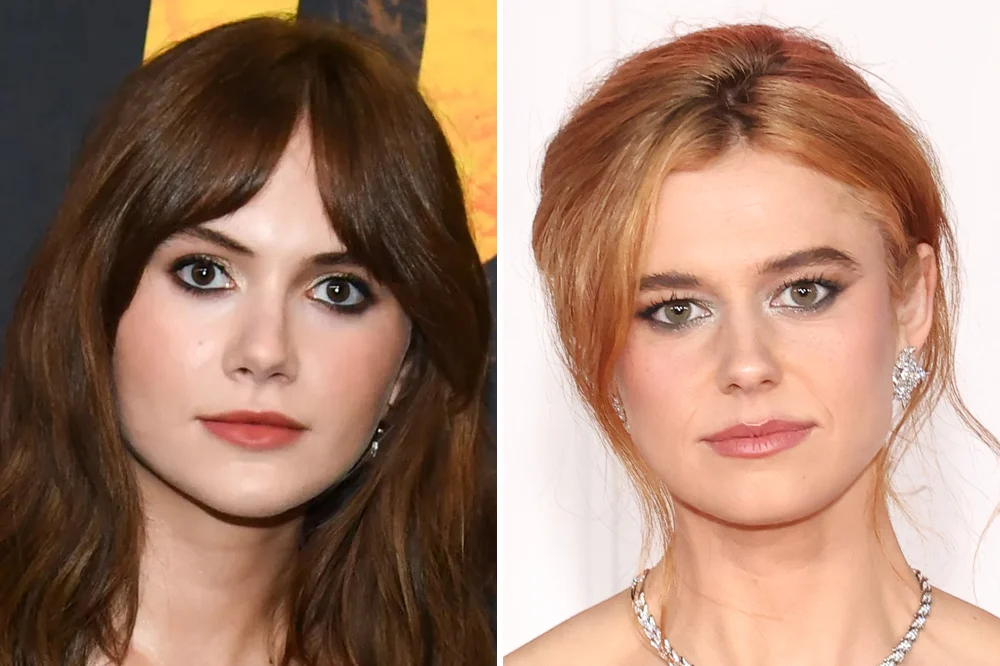
Main Facts: A Global Streaming Home for a High-Stakes Project
Following an explosive reception at last year’s American Film Market (AFM), where it stood as one of the most highly sought-after packages, the period thriller Bad Bridgets has officially found its global distributor. Netflix has secured the rights to the film, marking a significant milestone for a project that blends historical grit with high-octane narrative tension.
The film will feature a powerhouse duo in its lead roles: Emilia Jones, the BAFTA-nominated star of the Oscar-winning CODA, and Alison Oliver, known for her breakout performances in Emerald Fennell’s Saltburn and the upcoming Wuthering Heights. This casting news follows a significant production pivot, with Oliver stepping in to replace Daisy Edgar-Jones, who was previously attached to the project.
At the helm is writer-director Rich Peppiatt, who recently ascended to critical stardom following the massive success of his BAFTA-winning directorial debut, Kneecap. The project is being shepherded by Margot Robbie’s LuckyChap Entertainment—a production powerhouse currently riding a wave of industry dominance. The film draws its narrative foundation from the non-fiction work Bad Bridget: Crime, Mayhem, and the Lives of Irish Emigrant Women, authored by historians Elaine Farrell and Leanne McCormick.
Chronology: The Journey from Historical Research to Production
The roadmap to Bad Bridgets represents a deliberate fusion of academic research and commercial cinema. The project’s timeline highlights how the industry moves from intellectual property acquisition to global distribution.
The Foundation (2022–2024)
The story began with the publication of Farrell and McCormick’s research, which uncovered the forgotten, often violent, and frequently criminal lives of 19th-century Irish immigrant women. The nuance of these historical accounts—moving away from the traditional tropes of the “desperate immigrant” to show the agency and rebellion of these women—caught the eye of filmmakers. In 2024, Peppiatt and producer Trevor Birney launched their banner, Coup d’Etat Films, signaling a shift toward more ambitious, internationally viable storytelling.
The Development Phase (2025)
In 2025, the team formally optioned the rights to Bad Bridget. During this period, the project was developed with the institutional support of Queens University, Belfast, ensuring that the historical context remained tethered to the reality of the Great Famine and the subsequent mass migration.
The Market Surge (Late 2025–2026)
The project hit the American Film Market in late 2025, where it became a focal point for international buyers. The combination of LuckyChap’s brand prestige and the visceral, provocative subject matter led to a competitive bidding war. FilmNation launched the package to international buyers, while WME Independent handled the U.S. negotiations. The acquisition by Netflix, finalized in early 2026, guarantees a massive, multi-territory rollout.
The Road Ahead (2026–2027)
Principal photography is scheduled to commence later in 2026, with the production set to take place on location in Northern Ireland and the Republic of Ireland. Post-production will follow, with a projected release date likely eyeing the festival circuit or an awards-season window in 2027.
Supporting Data: Why ‘Bad Bridgets’ Resonates
The appeal of Bad Bridgets lies in its subversion of the “famine drama” genre. Rather than focusing solely on the tragedy of starvation, the film centers on the survivalist instinct and the subsequent transformation of its protagonists into anti-heroes.
The Historical Backdrop
The 19th-century narrative centers on two sisters fleeing a landscape of systemic abuse and agricultural collapse. Their migration to New York City acts as a catalyst for their transformation into “Bridgets”—a derogatory slang term used in the 1800s to describe Irish domestic workers. However, in the film’s narrative, the term is reclaimed. The women navigate the unforgiving landscape of New York’s slums, eventually engaging in criminal enterprises to survive.
The Creative Team
The production design team represents the upper echelon of industry talent. Oscar-winning production designer James Price (known for his work on Poor Things) and costume designer Kate Hawley (Crimson Peak) have been brought on to recreate the duality of the aesthetic: the muted, earthy tones of famine-stricken Ireland contrasted against the gritty, industrial, and fast-paced sprawl of 19th-century New York.
The Production Powerhouse
LuckyChap Entertainment’s involvement serves as the primary indicator of the film’s potential for cultural impact. Having produced films that bridge the gap between high-art and mass-market appeal, LuckyChap’s backing provides the film with the necessary budget to execute the complex, multi-locational set pieces required for a historical thriller of this scope.
Official Responses and Industry Sentiment
While the studios have remained guarded regarding specific plot details, the industry sentiment surrounding the acquisition is overwhelmingly positive.
"This is a story that has been hiding in plain sight," notes a representative from the development team. "By focusing on the ‘Bad Bridgets,’ we aren’t just telling a story about migration; we are telling a story about power, gender, and the extreme lengths individuals will go to when society has stripped them of every other option."
For Netflix, the acquisition is a strategic win. The platform has seen consistent success with female-led period dramas and international thrillers. By pairing the directorial vision of Peppiatt—who proved with Kneecap that he can handle high-energy, politically charged narratives—with the global star power of Emilia Jones and Alison Oliver, Netflix is positioning this film as a cornerstone of their 2027 prestige slate.
The academic community, specifically at Queens University, Belfast, has also lauded the project. The collaboration emphasizes the importance of historical accuracy, even within the framework of a thriller. "It is rare that a commercial film seeks such rigorous grounding in social history," a university spokesperson stated. "It validates the work of Farrell and McCormick and brings a necessary, darker perspective to the Irish diaspora story."
Implications: The New Wave of Irish Cinema
The greenlighting of Bad Bridgets carries significant implications for the future of Irish cinema and the global appetite for period-specific genre pieces.
1. The "Kneecap" Effect
The success of Rich Peppiatt’s Kneecap has fundamentally shifted the industry’s perception of Irish storytelling. Producers are now more willing to invest in narratives that are unapologetically local yet possess universal themes of rebellion, poverty, and survival. Bad Bridgets is the direct beneficiary of this momentum.
2. The Evolution of the "Period Piece"
Modern audiences are becoming increasingly fatigued by "heritage" films that favor aesthetic nostalgia over narrative stakes. Bad Bridgets represents a move toward the “gritty period thriller,” where the historical setting serves as a pressure cooker rather than a postcard. This shift is likely to encourage more studios to explore the darker, untold corners of history.
3. The Power of LuckyChap
With this project, LuckyChap Entertainment continues to solidify its influence as a curator of narratives that prioritize female agency. By choosing stories that challenge historical victimhood, the production company is setting a new standard for how major studios interpret female-led narratives.
4. Global Distribution Dynamics
The fact that a film set in rural Ireland and the slums of 19th-century New York was the subject of an international bidding war highlights the global reach of streaming platforms. Netflix’s ability to take a specifically Irish, niche-historical story and market it to a global audience proves that the appetite for localized cultural narratives is stronger than ever.
As production gears up for the 2026 shoot, the industry will be watching closely. Bad Bridgets is not merely a film; it is a test case for how historical research, high-end production design, and the current vogue for Irish cinema can coalesce into a global streaming phenomenon. If the team behind the project can replicate the raw energy of their previous work while maintaining the historical weight of the source material, Bad Bridgets could well be the definitive Irish thriller of the decade.


 Nana
Nana