Dwi Wanna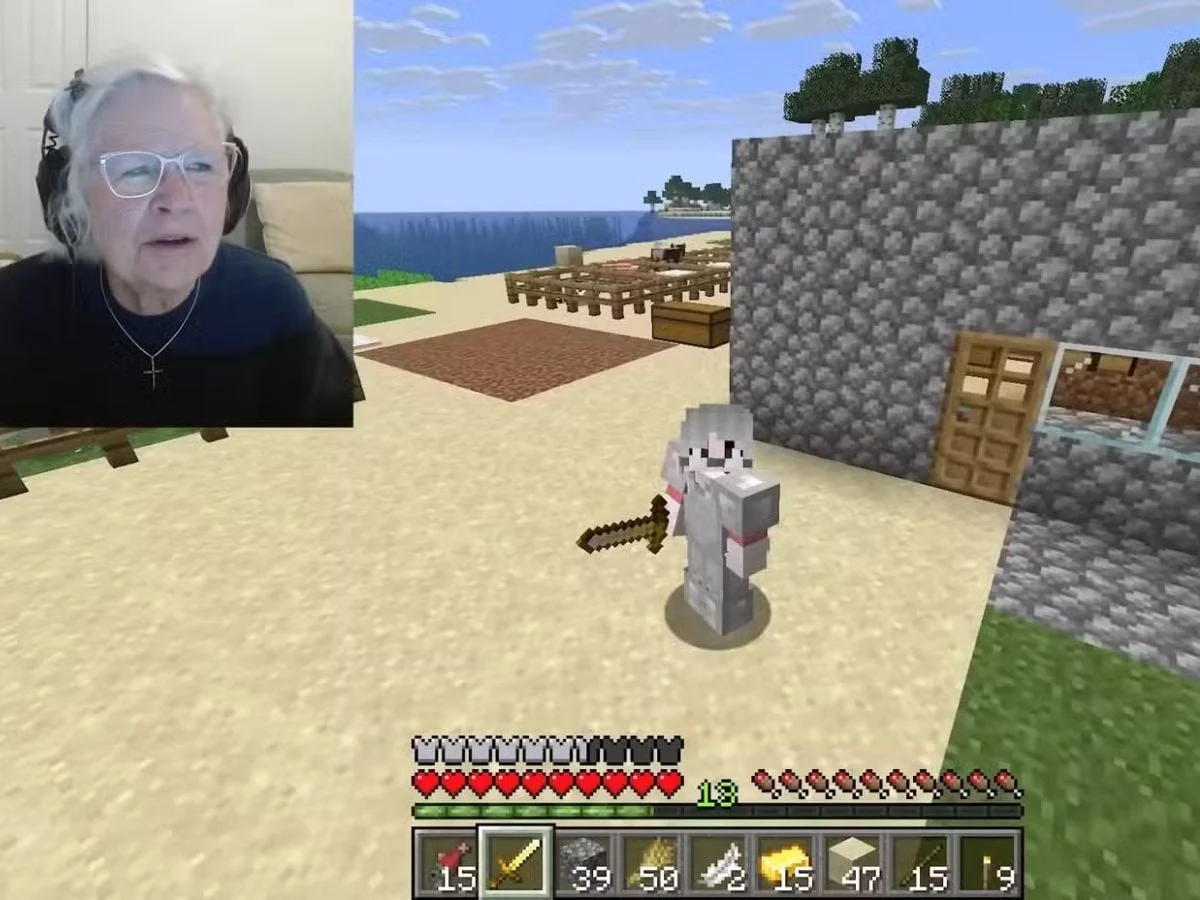
In the rapidly evolving landscape of digital content creation, the line between online entertainment and physical reality is often blurred. For 81-year-old Sue Jacquot, better known to her 600,000 YouTube subscribers as "GrammaCrackers," that line was violently crossed during a recent livestream. While attempting a grueling, non-stop Minecraft challenge to raise funds for her grandson’s ongoing cancer treatment, Jacquot became the victim of "swatting"—a dangerous, malicious prank that involves calling in a fake emergency to law enforcement to provoke an armed response at a target’s residence.
Though the incident ended without physical harm, it highlights the escalating risks faced by internet personalities, particularly those who occupy the most vulnerable demographics. This report explores the details of the incident, the implications of such harassment, and the remarkable resilience shown by the beloved gaming grandmother.
The Chronology of the Event
The incident occurred during an ambitious marathon broadcast in which Jacquot intended to play Minecraft continuously until she reached the game’s "end." As part of this endurance challenge, Jacquot had left her stream running while she attempted to get some sleep.
The Incursion
While Jacquot slept, unknown individuals placed a fraudulent distress call to local authorities, alleging a serious emergency at her residence. Law enforcement, operating under the assumption that they were responding to a genuine crisis, arrived at the home in force. Footage later shared by Jacquot’s grandson shows the moment of entry, with multiple officers clearing the home.
The Aftermath
Jacquot, who was deep in sleep when the police arrived, was awakened by officers. Despite the high-stress nature of a tactical police response, she maintained a remarkably calm demeanor. In a subsequent video, she recounted the event with a level of humor and grace that shocked her viewership.
"I was asleep—I was so asleep, I did not want to get up," Jacquot told her followers. She noted that the responding officers were professional and "pleasant," specifically praising the policewomen who entered her room. "They were the prettiest policewomen I’ve ever seen—beautiful eyes, so sweet, but I think she could kick butt if she needed to," she added.
Rather than succumbing to the trauma often associated with such violations, Jacquot chose to focus on the unexpected social support she received. "My grandkids and my kid, they were hugging me," she reflected. "You know, you can’t get that much attention normally. I was really eating it up!"
Understanding the Phenomenon of ‘Swatting’
Swatting is not merely a "prank"; it is a criminal act that weaponizes public safety resources against private citizens. The term derives from the Special Weapons and Tactics (SWAT) teams that are frequently deployed in response to these false reports of bomb threats, hostage situations, or homicides.
The Mechanics of the Attack
The perpetrators of swatting often utilize technology to mask their identities, using Voice over Internet Protocol (VoIP) services and VPNs to make it appear as though the call is originating from the victim’s own home or a nearby location. By providing "spoofed" information to emergency dispatchers, they manipulate police into treating a residence as a high-threat environment.
The Dangers
The danger inherent in this practice cannot be overstated. When police are dispatched under the pretense of a "life-or-death" situation, they arrive with weapons drawn, operating under heightened adrenaline and extreme caution. In previous cases across the United States, this has led to tragic, irreversible outcomes, including the death of innocent bystanders. That Jacquot’s experience ended peacefully is a testament to both the professionalism of the responding officers and a stroke of extreme good fortune.
Supporting Data and the Rise of Senior Creators
Sue Jacquot represents a growing demographic in the gaming industry: the "Silver Streamer." According to industry data, the average age of gamers has shifted significantly over the last decade, with a substantial portion of the player base now consisting of individuals over the age of 50.
The ‘GrammaCrackers’ Community
Jacquot’s channel has grown into a significant hub for intergenerational connection. Her content, which frequently features her playing Minecraft, is not just about the game; it is about the community she has built. Her primary motivation—the financial support of her grandson’s cancer treatment—has galvanized her audience.
By humanizing her struggle and inviting her audience into her living room, she has cultivated a level of loyalty that is rare in the transient world of internet fame. Her channel serves as a reminder that the internet can be a place of genuine empathy, even as it serves as a platform for the cruelest of bad-faith actors.
Official Responses and Legal Implications
While specific details regarding the investigation into the perpetrators remain private, swatting is a federal offense in many jurisdictions.
Legal Consequences
In the United States, federal authorities—including the FBI—have taken an increasingly aggressive stance against swatters. Legislation has been proposed and enacted to increase the severity of sentencing, recognizing that these calls place first responders and civilians in direct, mortal danger.
However, catching the culprits is notoriously difficult. Because swatters often operate internationally or use sophisticated obfuscation techniques, law enforcement is frequently left with few leads. Experts in digital security often advise streamers to take specific precautions, such as:
- Doxing Prevention: Ensuring personal addresses and phone numbers are scrubbed from public databases.
- Emergency Contact: Maintaining a direct, non-emergency line of communication with local police departments to verify their identity if a report is made.
- Operational Security (OPSEC): Avoiding the broadcast of real-time location identifiers during livestreams.
The Broader Implications for the Creator Economy
The attack on GrammaCrackers raises difficult questions about the future of live streaming. If a platform as wholesome as a grandmother playing Minecraft can be targeted by such vitriol, it begs the question: is any creator safe?
The Normalization of Harassment
There is a growing concern that harassment has become "gamified." Some online subcultures view the terrorizing of streamers as a form of social currency, seeking fame or infamy by disrupting the lives of others. When platforms fail to effectively police these subcultures, the burden falls on the individual creator to navigate an increasingly hostile digital environment.
A Call for Change
The resilience shown by Jacquot is inspiring, but it should not be the requirement for survival in the digital age. The incident has prompted calls for:
- Platform Accountability: Demanding that streaming platforms invest more heavily in creator protection and rapid-response tools for those experiencing real-time harassment.
- Public Awareness: Educating the public on the lethal consequences of swatting to discourage the "spectator" culture that often surrounds these events.
- Law Enforcement Training: Continued training for police departments on how to identify potential swatting calls before they escalate into high-risk tactical deployments.
Conclusion: Turning Tragedy into Momentum
For Sue Jacquot, the night of the swatting incident was a "new experience"—one she navigated with a spirit that puts many younger, more cynical creators to shame. Rather than letting the incident silence her or drive her from the platform, the publicity surrounding the event has paradoxically brought more attention to her cause.
As of this writing, Jacquot continues to stream, continues to play Minecraft, and continues to raise money for her grandson. She has turned an act of malice into a moment of human connection, demonstrating that while the internet can be a dangerous place, the community surrounding her is stronger than the cowards hiding behind anonymous calls.
As the industry watches, the story of GrammaCrackers stands as a sobering lesson. It is a reminder of the fragility of safety in a connected world, and a tribute to the enduring power of a grandmother who refuses to let fear stop her from doing what she loves for the people she loves. Whether or not justice is found for the individual who made that call, Jacquot’s commitment to her mission remains undeterred—a true victory of character over cruelty.

 Sagoh
Sagoh
 Ammar Sabilarrohman