The announcement of Humankind 2 during the Opening Night Live showcase at Gamescom should have been a moment of pure, unadulterated triumph for developer Amplitude Studios. As the sequel to their ambitious historical 4X strategy title, it represents the next step in a franchise defined by its "what if" approach to human history. Yet, the reveal was overshadowed by a peculiar, modern-day controversy: a wave of skepticism from viewers convinced that the announcement trailer was the product of generative AI.
In an era where the boundary between human artistry and algorithmic generation is increasingly porous, Amplitude Studios found itself forced to provide proof of its own creative process. The incident serves as a fascinating case study in how the visual language of AI has become so pervasive that it has begun to color our perception of reality itself.
The Reveal and the Backlash: A Chronology of Suspicion
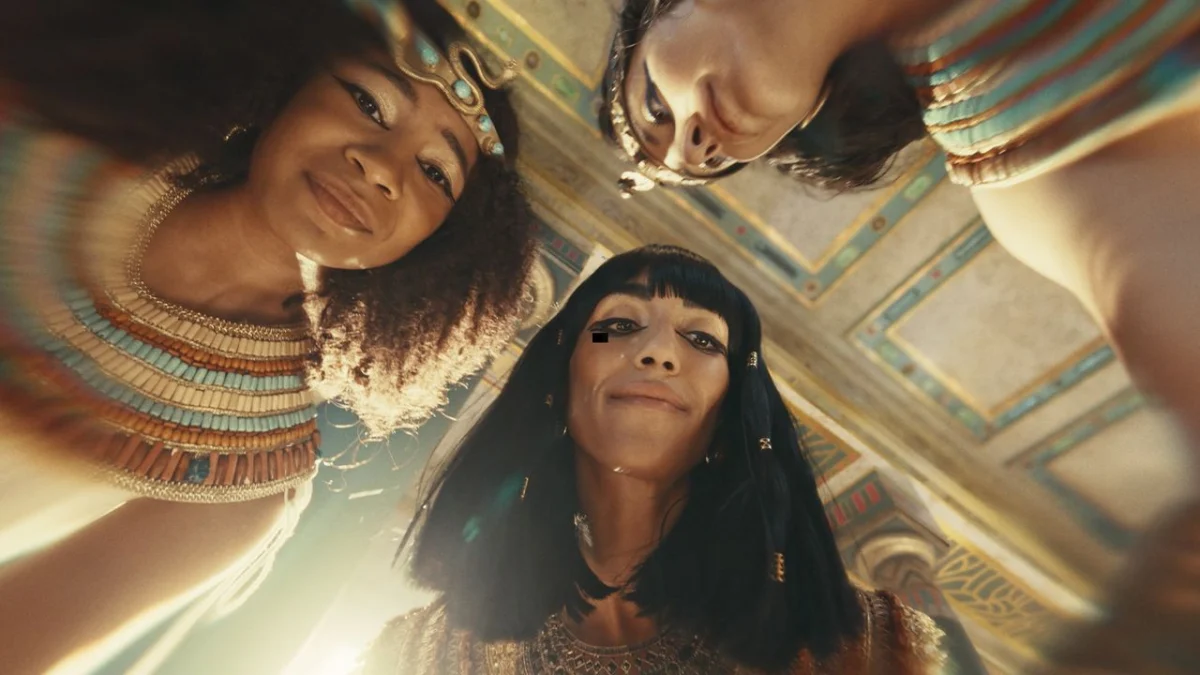
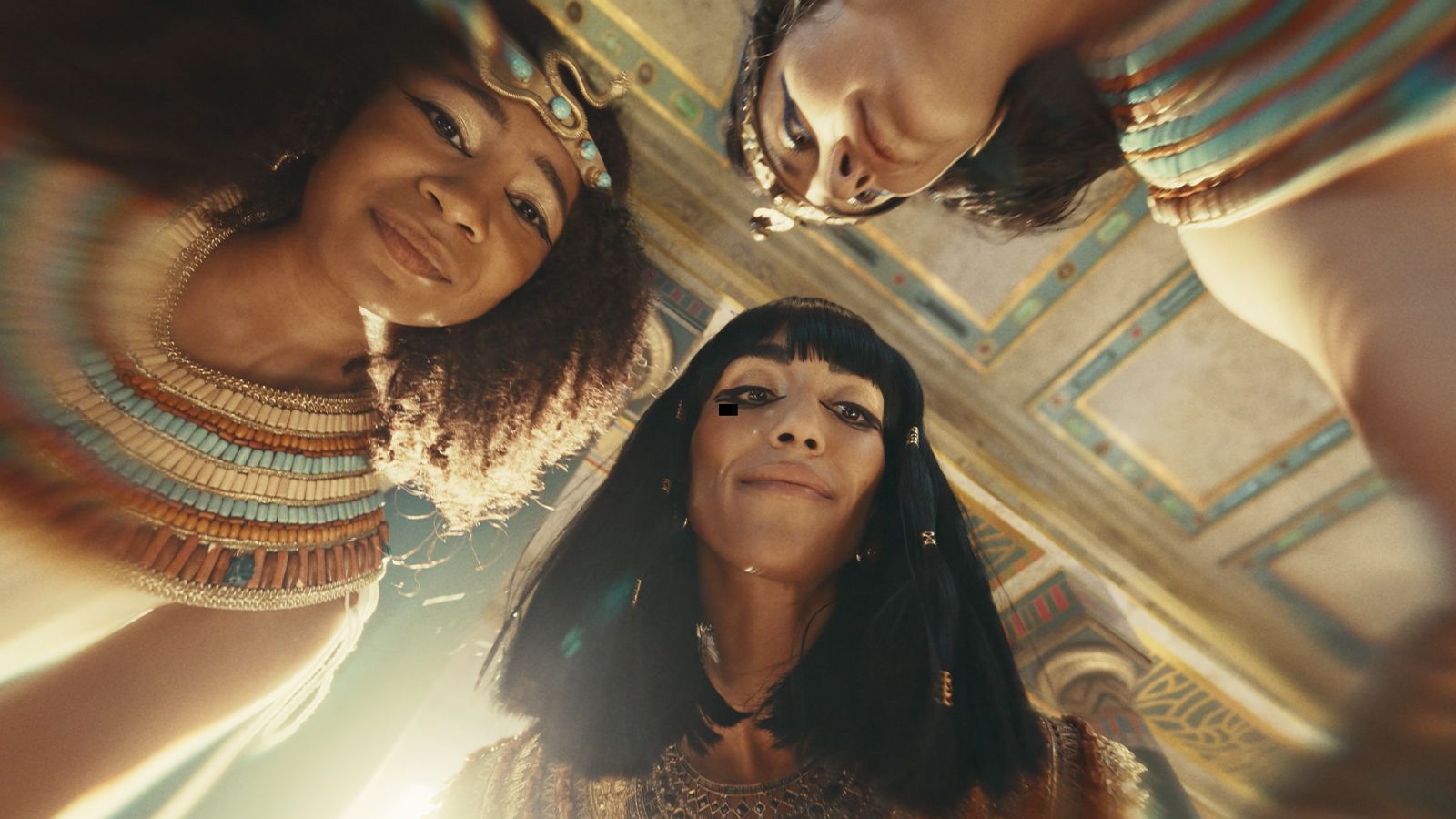
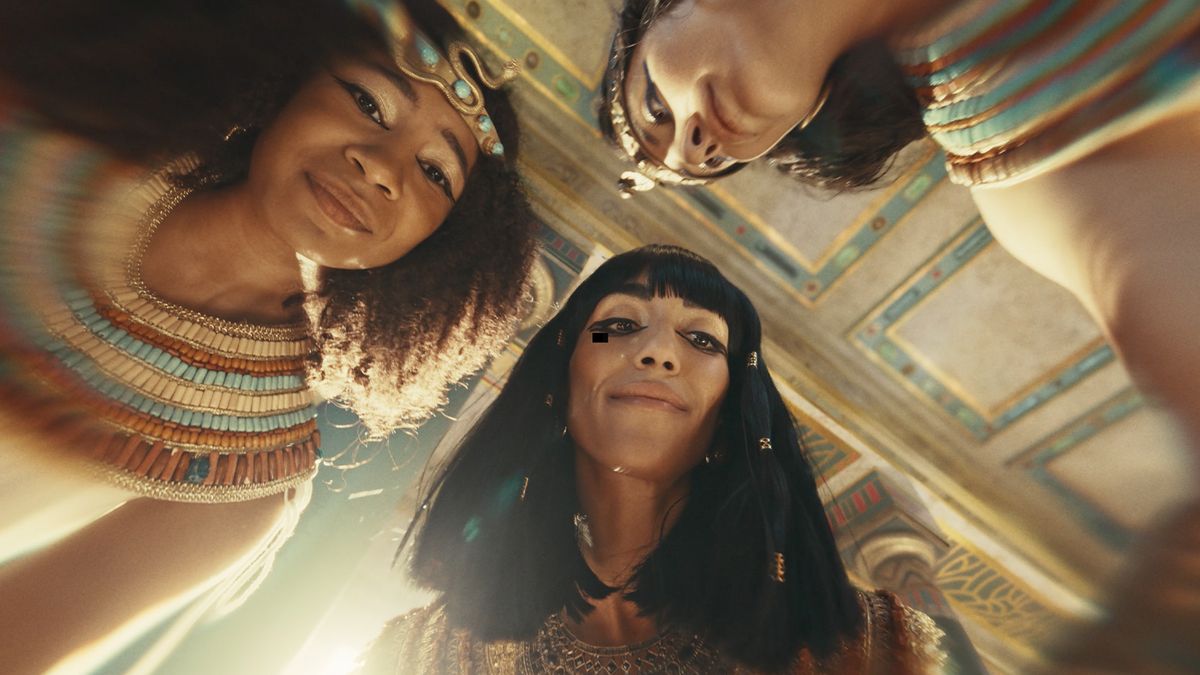
The controversy ignited almost immediately after the trailer debuted at Gamescom. The footage, a whirlwind montage spanning the breadth of human civilization, utilized a distinct aesthetic: sharp, rapid-fire cuts, saturated lighting, and an aggressive, wide-angle fisheye lens. This stylistic choice was intended to create an immersive, slightly surreal, and voyeuristic perspective on history.
However, for a significant portion of the online audience, these artistic choices triggered immediate alarm bells. Within minutes, social media platforms—particularly X (formerly Twitter) and various gaming subreddits—were flooded with accusations. Users pointed to the "uncanny" movement of the characters, the distortion around the edges of the frames, and the dreamlike quality of the environments as "proof" that the trailer was generated using tools like Sora or Runway.
The irony of the situation was not lost on the community. Humankind, a game series fundamentally about the fluidity of history and the reimagining of the past, was now being accused of using a technology that is often criticized for distorting the truth of human creative labor. The accusation was swift, viral, and relentless, creating a narrative that the studio had cut corners in its marketing campaign.
Setting the Record Straight: Amplitude’s Official Defense
Amplitude Studios did not let the rumors linger for long. Recognizing the potential damage to their reputation and the need to defend their creative team’s integrity, the studio issued a formal, emphatic statement on their official X account.
"The HUMANKIND 2 live-action announcement trailer was filmed at Nu Boyana Film Studios in Sofia using real actors, practical sets, and custom-made props created specifically for the production," the studio clarified. "We will be sharing behind-the-scenes images from the shoot soon."
By grounding their rebuttal in the physical reality of a film studio, Amplitude effectively dismantled the AI narrative. Nu Boyana Film Studios, a well-regarded facility in Bulgaria, has a long history of supporting high-end production, and the studio’s promise of behind-the-scenes documentation underscores a commitment to transparency. This response was a necessary pivot, moving the conversation from speculative outrage back to the merits of the game and the effort behind its announcement.
Why the Confusion? The "AI Aesthetic" and the Visual Language of 2024
To understand why the public was so quick to judge, we must look at how generative AI has fundamentally altered our visual literacy. Over the last two years, we have been inundated with AI-generated content that shares a specific, recognizable "DNA."
- The Fisheye Distortion: AI video generators often struggle with camera movement and spatial consistency. To mask these glitches, many AI tools utilize aggressive wide-angle or fisheye lenses, which hide the "warping" of geometry that occurs when an algorithm tries to render a scene. Amplitude’s stylistic choice, ironically, mimicked this common AI artifact.
- The "Uncanny" Motion: Human movement, when simulated by AI, often feels either too floaty or too robotic. Because the trailer featured stylized, exaggerated performances to fit the "history through a lens" theme, the performances were misinterpreted as "AI jitter."
- Pattern Recognition: As one user on X noted, the public has been conditioned by "historical figures doing selfies" AI trends. Because the trailer focused on close-up, immediate perspectives of people in historical costume, it hit every trigger point that modern audiences have learned to associate with low-effort, AI-generated "slop."
The tragedy here is that the very techniques Amplitude used to make their trailer feel unique—the practical, high-contrast, wide-angle cinematography—were the exact tools that caused the audience to perceive it as synthetic. It is a classic case of the "Uncanny Valley," where the attempt to create a stylized, hyper-real experience backfired by landing too close to the current output of generative models.
The Broader Implications for the Gaming Industry
The Humankind 2 incident is a microcosm of a larger, systemic anxiety in the creative industries. As AI tools become more sophisticated, the "burden of proof" for artists is increasing. We have already seen cases where digital artists working in Blender or traditional painters have been accused of using AI, leading to public harassment and the need to post time-lapsed recordings of their work just to prove their humanity.
This creates a chilling effect on creativity. If artists and marketing teams fear that "stylized" or "experimental" choices will be dismissed as AI-generated, they may be forced into more conservative, safer visual palettes to avoid backlash.
Furthermore, this incident highlights the erosion of trust between developers and players. In an era where some companies are indeed using AI to cut costs in ways that displace human artists, players are on high alert. While this vigilance is healthy for protecting the rights of creative workers, it also risks becoming a "witch hunt" that penalizes legitimate, high-effort human production.
What to Expect from Humankind 2
Beyond the trailer controversy, the announcement marks a significant milestone for Amplitude. The original Humankind was lauded for its innovative approach to 4X, allowing players to mix and match cultures across different eras to create a unique historical trajectory.
Humankind 2 promises to iterate on this formula. According to early reports and the Steam store page, the sequel will introduce:
- Deepened Cultural Mechanics: A more robust system for merging civilizations that accounts for the geopolitical and technological shifts of the modern and future eras.
- Revised Interface: Addressing one of the common complaints of the first game, the sequel is slated to feature a cleaner, more intuitive UI to help players manage complex empire-building tasks.
- Expanded Progression: A more granular look at how cultural legacy affects the long-term growth of a civilization, ensuring that early-game choices have even more meaningful, long-term consequences.
The game is currently slated for a 2027 release on PC. While the trailer served as a wake-up call regarding the state of public perception, the core promise of the game remains the same: to offer the most expansive, flexible, and intellectually stimulating historical strategy experience on the market.
Conclusion: A Lesson in Transparency
The Humankind 2 controversy is a reminder that we are living in a period of profound transition. As AI continues to evolve, the distinction between human and machine-made content will become harder to perceive without context.
Amplitude Studios, perhaps unintentionally, provided a blueprint for how companies should handle these accusations: stay calm, provide receipts, and lean into the reality of the work. As the industry moves forward, the "behind-the-scenes" footage will likely become as important as the trailers themselves.
The public’s skepticism, while arguably misplaced in this instance, is a testament to the high value we still place on human artistry. If Amplitude’s behind-the-scenes materials show the sweat, the practical props, and the actors in their costumes, it will not only clear the studio’s name but also serve as a celebration of the craft. In the digital age, proving that a human hand was behind the creation of a piece of art is becoming an essential part of the marketing process—and perhaps, in the long run, a powerful way to add value to the final product.