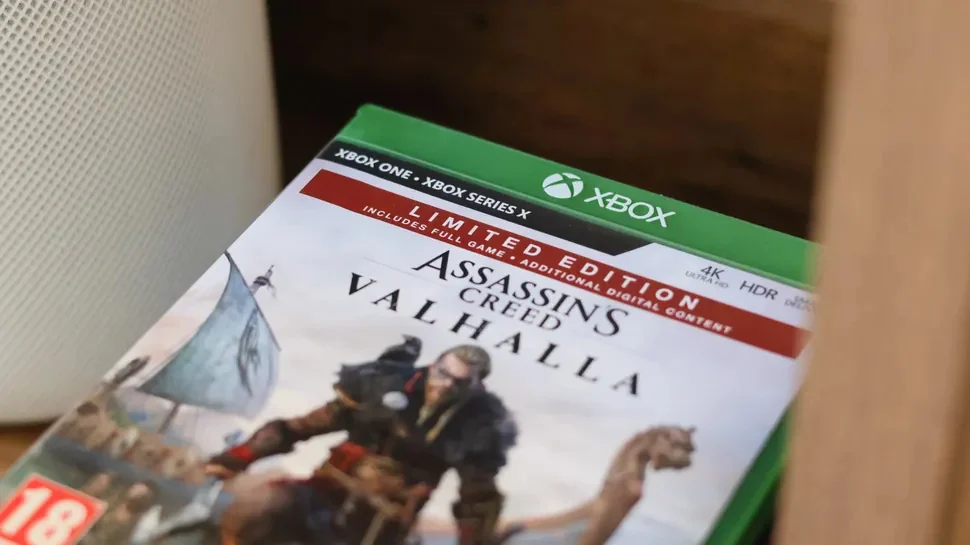
In a move that promises to reshape the landscape of console gaming, Microsoft has officially confirmed the long-rumored "disc-to-digital" service for the Xbox ecosystem. This strategic pivot allows owners of physical Xbox game discs to claim digital entitlements, effectively migrating their legacy collections into the modern, cloud-connected digital age. As the gaming industry grapples with the decline of physical media, this initiative represents both a lifeline for collectors and a significant step toward a fully digital future.
The Core Announcement: Bridging Generations
Microsoft’s announcement, made via the official Xbox Wire blog, marks a pivotal moment in the company’s history. For decades, players have meticulously curated physical libraries, only to find them increasingly incompatible with the hardware-agnostic, digital-first direction of modern gaming.
The new service addresses this friction directly. By inserting a supported physical game disc into an Xbox One or Xbox Series X console, players can now "claim" a digital license for that title. Once claimed, the game becomes accessible within the user’s digital library, mirroring the convenience of titles purchased directly from the Xbox Store. Crucially, this transition enables access to premium digital features, including support for Xbox Play Anywhere—which allows users to pick up progress across Xbox and Windows PC—and, where supported, the expansive potential of Xbox Cloud Gaming.
A Chronology of the Shift
The road to this announcement has been paved with years of industry speculation and consumer demand.
- Pre-2020: As internet speeds increased and digital storefronts matured, physical sales began a slow, steady decline. Despite this, the "ownership" debate remained heated, with players fearing that a shift to digital meant a loss of control over their purchased content.
- 2020-2023: The launch of the Xbox Series S—a console without a disc drive—highlighted the widening gap between digital-only users and those with vast physical collections. Throughout this period, rumors circulated regarding a potential "disc-to-digital" bridge, though Microsoft remained tight-lipped, focusing instead on Game Pass.
- Early 2024: Industry analysts noted a sharp decline in retail shelf space for physical games at major retailers, signaling an acceleration in the industry’s digital transition.
- August 2026: Microsoft officially confirms the program. Xbox Insiders are scheduled to begin testing the implementation on August 31, with a broader rollout expected to follow in the subsequent months.
Supporting Data: What This Means for the Library
While the prospect of turning every old disc into a digital key is exciting, the implementation is nuanced. Microsoft has confirmed that the service covers "most" titles for the Xbox One and Series X generations.
The Scope of Compatibility
According to initial reports, thousands of titles will be supported at launch. However, there is a vital caveat: not every title will be available immediately. The "digital entitlement" system requires specific verification for each title to prevent abuse and ensure technical compatibility with cloud streaming.
The Role of the Physical Disc
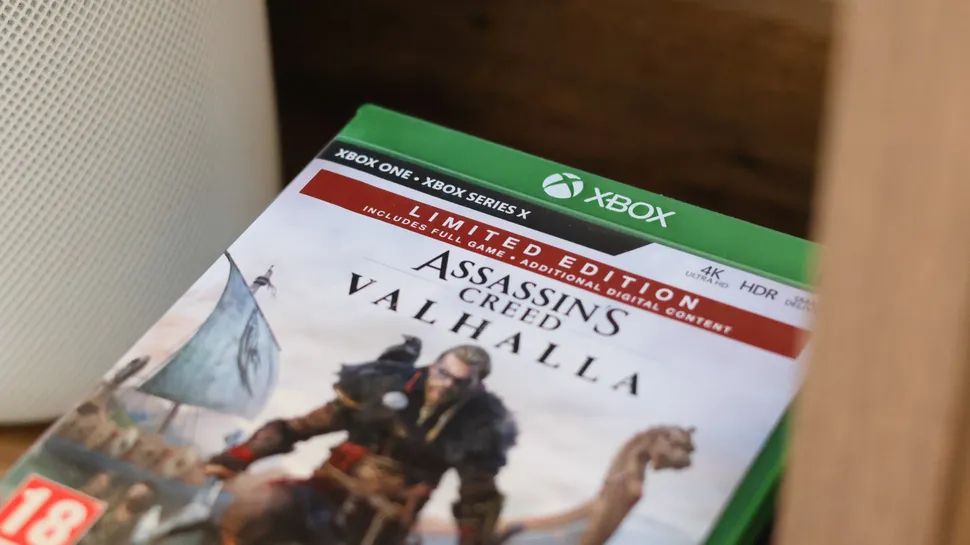
Importantly, this is not a "conversion" in the destructive sense. Users do not need to surrender their physical copies. The disc remains a functional piece of media. However, once the digital entitlement is linked to a user’s Microsoft account, the convenience of the digital version—which eliminates the need to swap discs or worry about physical degradation—becomes the primary way to play. This duality serves as a "soft landing" for users hesitant to fully abandon physical media, allowing them to keep their discs as collector’s items while enjoying the benefits of modern digital convenience.
Official Responses and Strategic Rationale
Microsoft’s rhetoric surrounding the launch is one of consumer empowerment. In their official statement, the company noted: "Players have spent decades building their Xbox libraries. Some games were purchased on disc. Some were purchased digitally. Many span multiple generations of hardware. This feature brings the benefits of digital to physical discs."
By integrating these legacy assets into the digital ecosystem, Microsoft is effectively increasing the "stickiness" of the Xbox platform. A player who knows their existing library can be accessed, streamed, and played on PC is significantly less likely to jump ship to a competing ecosystem.
Furthermore, this move aligns with Microsoft’s broader cloud strategy. By creating a digital bridge, Microsoft is populating its cloud gaming servers with a wider array of titles, making Xbox Cloud Gaming a more compelling value proposition for subscribers who may have previously felt their physical collections were excluded from the cloud experience.
Implications for the Industry
The implications of this announcement are profound, touching upon consumer rights, the retail sector, and the competitive landscape.
1. The Death Knell for Physical Retail
If consumers can easily convert their physical discs into digital licenses, the necessity of the "disc" as a distribution medium is effectively neutralized. This will likely accelerate the decision-making of major retailers, who may see even less reason to maintain dedicated gaming aisles. If the disc is merely a "key" to unlock a digital download, why maintain the logistical overhead of shipping plastic cases and printing manuals?
2. The Contrast with Sony and Nintendo
The move positions Microsoft in stark contrast to its primary competitor, Sony. With Sony’s next-generation console rumors strongly suggesting a move toward an entirely disc-less architecture, Microsoft is framing itself as the "bridge builder." By offering a way to honor past purchases while transitioning to the future, Microsoft may win significant favor with long-time gamers who feel alienated by the industry’s aggressive push toward digital-only models.
3. The Digital Ownership Debate
While this is a win for convenience, it raises questions about long-term ownership. When a user "claims" a digital entitlement, they are subject to the terms of service of the digital store. Unlike a physical disc, which remains playable offline indefinitely (in most cases), a digital entitlement is tied to a server. If the servers go down or the store closes, the "entitlement" could theoretically vanish. While this is a risk already inherent in digital gaming, the migration of physical libraries into this ecosystem brings the fragility of digital ownership into sharper focus.
4. Sustainability and Preservation
From an environmental and preservationist perspective, this is a mixed bag. On one hand, reducing the production and shipping of physical media is a clear win for carbon footprint reduction. On the other, the gaming industry has a poor track record of preserving games when they exist solely in the cloud. By moving the focus away from the physical medium, there is a risk that "game preservation" becomes entirely dependent on the corporate will of a single entity.
Conclusion: A Measured Evolution
Microsoft’s disc-to-digital service is a pragmatic response to an unavoidable market shift. It acknowledges the emotional and financial investment players have in their physical collections while simultaneously pushing the industry toward a future where hardware is secondary to the service.
For the average gamer, this is an unequivocal quality-of-life improvement. The ability to access a library from any device, anywhere, without the need for a disc drive, is the logical evolution of the medium. Yet, for the industry at large, it serves as a milestone marking the sunset of the physical era. As we watch the Xbox Insiders test this functionality in the coming weeks, the industry will be paying close attention. If successful, this model could become the standard, signaling that the future of gaming is not just digital—it is a hybrid of our past and a cloud-based future.
As the lines between physical and digital blur, players are left with a new reality: their collections are no longer just shelves of plastic, but digital assets that can traverse the cloud. Whether this leads to a new golden age of accessibility or a future where ownership is increasingly ephemeral remains to be seen. However, one thing is certain: the way we interact with our games has changed forever.