Lina Irawan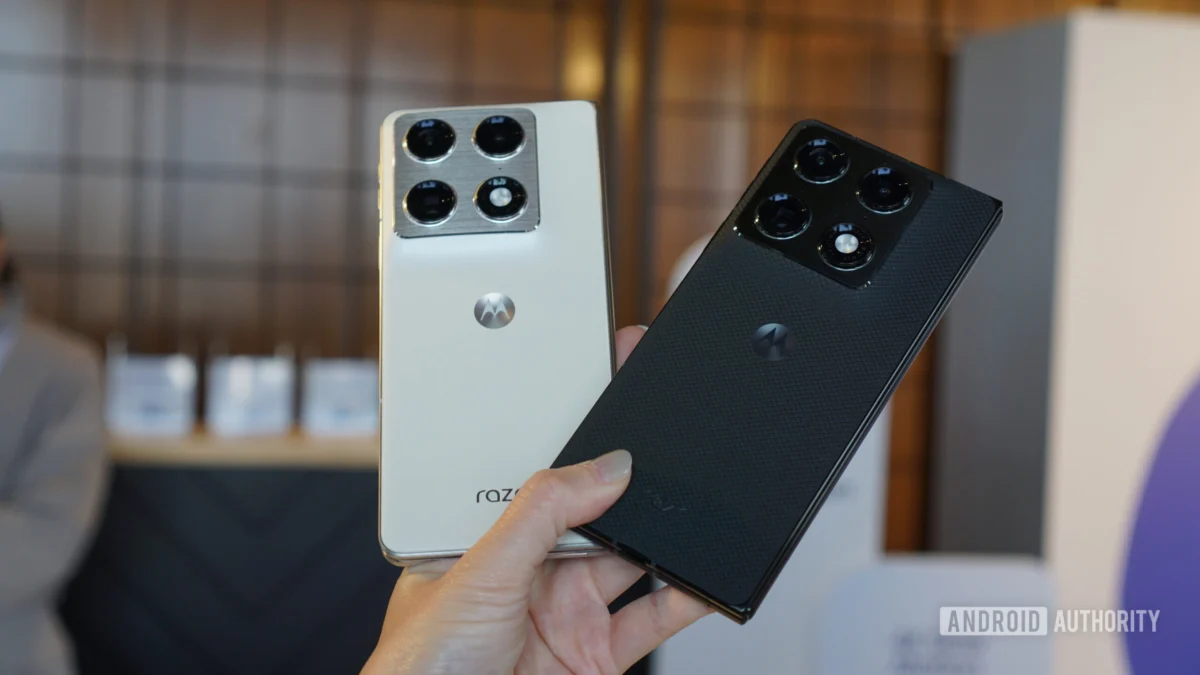
The mobile landscape is shifting beneath our feet, and Motorola is positioning itself at the epicenter of this transformation. With the official rollout of the 2026 Razr lineup across major United States carriers, the company is not merely competing; it is aggressively courting the foldable-curious demographic with a series of promotions that effectively lower the barrier to entry to zero. As the hardware hits store shelves, the industry is witnessing a strategic push that seeks to challenge the long-standing dominance of the Samsung Galaxy Z series, specifically through the introduction of the highly anticipated, large-format Motorola Razr Fold.
Main Facts: The 2026 Razr Ecosystem
Motorola has unveiled a multi-tiered approach to its 2026 portfolio, segmenting its offerings into three distinct categories: the standard Razr, the entry-level Moto G, and the crown jewel, the Motorola Razr Fold.
The standard Motorola Razr 2026 is the iteration most consumers recognize—a sleek, clamshell-style foldable that prioritizes portability and style. Simultaneously, the Moto G 2026 provides a budget-friendly entry point for those not yet ready to embrace the complexity of folding displays. Finally, the Motorola Razr Fold represents a radical departure for the brand, offering a book-style folding mechanism designed to compete directly with the productivity-focused tablets that Samsung and Google have championed.
The most critical development, however, is the pricing strategy. Through T-Mobile and Verizon, Motorola has orchestrated a "zero-cost" entry model. By leveraging specific data plans—such as T-Mobile’s Go5G Next or Verizon’s myPlan—consumers can acquire these devices without the traditional trade-in hurdles that have historically plagued carrier promotions.
Chronology: A Roadmap to the Fold
The rollout of these devices is not a singular event but a calculated series of releases designed to maximize market impact.
- Early March 2026: Initial marketing and teaser campaigns for the 2026 Razr lineup begin, signaling a significant design refresh for the brand.
- Late March 2026: The official launch of the standard Razr 2026 and Moto G 2026 occurs, with T-Mobile and Verizon immediately activating aggressive "free phone" promotions.
- The Interim Period: During April and early May, consumers are given a preview period to familiarize themselves with the new software optimizations Motorola has baked into the Android ecosystem for its foldables.
- May 28, 2026: The official market availability date for the Motorola Razr Fold. This date is critical as it marks the first time consumers can walk into a store and walk out with the book-style foldable, bolstered by the high-end trade-in incentives offered by T-Mobile.
Supporting Data: Carrier Incentives and Financial Accessibility
The financial architecture behind these promotions is designed to capture market share from competitors. The following breakdown illustrates the current incentive landscape:
T-Mobile
- Razr 2026: Offered at no cost for new lines on Experience Beyond, Go5G Next, Experience More, or Go5G Plus.
- Moto G 2026: Available for free without the requirement of a trade-in, catering to the value-conscious segment.
- Razr Fold: The flagship promotion. T-Mobile is offering the device for free or up to $1,700 off when switching carriers or adding a line on high-tier plans (Experience Beyond or Go5G Next).
Verizon
- Razr 2026: Available at no cost to users subscribed to any tier of the "myPlan" ecosystem, removing the complexity of plan-specific requirements found at other carriers.
- Moto G 2026: Similarly offered for free, reinforcing the carrier’s goal of widespread adoption of the latest hardware.
The AT&T Gap
Interestingly, AT&T has opted for a more conservative route. While the carrier carries the Motorola Razr 2026, it has notably refrained from participating in the "free" promotion cycle currently defining the competitive landscape at T-Mobile and Verizon. This suggests a potential strategic divergence where AT&T may be prioritizing profit margins over aggressive volume growth in the foldable category.
Official Responses and Strategic Positioning
Motorola’s leadership has been vocal about the importance of 2026 as a "breakout year" for their foldable technology. In recent press statements, the company highlighted that the engineering focus for the 2026 lineup was on "hinge longevity and screen crease reduction." By partnering with T-Mobile and Verizon to subsidize the cost of these devices, Motorola is effectively offloading the risk of high upfront hardware costs for the consumer, allowing the user experience to do the heavy lifting in terms of long-term retention.
Verizon’s internal communications regarding the launch emphasize the "seamless integration of 5G capabilities" with the new form factors, suggesting that the carrier views these devices as ideal catalysts for higher-tier data plan adoption.
Implications for the Mobile Industry
The implications of this aggressive rollout are twofold: first, the mainstreaming of foldables; and second, the potential disruption of the high-end smartphone duopoly.
The Death of the "Early Adopter" Tax
Historically, owning a foldable smartphone carried a "luxury tax," with entry prices often exceeding $1,500. By facilitating these promotions, Motorola is signaling that the era of the foldable as an exclusive, niche product is ending. When a device as sophisticated as the Razr Fold can be obtained for free (via carrier credits), the psychological barrier to switching from a standard slab phone to a foldable drops significantly.
Challenging the Galaxy Z Fold
The Razr Fold is not just another device; it is a direct challenge to the Samsung Galaxy Z Fold. Samsung has held the crown for book-style foldables for years, but their market share is vulnerable to a competitor that offers comparable hardware with more aggressive carrier support. If the Motorola Razr Fold proves reliable in daily use, we may see a significant shift in consumer loyalty, particularly among users who are currently "locked in" to carrier ecosystem bundles.
The Role of Carrier Plans
The dependency on plans like T-Mobile’s "Experience Beyond" or Verizon’s "myPlan" is a masterclass in carrier-manufacturer symbiosis. The carriers benefit from long-term service contracts, and Motorola benefits from guaranteed device distribution. However, this creates a "golden cage" for the consumer—while the device is free, the commitment to expensive, multi-year plans is the true price of entry.
Conclusion: Is Now the Time to Switch?
For the consumer, the 2026 Motorola rollout is an unparalleled opportunity. Whether you are looking for the compact convenience of the standard Razr or the tablet-like productivity of the upcoming Razr Fold, the current promotions remove the financial anxiety usually associated with premium hardware.
However, users should approach these deals with a clear understanding of the terms. These promotions are not "free" in the traditional sense; they are subsidized by long-term service agreements. Before committing, potential buyers should analyze their monthly data needs and compare the long-term cost of these premium plans against the outright purchase price of a device.
As we approach the May 28 launch of the Razr Fold, the market is set to enter its most competitive phase in years. If you have been waiting on the sidelines for foldable technology to mature, the 2026 Motorola lineup provides the most compelling evidence yet that the future of mobile is not just folding—it’s finally accessible.

 Suro Senen
 Ammar Sabilarrohman